
How to Tell If Pork Has Gone Bad
Pork can show signs of spoilage through changes in smell, appearance and texture, but storage history matters too. This guide explains what to check before logging, cooking or eating it.
Start with the date and storage history
Check the use-by date before opening the pack. A use-by date is about safety, so do not eat pork after it has passed, even if the meat looks and smells normal. A best-before date, when present, mainly refers to quality rather than safety.
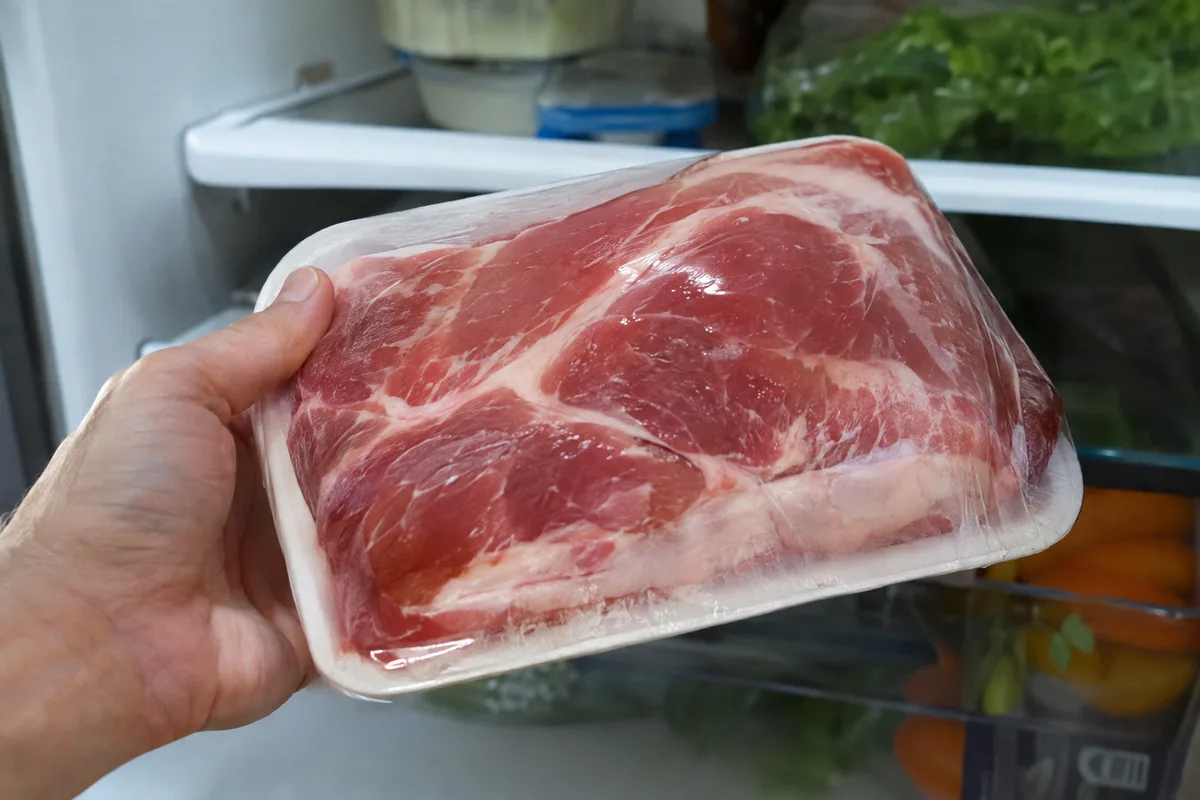
Think about what happened after the pork was bought. Raw or cooked pork should be kept properly chilled and should not spend long periods in a warm room, car or bag. If you cannot be confident that it was stored safely, visible checks cannot prove that it is suitable to eat.
- Check whether the use-by date has passed
- Consider how long the pack has been open
- Check whether it remained properly chilled
- Discard pork if its storage history is uncertain
Notice any unpleasant or unusual smell
Fresh pork has little smell, although it may have a mild meaty scent. A sour, rancid, sulphurous or strongly unpleasant odour is a clear reason to discard it. Do not taste the meat to test whether it is still good.
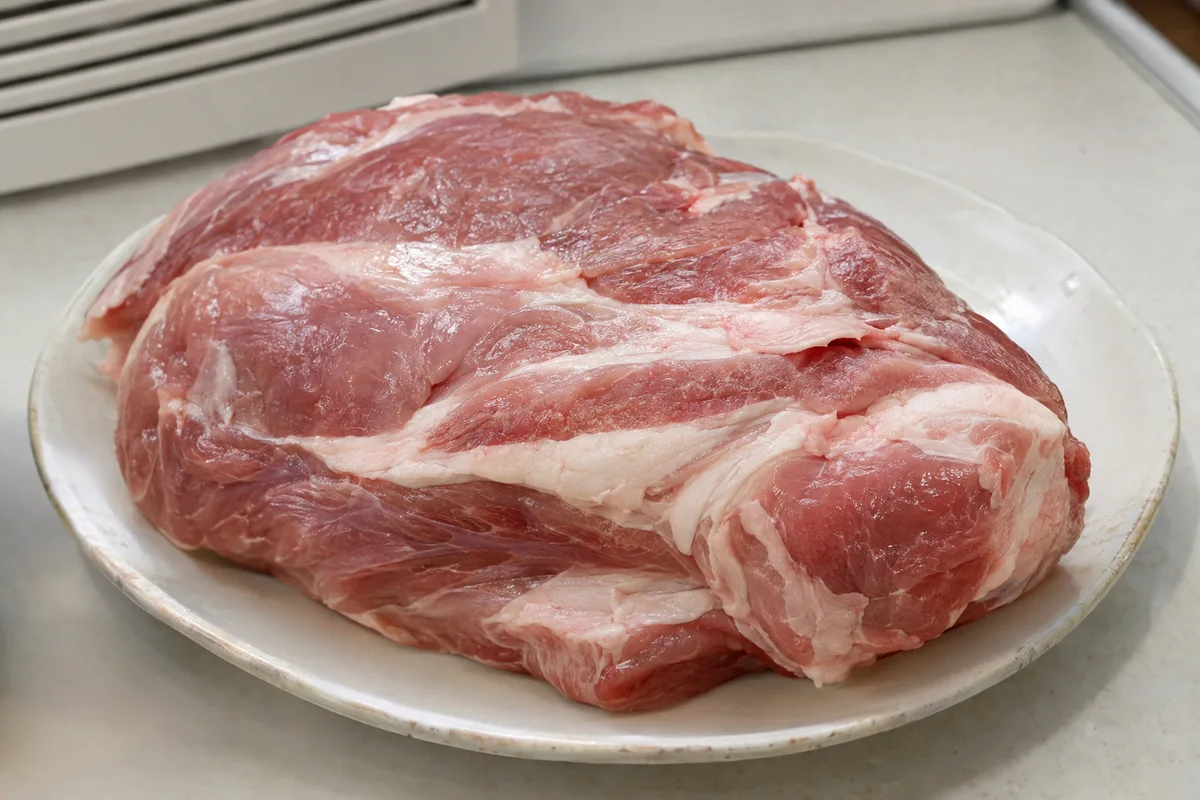
Open the pack in a ventilated kitchen and notice the smell without putting your face close to the meat. Vacuum-packed pork can have a temporary enclosed-pack smell when first opened, so allow it a short time in the air. If the odour remains unpleasant or becomes stronger, do not use the pork.
- Mild and meaty can be normal
- Sour or rancid is not normal
- A strong lingering odour is a warning sign
- Tasting is not a safe freshness test
Check the colour and surface
Raw pork is commonly pink, with creamy white fat, but its exact shade varies by cut and packaging. A small colour change alone does not always mean spoilage because exposure to air can darken meat. Look at the whole picture rather than judging one patch in isolation.
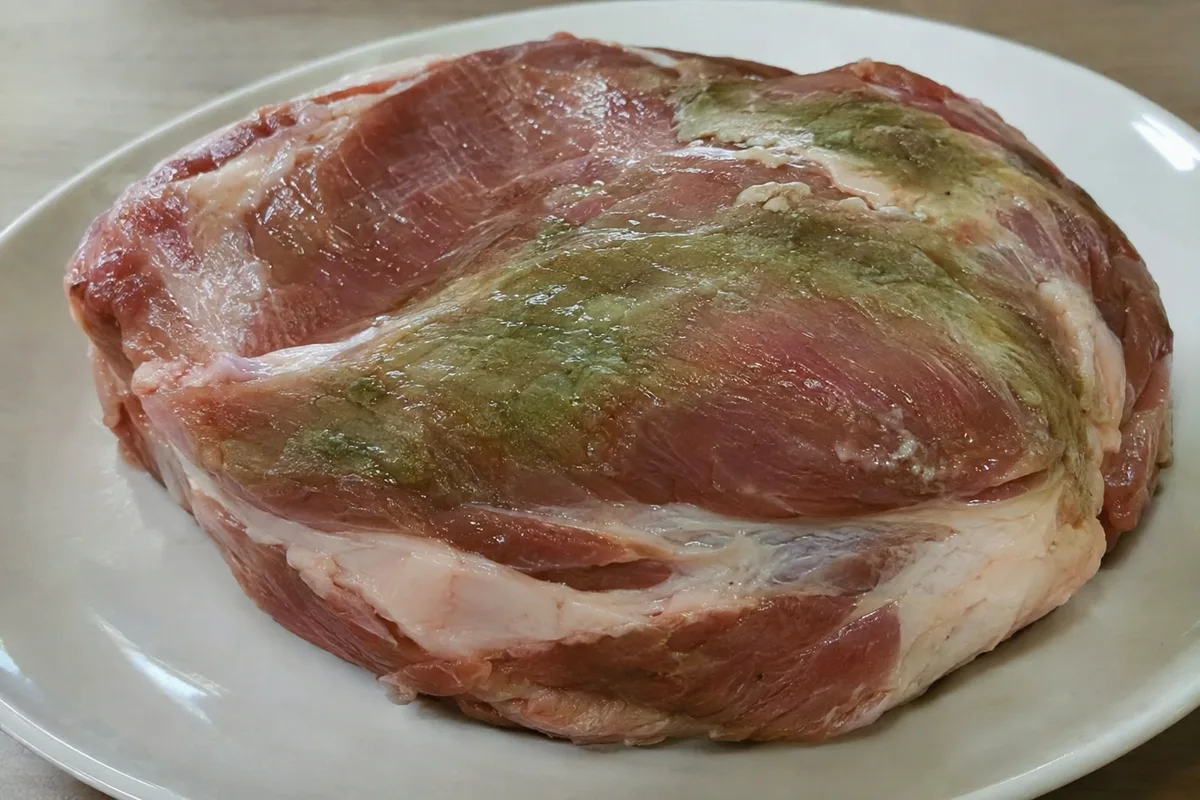
Greenish areas, an unusual grey-brown appearance combined with other warning signs, or visible fuzzy growth mean the pork should be discarded. Also check the liquid in the pack: some clear or pinkish liquid can be normal, but a cloudy appearance alongside a bad smell or slippery surface is concerning. Never cut away a suspicious section and use the rest.
- Compare the meat with its appearance when first opened
- Look for unusual greenish or widespread dull discolouration
- Check for visible fuzzy growth
- Consider colour together with smell, texture and storage
Feel for a texture change
Fresh raw pork should feel moist but not coated in slime. A sticky, tacky or slippery film that remains on the surface can indicate spoilage. Wash your hands and any utensils or surfaces that touched the meat after checking it.
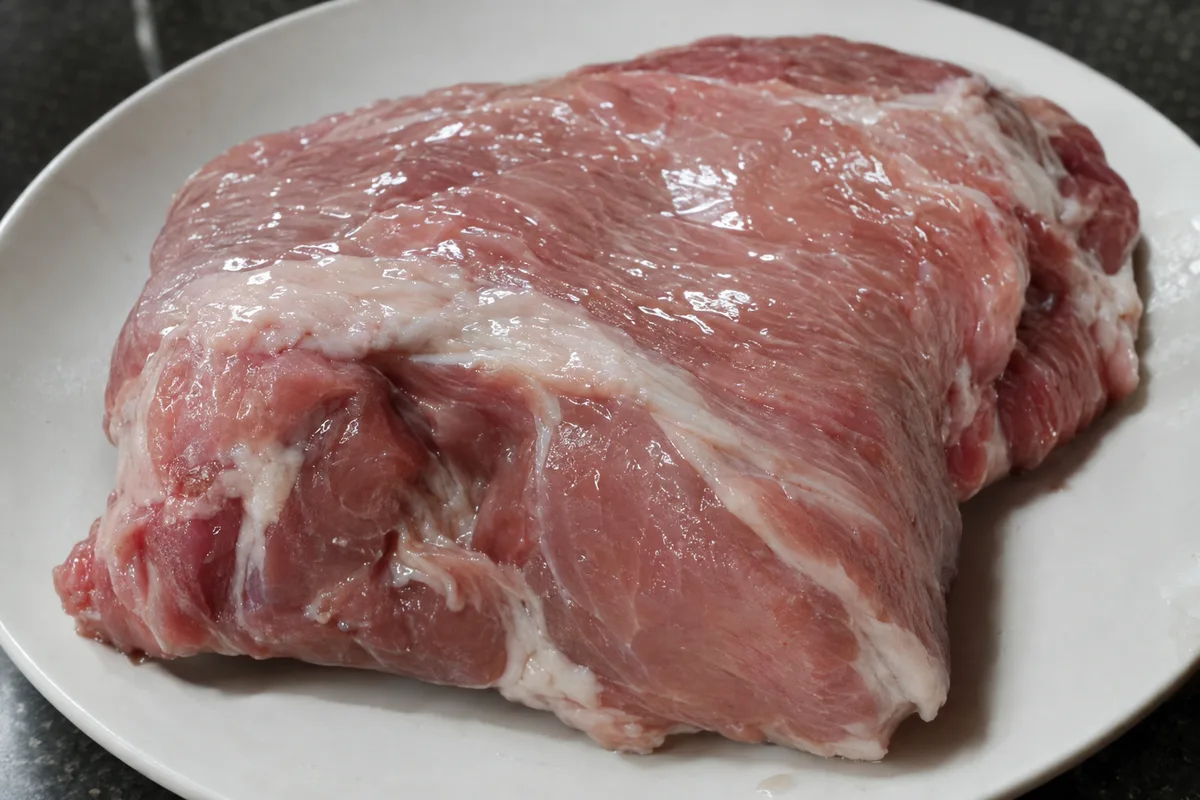
Do not rinse raw pork in the sink, as splashes can spread contamination around the kitchen. If the texture seems wrong, put the pork in a closed bag or container and discard it. Cooking does not make badly spoiled meat suitable to eat.
- Moist can be normal
- Sticky or tacky can be a warning
- A slippery or slimy coating is a reason to discard it
- Do not rinse raw pork
Check cooked pork and leftovers carefully
Cooked pork can also spoil, even when it looked fine before cooking. Warning signs include an unpleasant smell, a slimy surface, visible growth or an unexpected change in colour. Do not rely on reheating to rescue leftovers that seem spoiled.
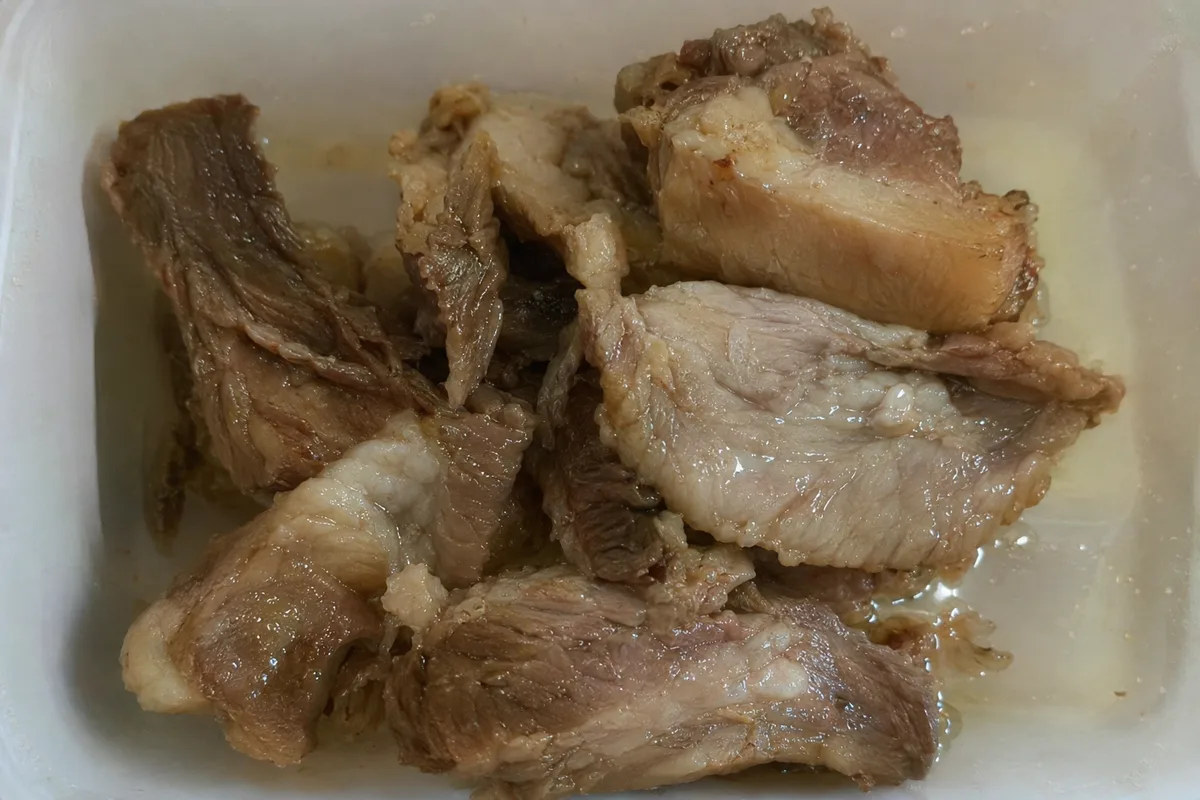
Storage history is especially important when checking leftovers. They should be cooled and chilled promptly rather than left sitting out, and kept covered to reduce contact with other foods. If you cannot remember when the pork was cooked or how it was stored, the safest choice is to discard it.
- Check when the pork was cooked
- Notice changes in smell, colour and texture
- Discard leftovers with visible growth or slime
- Do not use reheating as a freshness test
When in doubt, leave it out of your meal
No single check can confirm that pork is safe. Meat can sometimes look and smell normal even when poor storage has made it unsuitable, while a harmless colour change can look worrying. Use the date, storage history, smell, appearance and texture together.
If one strong warning sign is present, do not cook, eat or log the pork as part of the meal. Choose another protein you already have and record that instead. Discarding uncertain pork is better than trying to justify using it because it was planned for a recipe.
- Trust a clear warning sign
- Do not taste pork to check it
- Do not try to hide an unpleasant smell with seasoning
- Use a different ingredient when the pork is uncertain