
Notes on eating well
Practical notes on eating, training and keeping track.
-
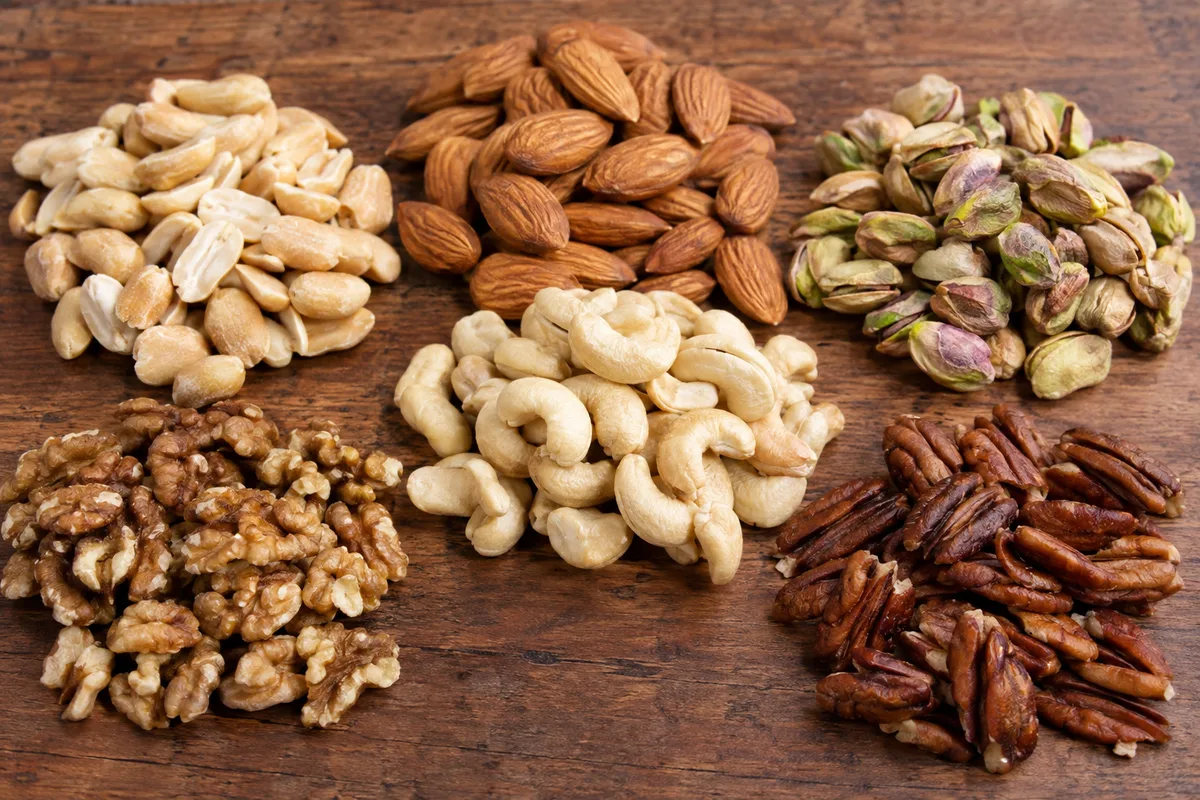
Which nut has the most protein?
The answer depends on whether you include peanuts, which are legumes rather than tree nuts. This guide explains the ranking and how to compare useful portions in your food tracker.
-
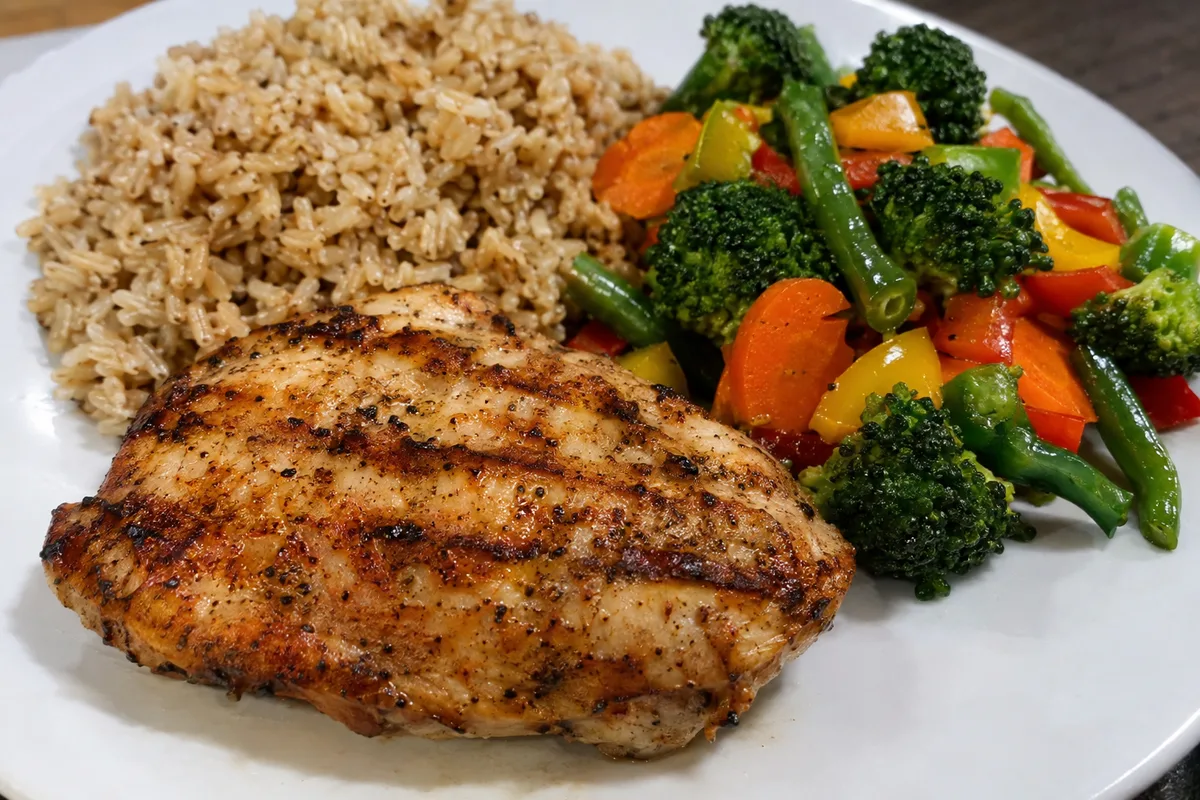
Protein for Bodybuilding: When More Stops Being Useful
Protein supports muscle repair and growth, but a bigger intake is not automatically better. This guide explains how to judge your target, spread protein through the day and spot when it may be excessive.
-
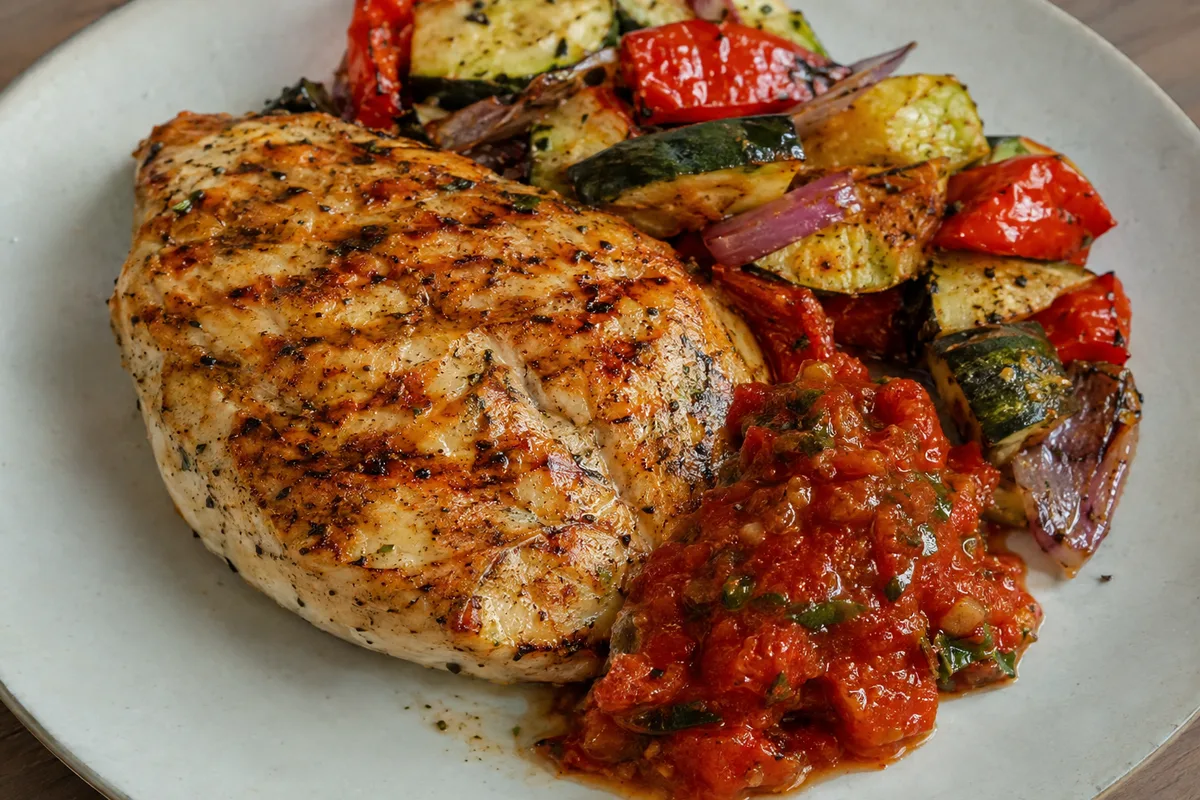
Lower-saturated-fat meats and proteins for everyday meals
Protein foods vary widely in saturated fat, even when they come from the same animal. This guide explains which options tend to be leaner, how cooking changes the meal and what to record in your food diary.
-
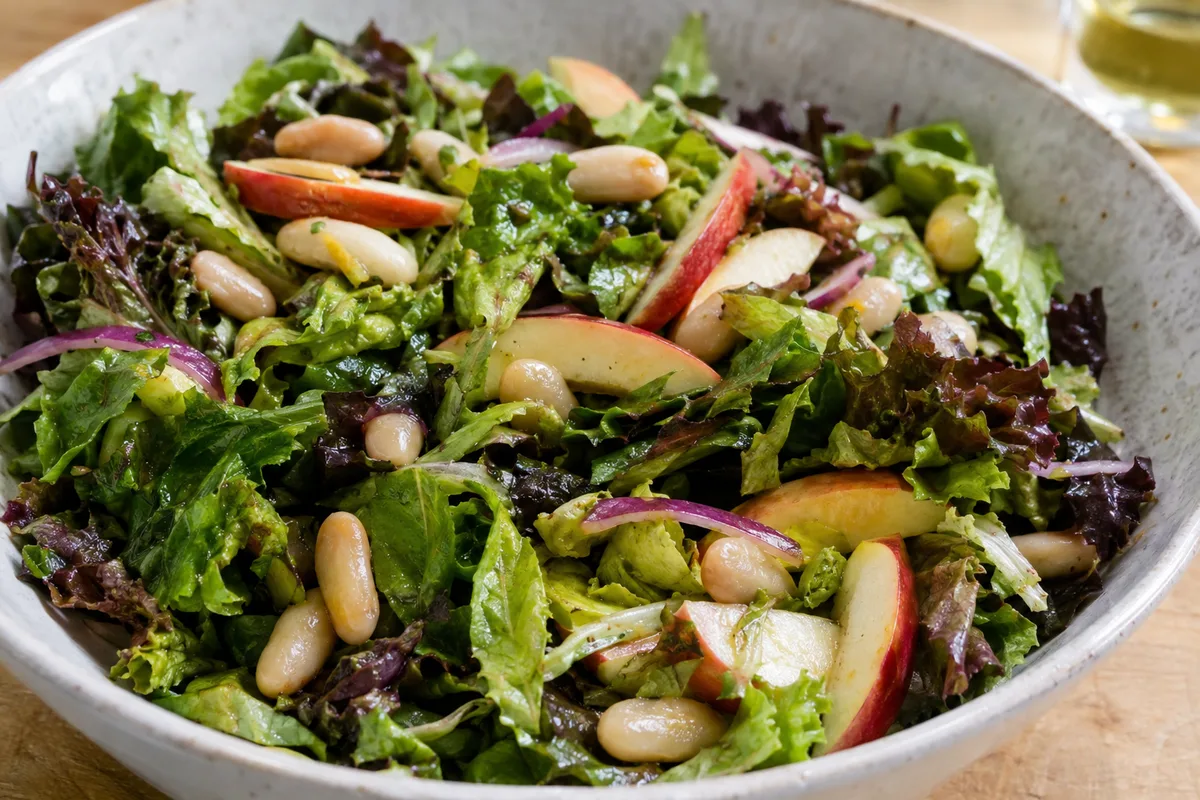
The apple cider vinegar diet: what it can and cannot do
The apple cider vinegar diet adds vinegar to a normal eating routine in the hope that it will support appetite or weight management. Here is what that means in practice, where any benefit may come from and why acidity matters.
-

Why You Might Feel Tired After Eating Chocolate
Feeling sleepy or flat after chocolate can depend on the type, portion and what else you have eaten. Your food log can help you test simple changes without treating chocolate as the only possible cause.
-
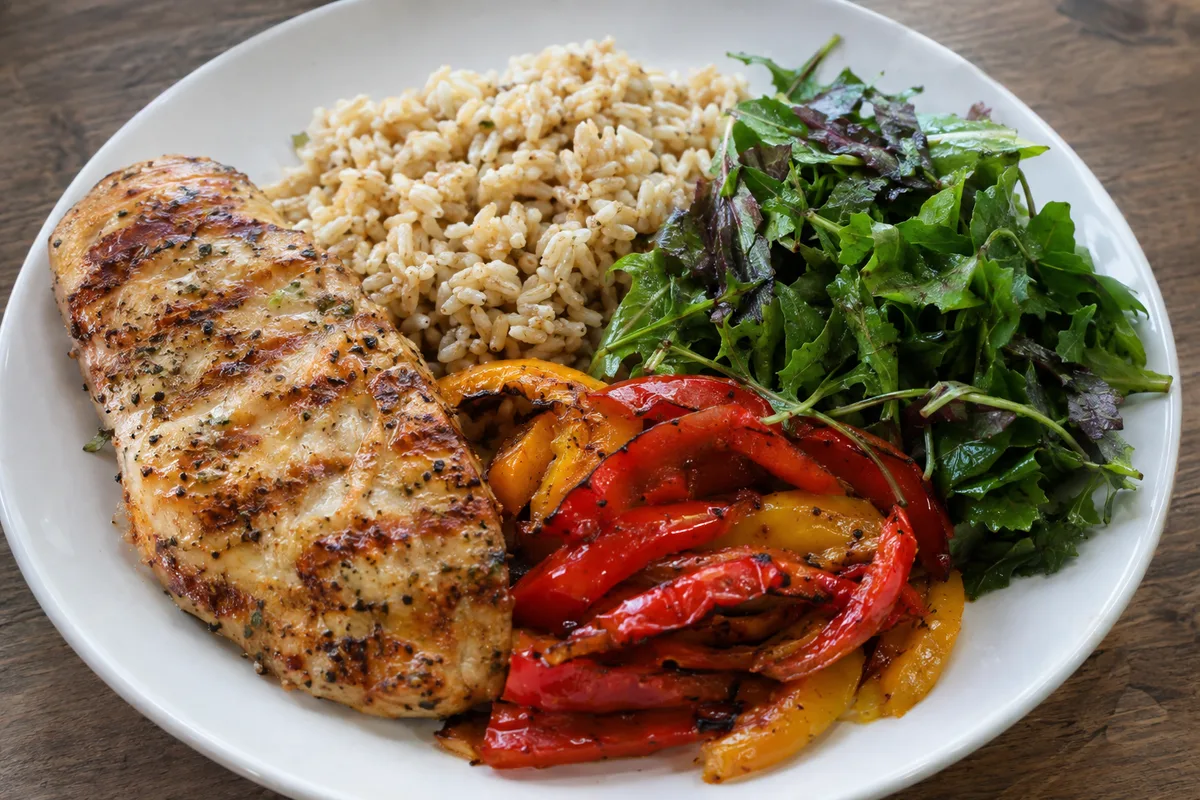
Is 200 Grams of Protein a Day Safe?
A daily total of 200 grams can be reasonable for some adults but unnecessarily high for others. Here is how to assess that number using your food log, your usual routine and the balance of your diet.
-
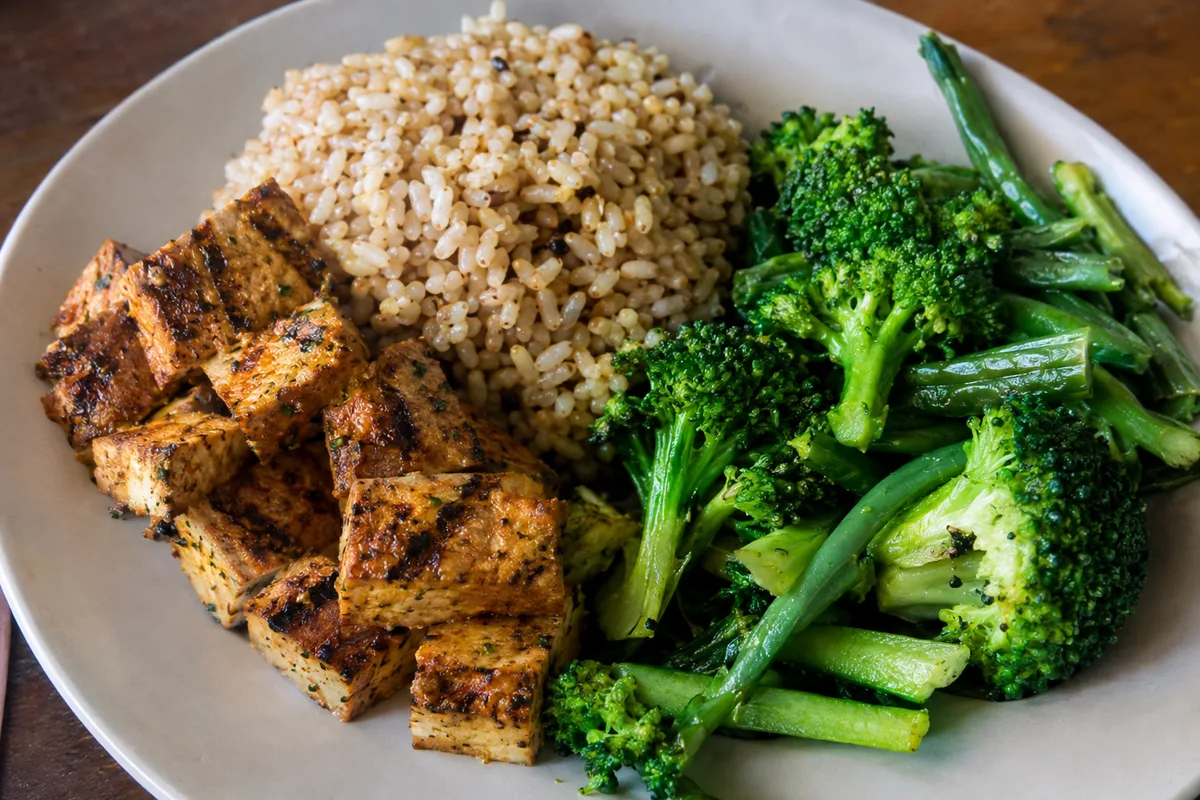
Should You Drink a Protein Shake on Rest Days?
Rest days are part of training, and your body still uses protein while recovering. This guide explains when a shake may be useful, when food may suit you better, and what to check in your food log.
-
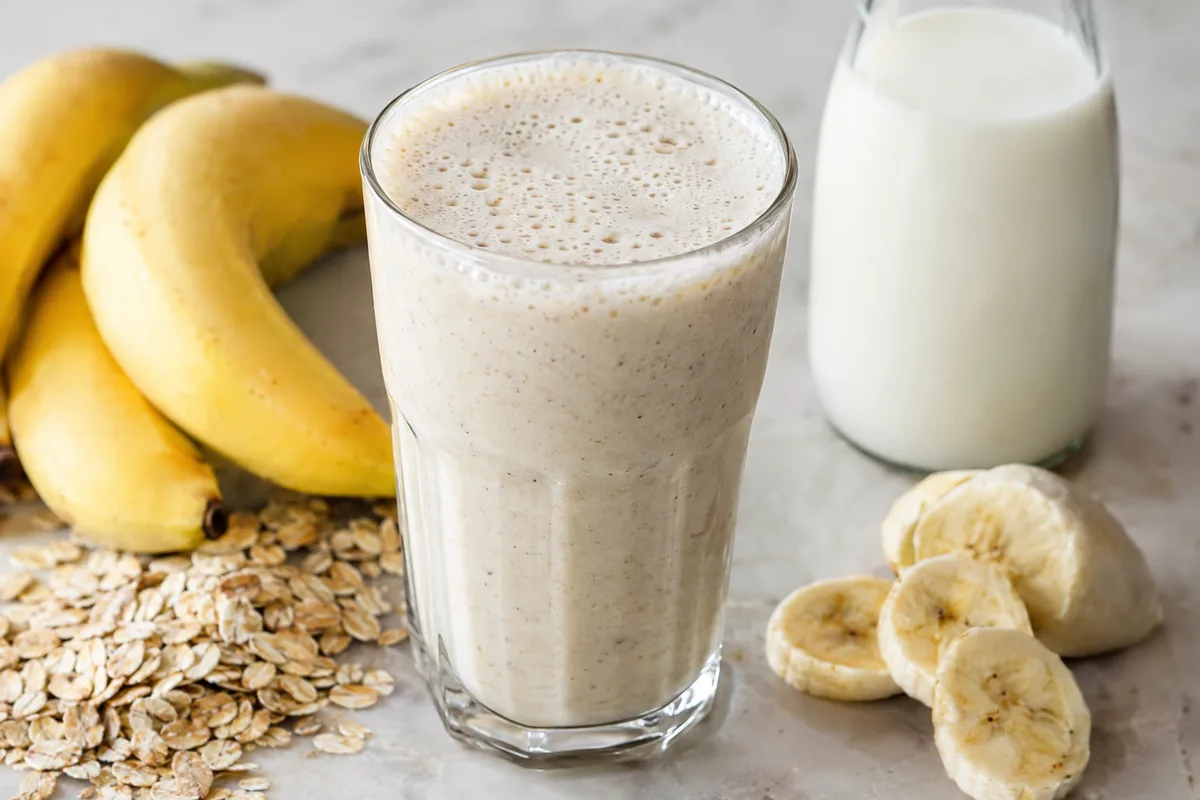
Are Protein Shakes Healthy, and Can They Help with Weight Loss?
Protein shakes offer a convenient way to add protein, but they are not automatically healthier than food. This guide explains what to track, how shakes may fit a weight-loss goal and when an ordinary meal could be more satisfying.
-
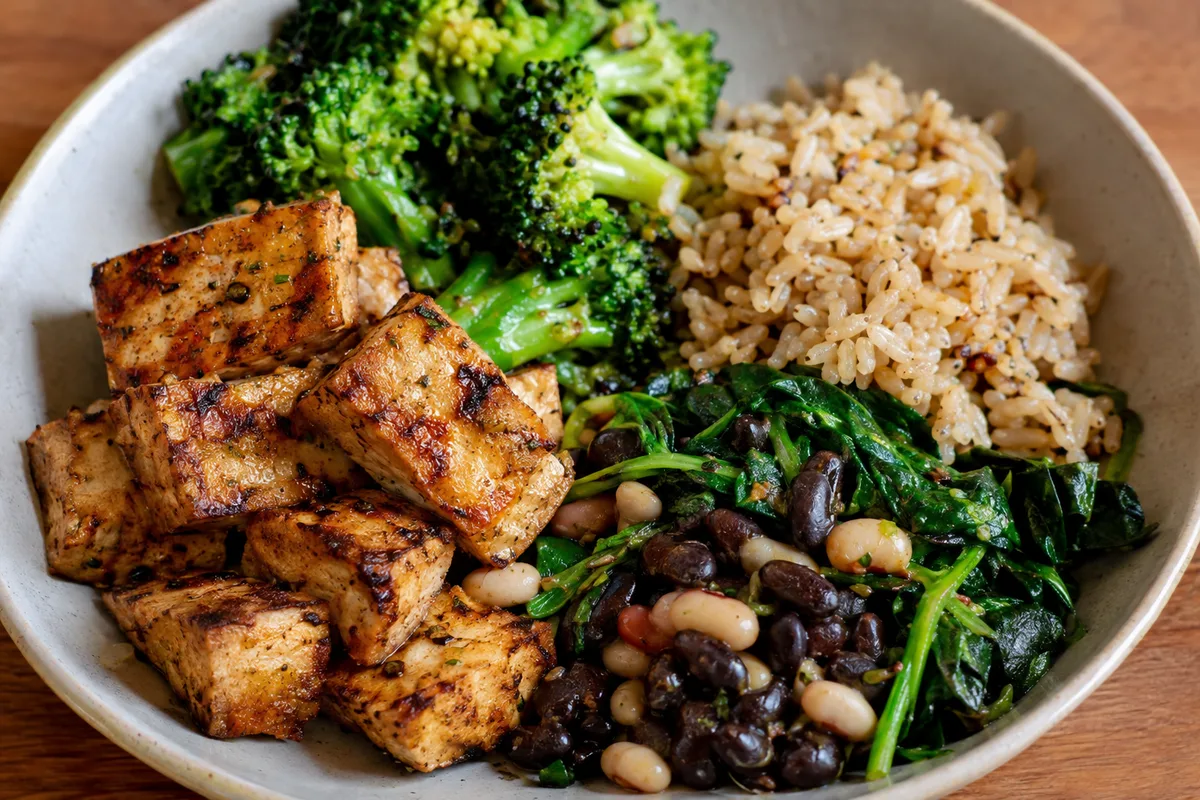
When you fast, does your body use fat or muscle first?
Your body does not switch neatly from one fuel source to another when you stop eating. Here is how fasting affects fat and muscle, what changes the balance and how to interpret what you track.
-
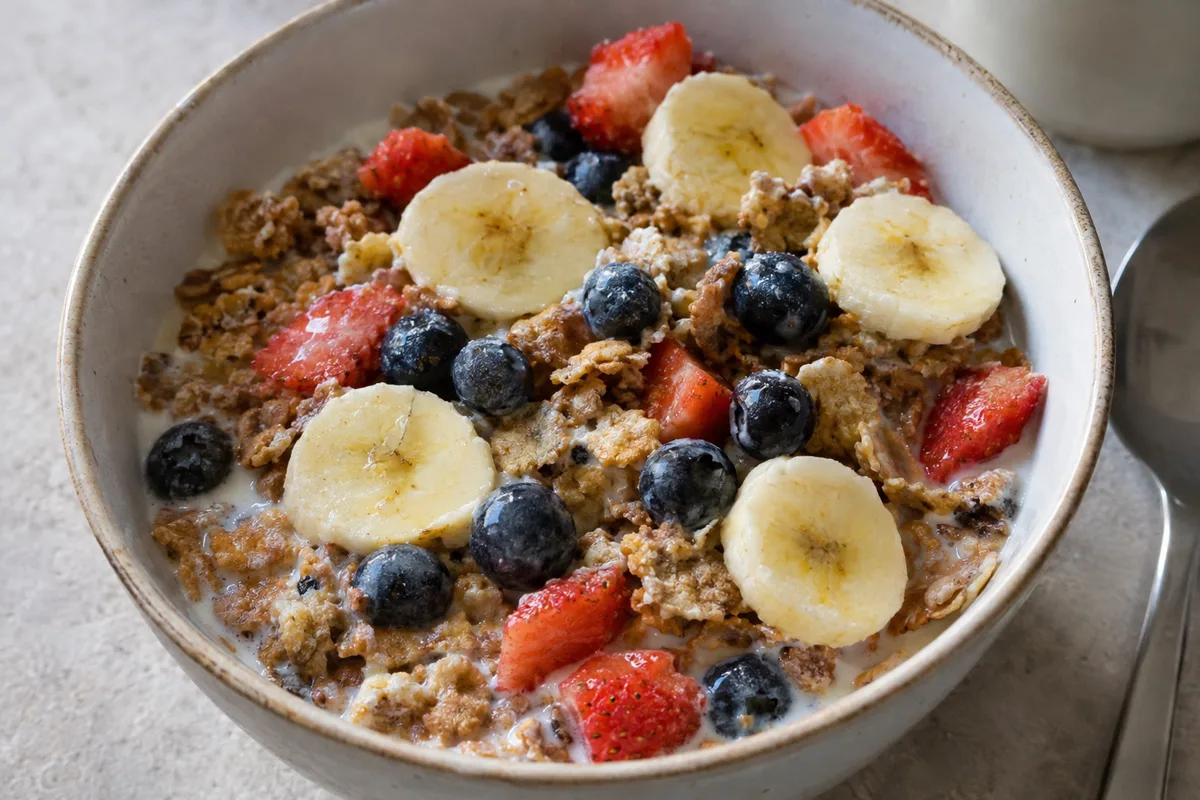
Is It Bad to Eat Cereal Every Day?
Eating cereal every day is not automatically bad, especially when it helps you make a practical and satisfying meal. This guide explains what to look for, how to improve your bowl and how to track it accurately.
-
How to Choose the Best Calorie Counter App in 2026
The best calorie counter app is one that makes consistent, accurate logging feel manageable. Here are the practical criteria to use when comparing apps in 2026, especially if you already track what you eat.
-
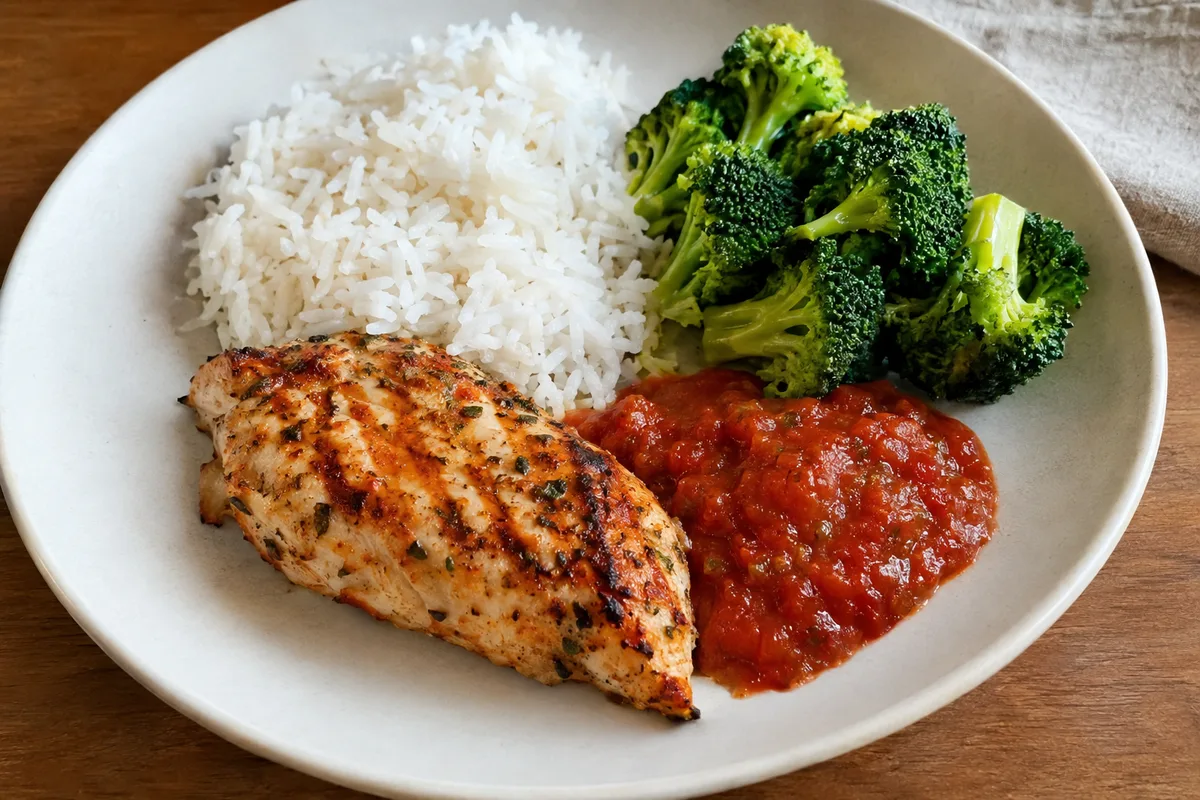
How to Build Meals High in Carbohydrate and Protein
High-carbohydrate, high-protein meals combine a useful source of energy with foods that support growth and repair. This guide explains how to build, vary and log them without overlooking fats, sauces or portion sizes.
-

The Baby Food Diet: Clever Shortcut or Passing Fad?
The baby food diet replaces some adult meals or snacks with small portions of puréed food. Here is how the idea affects calorie tracking, nutrition, fullness and everyday eating.
-

Can lifting weights help you lose belly fat?
Weight training can help change your body composition, including the amount of fat around your middle. This article explains what lifting can and cannot do, and how to combine it with the food tracking you already do.
-
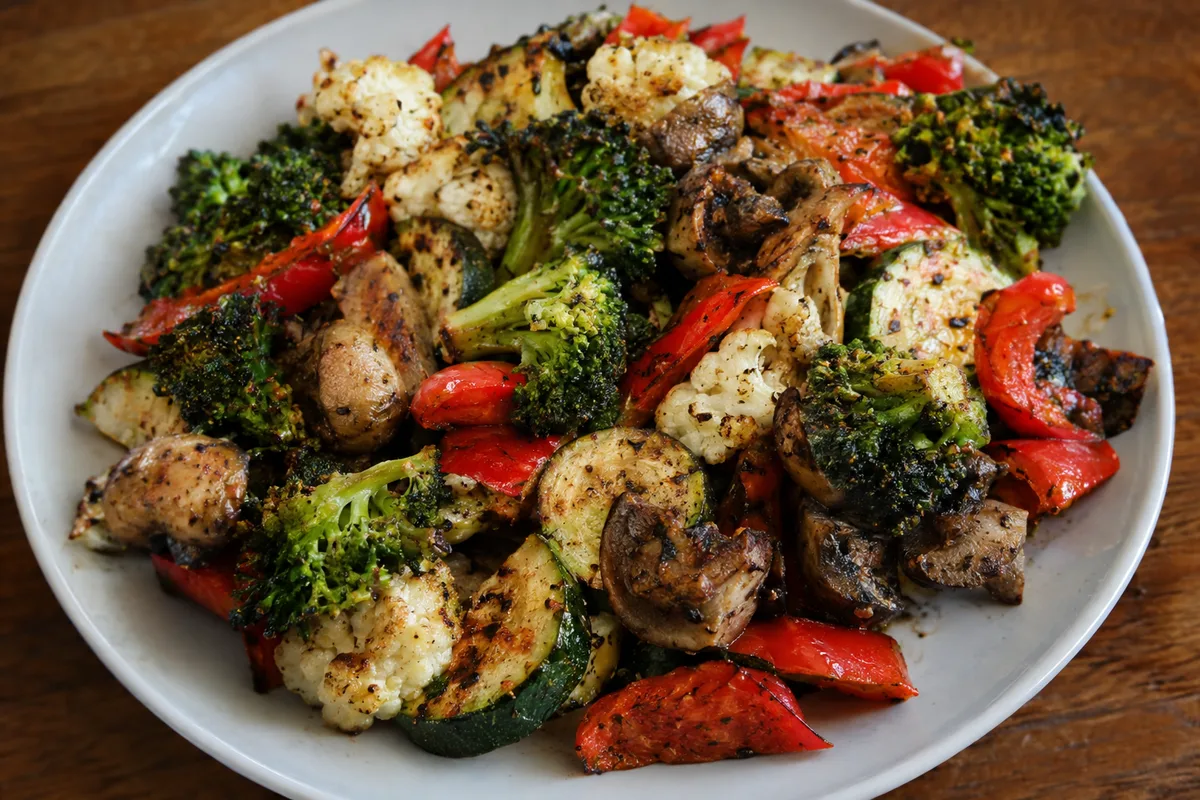
High-fibre, lower-carb foods for everyday meals
Fibre comes from plant foods, which also contain varying amounts of carbohydrate. This guide explains which choices tend to offer more fibre with less digestible carbohydrate and how to log them accurately.
-
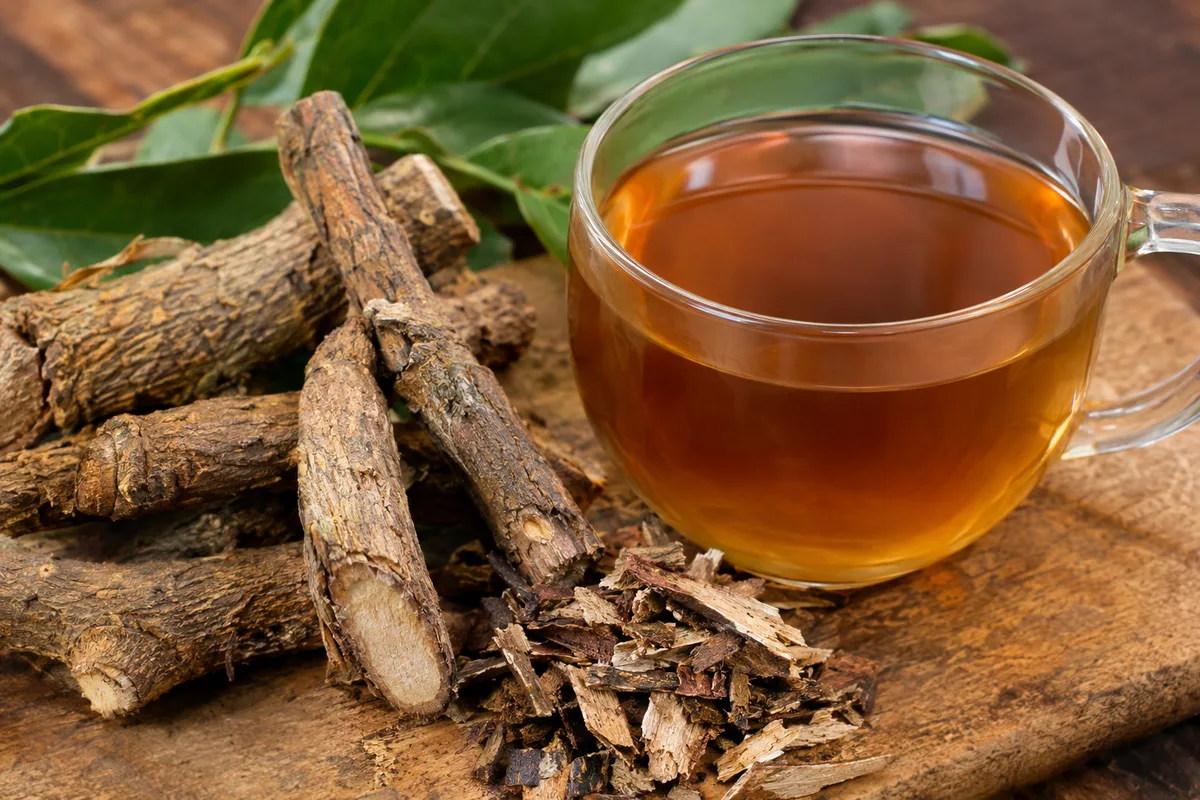
Sassafras tea: claimed benefits, real risks and what to track
Sassafras tea is often promoted as a soothing herbal drink, yet evidence for specific benefits is limited. This guide explains what it contains, possible side effects and how additions affect your food log.
-
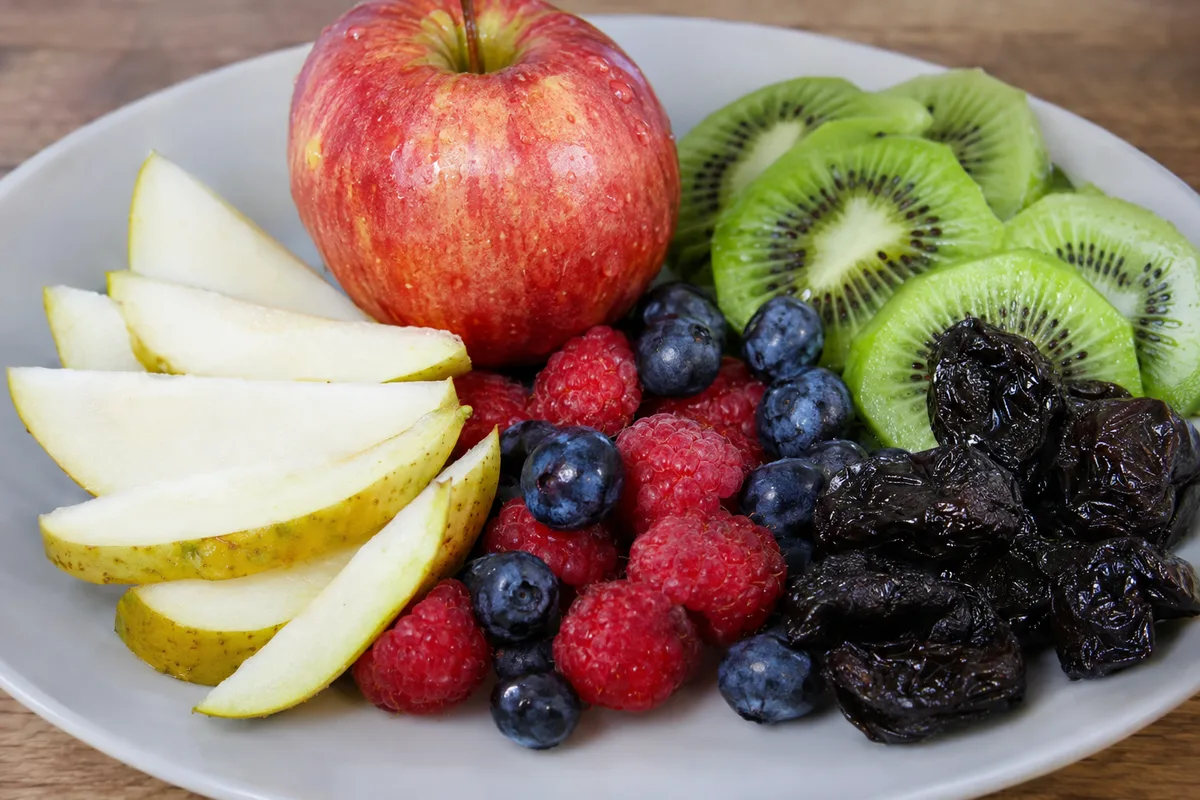
The best foods to eat when you are constipated
Constipation can sometimes improve when you eat more fibre, drink enough fluid and keep meals varied. This guide explains which foods to try, how to add them gradually and what to notice in your food log.
-
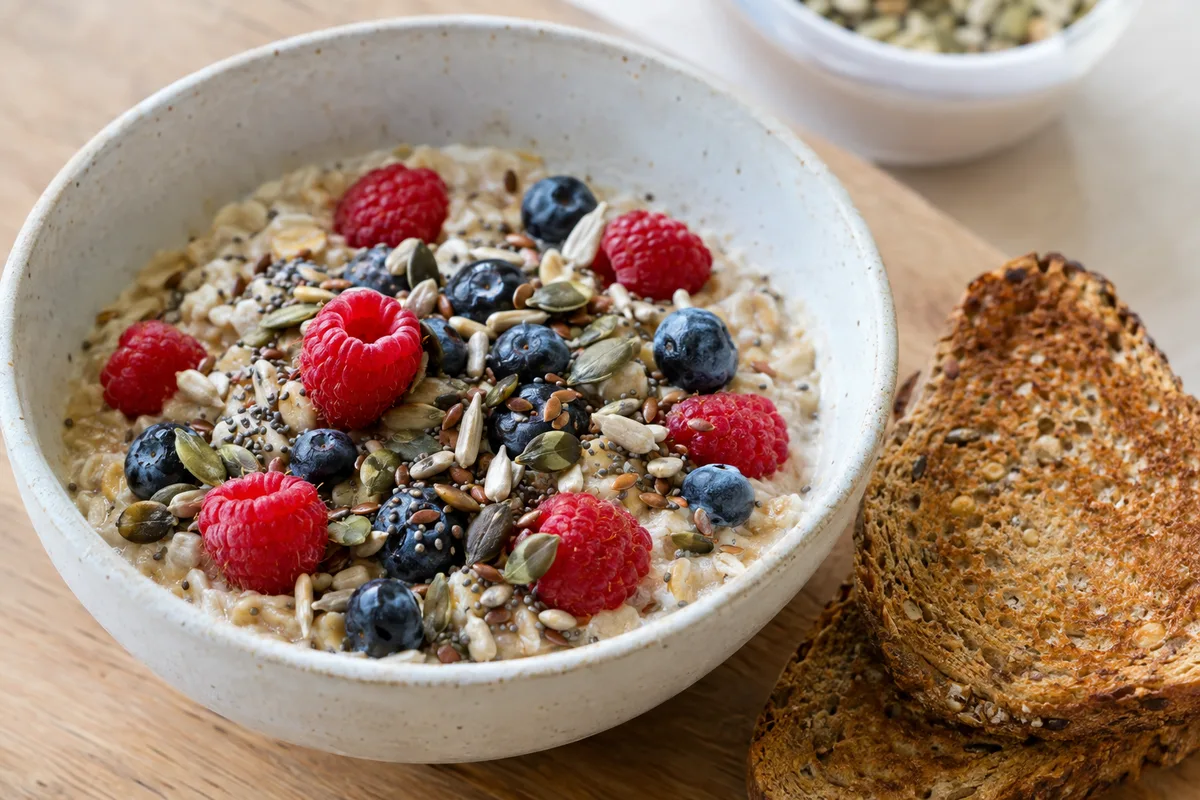
Can You Eat Too Much Metamucil?
Metamucil is a fibre supplement, and taking more does not always bring greater benefits. Here is how excess fibre can affect you, what to count in your food log and when to seek advice.
-
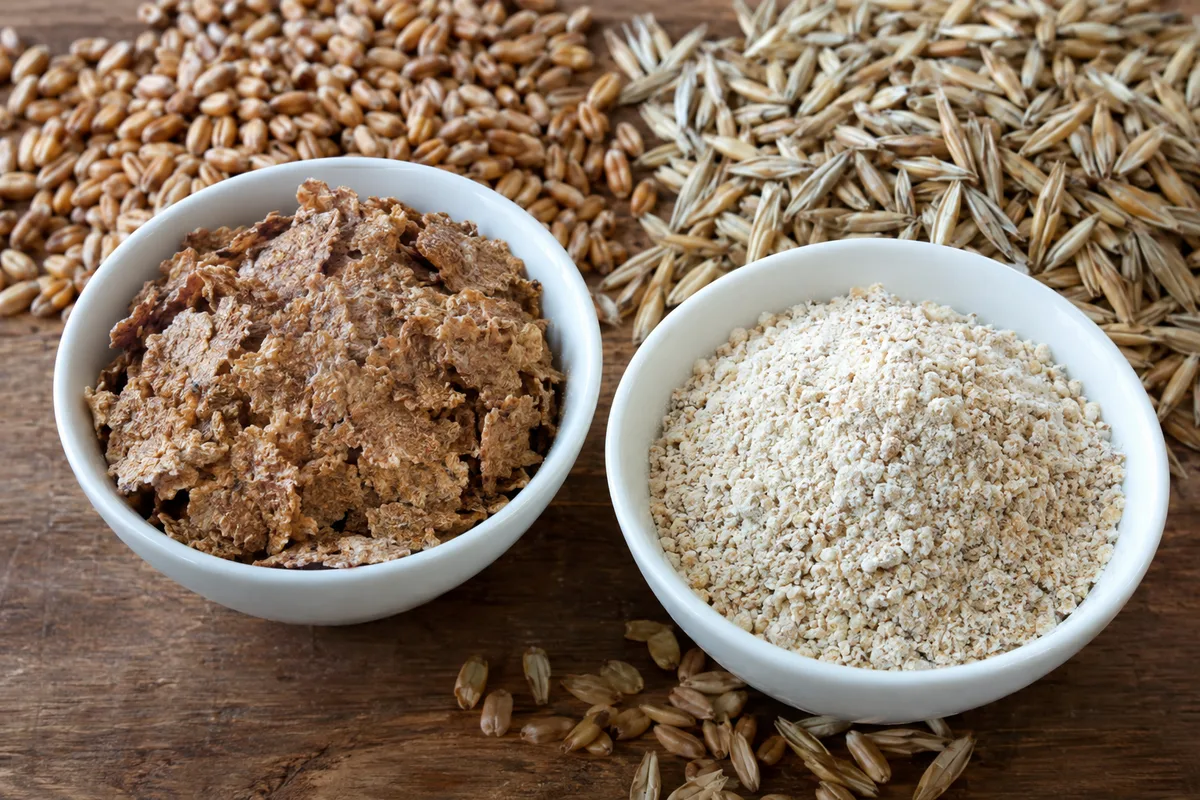
Wheat bran or oat bran: which fits your food diary?
Wheat bran and oat bran both add fibre, but they behave differently in food and in the body. This guide compares their main qualities and shows how to track them accurately.
-
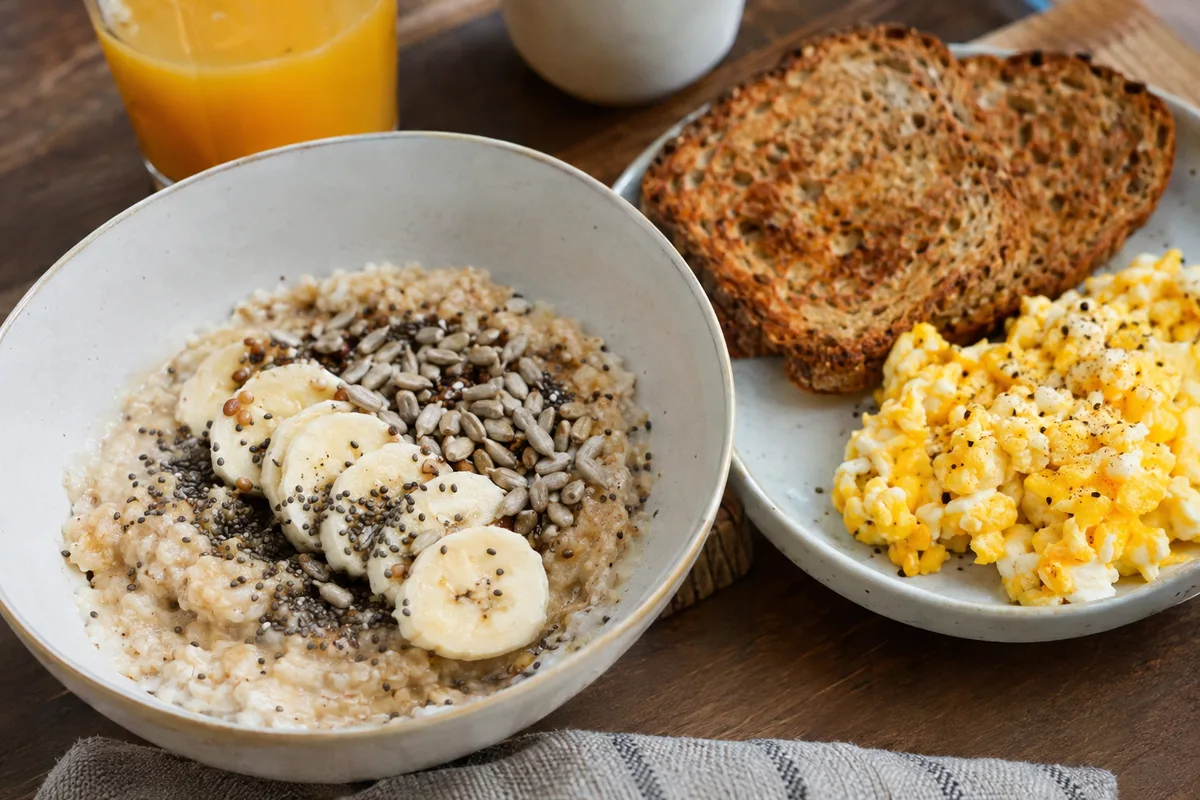
How to Eat for Half-Marathon Training and Race Day
Half-marathon fuelling is about matching food and drink to the work your body is doing. This guide explains what to track, how to practise your plan and what to eat around training and race day.