
The best foods to eat when you are constipated
Constipation can sometimes improve when you eat more fibre, drink enough fluid and keep meals varied. This guide explains which foods to try, how to add them gradually and what to notice in your food log.
How food can help with constipation
Fibre is the part of plant foods that your body does not fully break down. It can add bulk to stools, hold water and help food move through your gut. Different fibres work in different ways, so eating a mixture of plant foods is usually more useful than relying on one favourite.
A sudden jump in fibre can leave you feeling bloated or uncomfortable. Add higher-fibre foods gradually and notice how your body responds over several meals. Fibre also works best when you are drinking enough fluid.
Because you already track your food, look beyond calories and check the fibre information when it is available. Your log may reveal days when fruit, vegetables, pulses or wholegrains are missing. It can also help you connect changes in your routine with changes in your bowel habits.
Fruit that provides fibre and fluid
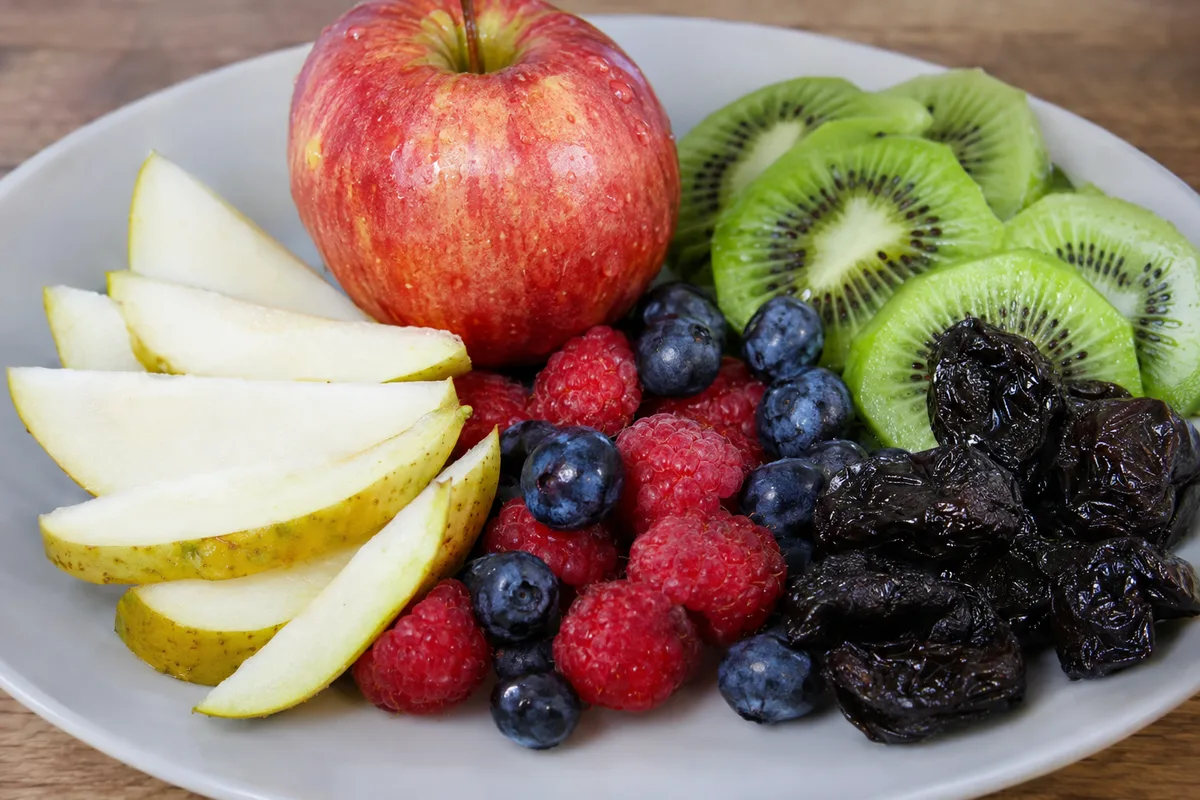
Fruit supplies fibre together with water, which can be a useful combination when stools feel hard or difficult to pass. Eating the skin where it is edible usually provides more fibre than removing it. Whole fruit also tends to contain more fibre than juice.
Pears, apples, berries, kiwis and citrus fruits are practical choices for meals or snacks. Prunes and other dried fruits are concentrated, so a small serving may be enough for some people. Choose fruits you enjoy and can eat regularly rather than forcing yourself to eat one particular option.
- Add berries or chopped pear to porridge
- Eat an apple with its skin as a snack
- Spoon prunes over plain yoghurt
- Add orange segments to a grain or leafy salad
Vegetables and pulses for everyday meals
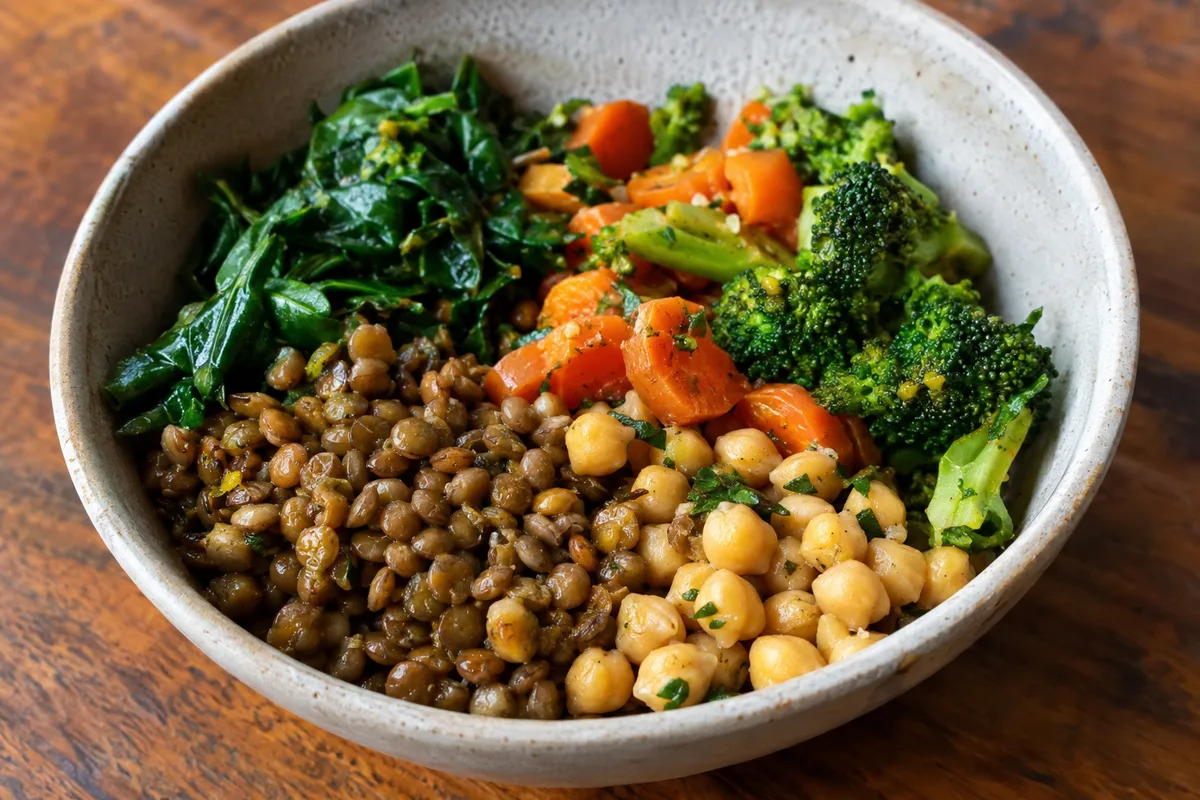
Vegetables add fibre, water, colour and texture without requiring a completely different way of eating. Peas, carrots, broccoli, leafy greens and sweet potato can all contribute. Fresh, frozen and tinned vegetables are useful, provided they suit your taste and routine.
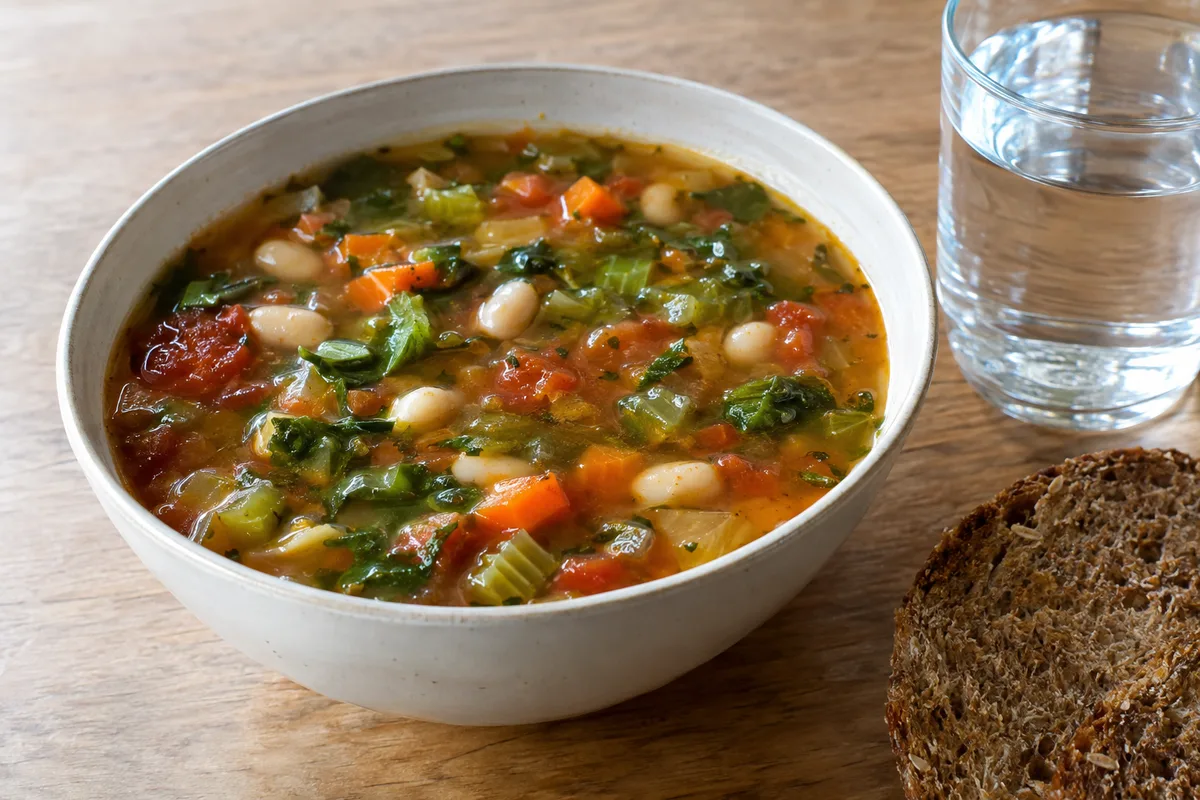
Beans, chickpeas and lentils are particularly fibre-rich and can make a meal more filling. If you do not eat them often, begin with a modest addition because a large change may cause wind or bloating. Rinsing tinned pulses can improve their taste and make them easy to add to familiar dishes.
- Stir lentils into soup or a tomato-based sauce
- Add chickpeas to a salad or tray of roasted vegetables
- Mix beans into rice, chilli-style dishes or stews
- Serve peas, broccoli or carrots alongside the main meal
Choose wholegrains more often
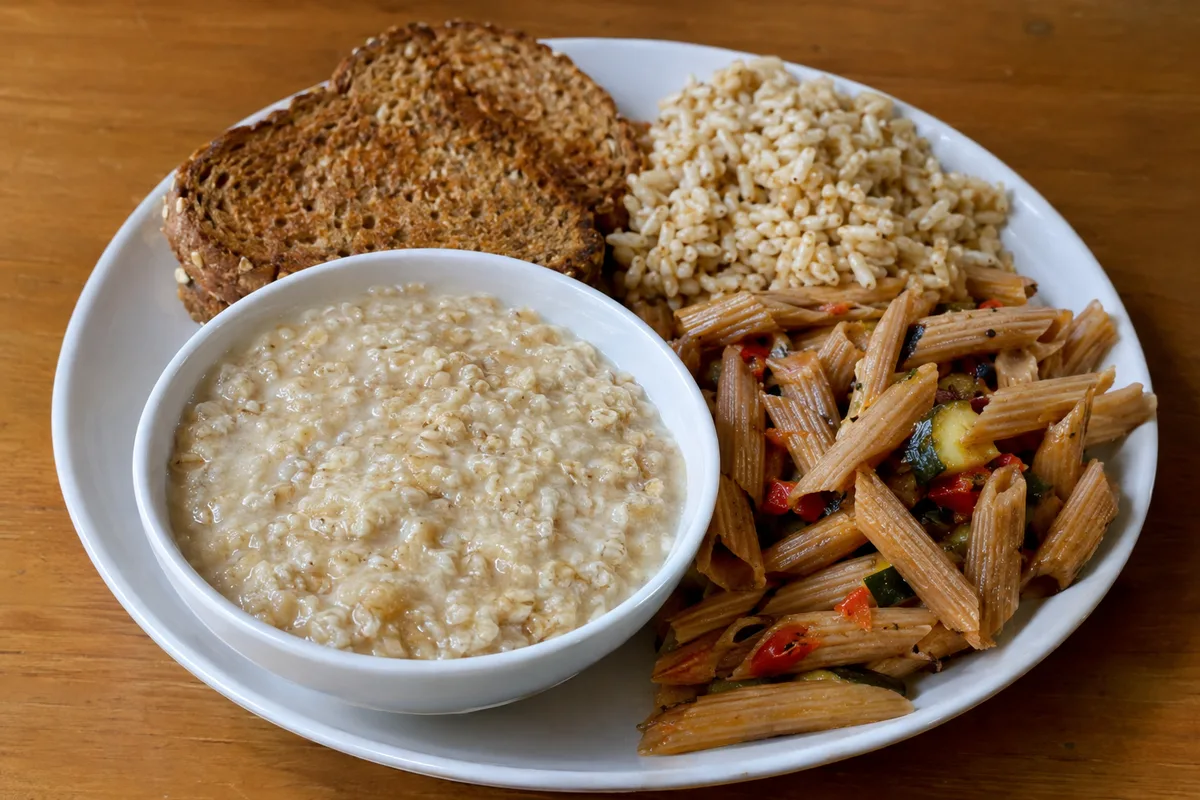
Wholegrains keep more of the grain than refined versions, so they generally provide more fibre. Oats, wholemeal bread, brown rice and wholewheat pasta can help raise your intake across the day. Check the label rather than relying only on a dark colour, as colour does not always show how much wholegrain a food contains.
You do not need to replace every grain at once. Try one change at a meal you already track, then see how it affects comfort, fullness and bowel habits. Cooking method and serving size can change the logged nutrition, so record foods as cooked or dry according to the entry you use.
- Choose porridge or overnight oats at breakfast
- Use wholemeal bread for toast or sandwiches
- Swap some white rice for brown rice
- Try wholewheat pasta with a vegetable and pulse sauce
Seeds, nuts and foods that hold water
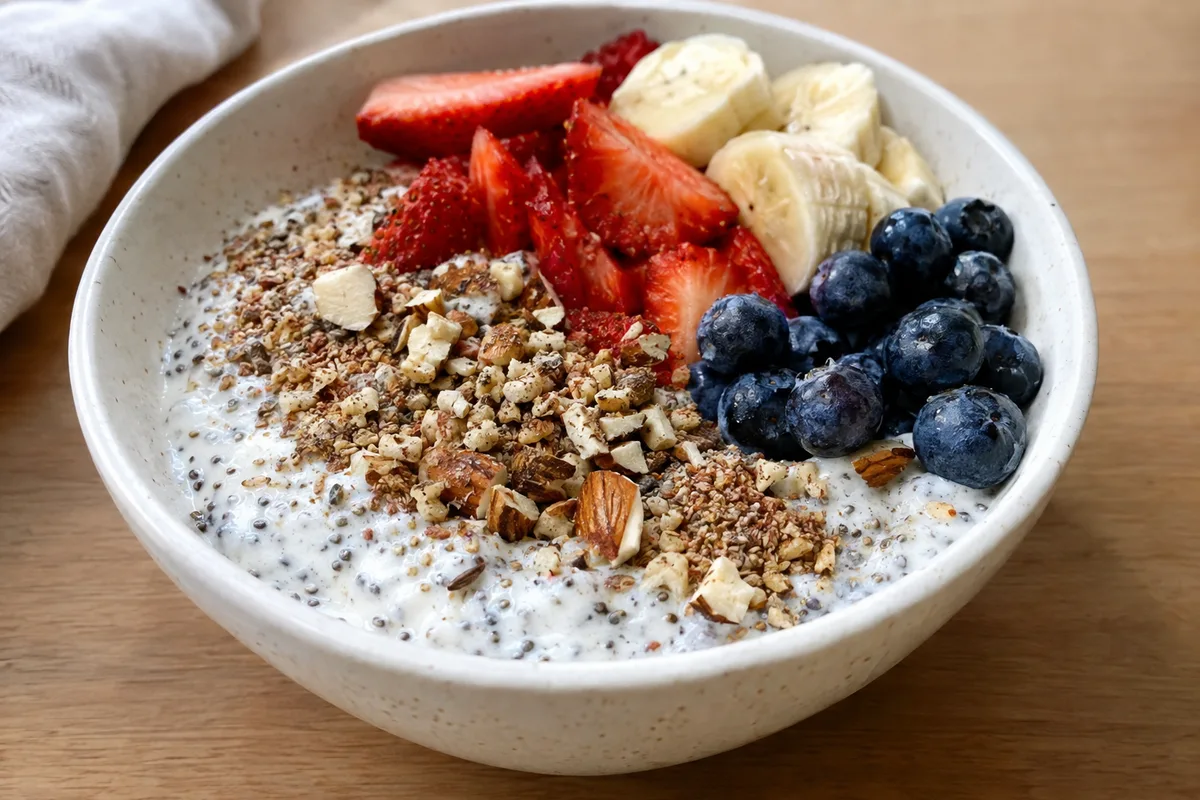
Chia seeds and ground linseeds absorb fluid and form a soft gel-like texture. This can help add moisture and bulk to stools, but they should be eaten with enough fluid. Add them gradually rather than making a large change in one day.
Nuts also provide fibre and can be added to porridge, yoghurt or salads. Nut and seed portions are easy to underestimate when tracking because they are energy-dense, so record the amount you actually use. Their energy content does not make them unsuitable, but it may affect how they fit into your usual intake.
- Stir chia seeds into yoghurt with fruit
- Mix ground linseeds into porridge
- Sprinkle chopped nuts over a fruit bowl
- Add seeds to a salad or cooked vegetables
Fluids, routine and what to track
More fibre without enough fluid may make stools harder for some people. Water, milk and other everyday drinks all contribute to fluid intake, while soups and water-rich foods contribute too. The amount you need depends on your body, activity, surroundings and the rest of your diet.
Use your log to note fibre-rich foods, drinks and the timing of meals. You may also find it useful to record whether stools were hard, comfortable or loose, without trying to assign a perfect score. Patterns matter more than judging a single day.
Regular meals and everyday movement can support a steady bowel routine. Try not to ignore the urge to pass a stool when it appears. If constipation continues, becomes severe or concerns you, seek guidance from a qualified healthcare professional.
- Increase fibre in small steps
- Include a drink with meals
- Keep fruit, vegetables, pulses and wholegrains varied
- Review patterns across several days rather than one meal