
Can lifting weights help you lose belly fat?
Weight training can help change your body composition, including the amount of fat around your middle. This article explains what lifting can and cannot do, and how to combine it with the food tracking you already do.
Lifting helps, but it cannot target belly fat
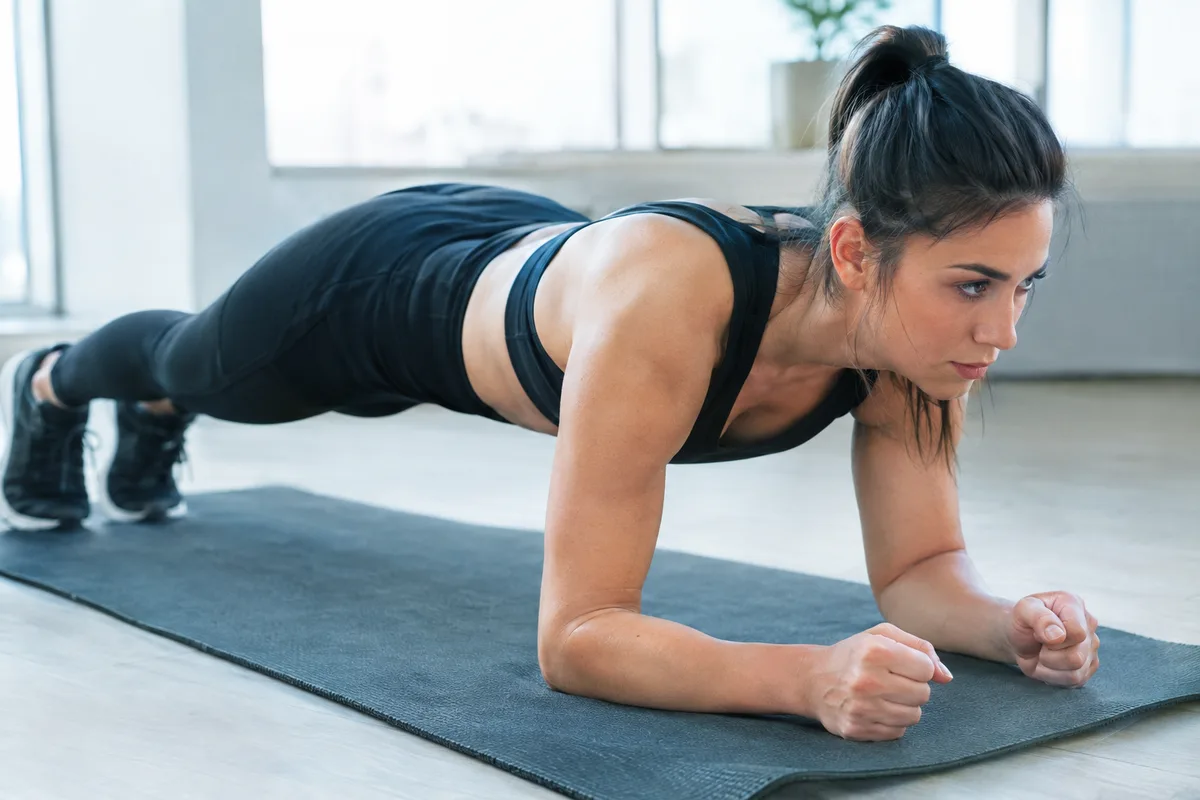
Exercises for your stomach can strengthen the muscles underneath, but they do not tell your body where to remove fat. Your body decides where stored fat comes from, and that pattern depends on factors such as genetics, age and your current body composition. This means lifting weights may help your waist become smaller over time, but it cannot guarantee that your stomach changes first.
Fat loss happens across the body when you use more energy than you take in over time. Because you already track your food, you can compare your usual intake with changes in your weight, waist measurement, strength and how your clothes fit. Day-to-day changes can be misleading, so focus on the broader pattern rather than one reading.
- Train your stomach for strength, posture and control
- Train your whole body rather than only your middle
- Use more than one way to track progress
- Expect the order of fat loss to vary from person to person
Why weight training can support fat loss
Lifting weights makes your muscles work against resistance. As you become stronger, you may maintain or build muscle while reducing body fat. This can change your shape even when progress on the scale is slow.
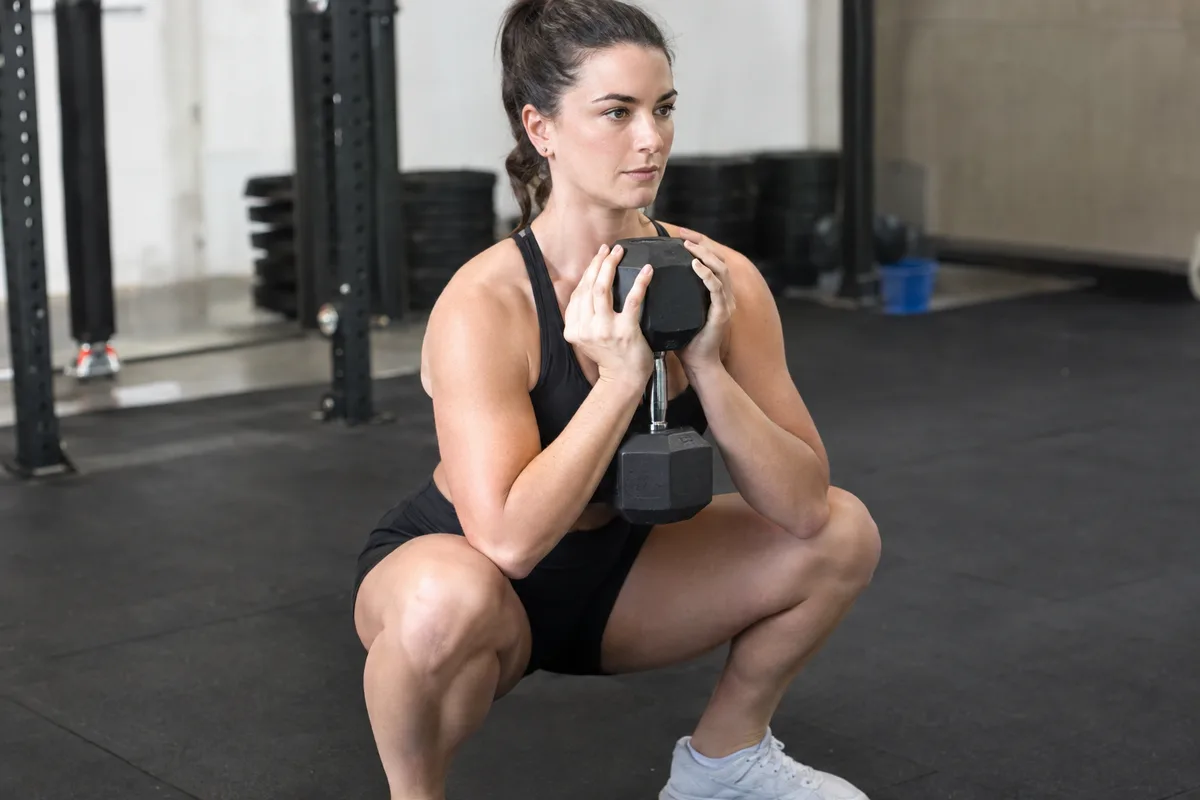
A lifting session also uses energy, although the amount depends on the exercises, effort, rest periods, session length and your body. Weight training should not be treated as a way to cancel out food. Its main value is helping you become stronger and supporting muscle while your overall eating pattern creates a manageable energy shortfall.
- Squat or lunge patterns for the legs
- Hinge patterns for the hips and back of the legs
- Pushing movements for the chest, shoulders and arms
- Pulling movements for the back and arms
- Carrying or bracing movements for whole-body control
Use your food log to find a sustainable shortfall
If your tracked intake is roughly matching the energy you use, lifting alone may not lead to noticeable fat loss. Review your log for foods and drinks that add plenty of energy without keeping you satisfied for long. Small changes that you can repeat are usually easier to judge than a severe cut.
Keep portions and logging methods reasonably consistent so that your comparisons are useful. Include cooking oils, dressings, drinks and small bites if they are part of your day, without aiming for impossible precision. The right intake depends on the person, so use your own longer-term trend rather than copying someone else's target.
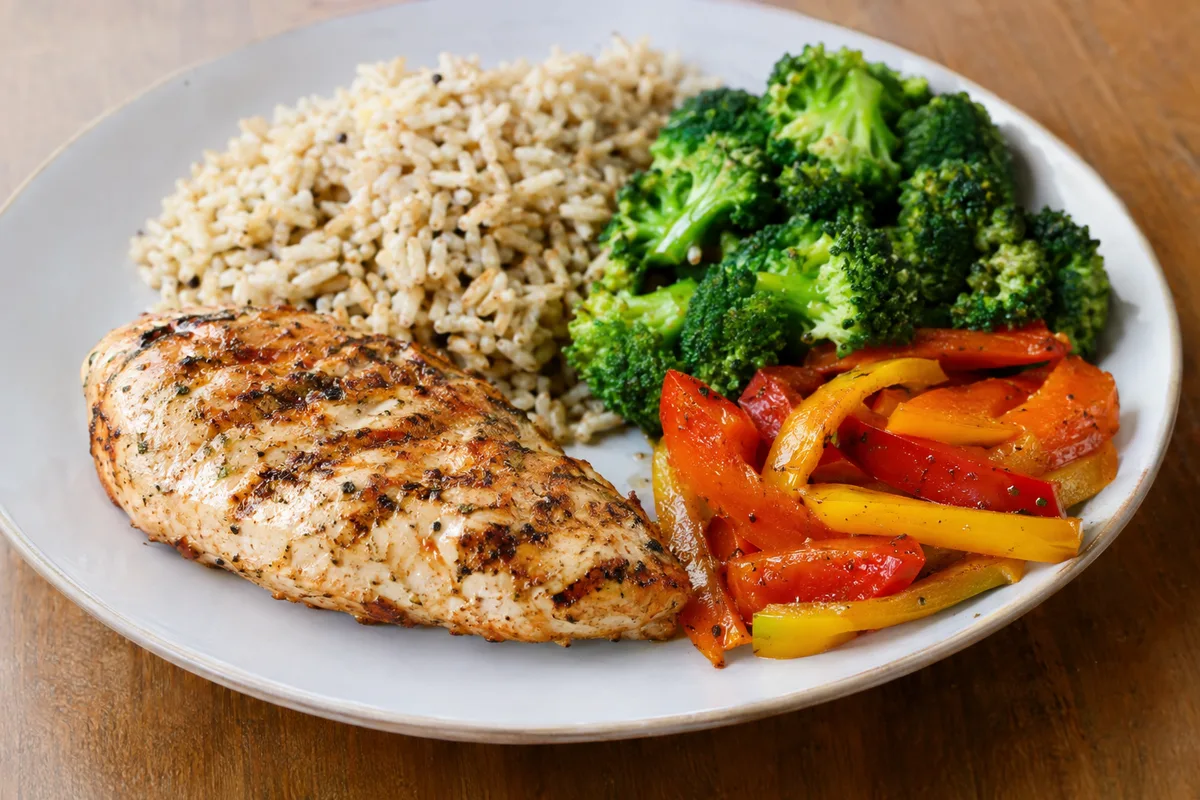
Protein, carbohydrate and fat can all fit into a fat-loss eating pattern. Protein supports muscle repair, carbohydrate can fuel training, and dietary fat adds flavour and helps make meals satisfying. A practical meal usually combines a protein source, fibre-rich plants and an amount of carbohydrate or fat that suits your appetite and activity.
- Choose a clear protein source at meals
- Add vegetables, fruit, beans or wholegrains for fibre
- Measure energy-dense extras consistently
- Plan satisfying meals rather than saving most food for late hunger
Build a balanced lifting routine
A useful routine trains the major muscle groups and gives them time to recover. The best number of sessions depends on your experience, schedule, recovery and other activity. Start with a workload you can repeat consistently rather than a demanding plan that leaves you unable to train well next time.
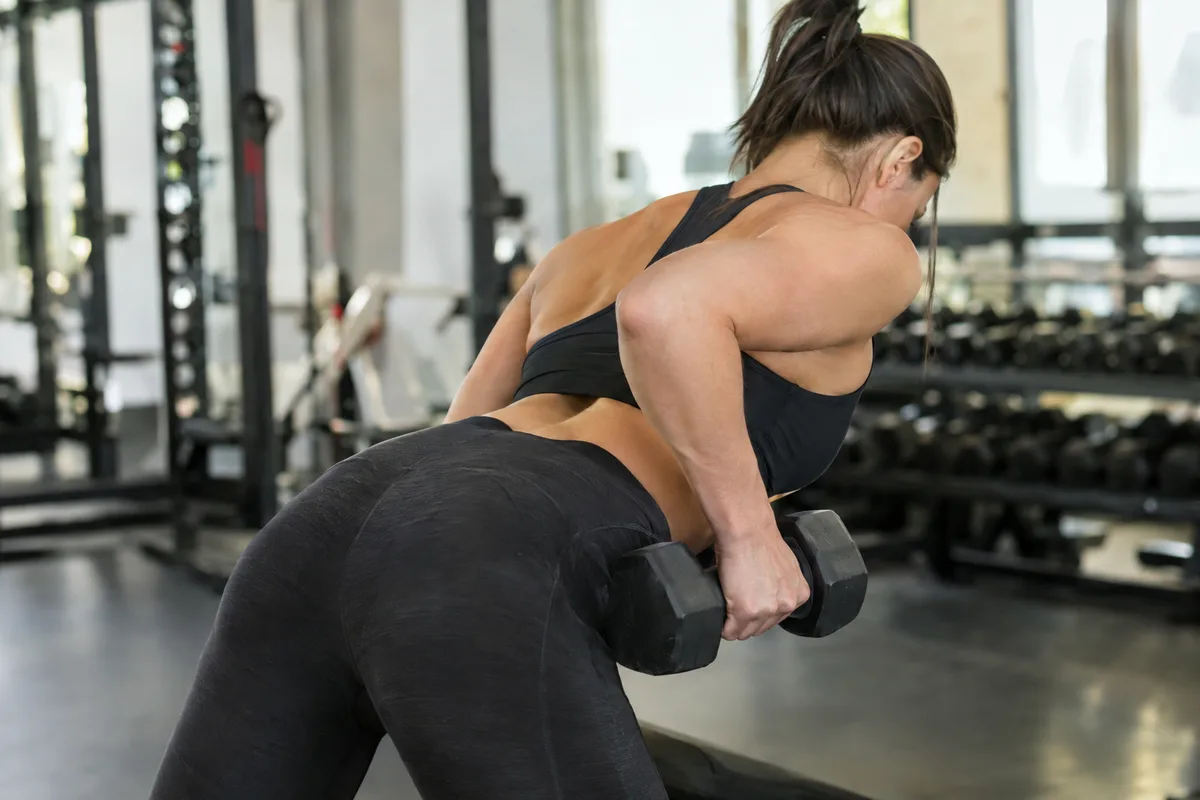
Use movements that feel stable and allow you to control the weight. Over time, progress by adding a little resistance, performing the movement with better control, or completing more good-quality work. Change one part at a time so you can see how your body responds.
Good technique matters more than rushing towards heavier weights. Stop a set when your form breaks down, and choose a variation that suits your current ability. If you are unsure about a movement, guidance from a qualified exercise professional can help you learn it safely.
- Warm up with easier versions of the movements you plan to use
- Train the legs, hips, back, chest, shoulders and arms
- Record exercises, resistance and completed work
- Allow recovery before training the same muscles hard again
Include abdominal work for strength, not spot reduction
Direct abdominal exercises can improve your ability to brace, bend, rotate and resist movement. They may also help the muscles look more defined if the layer of fat over them decreases. They do not burn the nearby fat in isolation.
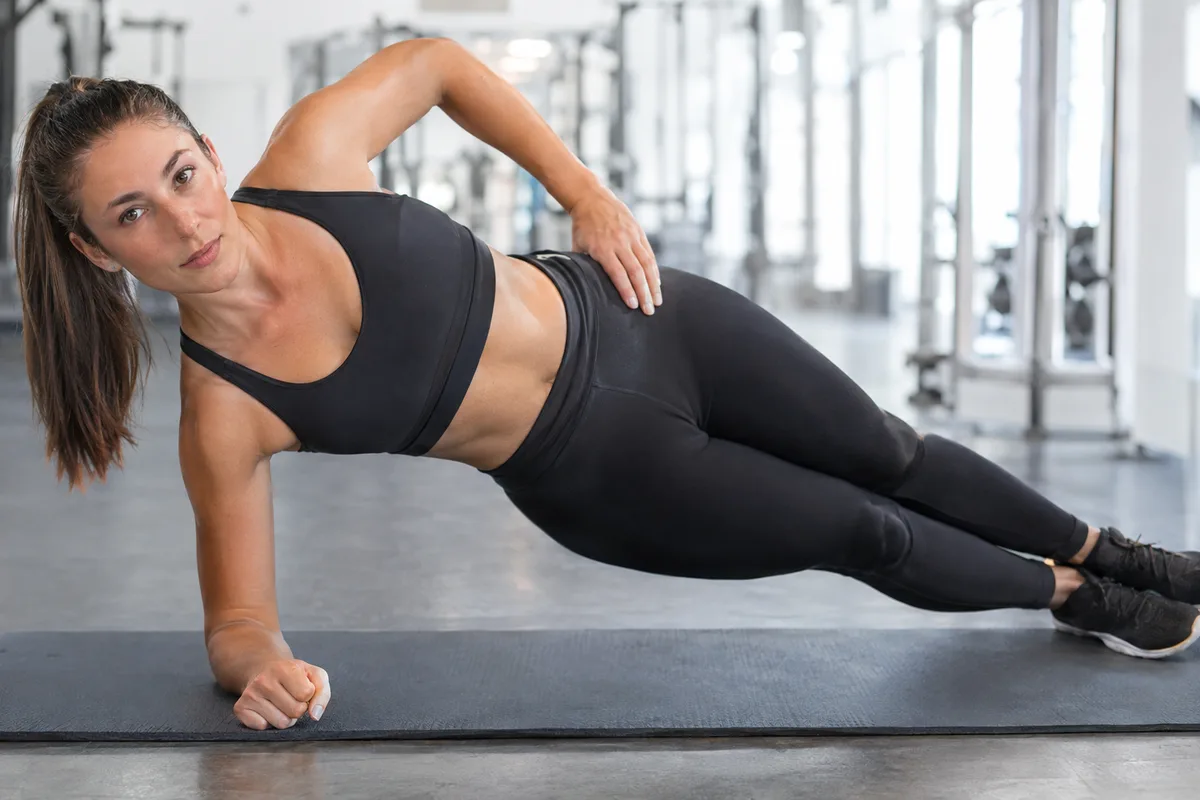
Choose abdominal movements that you can perform without holding your breath or losing control. Think about keeping your ribs and pelvis steady rather than chasing a strong burning feeling. The amount of abdominal work you need depends on the rest of your programme, because many compound lifts already require your middle to brace.
- Dead bug variations for controlled bracing
- Side plank variations for resisting sideways movement
- Bird dog variations for trunk and hip control
- Controlled carries for bracing while moving
Judge progress beyond the scale
Body weight can move up or down because of food in the digestive system, stored carbohydrate, fluid and normal daily variation. A single weigh-in cannot show whether belly fat has changed. Compare measurements taken under similar conditions and look at the direction over time.
Waist measurements, progress photographs, clothing fit and gym performance can add useful context. Strength may improve before your waist changes noticeably, especially when you are new to lifting. If none of your measures changes over an extended period, review the consistency of your intake and activity before making a small adjustment.
Sleep, stress and recovery also affect appetite and training quality. A plan that leaves you constantly tired or hungry is less likely to be sustainable. The aim is a repeatable routine that supports gradual overall fat loss while helping you keep or build strength.
- Review trends rather than isolated readings
- Take waist measurements in the same place each time
- Note how the same clothes fit
- Track strength and movement quality
- Adjust only after giving the routine time to show a pattern