
Notes on eating well
Practical notes on eating, training and keeping track.
-

The potato diet: how it works, its pros and its drawbacks
The potato diet usually means eating potatoes as the main or only food for a short period. This guide explains the common rules, what may affect your food log, and why a balanced approach is easier to maintain.
-
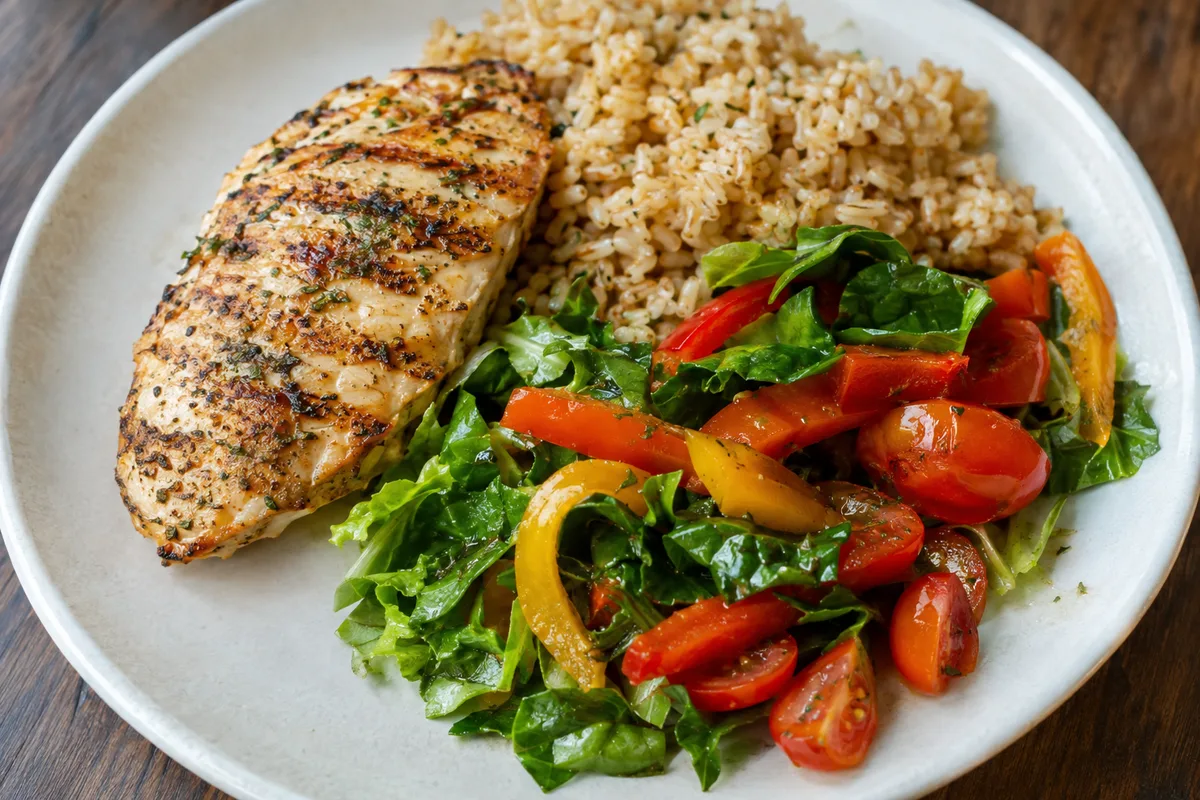
How to Reduce Back Fat with a Sustainable Routine
Back fat changes as part of overall body fat loss, rather than through exercises for one area. This guide explains how to use your food log, plan satisfying meals and build a practical movement routine.
-
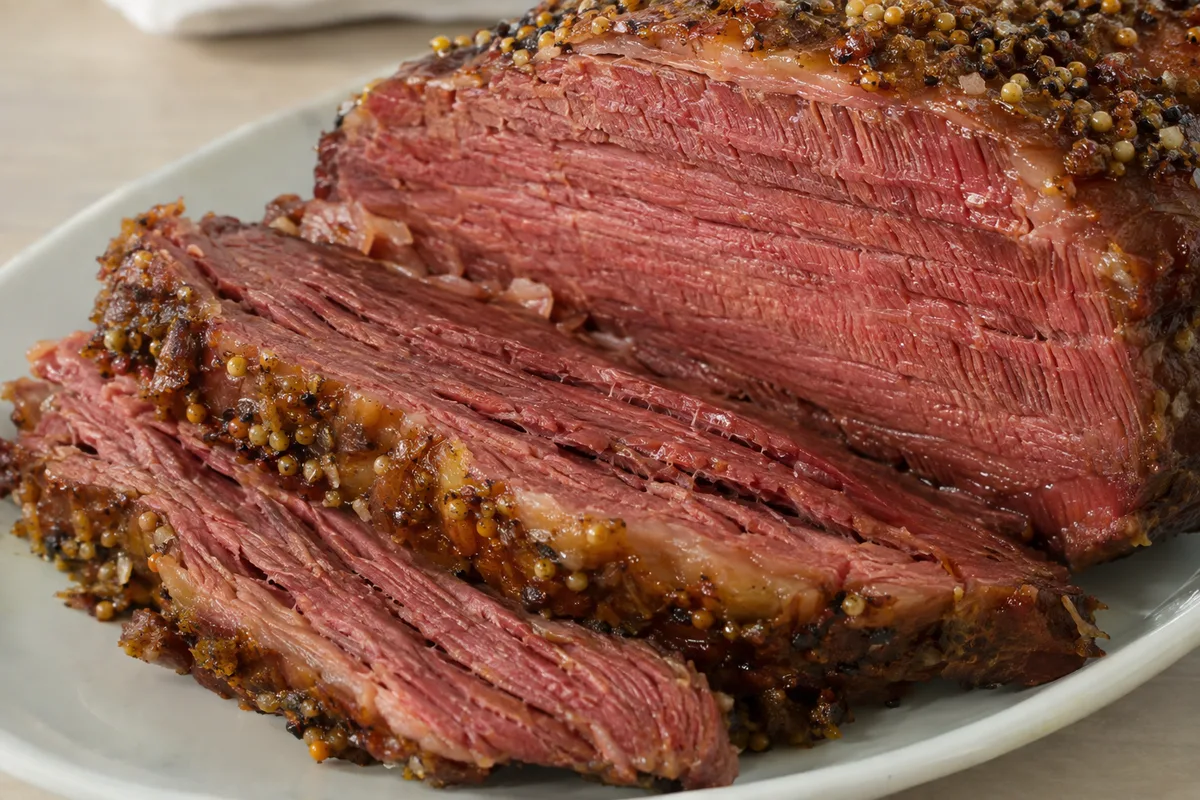
How to Slice Corned Beef Against the Grain
The grain is the direction in which the meat fibres run, and cutting across those fibres makes corned beef easier to chew. This guide explains how to spot that direction, position the joint and cut slices suited to your meal.
-
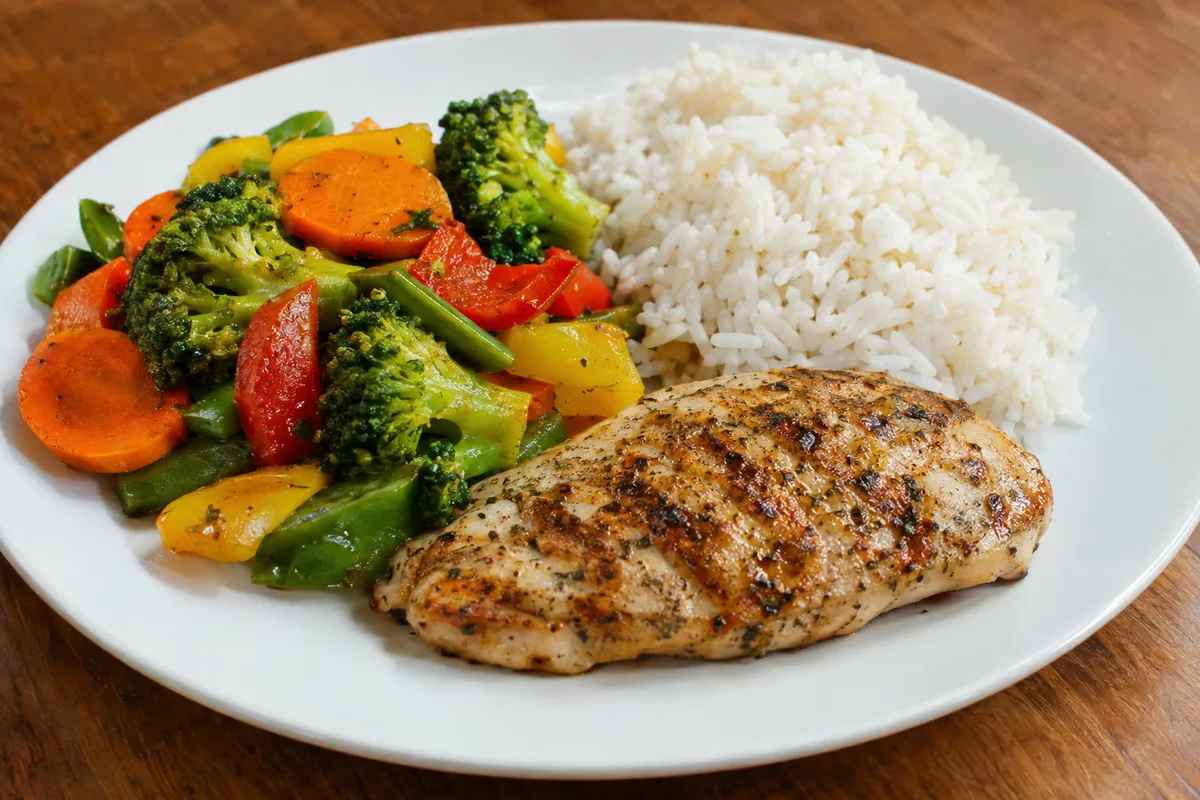
Is Uncle Ben’s rice healthy? What to check before you log it
Rice can provide useful carbohydrate, while wholegrain varieties also add fibre. This guide explains how to compare Uncle Ben’s rice products, log them accurately and build a balanced meal around them.
-
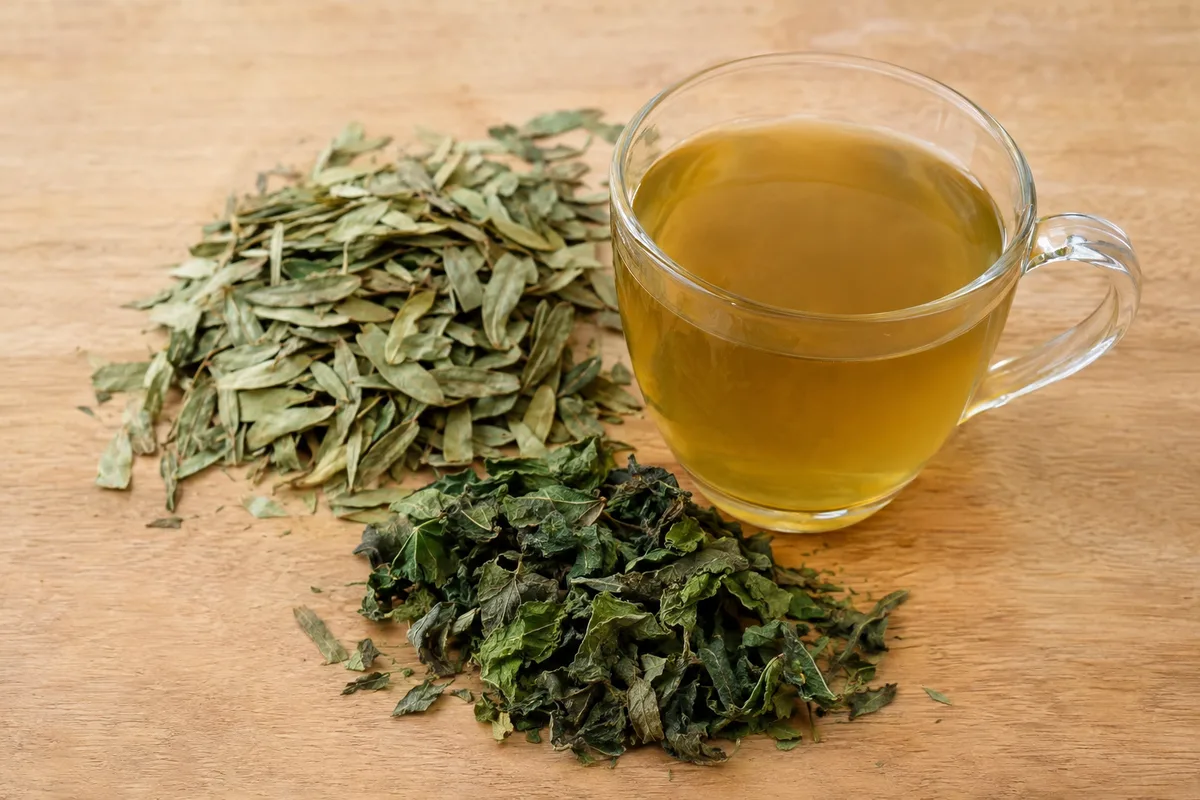
Ballerina Tea: What It Does, Possible Benefits and Side Effects
Ballerina tea is promoted as a slimming drink, but its main effect is to stimulate bowel movements rather than reduce body fat. This guide explains its ingredients, possible short-term effects, side effects and how to record it honestly.
-

How to choose the best casein protein for your routine
The best casein protein is one that suits your food tracking, taste and daily routine. This guide explains the main types, what to check on a label and when casein may be useful.
-
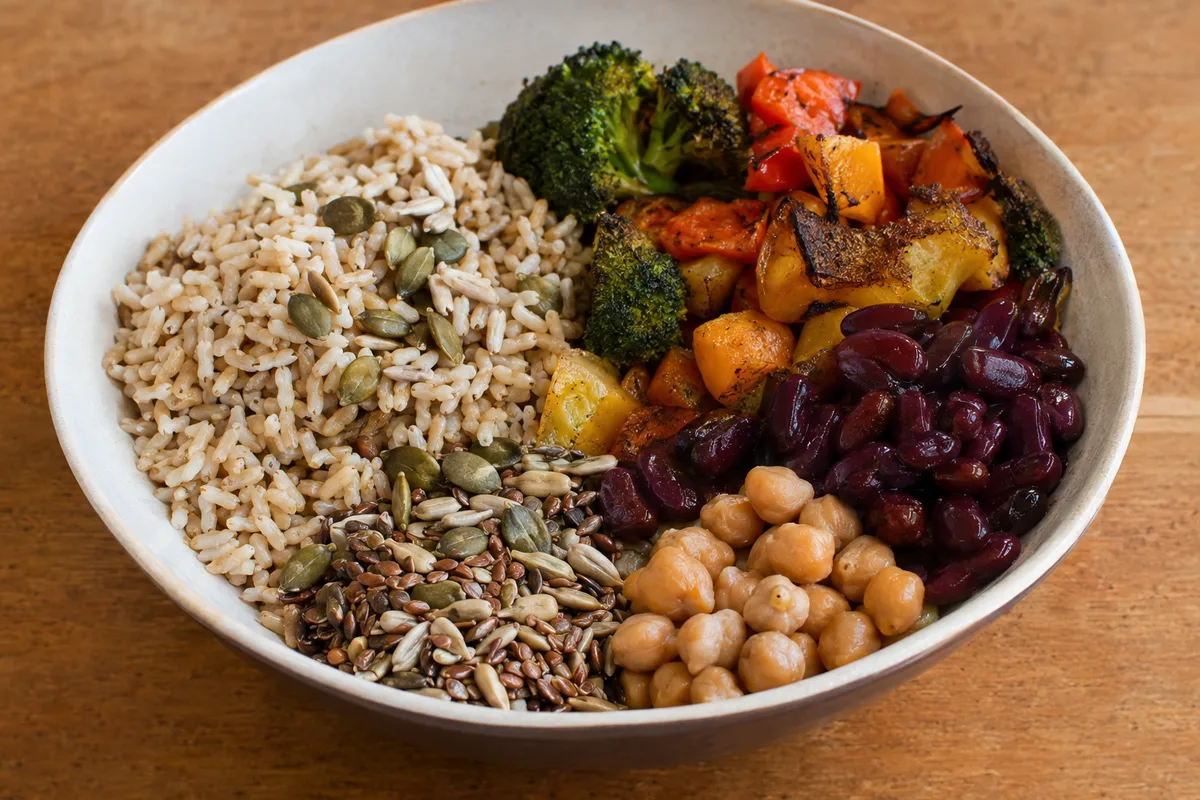
What Are Net Carbs, and Should You Track Them?
Net carbs aim to show the carbohydrates that are digested and absorbed rather than passing through largely unchanged. Here is how they are calculated, where the idea is useful and why UK food labels need careful reading.
-
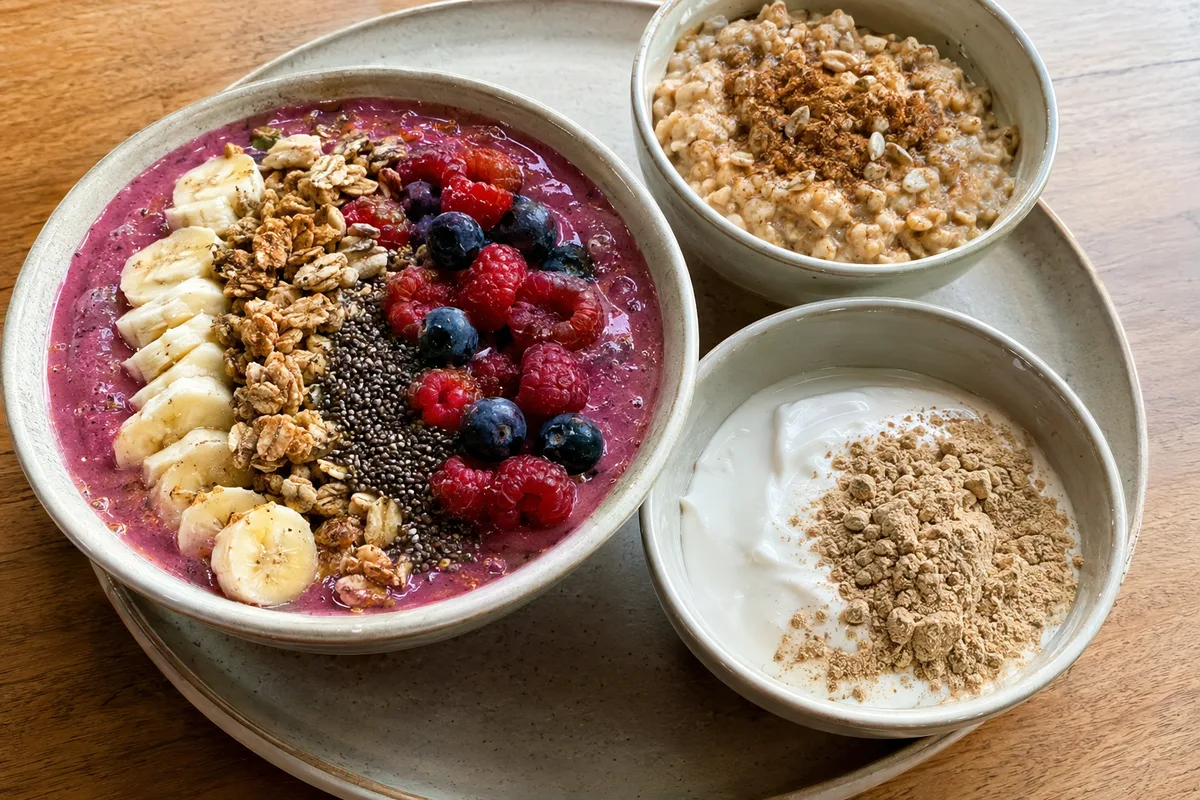
How to choose the best vegan protein powder for you
There is no single vegan protein powder that is best for everyone. This guide explains the main types, what to check on the label and how to log a serving accurately.
-

The best pre-workout drinks for your routine
The best pre-workout drink is one that suits your session, appetite and usual eating pattern. This guide compares water, caffeinated drinks, carbohydrate options and electrolyte drinks, with practical tips for tracking what works.
-
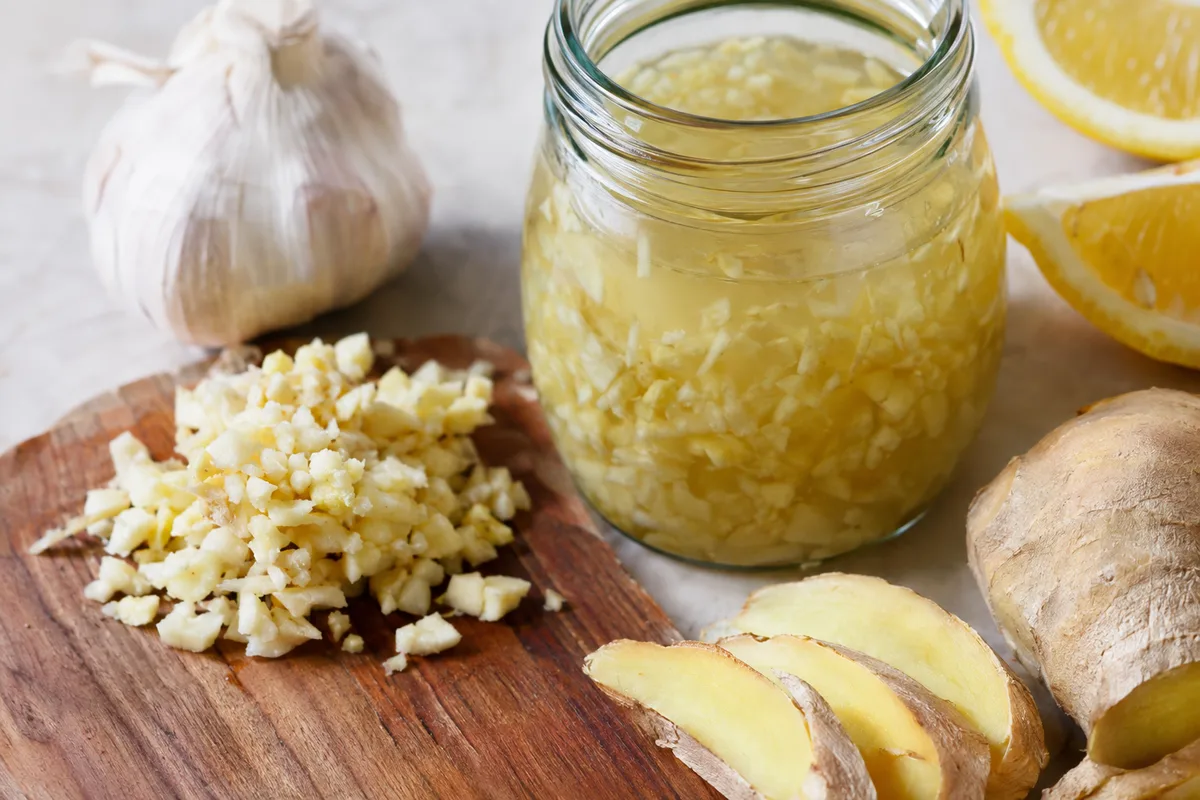
Garlic tea: possible benefits, side effects and what to track
Garlic tea is usually made by steeping crushed or sliced garlic in hot water, sometimes with lemon, ginger or honey. This guide explains what the drink may offer, where the evidence is limited and what to consider when logging it.
-
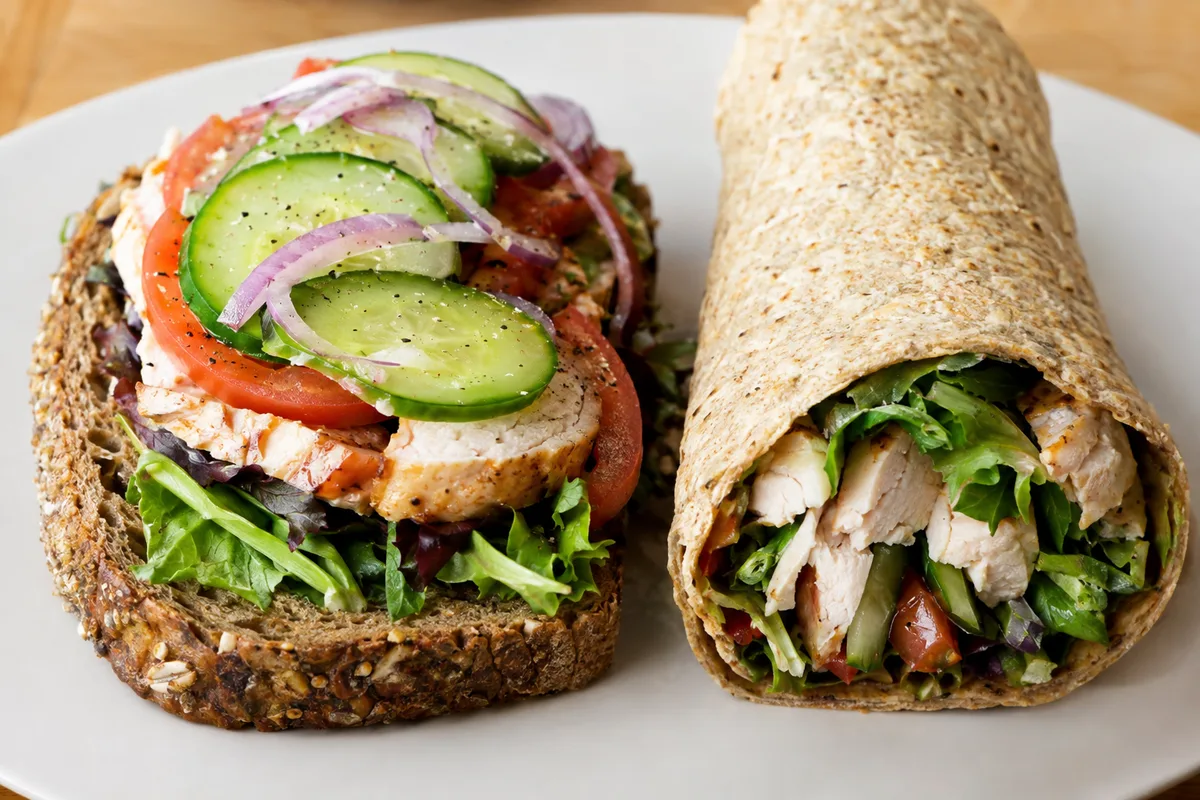
Are Wraps Healthier Than Bread? It Depends on What You Choose
A wrap can look lighter than a sandwich, but appearance does not reveal its energy, fibre or salt content. Here is how to compare wraps and bread while keeping your food log useful.
-

Possible signs you may not be getting enough protein
Protein supports muscles, skin, hair, recovery and many everyday processes in the body. This guide explains possible signs of a shortfall, why they are not proof on their own, and what to look for in your food diary.
-
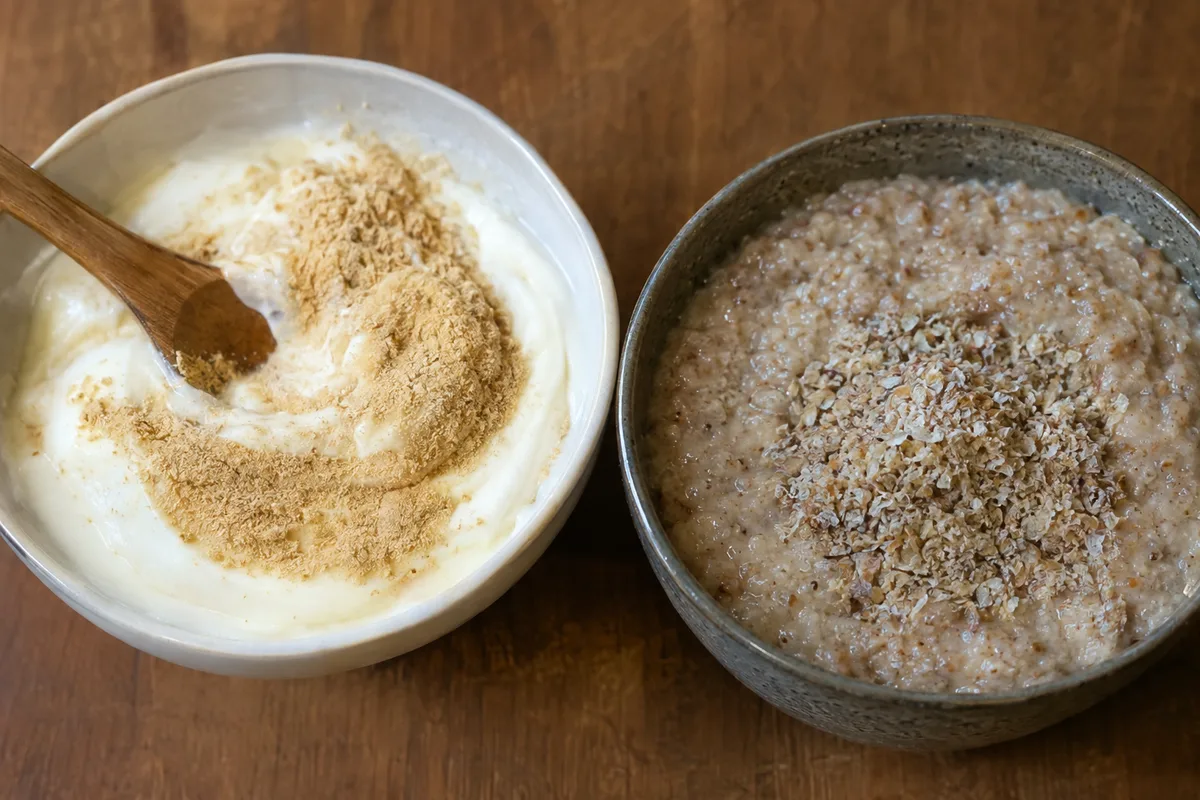
Acacia fibre or psyllium: which fits your food diary?
Acacia fibre and psyllium are both sources of soluble fibre, but they behave differently in food and in the gut. This guide compares their texture, everyday uses and what to note when tracking your intake.
-
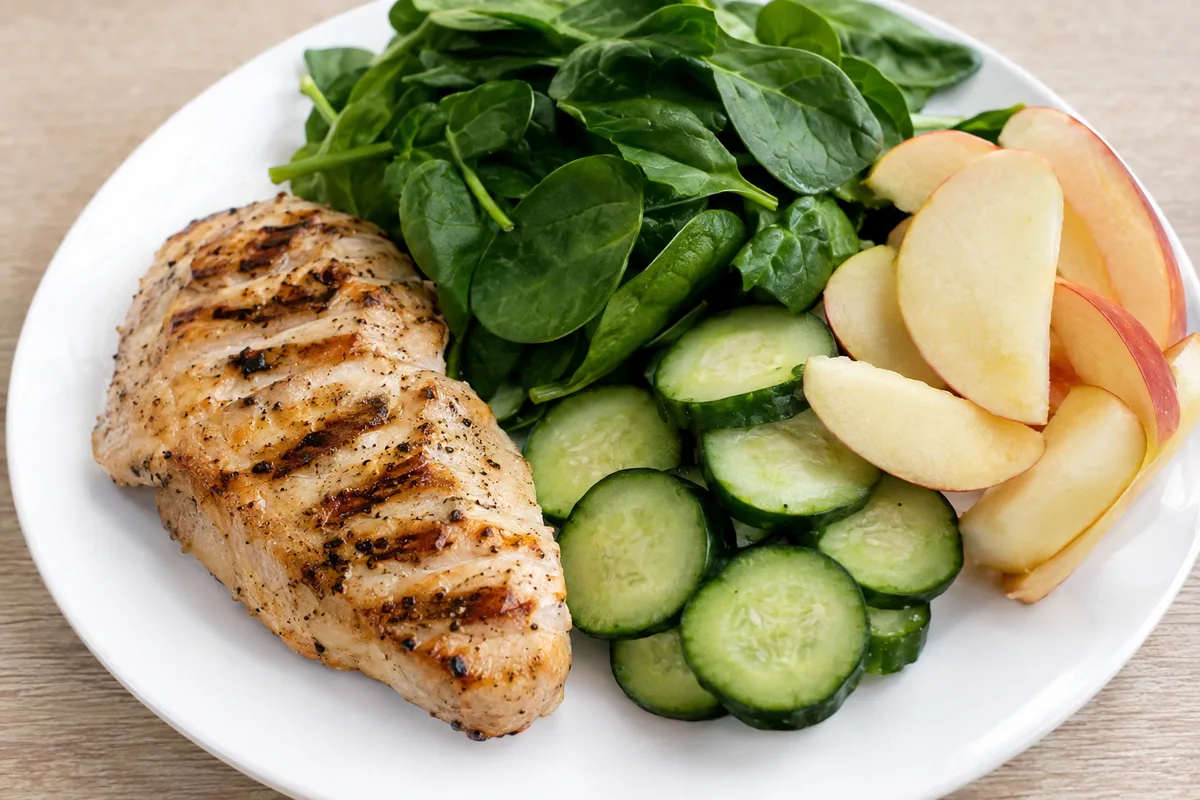
The HCG diet: what food tracking reveals
The HCG diet combines a highly restricted eating plan with a hormone product. This guide explains where any weight change may come from, what your food diary can reveal and why the plan deserves caution.
-
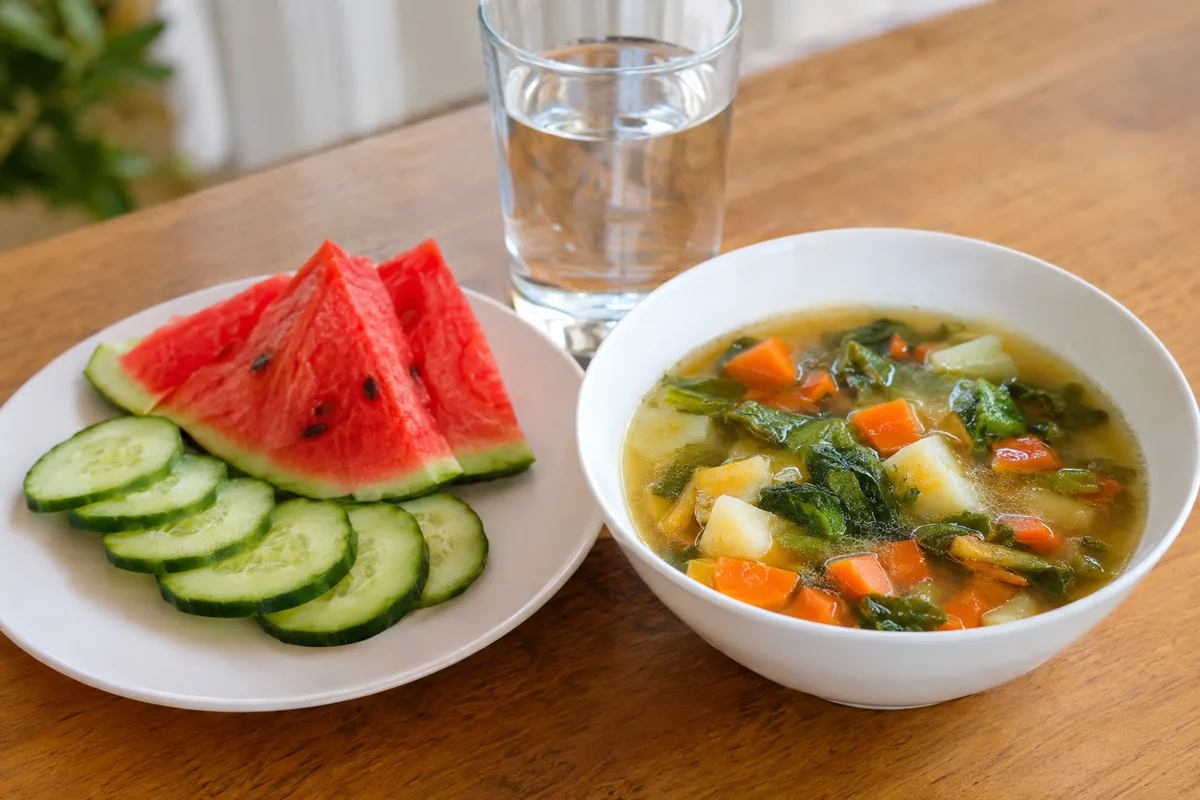
How to Set a Daily Water Target While Losing Weight
There is no single water formula that suits every body or every day. This guide explains how to build a personal target, track it and adjust it without treating water as a weight-loss shortcut.
-

How to choose wine with less sugar and fewer calories
Low-sugar wine is not automatically low in calories because alcohol also supplies energy. This guide explains what to check, how to compare wines and how to log a serving more accurately.
-

The hormone reset diet: what it means, the pros and cons, and what you can eat
Hormone reset diets claim that changing what you eat can bring hormones back into balance, but there is no single agreed version of the plan. This guide explains the usual rules, what may be useful and how to make sensible choices while tracking your food.
-
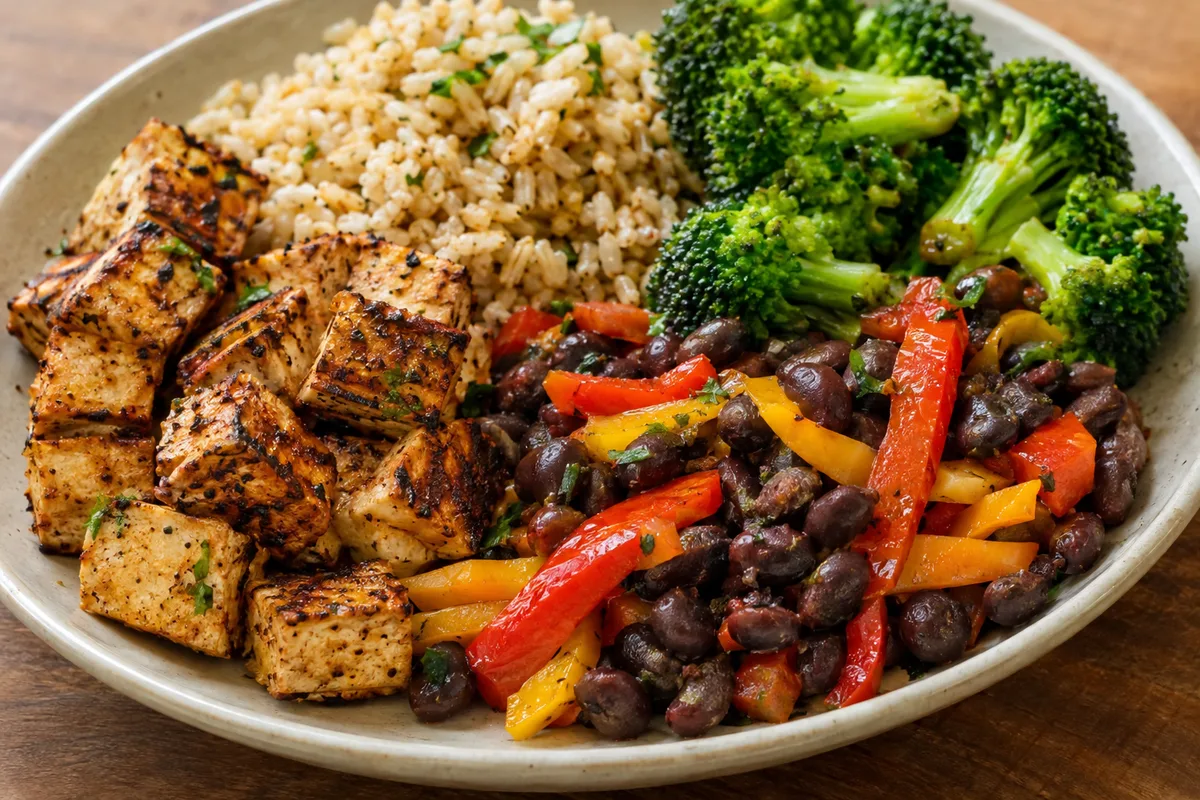
Body Recomposition: Losing Fat While Building Muscle
Body recomposition means gradually reducing body fat while building or maintaining muscle. This guide explains how to adjust your food log, training and progress checks without chasing extreme targets.
-
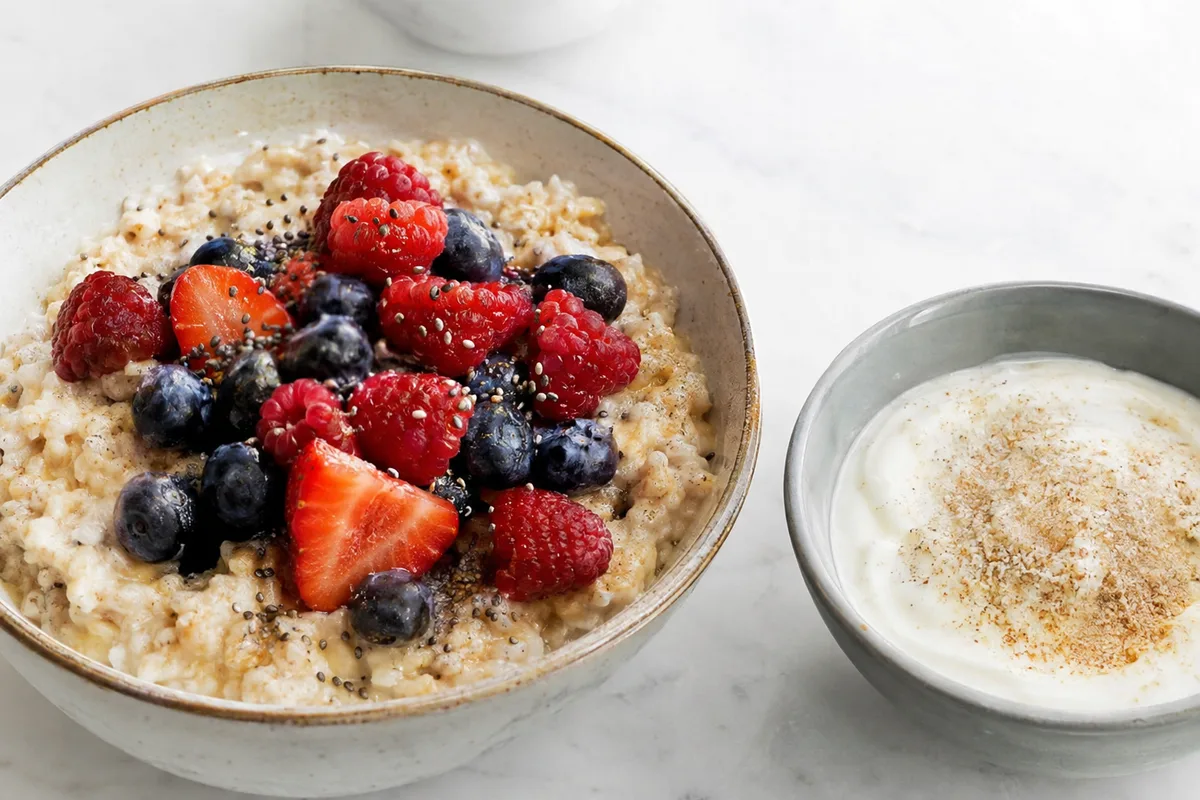
Acacia fibre: what it can add to your food diary
Acacia fibre is a soluble fibre that can be mixed into everyday food and drink. This guide explains its possible benefits, what to record and how to introduce it gradually.
-

Active vs Resting Calories: What the Numbers Mean
Your body uses energy both while resting and while moving, but tracking tools may present these calories in different ways. This guide explains the difference and shows how to compare the numbers with what you eat without double-counting activity.