
Which Starbucks Products Are Gluten Free?
Some simple Starbucks drinks are made without obvious gluten ingredients, while flavoured drinks and food need closer checking. This guide explains what may be suitable, what to verify and how to order clearly.
Start with the difference between ingredients and preparation
A product can have no gluten-containing ingredients but still be prepared near products that do. At Starbucks, shared counters, utensils, blenders, ovens and storage areas may allow crumbs or traces to move between orders. This means an ingredient list alone may not answer every concern.

Recipes, suppliers and menus can also vary by country and change over time. A drink or snack that appears suitable in one branch or season may have a different recipe elsewhere. Check the current ingredient and allergen information for your location each time it matters to you.
- Look for current allergen information from Starbucks in your country.
- Check the full recipe, including syrup, sauce, topping and milk choice.
- Ask whether shared utensils or preparation areas are used.
- Choose sealed food with a clear gluten-free label when you need greater certainty.
Plain coffee and espresso drinks are the simplest choices
Plain brewed coffee and espresso do not usually contain gluten ingredients. An Americano is espresso with water, while a plain latte or cappuccino adds milk. These short ingredient lists make them easier to check than drinks containing several flavourings and toppings.

Milk does not naturally contain gluten, but alternative drinks can have different ingredients and manufacturing arrangements. Ask to see the carton or current allergen details rather than relying on the general name of the milk. Steam wands and jugs may also be shared between different milk choices.
- Brewed coffee without added flavouring
- Espresso
- Americano
- Plain latte
- Plain cappuccino
Tea and cold drinks still need a recipe check
A plain brewed tea made from a tea bag and water may be a straightforward option. Iced tea can be more complicated if it contains a sweetened base, lemonade, syrup or another prepared mixture. Ask what goes into the exact drink rather than assuming all tea-based drinks are the same.
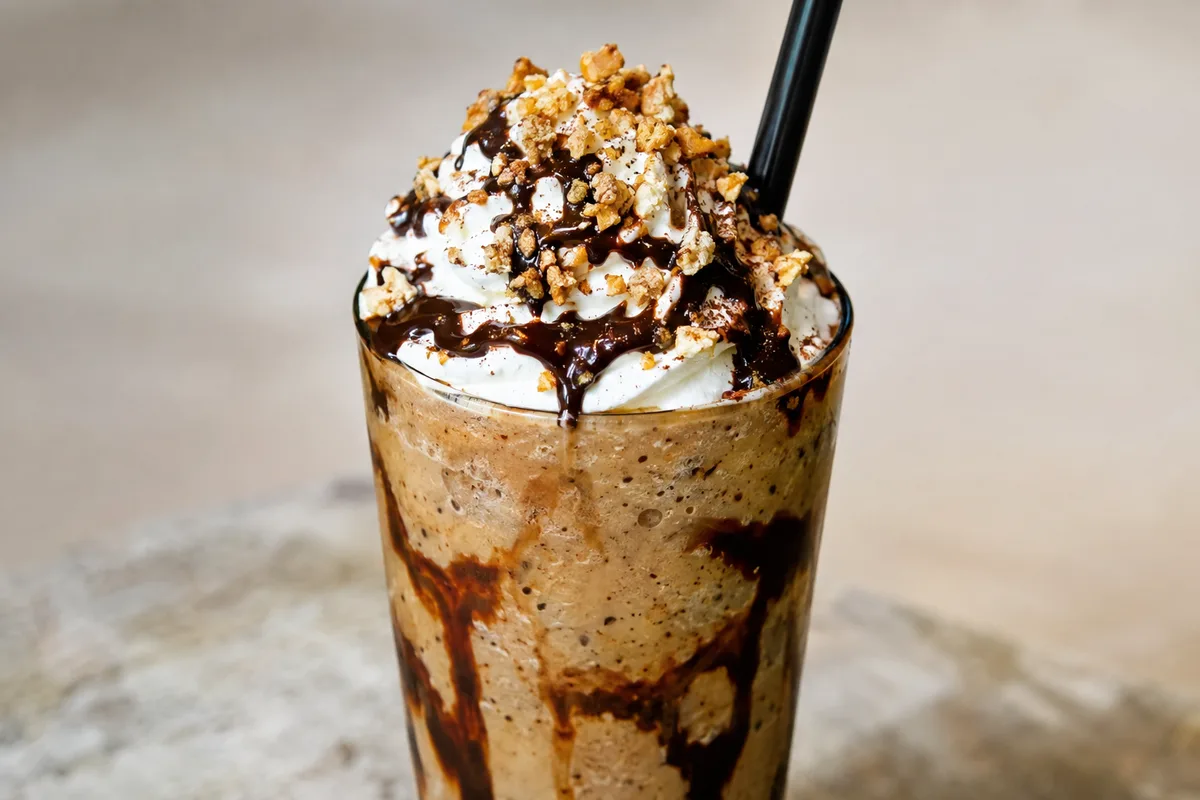
Cold brew and plain iced coffee are also relatively simple before additions. Flavoured cold foams, sauces and toppings add more ingredients and preparation steps. Shared shakers, spoons and other equipment can create cross-contact even when the base drink has no gluten-containing ingredients.
- Plain hot tea with no added syrup
- Plain cold brew
- Plain iced coffee
- Iced tea only after checking its base and additions
Flavoured and blended drinks need closer attention
Syrups, sauces, powders, sprinkles and crunchy toppings may have their own allergen information. Seasonal recipes are especially likely to change, so an answer from a previous visit may no longer apply. Ask staff to check every component of the current recipe.
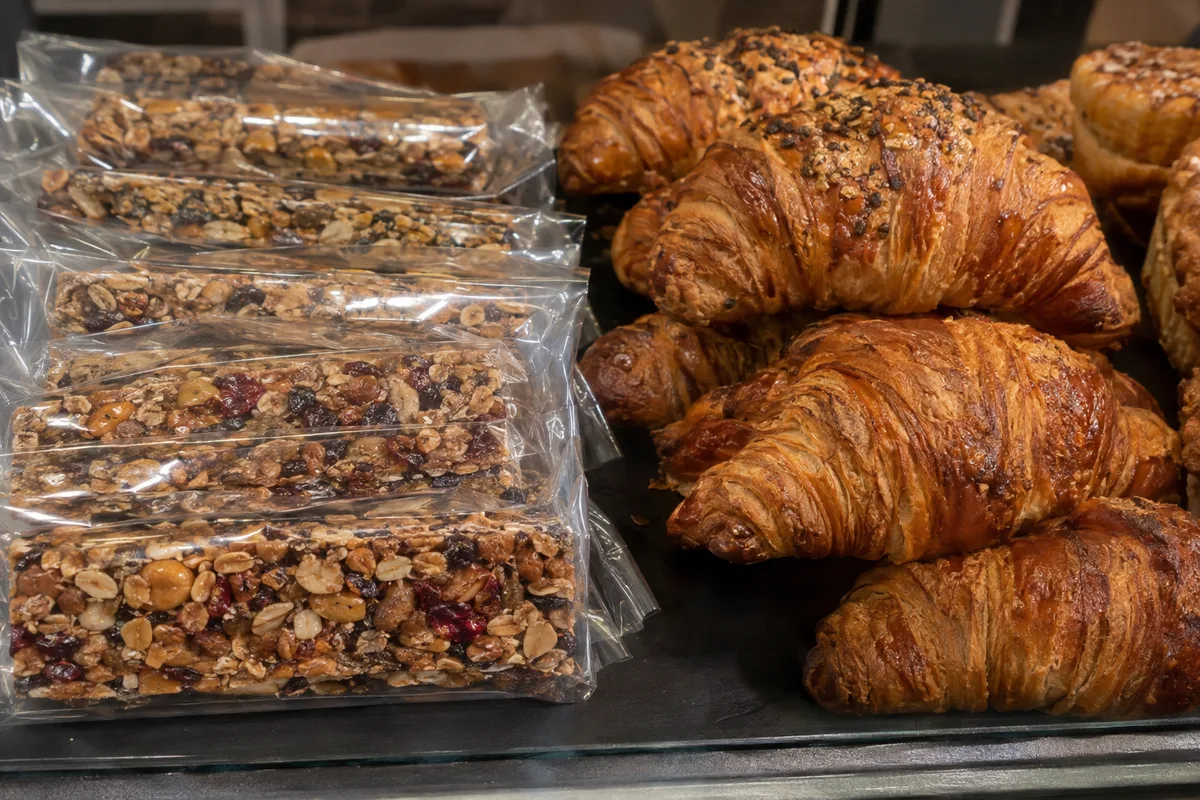
Blended drinks are prepared in equipment used for many recipes. Even if the listed ingredients look suitable, residue from another drink may remain in a shared blender or on shared utensils. Removing a topping can simplify the order, but it does not remove earlier contact with shared equipment.
- Check the syrup or sauce separately from the coffee base.
- Ask about powders, chips, crumbs and crunchy toppings.
- Check cold foam and any flavouring mixed into it.
- Confirm whether the blender, shaker or utensils are shared.
- Recheck seasonal drinks whenever they return.
Food choices depend on the label and handling
Starbucks food ranges differ widely between locations, and recipes can change. Cakes, biscuits, sandwiches, pastries and most bakery items commonly contain wheat or are handled alongside foods that do. A display card or product name is not enough to confirm that an item is gluten free.
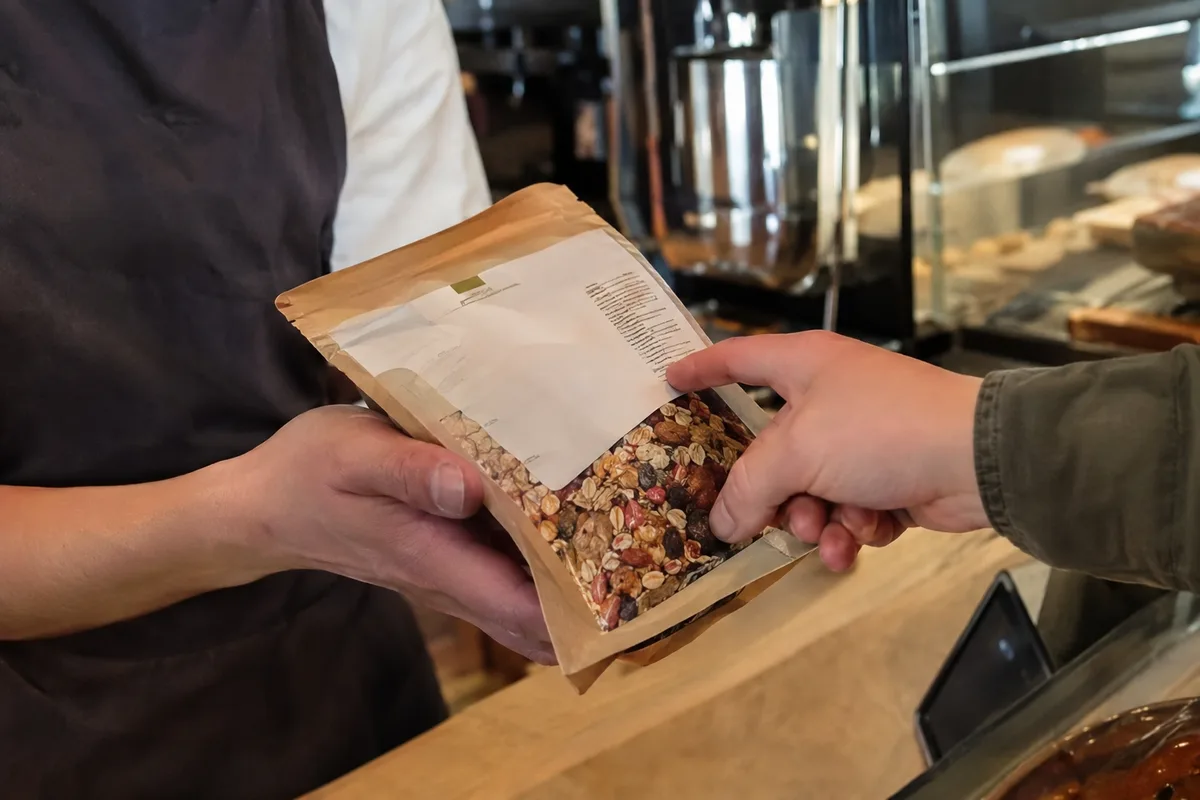
A sealed item carrying a clear gluten-free statement is easier to assess because its packaging provides the relevant ingredients and allergen details. Read the label before eating, even if you have bought the same product before. Unwrapped food may be moved with shared tongs or heated in shared equipment.
Fruit, plain nuts and other simple packaged snacks may have short ingredient lists, but they still need a label check. Seasonings, coatings and manufacturing warnings can differ between products. Availability depends on the branch and country.
- Choose sealed products with a clear gluten-free statement.
- Read the ingredient list and allergen warning on the pack.
- Check whether an item is opened, heated or handled before serving.
- Avoid relying on appearance or a similar product from another branch.
How to make a clear order
Begin by naming the exact drink, size, milk and additions you want. Say that you need to check for gluten ingredients and ask staff to use the current allergen information. A simple order is usually easier to verify than one with several custom changes.
Staff can explain ingredients and normal preparation, but the final choice depends on the level of cross-contact you are comfortable with. If the information is unclear, choose a simpler packaged option with a readable label or leave the item out. Logging the exact version in your food tracker can help you remember what you checked.
- Choose a simple base drink.
- List every milk, syrup, sauce and topping.
- Ask for the current allergen details.
- Ask how the item is prepared and whether equipment is shared.
- Record the exact product and customisations in your tracker.