
What it takes to burn 300 calories
Burning 300 calories does not require one particular workout or a fixed amount of time. This guide explains what affects the estimate, which activities can contribute and how to track the goal sensibly.
Why there is no single 300-calorie workout
The energy used during movement depends on the person, the activity and how hard the body is working. Body size, pace, terrain, fitness and movement efficiency can all affect the result. That means the same walk or cycle ride will not produce the same estimate for everyone.
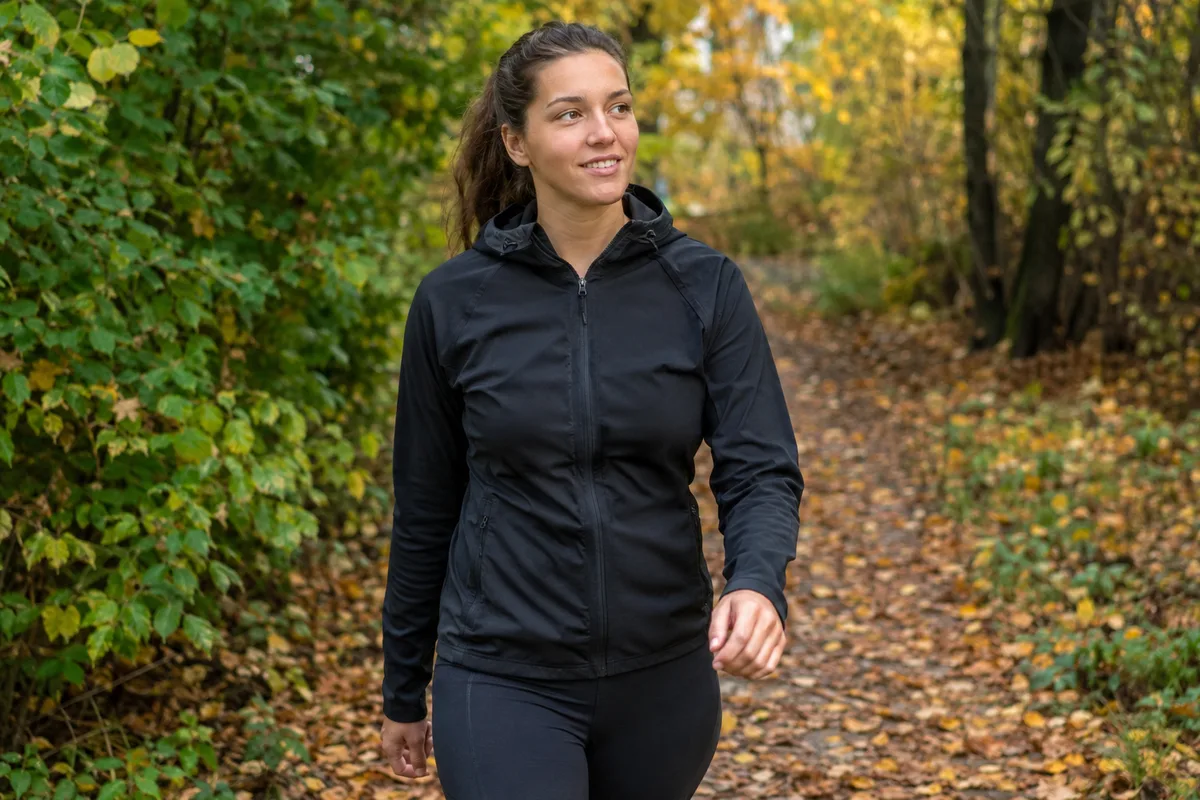
A calorie figure for exercise is always an estimate rather than a direct measurement. Trackers, gym equipment and activity calculators may use different formulas, so their results can disagree. Treat 300 calories as a practical tracking target, not a precise amount that your body must reach.
Time alone does not determine calorie use. A gentle session lasting longer may produce an estimate similar to a shorter, more demanding session. The right approach depends on your ability, preferences and available time.
Choose movement you can sustain
Activities that involve large muscle groups and continuous movement often raise energy use more quickly than very light activity. Brisk walking, cycling, swimming and steady dancing are common options. The duration needed to reach 300 calories depends on your pace and personal details.

You do not need to choose the hardest activity. A movement you can perform comfortably and regularly is usually easier to track and repeat. If an activity feels too demanding, reduce the pace, take a break or choose a gentler option.
Use your breathing as a simple guide to effort. At a moderate effort, you may breathe more deeply while still being able to speak in short sentences. Harder effort is not automatically better, especially if it makes the session unpleasant or difficult to complete.
- Walk briskly on level ground or a varied outdoor route
- Cycle at a steady pace indoors or outside
- Swim continuous lengths with rests when needed
- Dance steadily to music
- Use stairs in manageable blocks
Build the total across the day
The 300-calorie target does not have to come from one continuous session. You can combine shorter periods of movement and add their estimated energy use together. This can make the goal more manageable on a busy day.

For example, a brisk walk, some active household work and a later cycle ride can all contribute. The exact share from each activity depends on how long and intensely you move. Record each part in the same way so that the total remains easy to understand.
Be careful not to count the same movement twice. If a tracker has already included a walk as an activity, avoid adding a second manual entry for those steps. Consistent logging matters more than trying to make the total look exact.
- Take a purposeful walk during a break
- Walk part of a regular journey
- Do active gardening or household tasks
- Add a short dance or stair session
- Finish the day with an easy cycle or swim
Use your tracker as a guide
Check that your tracker or app uses your current personal details, because these can affect its estimate. Select the activity that most closely matches what you actually did. If the app asks for effort or pace, choose the description honestly rather than the highest option.
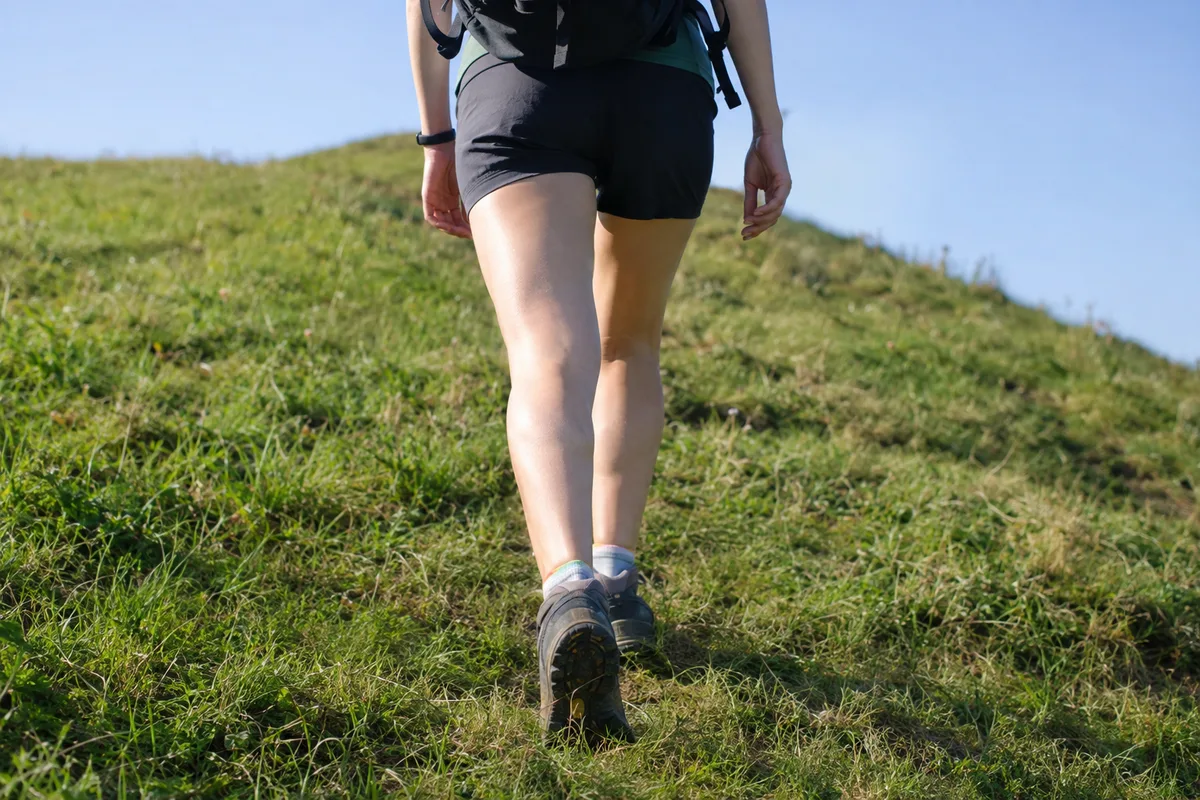
Some trackers show active calories, while others show total calories used during the session. Total calories may include energy your body would have used while resting, so the figures are not always directly comparable. Use one method consistently when working towards your 300-calorie goal.
Avoid adjusting the result simply because it seems too low or too high. Over time, compare similar sessions recorded by the same method. This gives you a more useful personal reference, even though the number remains an estimate.
- Keep personal details up to date
- Log the correct activity and duration
- Check whether the figure means active or total calories
- Use the same tracking method for similar sessions
- Review patterns rather than one isolated result
Increase the challenge gradually
If your usual activity falls short of the estimate, add a little more movement rather than making a sudden jump. You could extend the route, increase the pace slightly or include a gentle hill. Change one part at a time so that you can notice how it affects effort and recovery.
Intervals are another option. Alternate a comfortable pace with brief periods of quicker movement, then return to the easier pace. The length and intensity of each interval should depend on your current ability.
Pay attention to how your body feels during and after activity. Warm up with easier movement, allow time to slow down afterwards and take breaks when needed. Stop if you feel pain, faint or unusually unwell.
- Add distance to a familiar route
- Include a gradual hill
- Increase the pace for short periods
- Reduce rest time only when comfortable
- Split a longer goal into separate sessions
Keep the target in perspective
A 300-calorie activity estimate can be useful when you already track food and movement, but it is only one part of the picture. Daily energy use also includes basic body functions and ordinary movement outside planned exercise. These amounts vary from one person and one day to another.
Exercise calories should not be treated as permission or a requirement to eat a matching amount. Food labels and activity trackers both involve estimation, so subtracting one figure from another can create a false sense of precision. Look at your broader pattern instead of trying to balance every meal against a workout.
Choose activity for reasons beyond the displayed number, such as enjoyment, routine, fresh air or building confidence. A session still has value if the estimate does not reach 300 calories. Consistent, manageable movement is more useful than chasing a number at any cost.