
How to Convert Stair Climbing into Miles
Stair climbing can be recorded as vertical distance, distance travelled along the stairs or an energy-based walking equivalent. This guide explains each method and shows which measurements you need.
First decide what a mile means in your log
There is no single conversion from stair climbing to miles. A mile can mean the distance your feet travelled, the height you gained or an equivalent based on effort. These figures answer different questions, so choose the one that suits what you track.
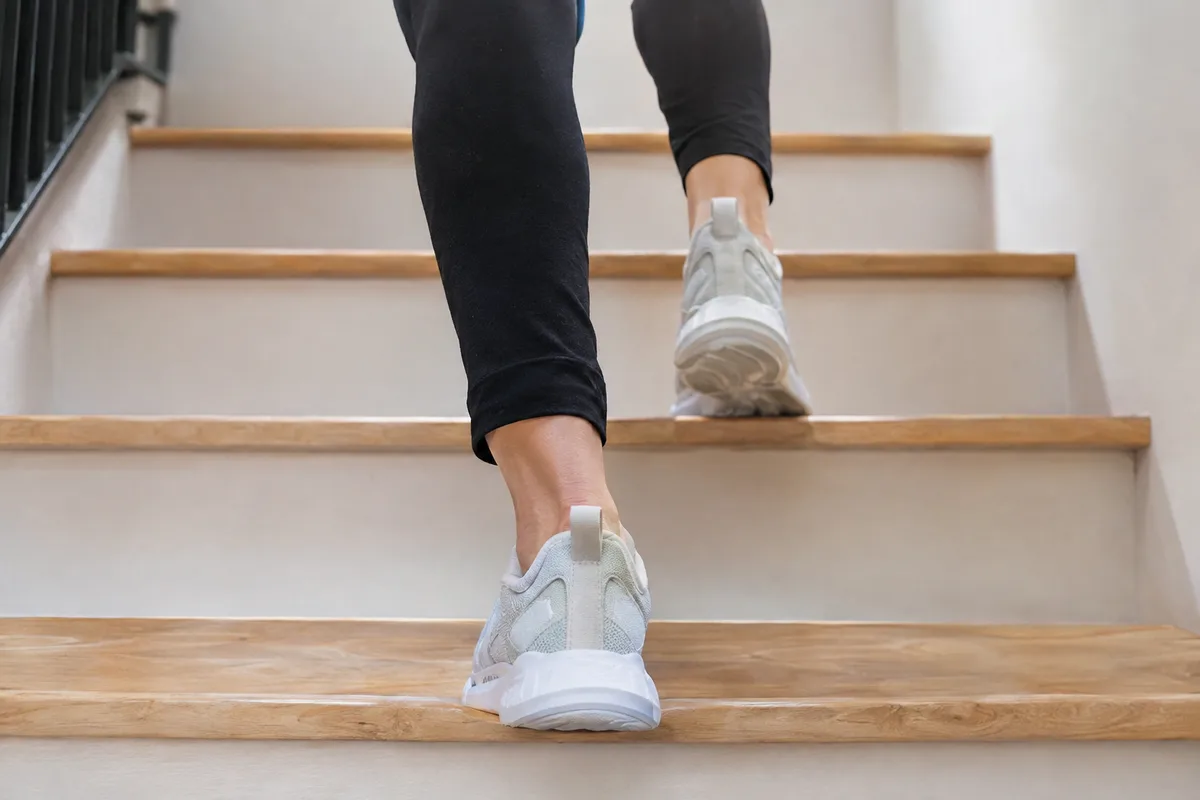
Actual stair distance is useful for recording how far you moved along the staircase. Vertical distance shows how high you climbed, while an effort-based estimate helps compare the session with level walking. Do not label one as another without noting the method.
- Distance along the stairs: the sloping route travelled
- Vertical distance: the total height gained
- Walking-equivalent miles: an estimate based on energy use
- Tracker miles: the device or app's own calculation
Convert stair steps into vertical miles
To find vertical distance, multiply the number of upward steps by the height of one step. Keep both measurements in the same unit. Descending steps do not add to height gained, although they are still movement.
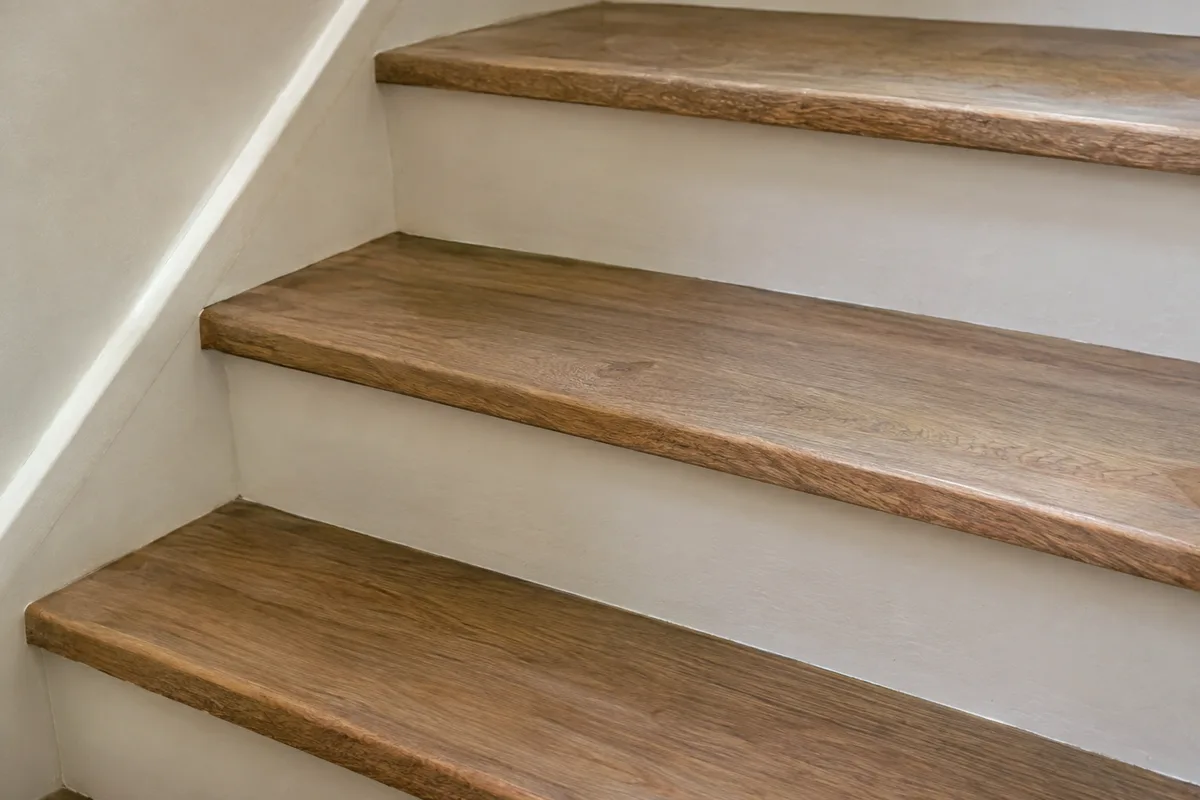
In feet, divide the total vertical rise by 5,280 to convert it to vertical miles. In metres, divide by 1,609.344. A vertical mile is a large amount of climbing and should not be compared directly with an ordinary mile on level ground.
- Count only upward steps when calculating height gained
- Measure from the top of one tread to the top of the next
- Multiply step count by step height
- Convert the total rise into miles
Calculate distance along the staircase
Distance travelled along stairs includes both the rise and the forward depth of each step. For a simple estimate, use the rise and tread depth to calculate the sloping distance of one step. The formula is the square root of rise squared plus tread depth squared.
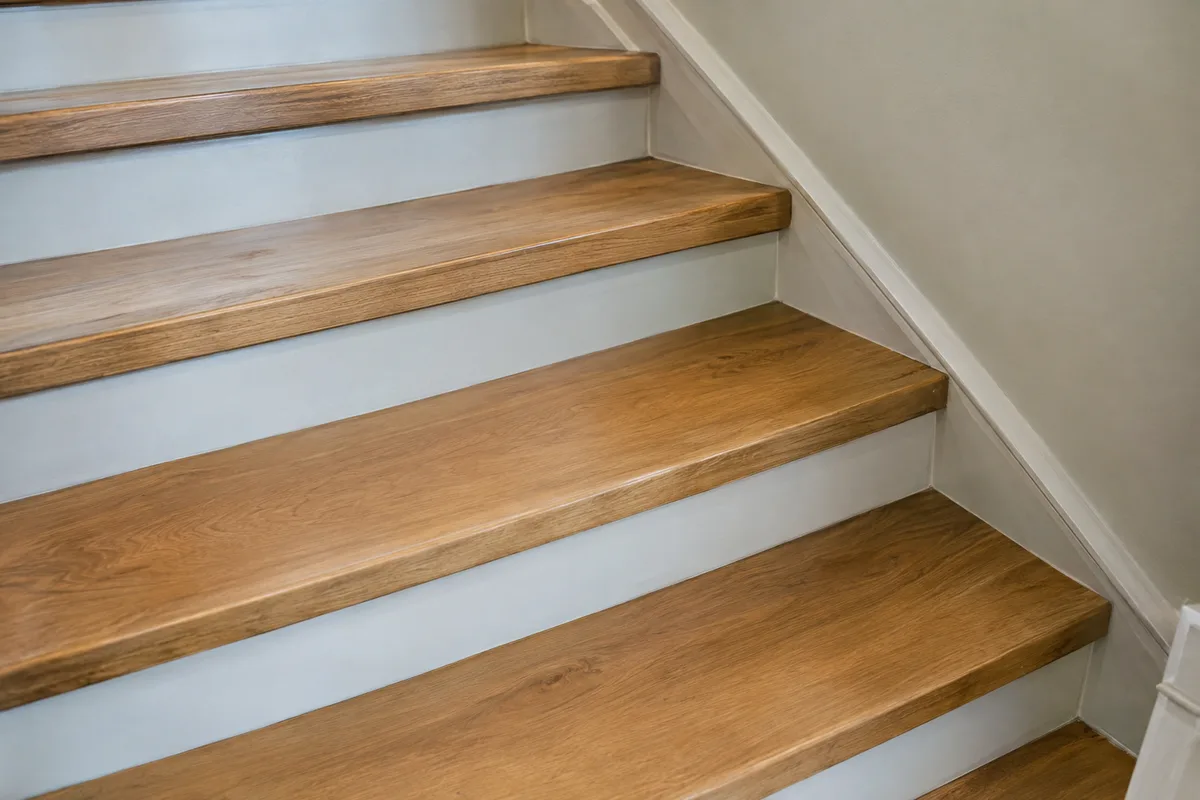
Multiply that sloping distance by the number of steps climbed, then convert the result into miles. This method works best when the stairs are regular. Landings need to be measured separately and added as level distance.
- Square the step height
- Square the tread depth
- Add the two results
- Find the square root
- Multiply by the number of steps and convert to miles
Use flights when you did not count every step
A flight is not a fixed unit because staircases contain different numbers of steps. Count the steps in one typical flight, then multiply by the number of flights climbed. If the flights vary, count each type separately for a better estimate.

You can then use the vertical-distance or sloping-distance method. Include partial flights rather than rounding them up. If you climbed the same staircase several times, count every upward journey.
- Record the number of full flights
- Add the steps from any partial flight
- Find the number of steps in each flight
- Calculate the total upward step count
Estimate walking-equivalent miles carefully
Stair climbing usually requires more effort than covering the same distance on level ground. That does not create a universal conversion into walking miles. The equivalent depends on your pace, body size, stair dimensions, pauses and whether you were carrying anything.
If your activity record gives an energy estimate for stair climbing, you can compare it with the estimate for your usual level walk. Divide the stair-climbing energy estimate by your estimated energy per walking mile. Treat the result as a personal comparison rather than a measured distance.
- Use estimates produced by the same tracking method
- Compare sessions of similar duration where possible
- Keep stair miles separate from measured walking miles
- Label the result as an energy-based equivalent
Record the result clearly
Write down the method beside the number so you know what it represents later. For example, record vertical miles, stair-route miles or estimated walking-equivalent miles. This prevents an effort estimate from being mistaken for actual distance.
Consistency matters more than forcing every activity into one unit. If you regularly use the same staircase, its step count and dimensions can become your standard reference. Recheck the calculation when you change location or use stairs with noticeably different dimensions.
- Number of upward steps or flights
- Step height and tread depth, if measured
- Landings or other level distance
- Conversion method used
- Whether the result is measured or estimated