
How to Ease Constipation While Eating Low Carb
Cutting carbohydrates can also reduce fibre, food volume and fluid intake, which may make bowel movements harder. This guide explains what to check in your food log and how to make practical adjustments.
Why low carb eating can slow things down
A low carb diet often means eating less bread, cereal, fruit, beans and other foods that usually provide fibre. If these foods disappear without suitable replacements, stools may become smaller, firmer or harder to pass. Eating less food overall can also mean there is less material moving through the gut.
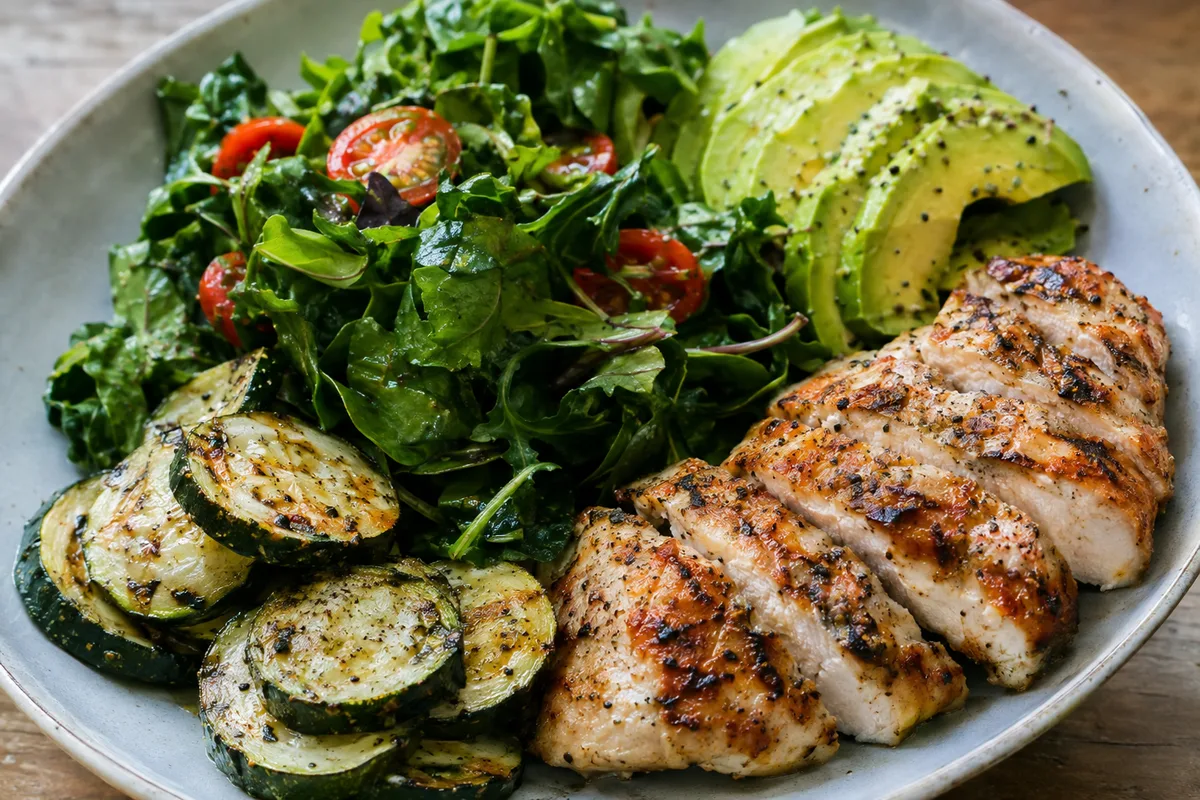
Changing your carbohydrate intake can affect how much water your body holds, especially at the beginning. At the same time, meals built around meat, cheese and eggs may contain little or no fibre. The issue is not necessarily low carb eating itself, but what has been removed and what has taken its place.
Look back over several days in your food log rather than judging a single meal. Check whether vegetables, seeds, nuts and other fibre sources appear regularly. Also note changes in drinks, meal size, movement and bathroom habits.
- Fewer vegetables or other fibre-rich foods
- More meals based mainly on meat, eggs or cheese
- Less fluid across the day
- Smaller meals or less food overall
- A sudden rather than gradual diet change
Choose low carb foods that still provide fibre
Fibre adds bulk and can help stools hold water. Low carb eating does not need to mean avoiding all plant foods, although the amount and type you include will depend on your chosen carbohydrate target. Aim to spread fibre-containing foods across meals rather than relying on one large serving.
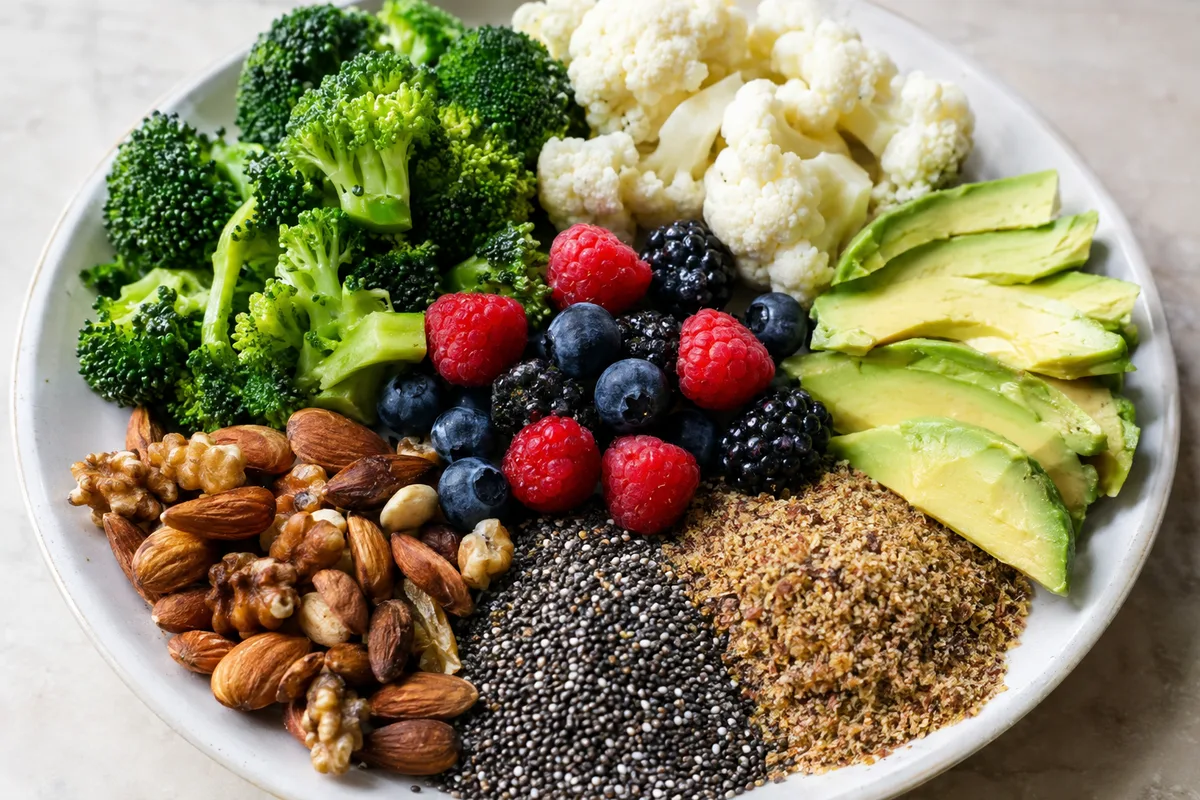
Non-starchy vegetables are a useful starting point because they add fibre, colour and food volume. Nuts and seeds can also contribute, while avocado offers both fibre and fat. Some people include smaller portions of berries, beans or lentils if these fit their approach.
Increase fibre gradually and see how your body responds. A sudden large increase can cause uncomfortable wind or bloating, particularly if fluid intake stays low. Record the food and portion in your usual way so you can identify what suits you.
- Leafy greens, courgette, broccoli and cauliflower
- Cabbage, aubergine, peppers and green beans
- Avocado, olives, nuts and seeds
- Chia or ground linseed mixed into yoghurt or another suitable food
- Berries, beans or lentils in portions that fit your carbohydrate target
Drink regularly as fibre increases
Fibre needs fluid to do its job well. If you add more seeds, nuts and vegetables but drink very little, stools may remain dry and difficult to pass. The amount of fluid needed depends on the person, their activity, the weather and the foods they eat.
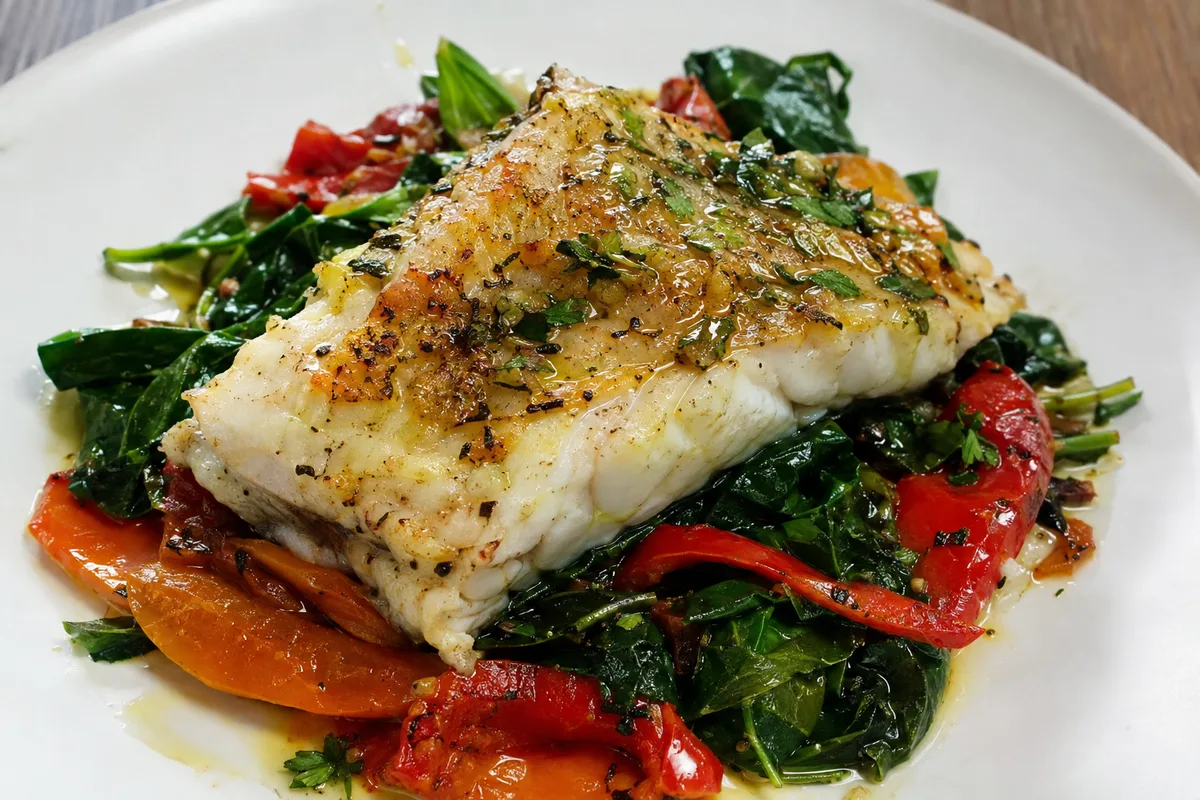
Drink regularly through the day instead of waiting until you feel very thirsty. Water is a straightforward option, while unsweetened tea or coffee may also contribute to fluid intake. Soups and water-rich vegetables can add fluid as part of meals.
Use simple signs alongside your food log, such as thirst and whether your urine is consistently dark. Alcohol can leave some people feeling less well hydrated, so do not count on it as a main drink. If you have been told to limit fluids, follow the guidance given by your healthcare professional.
- Have a drink with meals
- Drink before and after physical activity
- Include water-rich vegetables such as cucumber and courgette
- Keep drinks visible and easy to reach during the day
Check whether your meals contain enough food and fat
Some people cut carbohydrates and unintentionally make every meal much smaller. Less total food can mean less stool volume and fewer signals for the bowel to move. Your tracking record can show whether meals have become noticeably lighter or whether you are regularly skipping them.
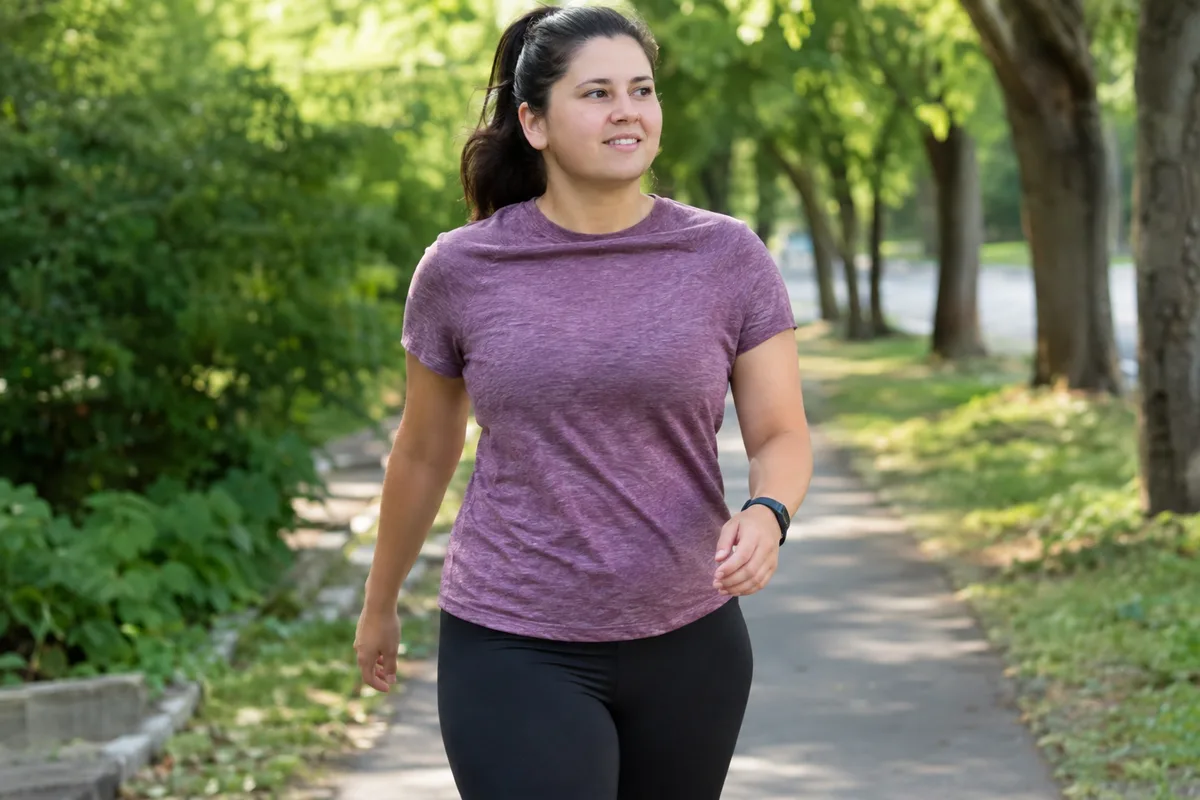
Dietary fat can make low carb meals more satisfying and may help food feel less dry. Suitable choices include olive oil, avocado, nuts, seeds and oily fish. Adding very large amounts is not necessary, and more fat does not always solve constipation.
Build meals with a protein food, vegetables and a source of fat that suits your preferences. This gives the meal more variety than simply replacing bread or potatoes with extra cheese or meat. Adjust portions according to your appetite, goals and usual tracking method.
- Eggs with cooked vegetables and avocado
- Fish with leafy vegetables and olive oil dressing
- Chicken with roasted courgette, peppers and seeds
- Plain yoghurt with berries, chia seeds and nuts
Use movement and routine to support regularity
Regular movement encourages the muscles involved in digestion to stay active. It does not need to be an intense workout. Walking, gentle stretching or other everyday activity can be useful, particularly if you sit for long periods.
A consistent bathroom routine can also help. Give yourself enough time, respond when you feel the urge and avoid straining. Some people find it easier to try after a meal, when the gut naturally becomes more active.
Track patterns rather than expecting the same result every day. Note whether bowel movements change after active days, different meal times or a more regular morning routine. This can reveal practical habits that matter alongside carbohydrate and fibre intake.
- Take a walk after a meal
- Break up long periods of sitting
- Set aside unhurried bathroom time
- Avoid repeatedly ignoring the urge to go
Make changes gradually and know when to get help
Change one or two things at a time so your food log remains useful. You might first add a vegetable serving and drink more regularly, then review what happens before changing something else. Fibre, fluid, food volume and movement often work together, so allow time to notice a pattern.
Bowel habits vary, and going less often does not always mean constipation if stools remain comfortable to pass. Focus on changes from your normal pattern, stool hardness, straining and discomfort. Avoid chasing a fixed daily target that may not suit you.
Speak to a healthcare professional if constipation is persistent, suddenly different from usual or accompanied by severe pain, vomiting, blood or unexplained weight change. Get personal guidance before making major dietary changes if you have been given specific restrictions on fibre, fluids or food choices. A professional can also review whether something beyond your current eating pattern may be contributing.
- Review several days of food and drink records
- Add fibre-rich foods gradually
- Pair extra fibre with regular fluid
- Monitor comfort and changes from your usual pattern