
Can You Burn 1,000 Calories a Day? What the Target Really Means
Burning 1,000 calories can mean total energy used across the day or calories attributed to deliberate exercise, and those are very different targets. This guide explains how to read the number, plan movement and match your food tracking to a realistic routine.
First, define what you mean by burning 1,000 calories
Your body uses energy all day, including while you are resting, digesting food and moving around. If your tracker says you burned 1,000 calories, check whether it means total daily energy or only energy from activity. Confusing the two can make an ordinary day look like a demanding exercise target.

Trying to burn 1,000 calories through planned exercise alone is a substantial undertaking for many adults. The effort required depends on body size, fitness, pace, terrain, technique and the length of each session. There is no single workout that produces the same burn for everyone.
It also helps to distinguish Calories used on food labels from small scientific calories. In everyday food and activity tracking, a capital-C Calorie is another way of writing a kilocalorie, or kcal. Most apps and exercise displays use these terms to describe the same unit.
- Check whether the figure is total burn or active burn.
- Look at which activities have been included automatically.
- Confirm whether resting energy is shown separately.
- Treat the displayed figure as an estimate, not an exact measurement.
Why exercise calorie estimates vary
Exercise machines, watches and apps estimate energy use from limited information. They may use your recorded body details, heart rate, speed or movement pattern, but they cannot observe every factor that affects effort. Two trackers can therefore give different results for the same session.

Body mass can influence how much energy a weight-bearing activity requires, while skill and efficiency also matter. A practiced runner or swimmer may move differently from a beginner at the same apparent pace. Hills, wind, water conditions, temperature and rest breaks can change the demands further.
Use estimated burns to compare similar sessions rather than to justify an exact amount of food. For example, you might compare one regular walk with another completed on a similar route. Trends recorded in the same way are generally more useful than treating one reading as precise.
- Record the activity type and approximate duration.
- Note whether the route was flat, hilly or uneven.
- Include pauses and easy recovery periods.
- Compare readings from the same tracking method where possible.
Build the day from several types of movement
A large activity target does not have to come from one long, punishing workout. You can spread movement across the day through purposeful exercise, active travel, household tasks and short walking breaks. This makes it easier to adjust the plan when your energy or schedule changes.
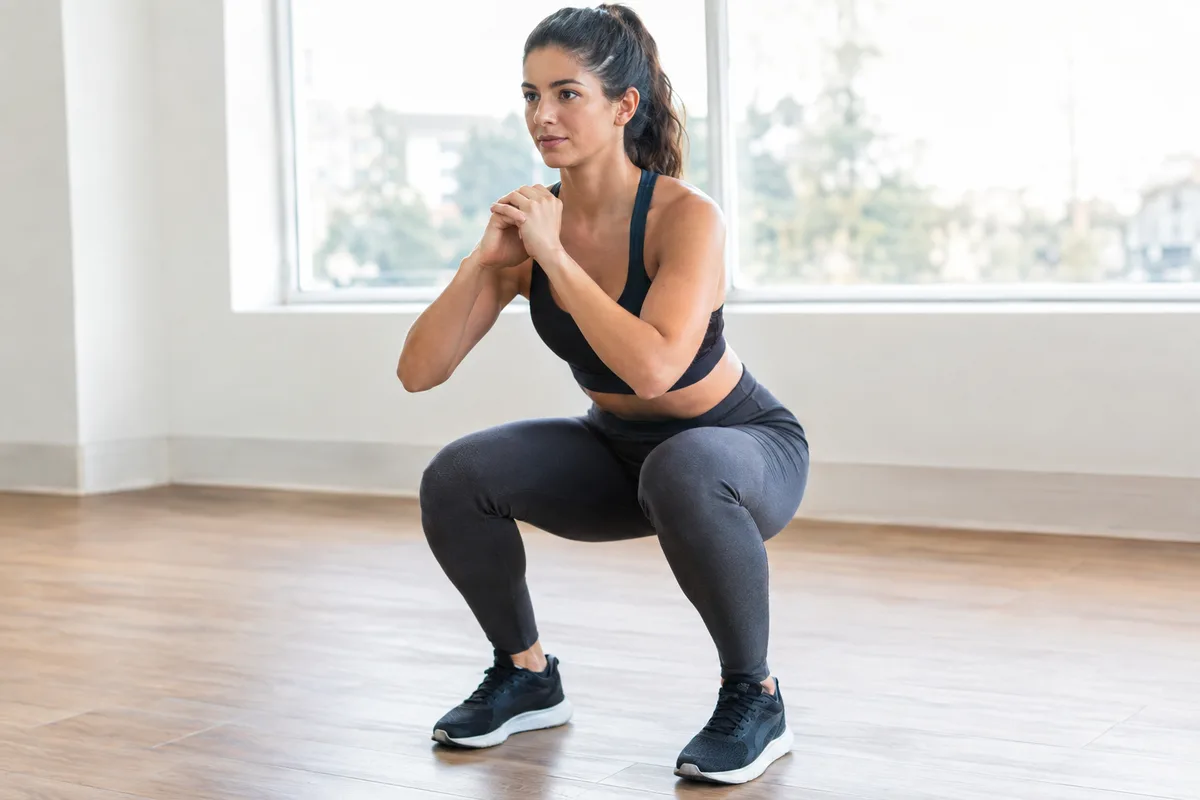
Different activities challenge the body in different ways. Brisk walking and cycling can provide steady movement, while strength work supports muscles used in everyday tasks. Gardening, carrying shopping and taking stairs can add activity without turning every minute into formal exercise.
Choose activities that suit your current ability and that you can repeat with sound technique. Increase duration, pace or difficulty gradually rather than changing everything at once. The amount needed to reach a displayed 1,000-calorie burn depends on the person and the way the tracker calculates it.
- Walk part of a regular journey.
- Take a brisk walk during a break.
- Cycle or swim at a manageable, steady effort.
- Add a short strength session using controlled movements.
- Use gardening or active household jobs as extra movement.
Do not ignore recovery and warning signs
Chasing a number can encourage you to continue after your movement quality has fallen. Fatigue can affect balance, coordination and technique, particularly during unfamiliar or high-impact activity. A lower total on a well-managed day may be more sensible than forcing an arbitrary target.
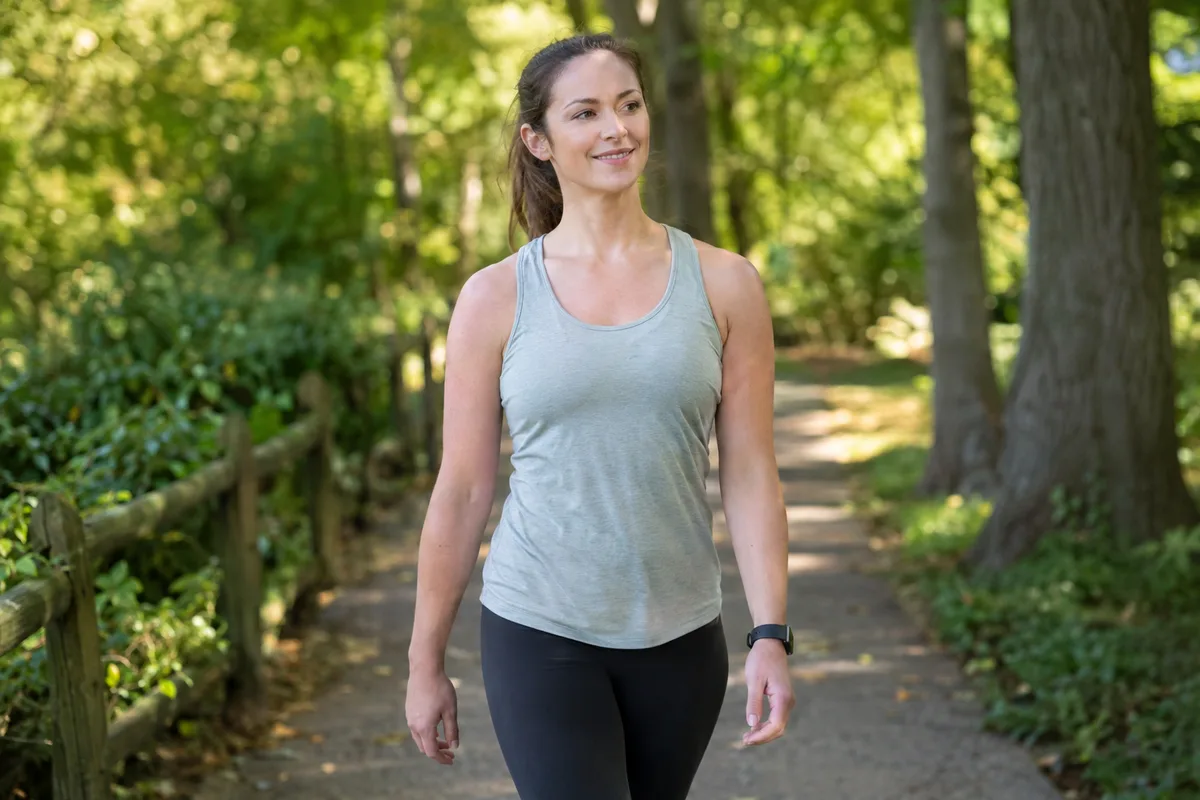
Plan easier periods between demanding sessions and allow time for sleep, food and fluids. Rest is part of an active routine rather than evidence that the routine has failed. If you are new to long sessions, begin with an amount you can complete comfortably and build from there.
Stop the session if you feel faint, unusually dizzy, confused or unable to move with control. Sharp pain is also a reason not to push on for the sake of the display. Seek individual guidance from a suitably qualified professional if you are unsure what level of activity is appropriate for you.
- Start sessions with easier movement.
- Alternate demanding days with lighter activity.
- Wear suitable footwear for the surface and movement.
- Carry water when the setting or session length calls for it.
- Finish before fatigue makes your technique unreliable.
Match food tracking to the activity
Because you already track food, you may be tempted to subtract every exercise calorie from your intake. That can create false precision because both food entries and activity estimates have room for error. It may also hide how hungry, tired or poorly recovered you feel.
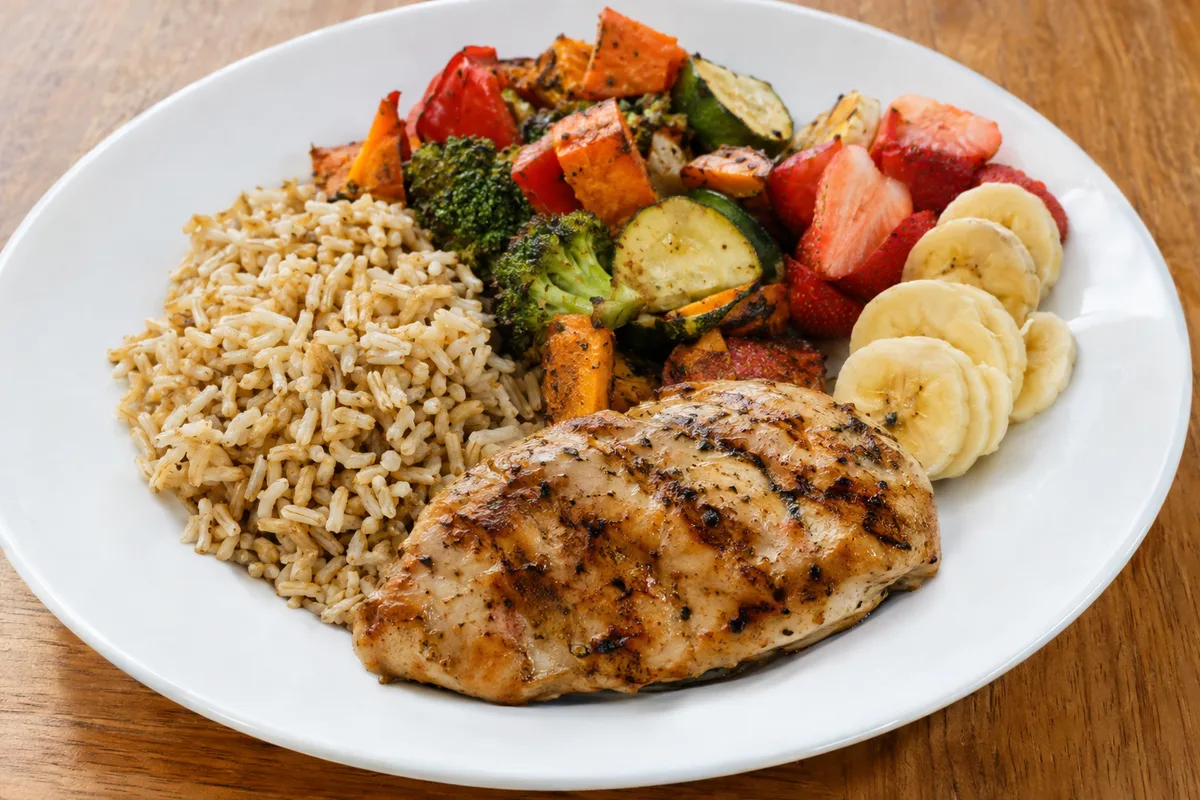
Look at your overall pattern rather than trying to balance each meal against a workout. Regular meals containing carbohydrate, protein, fat and fibre can support an active day, while fluids matter before and after movement. The portions you need depend on your body, routine, goals and appetite.
Be especially cautious about automatically eating back the full number reported by a machine or app. Instead, note how your usual intake supports concentration, training quality, recovery and normal daily tasks. Adjustments are easier to judge from repeated patterns than from one unusually active day.
- Base meals on a mix of filling carbohydrate, protein and vegetables or fruit.
- Include some dietary fat rather than trying to remove it completely.
- Plan food around long activity periods instead of waiting until you are exhausted.
- Record exercise estimates separately from confirmed food entries.
Use a routine, not a daily test
A 1,000-calorie target can sound clear, but it does not reveal whether the activity is suitable, enjoyable or repeatable. A useful plan considers frequency, recovery and how movement fits around work and home life. It should also leave room for lighter days and changes of plan.
Set process goals that you can directly control, such as completing a planned walk, attending a session or taking regular movement breaks. Review how the week felt as well as what the tracker reported. Consistency with manageable activity is more informative than repeatedly chasing the largest possible display.
If the target refers to total daily energy use, your body may already use that energy through basic functions and ordinary movement. If it refers to exercise alone, reaching it could require a long or demanding day. In either case, treat 1,000 calories as a rough measurement to understand, not a compulsory score.
- Plan activity by time and type rather than calories alone.
- Keep at least some sessions easy and conversational.
- Review energy, appetite, sleep and soreness alongside tracker data.
- Change the plan when work, weather or recovery requires it.