
Notes on eating well
Practical notes on eating, training and keeping track.
-
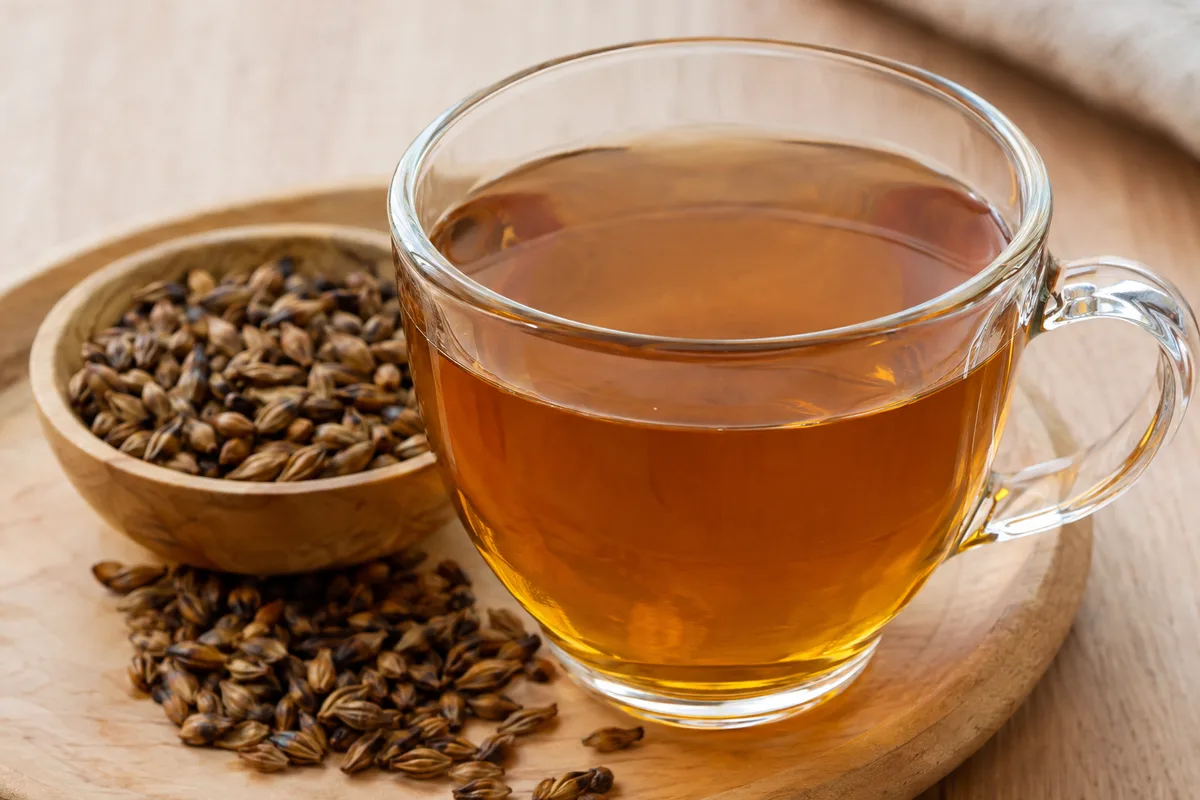
Barley tea: benefits, side effects and what to track
Barley tea is a roasted grain drink with a mild, nutty flavour that can be served hot or cold. This guide explains its practical benefits, possible drawbacks and how to include it in your food log.
-
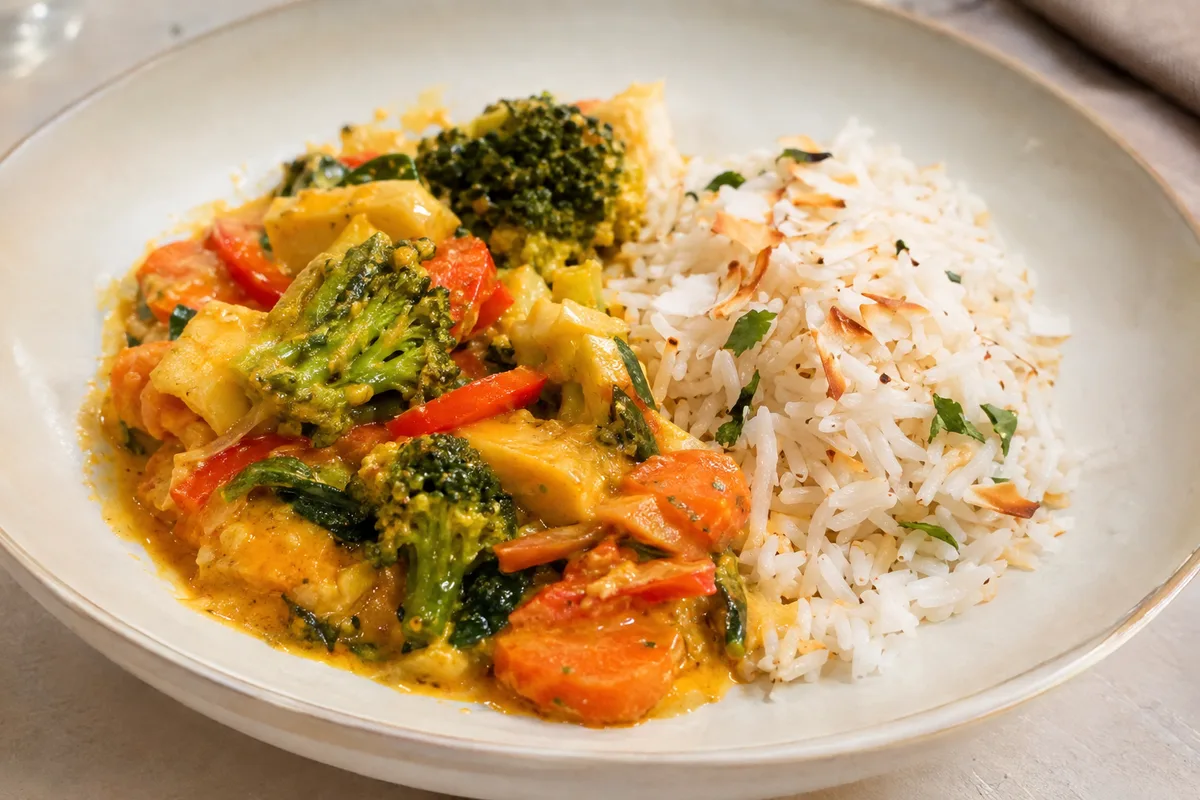
Coconut oil: useful qualities, everyday uses and what to track
Coconut oil can add flavour, help with cooking and create particular textures in baking. This guide explains its practical benefits, its nutritional limits and how to record it accurately.
-
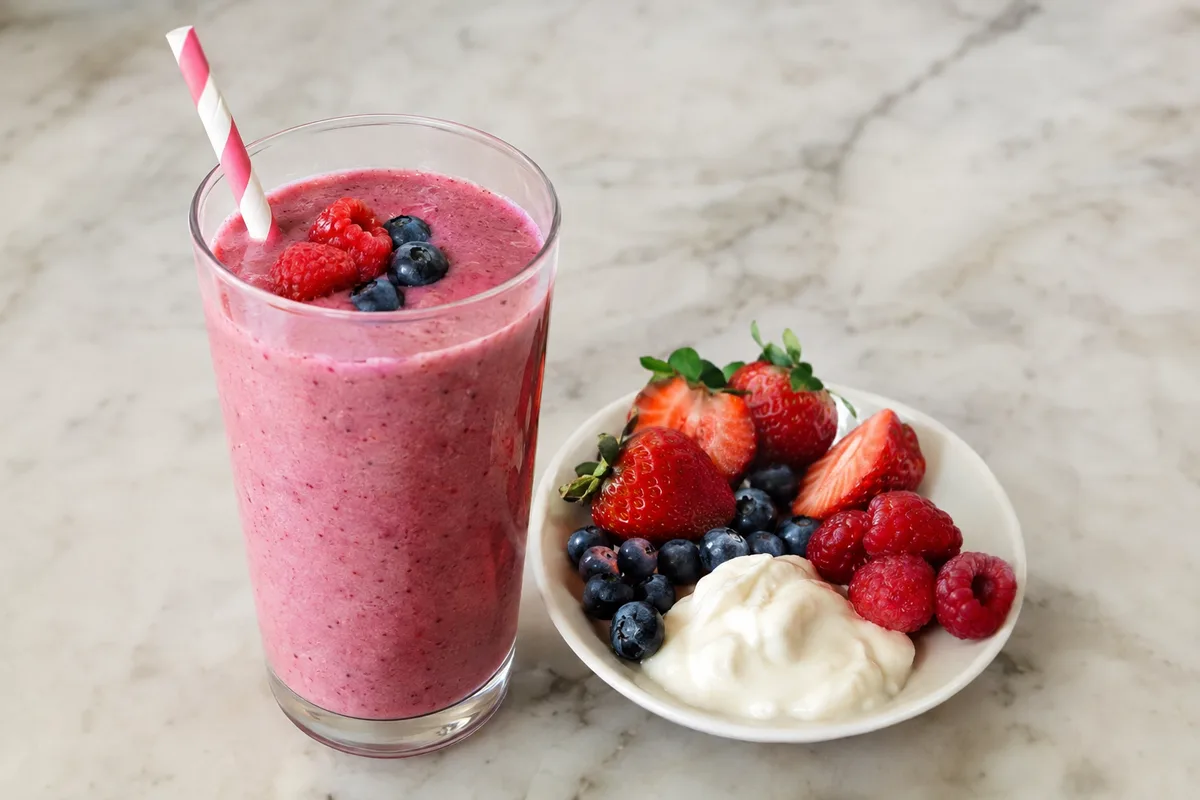
How to Make a Healthier Order at Jamba Juice
A smoothie or bowl can vary greatly depending on its base, portion and extras. This guide explains how to compare the menu and log an order that fits the rest of your day.
-

How to Choose the Best Tennis Shoes for Women
The best tennis shoe is the one that fits your foot securely and supports the way you move on court. This guide explains fit, court surfaces, cushioning, stability and signs that a pair needs replacing.
-
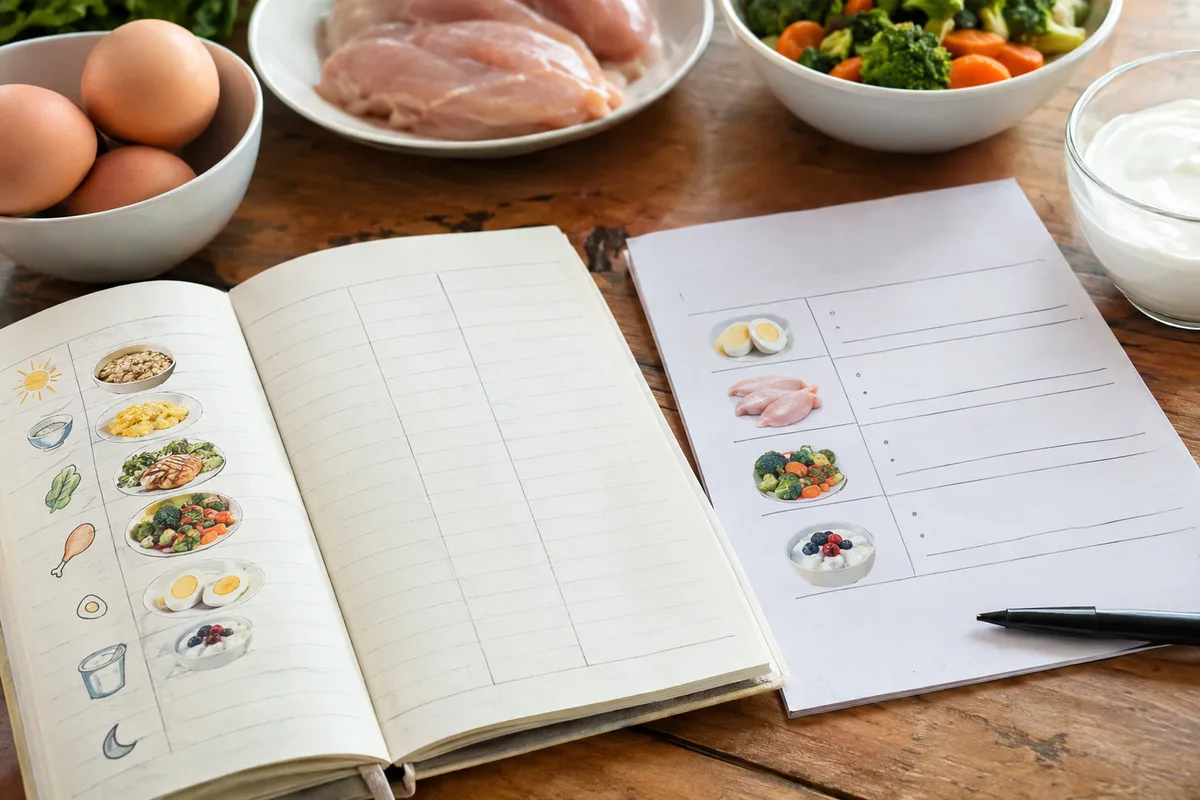
How to Build a Low-Carb Grocery Shopping List
A low-carb grocery list can help you choose foods with less carbohydrate while keeping meals varied and satisfying. This guide explains what to put in your trolley, what to check on labels and how to plan around the food you already track.
-

The best Starbucks drinks to consider under 200 calories
Many Starbucks drinks can fit below 200 calories, but size, milk, syrup and toppings can quickly change the total. This guide explains the strongest options and how to check that your exact drink stays within your target.
-
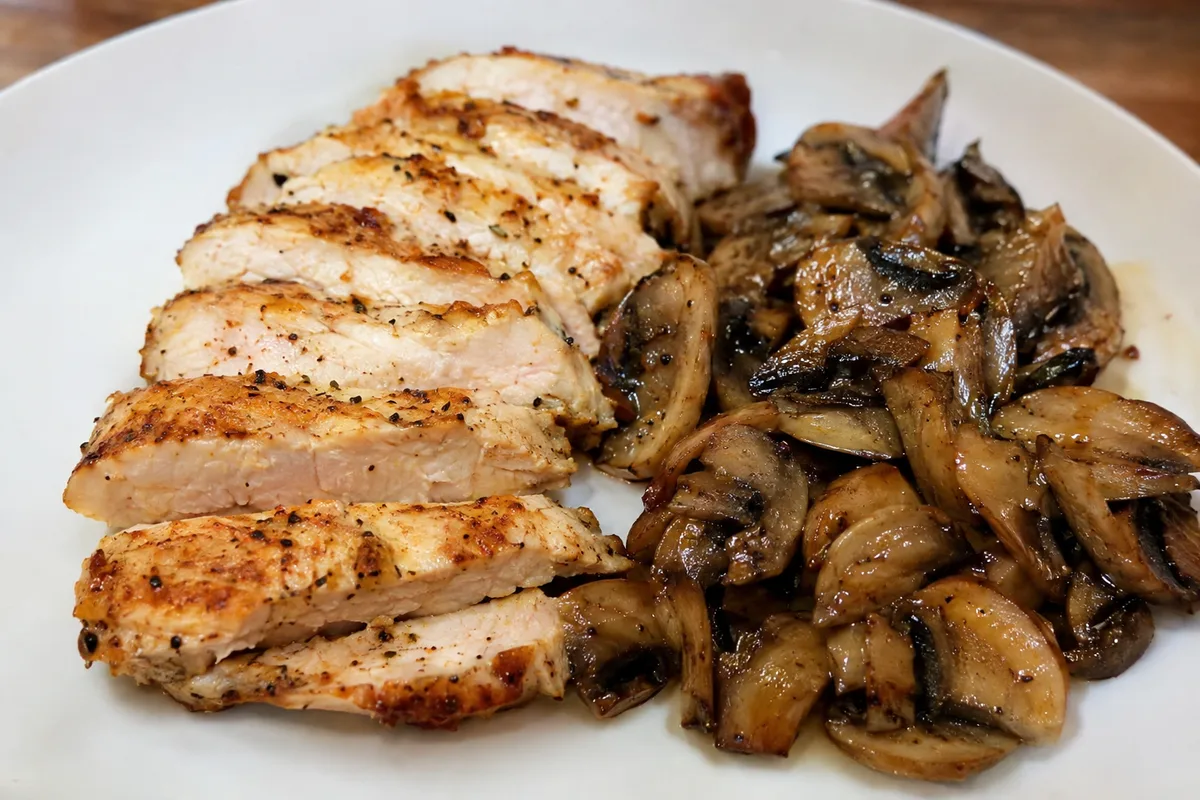
Mushrooms vs meat: how their protein content compares
Mushrooms and meat can share a plate, but they do not make equal contributions to your protein total. This guide explains the difference and how to record both foods accurately.
-

How Many Steps a Day Can Support Weight Loss?
Daily walking can increase how much energy you use, but there is no universal number of steps that guarantees weight loss. This guide explains how to choose a realistic target, build it up and use it alongside food tracking.
-
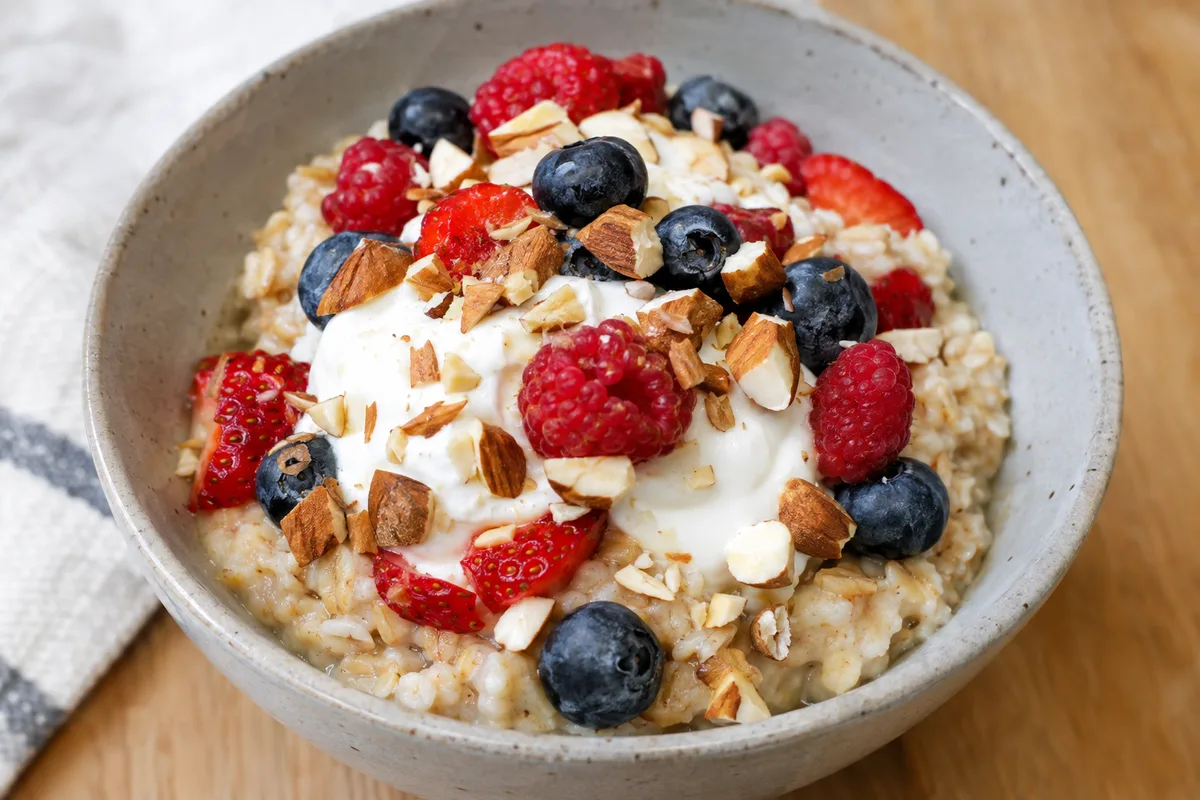
Lipozene for weight loss: what to know about safety and results
Lipozene is a fibre supplement promoted for weight loss, but its effects depend on more than taking a capsule. This guide explains what it contains, what the research can and cannot show, and the main safety points.
-
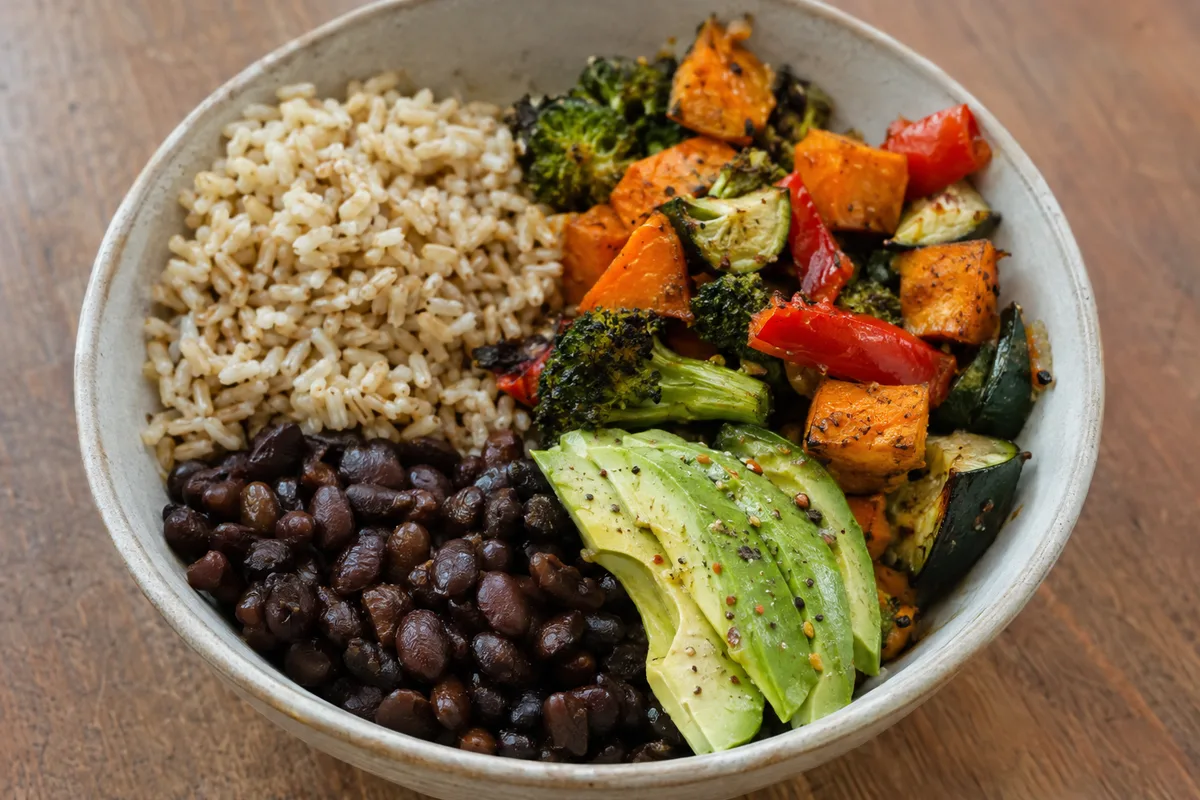
What Is a Calorie, and What Does It Tell You?
A calorie is a unit of energy, but a calorie number does not describe everything a food offers. This guide explains how calories are calculated, why tracked totals vary and how to use them in context.
-
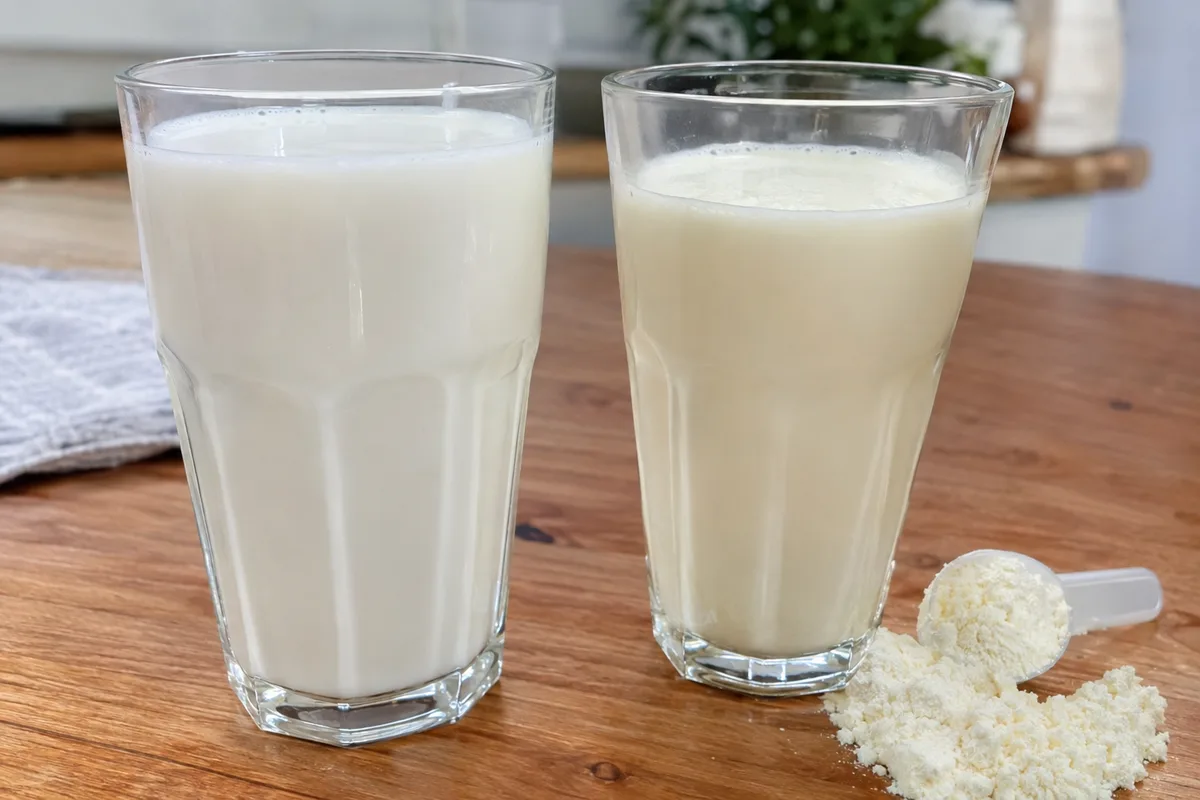
Fresh milk and powdered milk: what changes nutritionally?
Removing water from milk concentrates its nutrients, while adding water back makes it more comparable with fresh milk. Here is what to check when logging protein, carbohydrate, fat, vitamins and minerals.
-
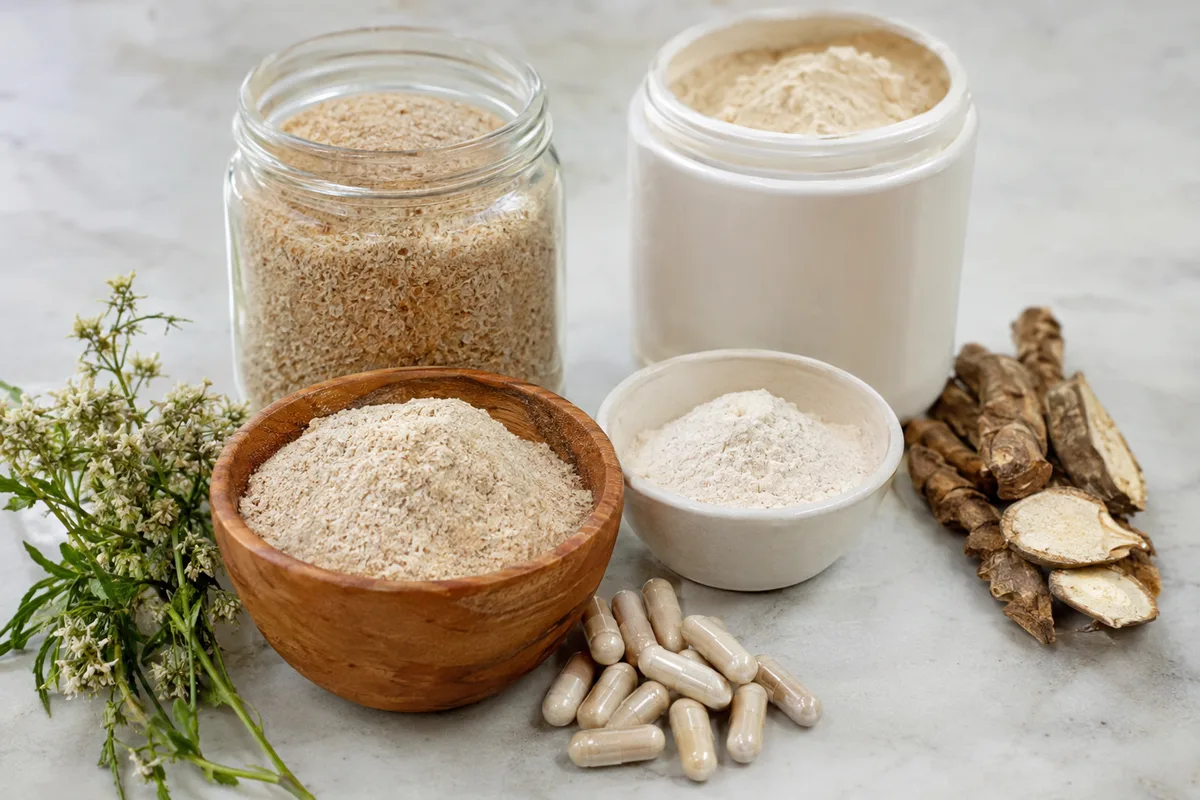
Gluten-Free Fibre Supplements: What to Look For and How to Track Them
Fibre supplements can help fill a gap when food alone does not provide enough fibre, but gluten-free labels and fibre types need careful reading. This guide explains what to check, how to introduce a supplement and how to record it in your food log.
-
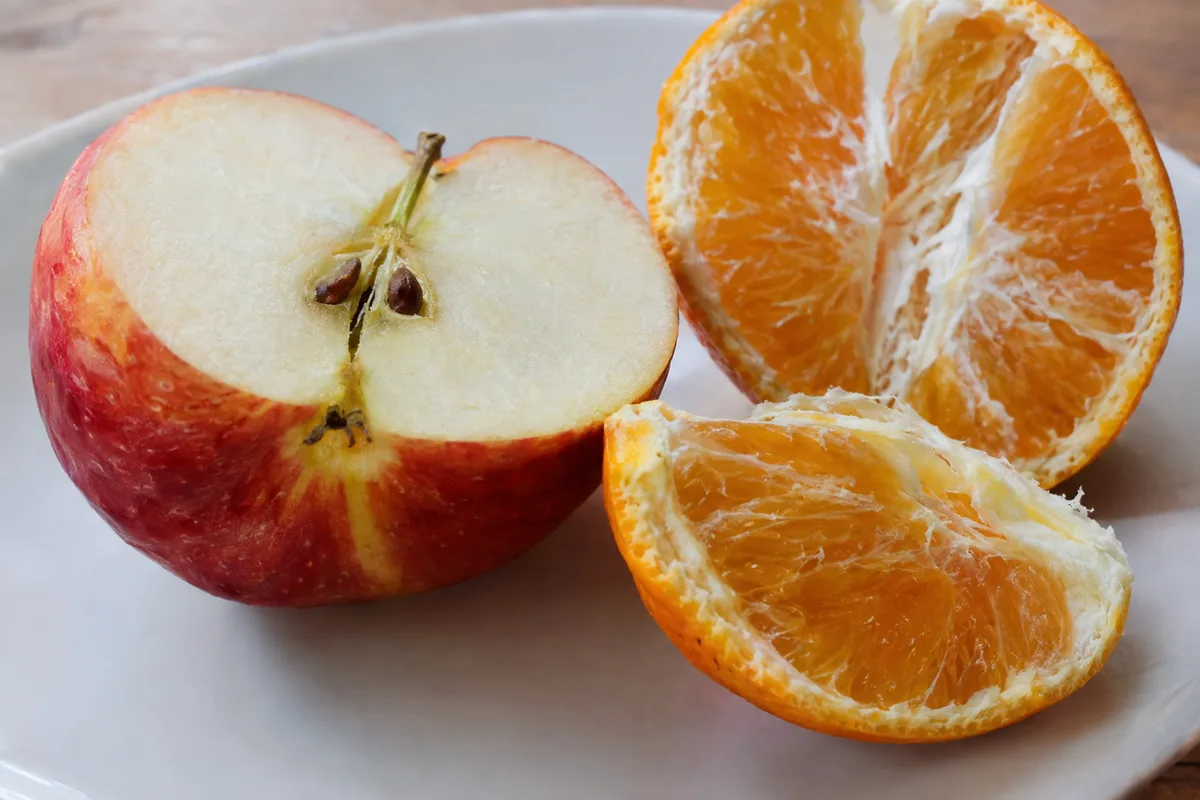
Foods High in Pectin and How to Add Them to Your Food Log
Pectin is a type of soluble fibre found naturally in plant foods, especially fruit. This guide covers the main food sources, how ripeness and cooking matter, and practical ways to track them.
-
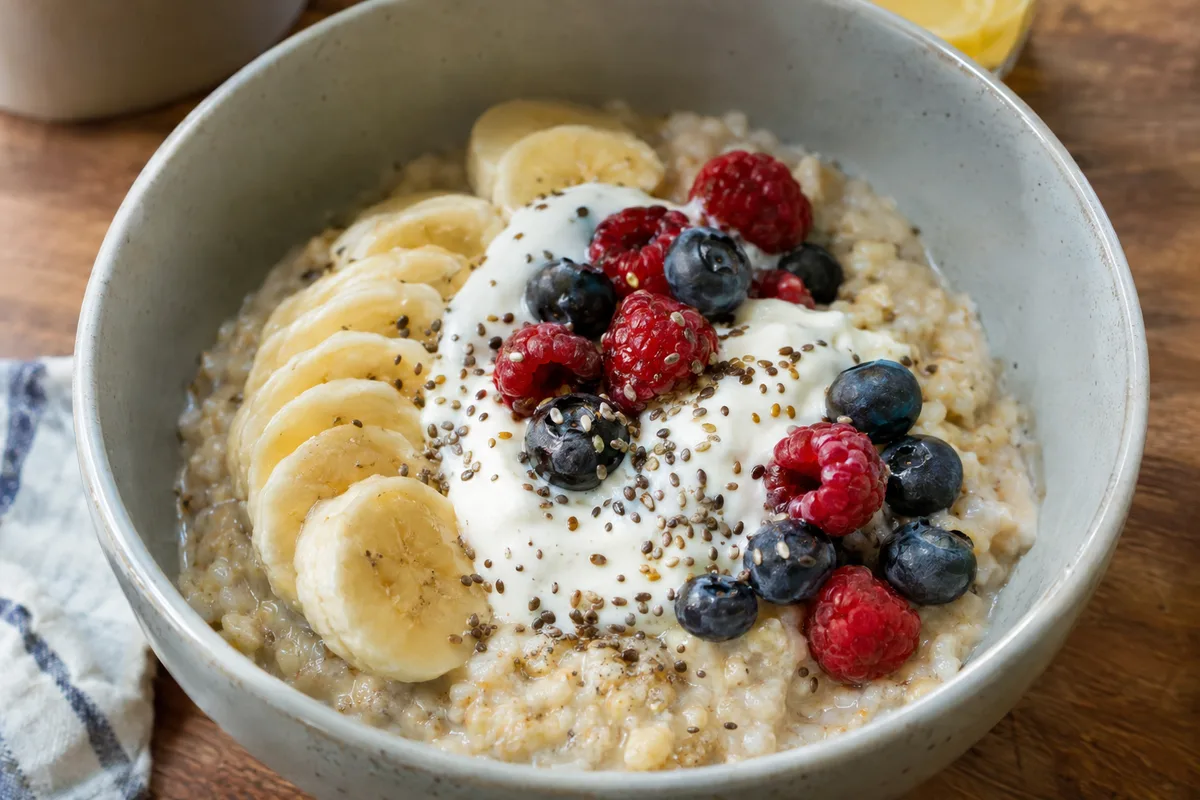
How to Use Oatmeal in a Bodybuilding Diet
Oatmeal can provide useful carbohydrate, fibre and an easy base for protein-rich meals. This guide explains how to track it, choose suitable toppings and adjust your bowl around your training goal.
-
How to Find the Best Zip-Front Sports Bra for You
A zip-front sports bra can be easier to put on and remove, but the fastening alone does not guarantee a good fit. This guide explains what to check so you can choose support and comfort that suit your body and activity.
-
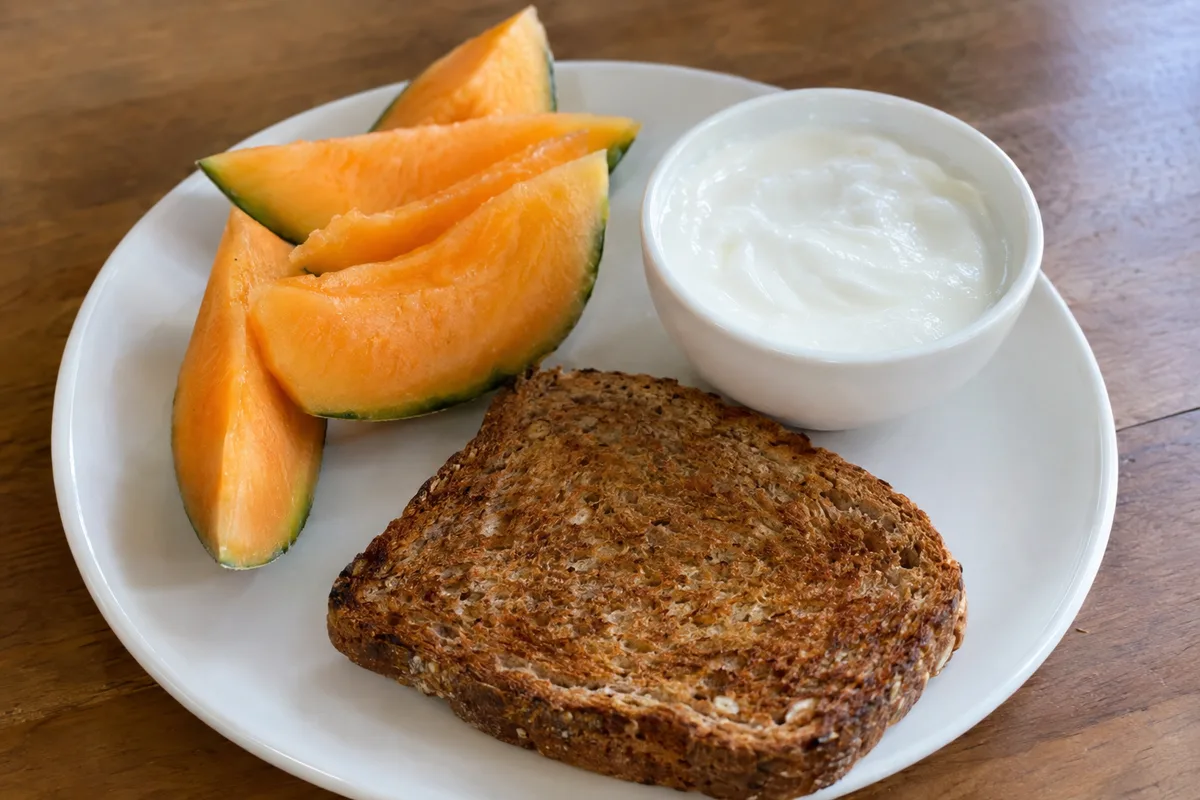
Can cantaloupe support weight loss?
Cantaloupe is a sweet, water-rich fruit that can add volume to meals and snacks without dominating your energy intake. Here is how to track it accurately, make it more filling and use it without treating it as a shortcut to weight loss.
-
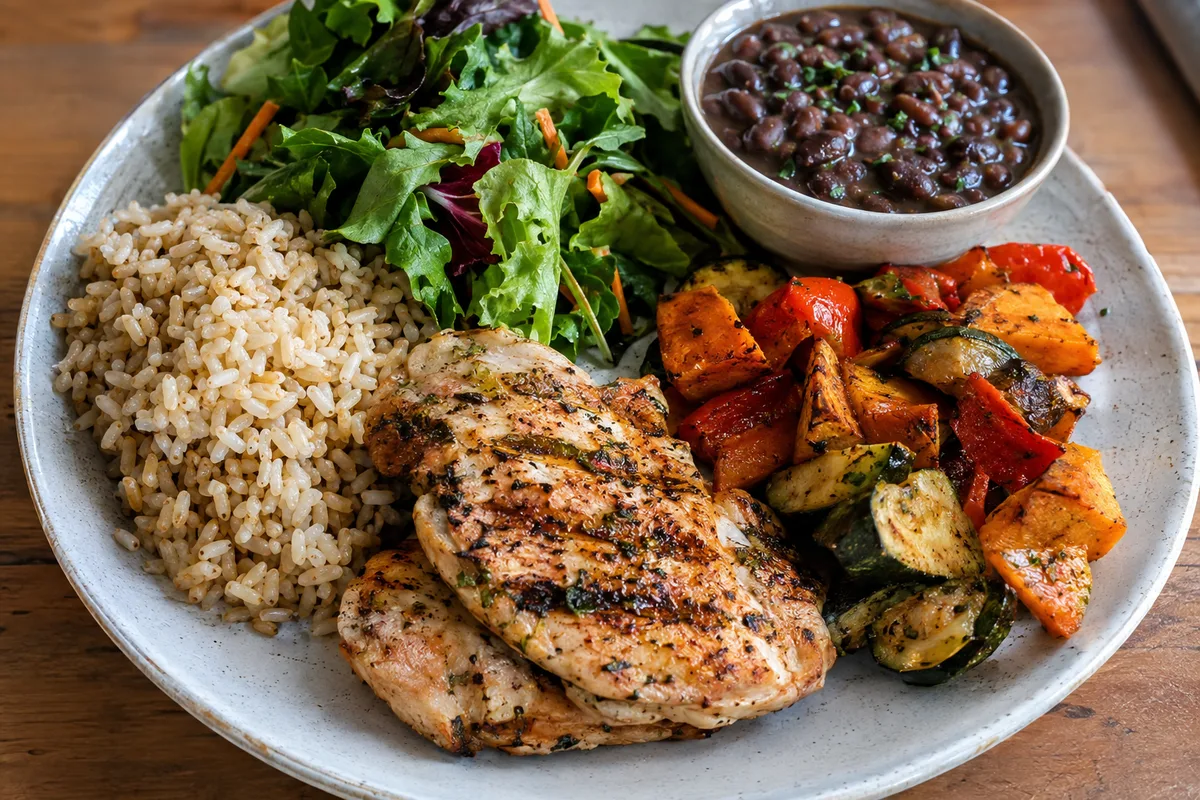
What an Omnivorous Diet Looks Like in Everyday Life
An omnivorous diet includes foods from both plant and animal sources, with plenty of room for personal preference. This guide explains how to build balanced meals, track them accurately and notice where variety may be missing.
-
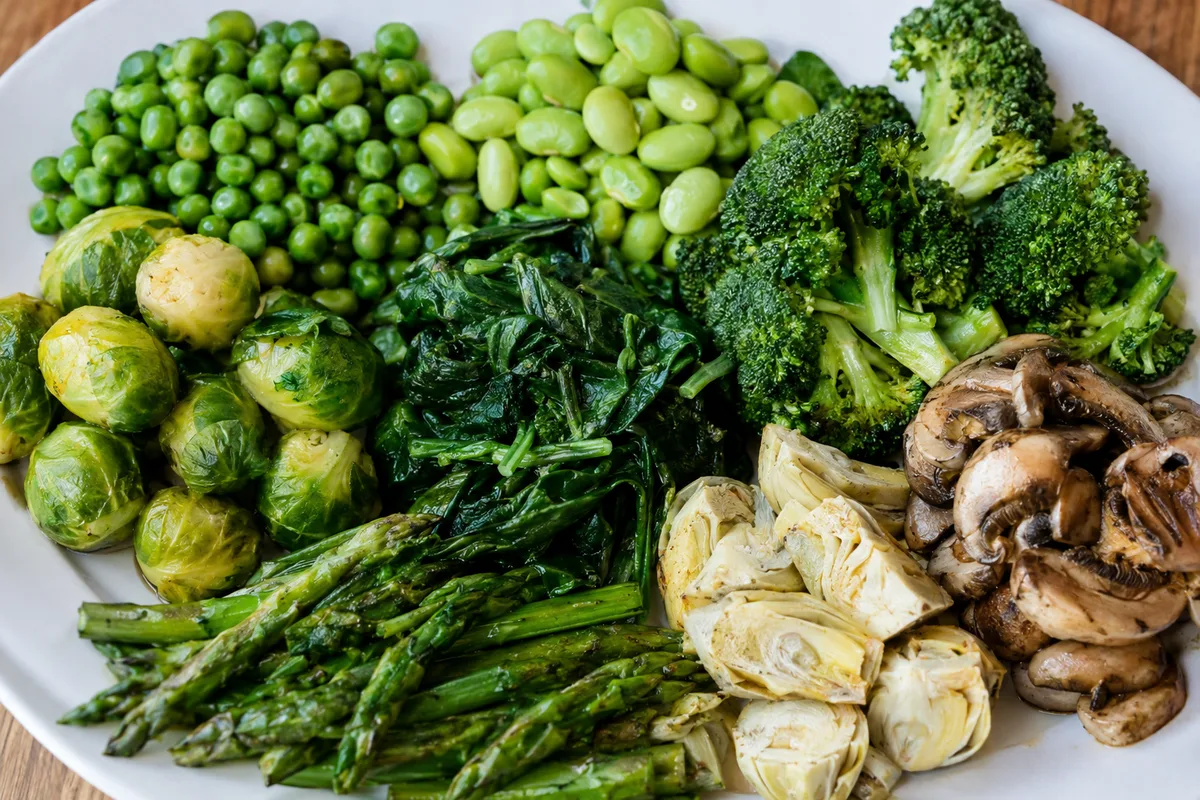
High-Protein Vegetables: How to Make Them Count
Some vegetables provide more protein than others, but portion size and the rest of the meal still matter. This guide explains which choices stand out, how cooking affects tracking and how to build balanced meals around them.
-
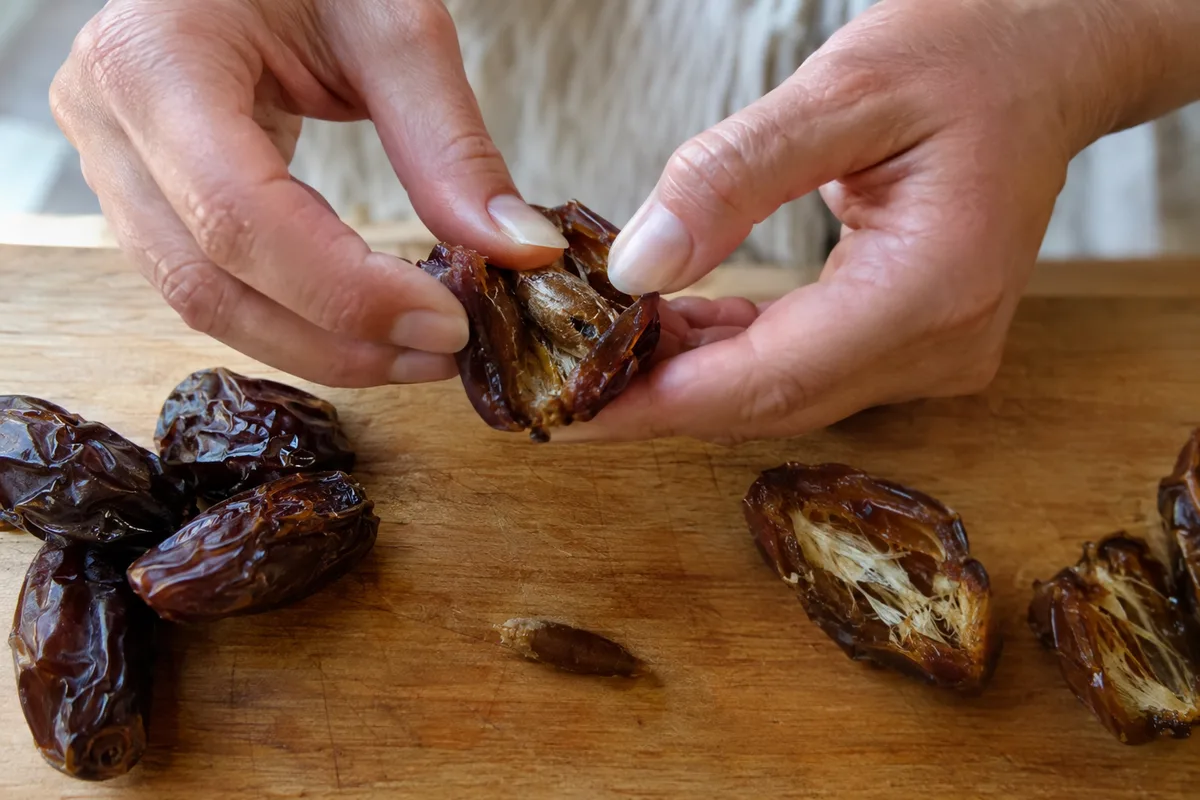
How to Eat Dates in Meals and Snacks
Dates can be eaten on their own or used to add sweetness and a chewy texture to meals. This guide covers preparation, serving ideas and practical ways to record them in your food diary.
-
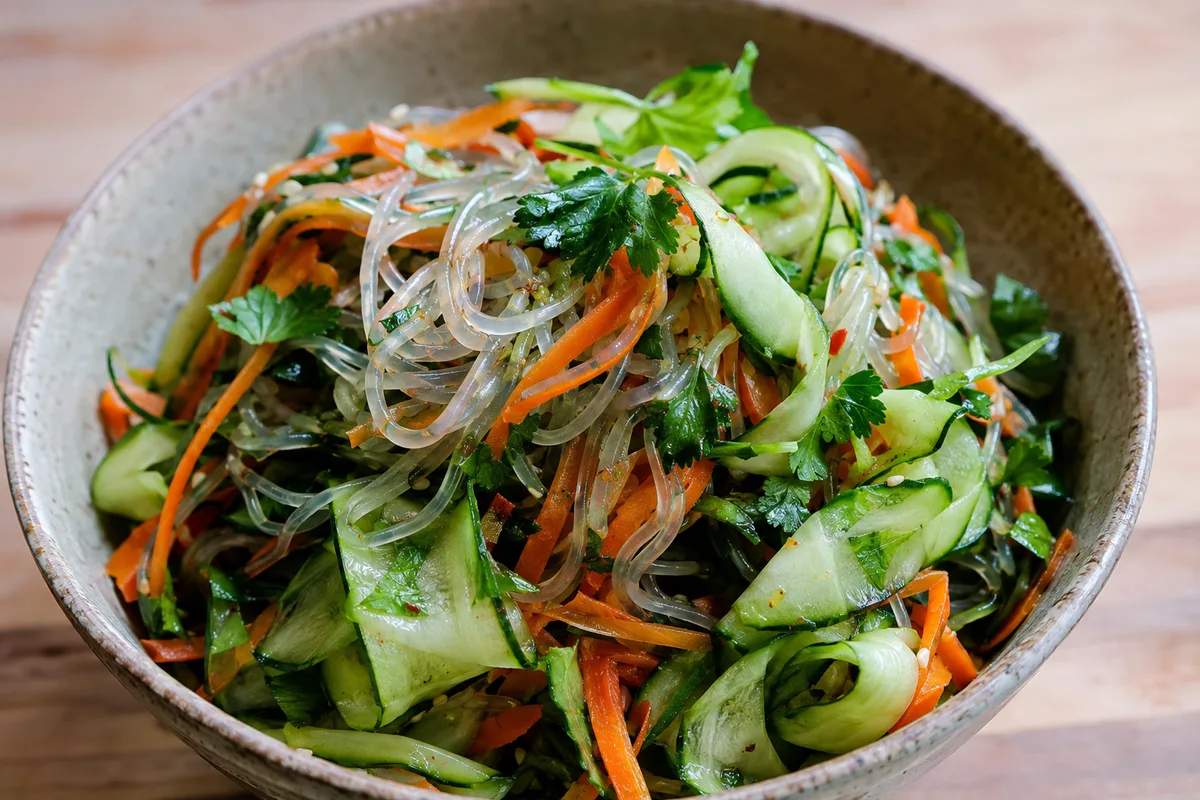
Kelp Noodles: Benefits, Limits and Ways to Enjoy Them
Kelp noodles can add seaweed, texture and variety to meals while contributing relatively little energy on their own. This guide explains their possible benefits, their nutritional limits and how to track and serve them as part of a balanced meal.