
Notes on eating well
Practical notes on eating, training and keeping track.
-

How to Judge Dr Oz Diet Tips Before Adding Them to Your Food Log
Diet tips linked to Dr Oz can range from ordinary meal ideas to bold claims about particular foods. This guide explains how to check the source, assess the evidence and use your food log to make a sensible decision.
-

Paprika: Benefits, Possible Side Effects and Ways to Use It
Paprika can bring colour, sweetness, smokiness or heat to everyday meals, usually without changing their energy content much. This guide explains its nutritional role, possible side effects and practical ways to cook with it.
-

How Many Times a Week Should You Train Your Legs?
The right number of leg sessions depends on your training, effort and ability to recover. This guide explains how to choose a workable frequency and adjust it using feedback from your own body.
-
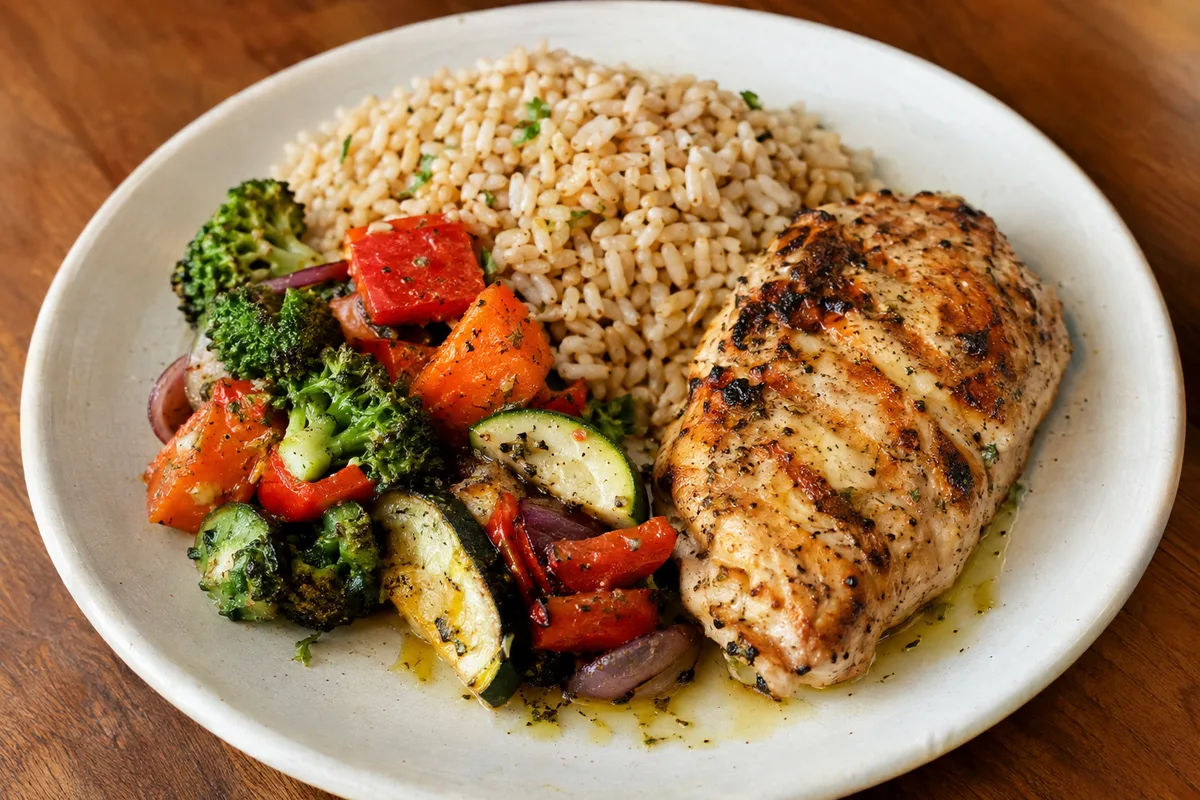
How to Count Macros Without Making It Complicated
Counting macros means tracking how much protein, carbohydrate and fat you eat, rather than looking only at calories. This guide explains how to choose targets, log foods and make useful adjustments.
-
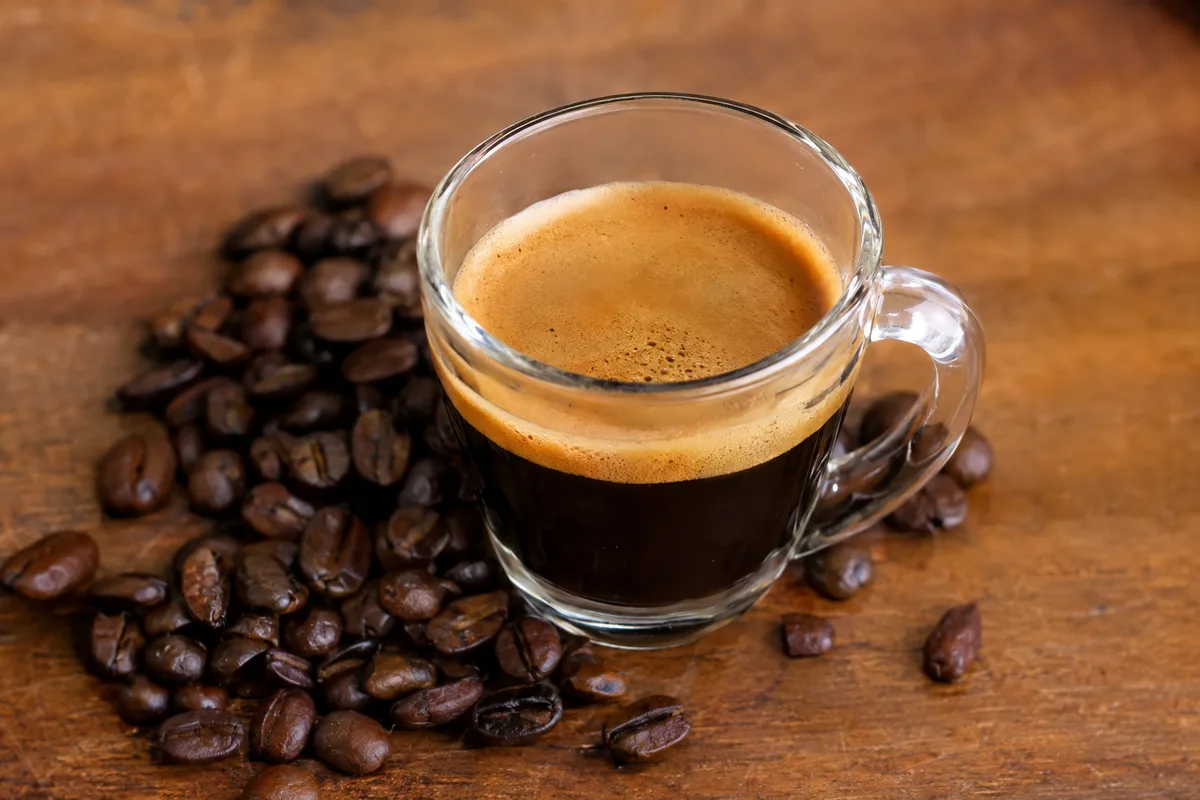
Is espresso bad for you? What to consider when you track it
Espresso is concentrated, yet a small serving may contain less caffeine than a much larger coffee. This guide explains what to track, how your own response matters and when small changes may help.
-

Which Foods and Drinks May Contain Aspartame?
Aspartame can appear in products made with less sugar or no added sugar, but similar products may use different sweeteners. This guide covers where to look, what labels can say and how to record it in your food diary.
-
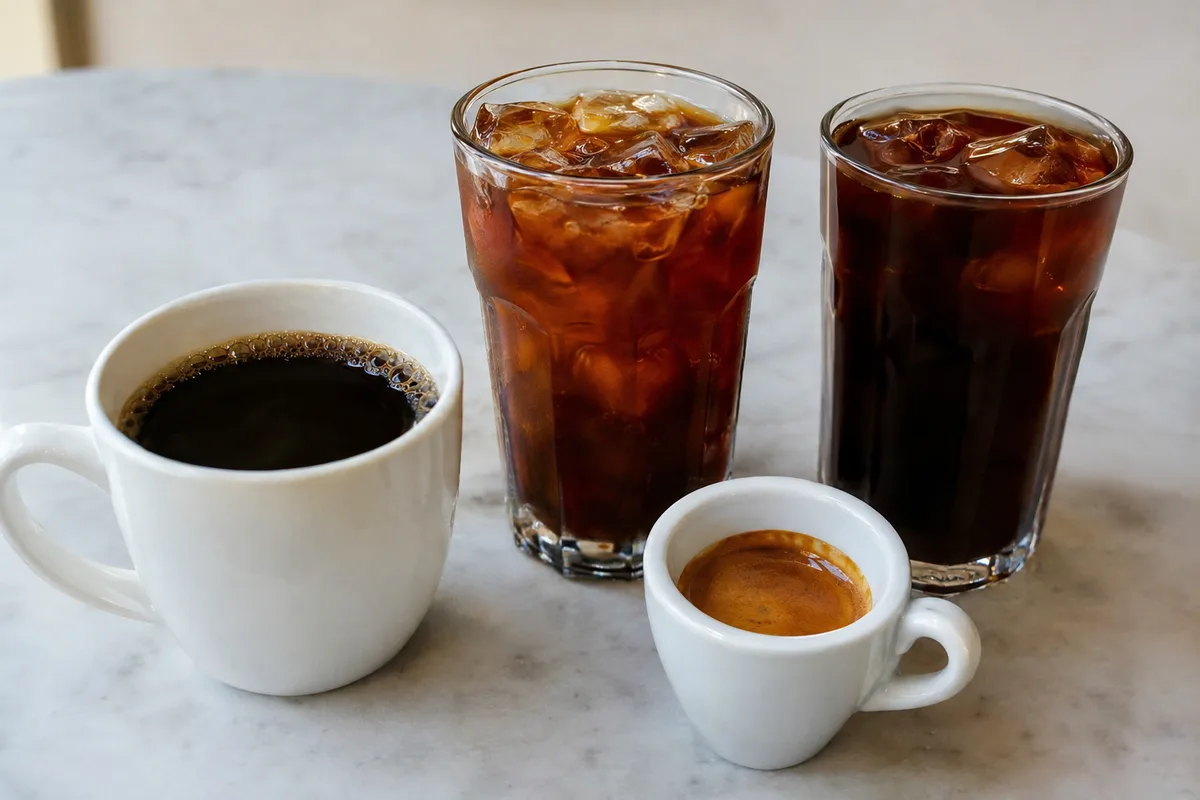
How to Order Lower-Calorie Coffee Drinks at Starbucks
A coffee order can change considerably once milk, syrup, sauces and toppings are added. This guide explains how to customise Starbucks drinks and record them more accurately.
-

The Best Protein Shake Is the One That Fits Your Day
Protein shakes vary in protein source, ingredients, texture and purpose. This guide explains how to choose and track one that suits your eating pattern rather than relying on a single “best” option.
-
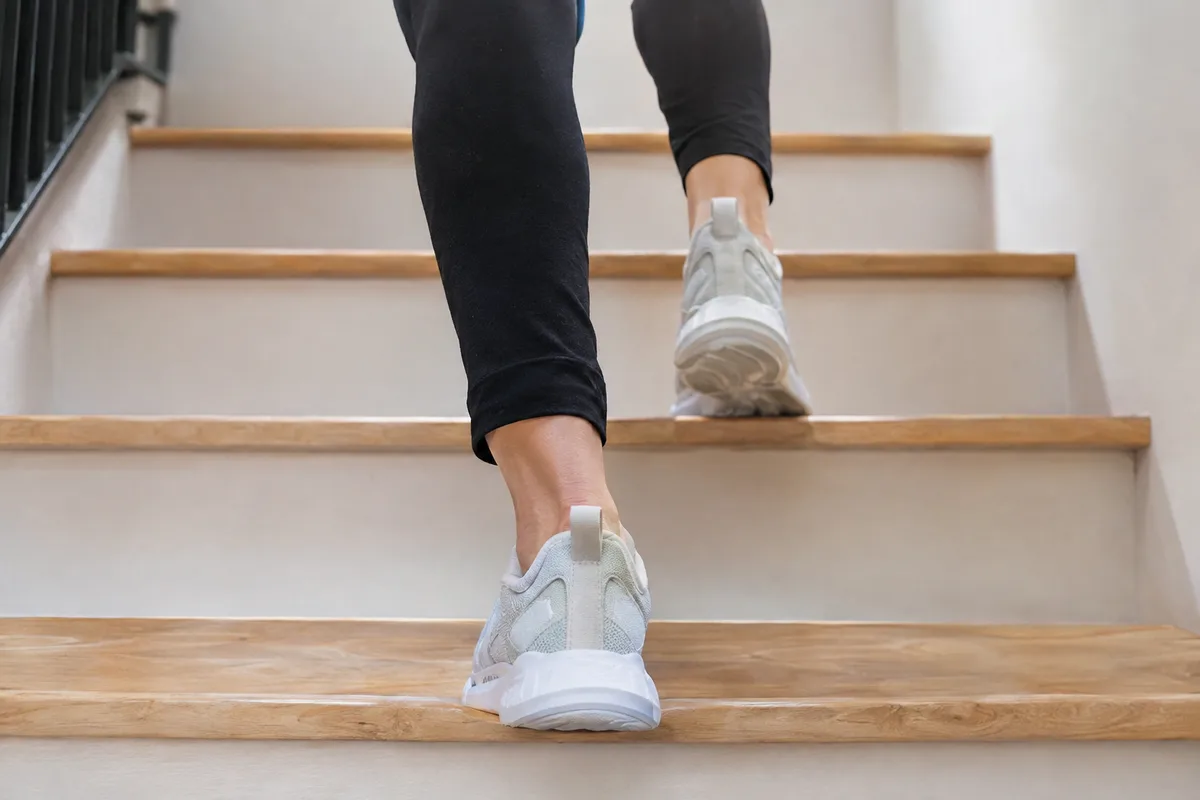
How to Convert Stair Climbing into Miles
Stair climbing can be recorded as vertical distance, distance travelled along the stairs or an energy-based walking equivalent. This guide explains each method and shows which measurements you need.
-
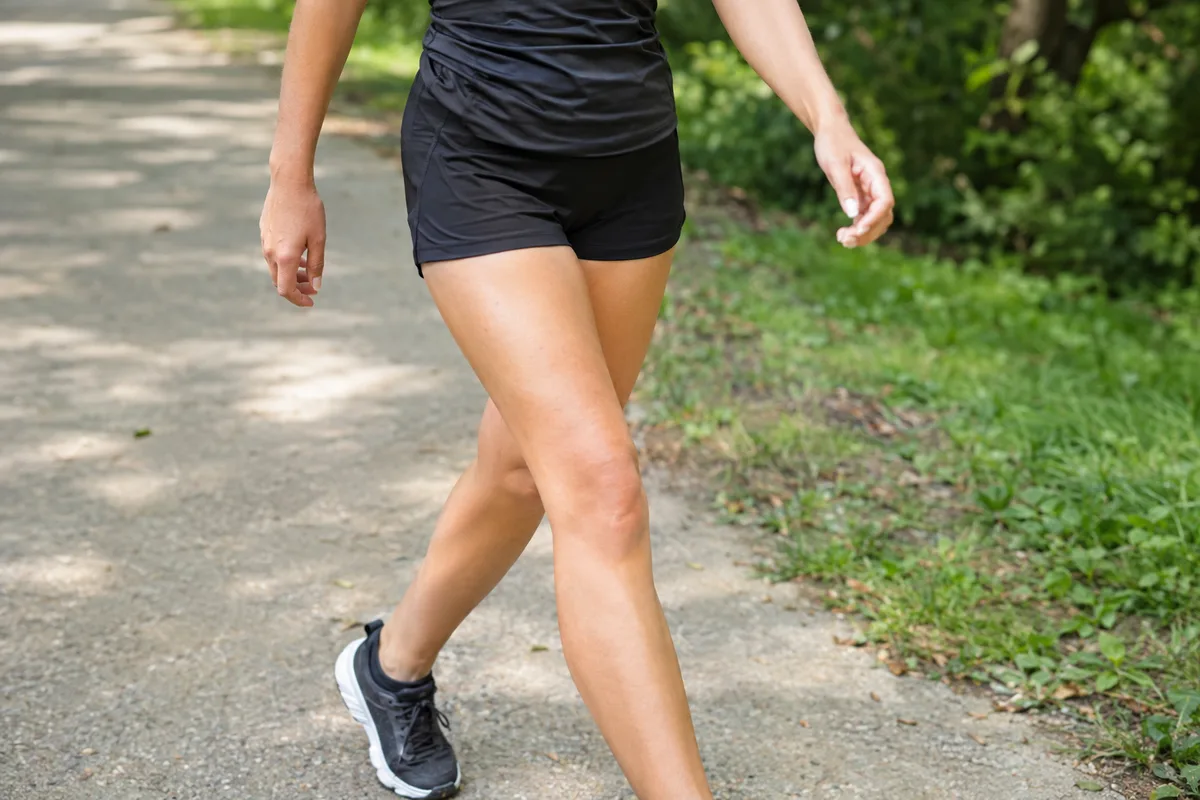
How many calories does a 40-minute brisk walk burn?
There is no single calorie figure for a 40-minute brisk walk because the effort varies by person and route. This guide explains what changes the result, how to estimate it and how to record it alongside your food.
-

Are Rice Cakes a Healthy Snack?
Rice cakes are light, convenient and easy to track, but they are not especially filling on their own. Here is how to judge their nutrition and turn them into a more balanced snack.
-
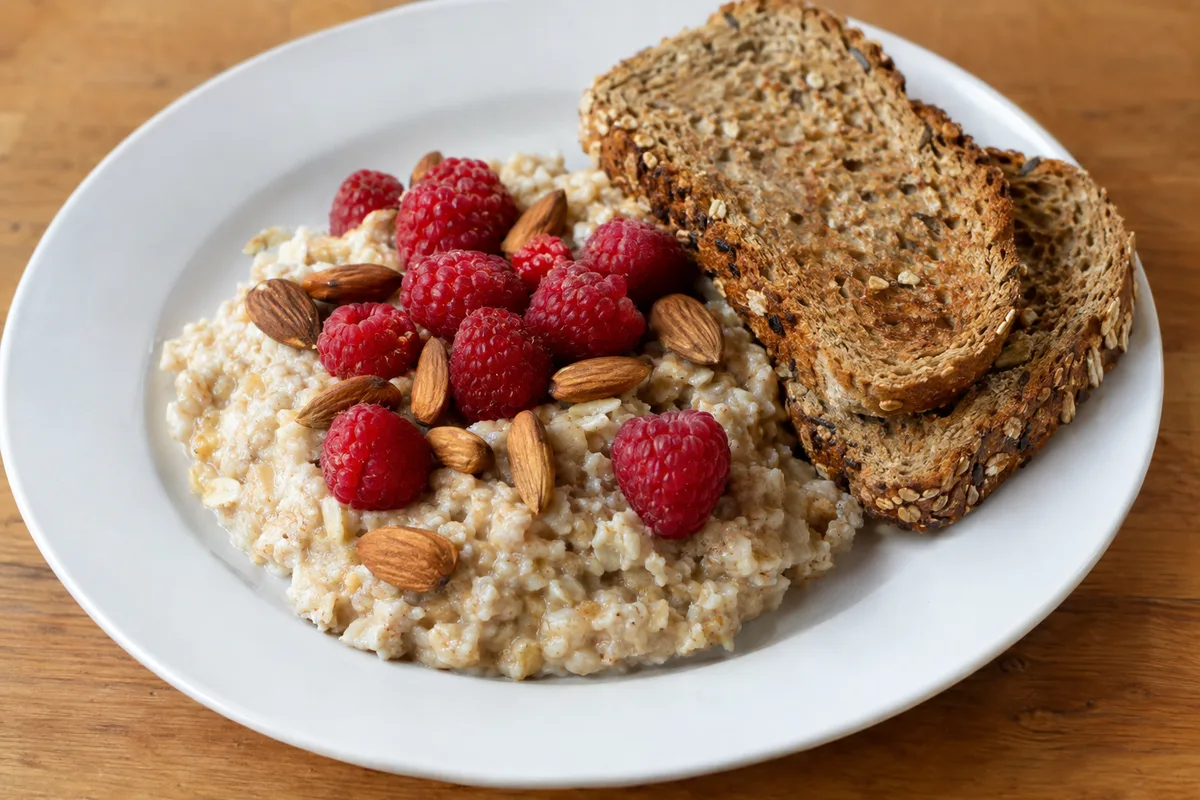
Does Fibre Have Calories?
Fibre is a carbohydrate, but your body does not use it in the same way as sugars and starches. Here is how fibre contributes to calories and how to record it without double-counting.
-
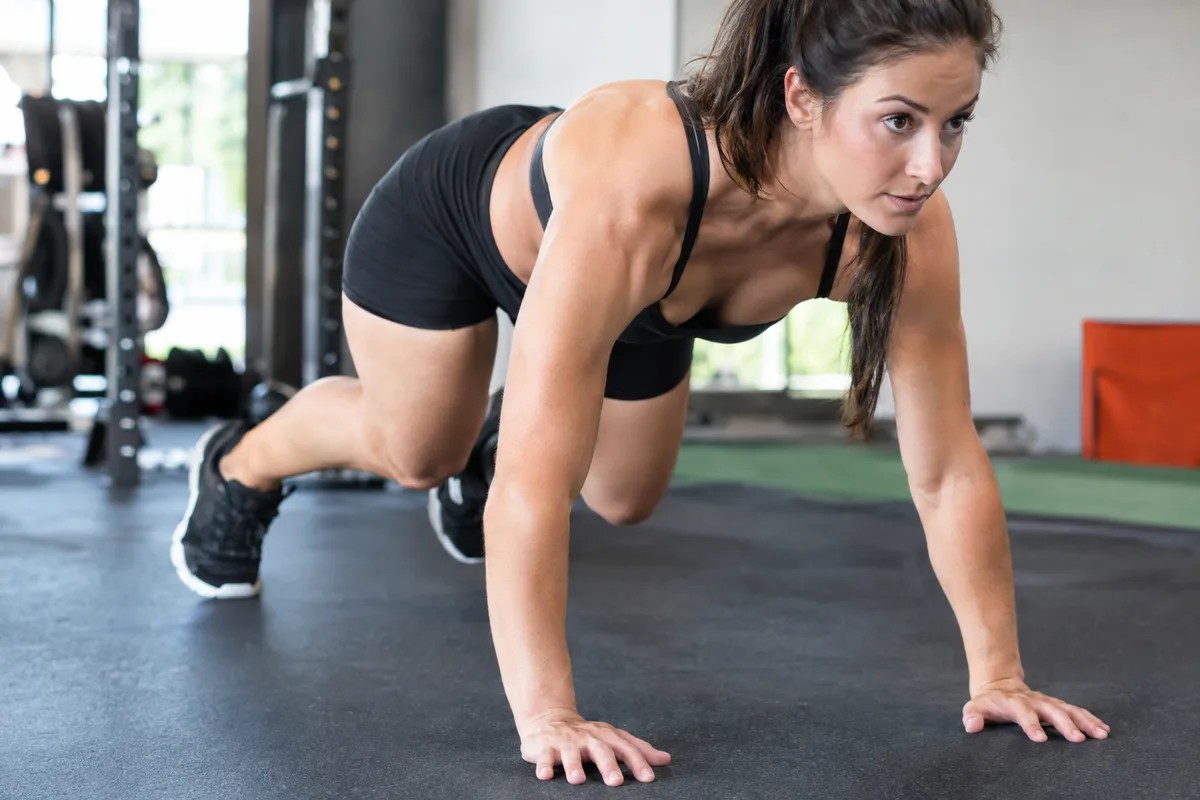
How to Do a Bear Crawl: Technique, Benefits and Variations
The bear crawl is a floor-based movement that asks your arms, legs and middle to work together. This guide explains the basic technique, common benefits, useful variations and simple ways to include it in your routine.
-
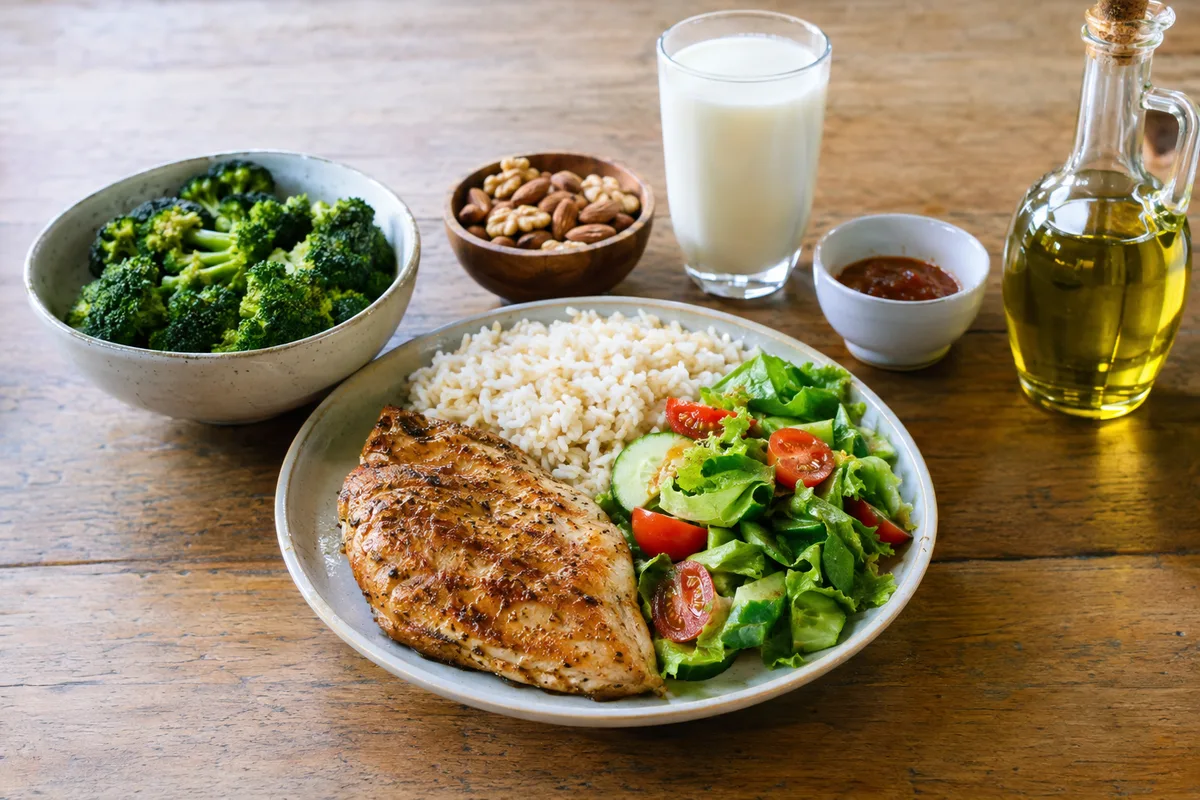
How to Work Out How Many Calories You Eat Each Day
Your daily calorie intake is the total energy in everything you eat and drink. This guide explains how to find that number, improve your food log and make sense of the result.
-

Comfrey tea: claimed benefits, side effects and safer choices
Comfrey tea is sometimes promoted as a soothing herbal drink, although reliable evidence of benefit from drinking it is lacking. This guide explains what it contains, why safety warnings matter and how to record it in your food diary.
-
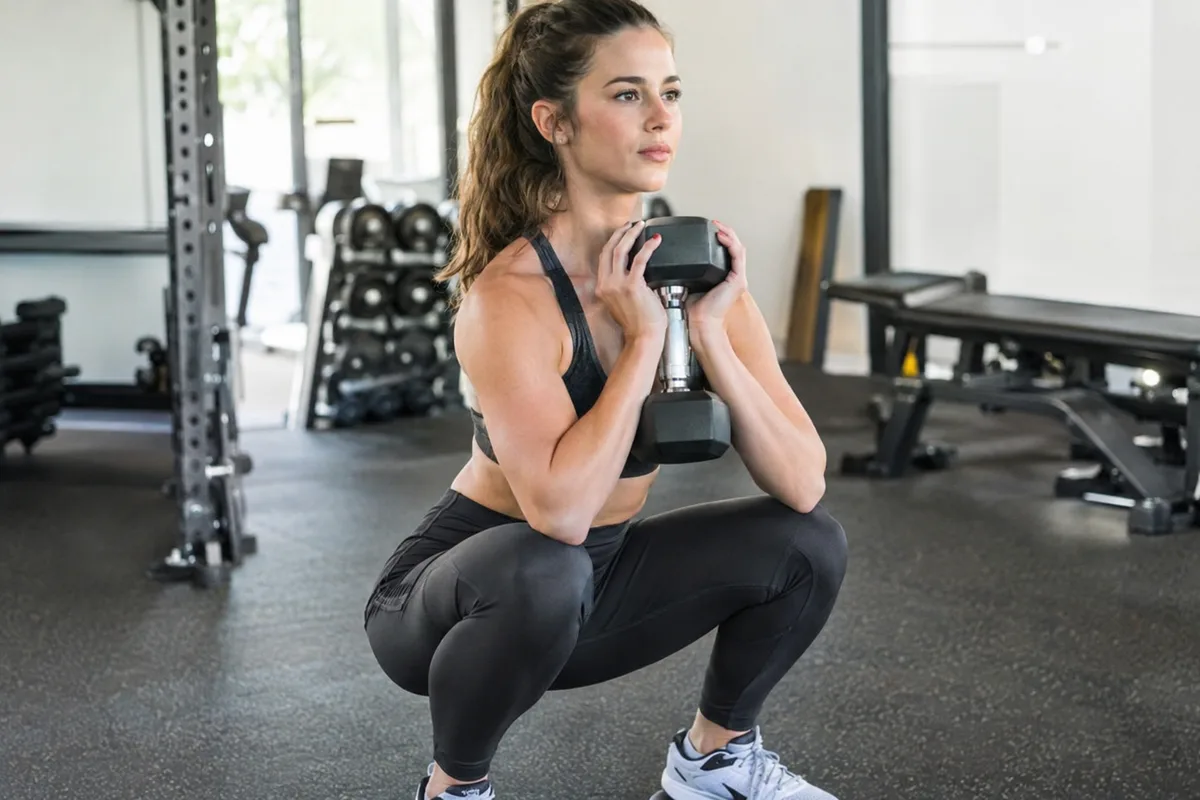
How to Make the Most of 10 Lb Dumbbells
A pair of 10 lb dumbbells, about 4.5 kg each, can support a varied strength programme at home or in the gym. This guide explains which exercises suit the weight, how to combine them and when to adjust the challenge.
-
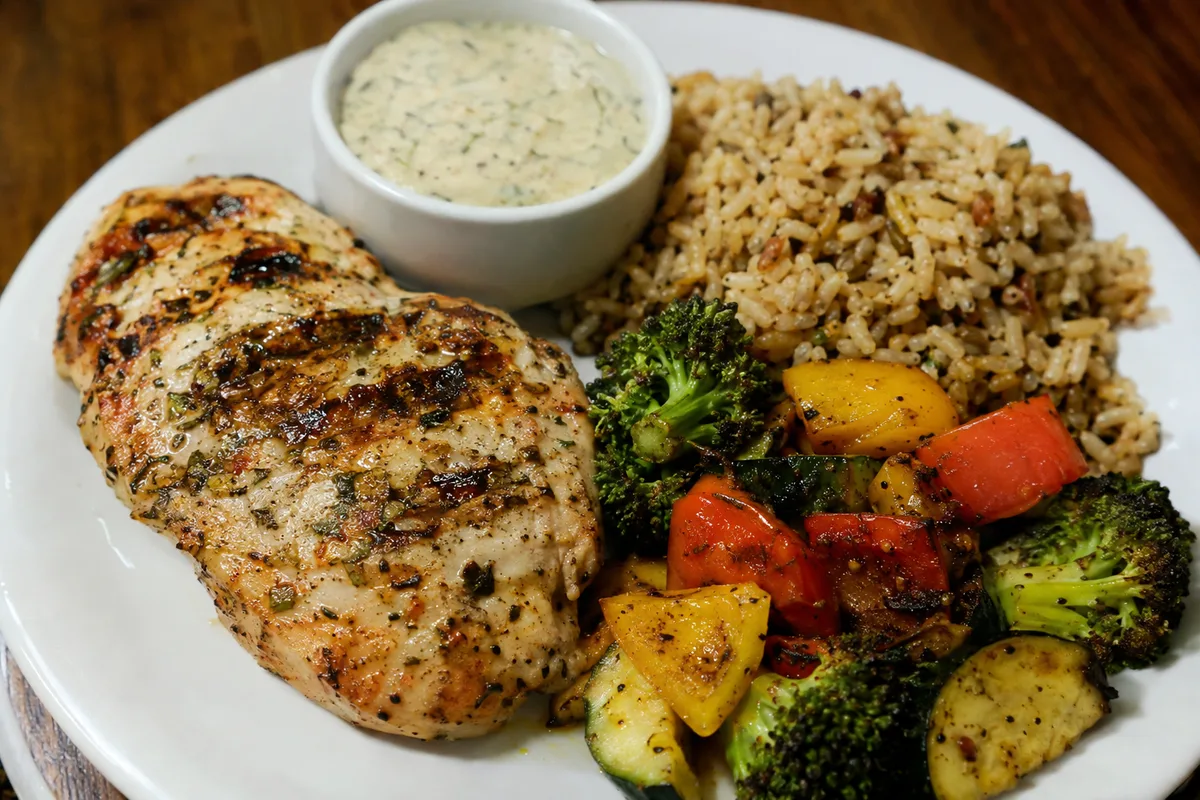
Why Water Weight Can Hide Your Weight-Loss Progress
Your weight can rise or fall even when your food intake stays consistent, because the amount of water in your body changes. This guide explains common causes of water weight and how to judge progress more calmly.
-
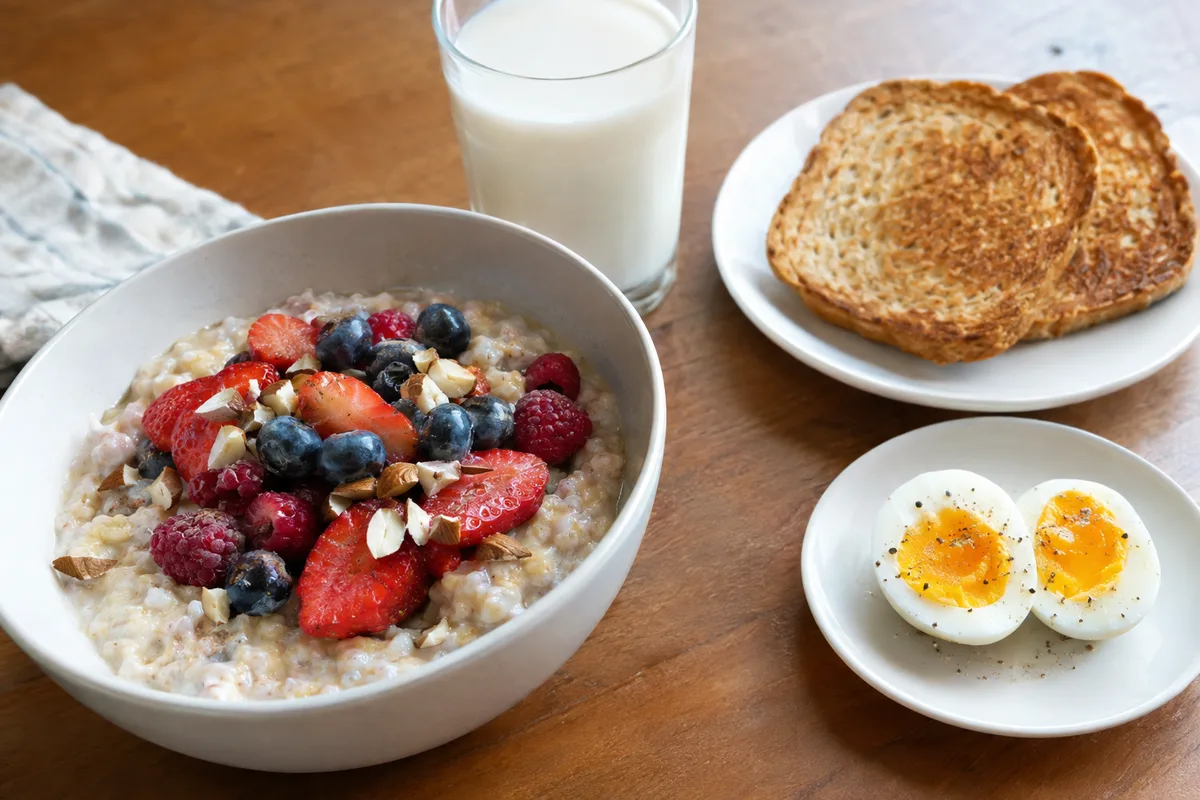
How many calories do you need each day?
Your daily calorie needs depend on your body, routine and aim, so there is no single number that suits everyone. This guide explains how estimates work and how to adjust one using what you already track.
-

A Gym Routine for Fat Loss and a More Defined Look
Toning up usually means reducing body fat while keeping or building muscle. This guide explains how to combine strength training, cardio, food tracking and recovery in a practical gym routine.
-
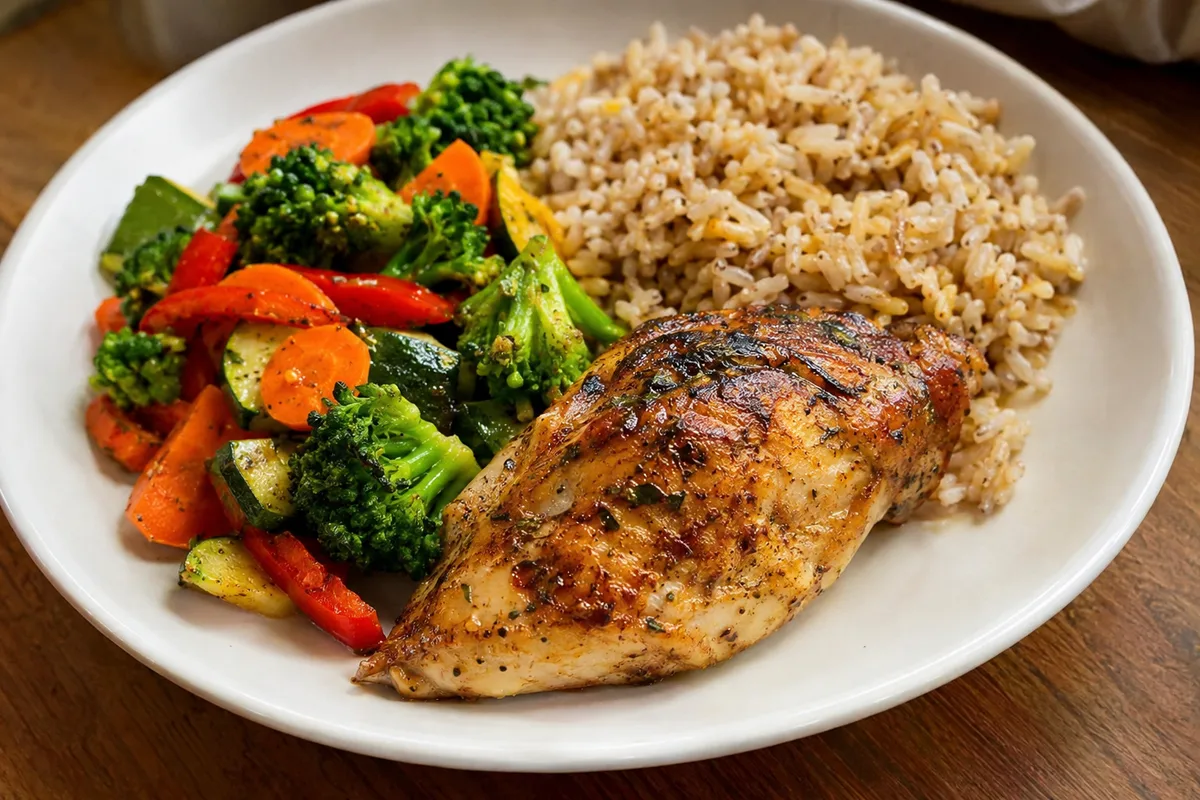
How Quickly Can Your Weight Change on a New Diet?
Starting a new diet can bring quick changes at first, followed by a slower and less predictable pattern. This guide explains why that happens, what affects your progress and how to judge whether your approach is working.