
Paprika: Benefits, Possible Side Effects and Ways to Use It
Paprika can bring colour, sweetness, smokiness or heat to everyday meals, usually without changing their energy content much. This guide explains its nutritional role, possible side effects and practical ways to cook with it.
What paprika is
Paprika is a ground spice made from dried peppers. Its flavour depends on the peppers used and the way they are dried, so one jar may taste mild and sweet while another is smoky or hot. The bright red colour comes from natural pigments in the peppers.
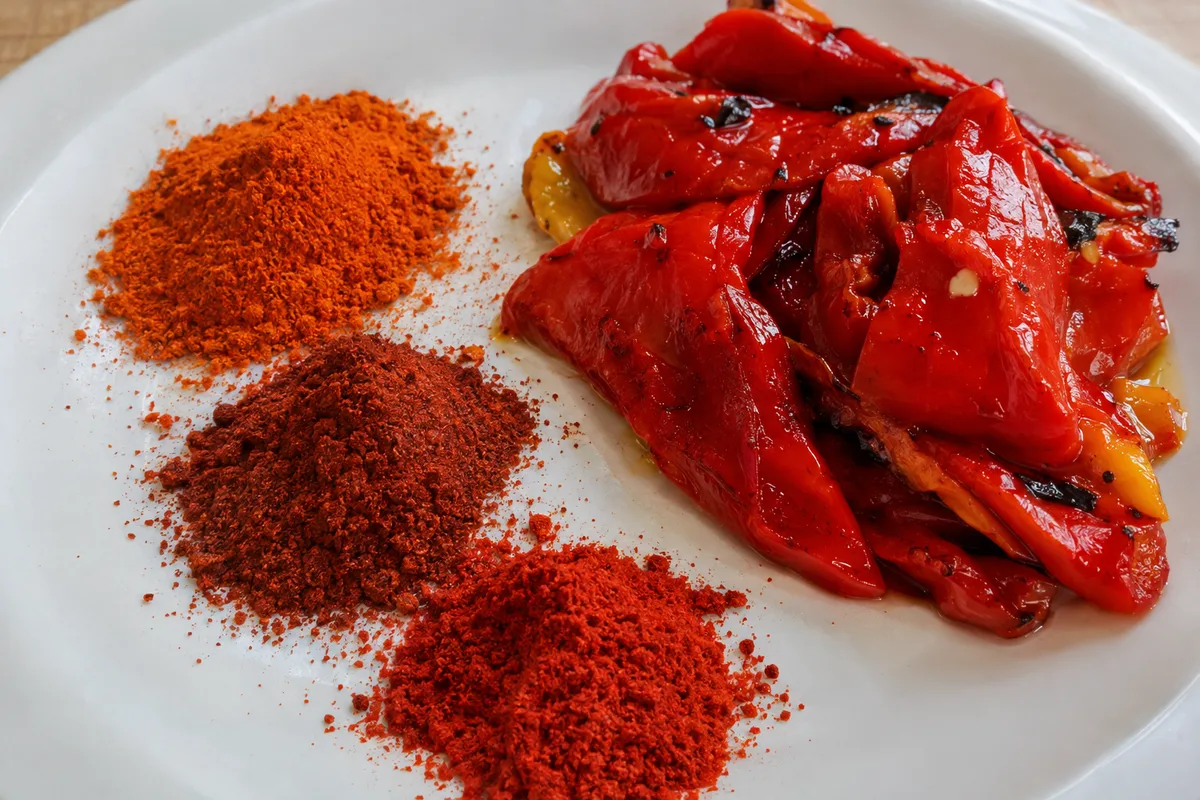
Sweet paprika has a gentle pepper flavour and works well when you want colour without much heat. Hot paprika contains more of the compounds that create a burning sensation. Smoked paprika is dried over smoke, giving food a deeper flavour that can resemble slow cooking or grilling.
- Sweet paprika for mild flavour and colour
- Hot paprika for warmth and a sharper finish
- Smoked paprika for a rich, smoky taste
- Mixed or half-sharp paprika for a balance of sweetness and heat
What paprika can add to your diet
Paprika contains plant pigments called carotenoids, along with small amounts of several vitamins and minerals. The amount you receive from a normal serving is usually modest because paprika is used as a seasoning rather than a main ingredient. It can still contribute variety alongside vegetables, fruit and other plant foods.
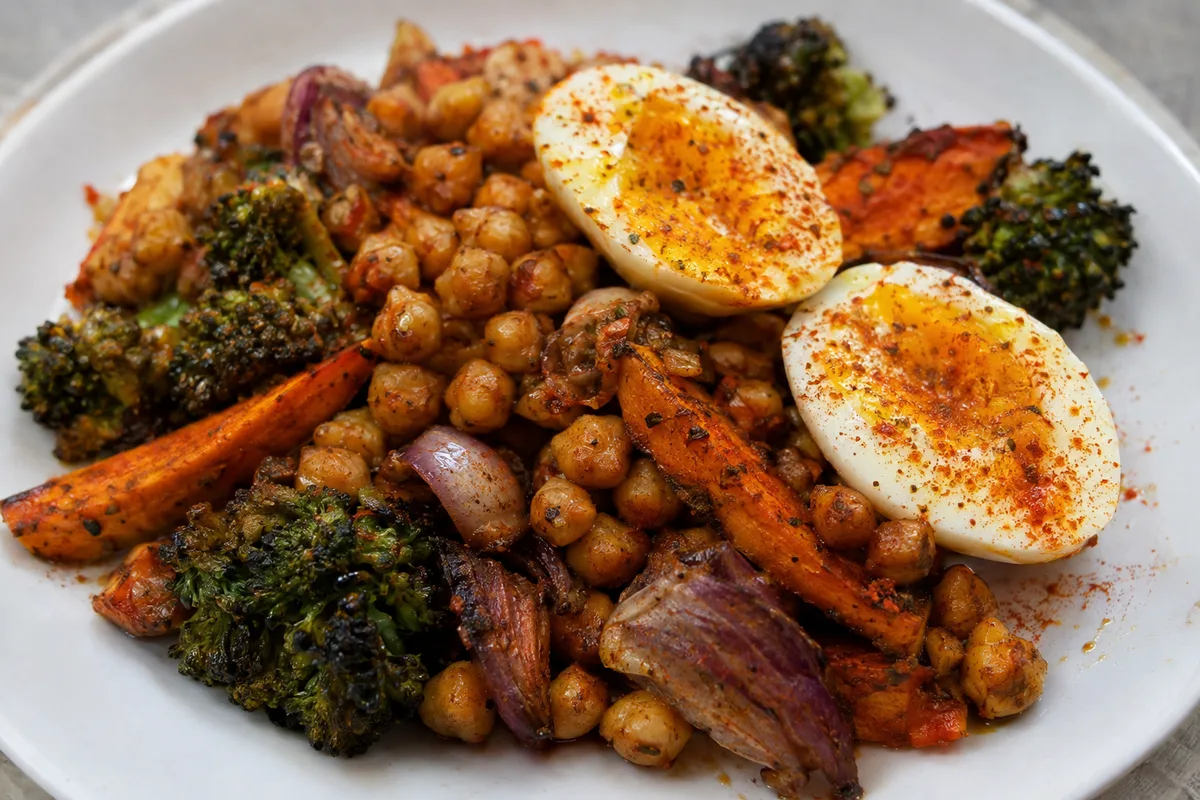
Its strongest practical benefit may be flavour. Paprika can make vegetables, pulses, eggs, fish and lean meats more appealing without relying only on salt, sugar or rich sauces. Because the quantity used is usually small, its direct effect on the energy total of a meal is also generally small.
- Add colour to roasted vegetables
- Season beans, lentils or chickpeas
- Flavour eggs, fish, chicken or tofu
- Stir into soups and tomato-based dishes
- Combine with garlic, cumin or dried herbs
Possible side effects and sensitivities
Paprika is comfortable for many adults in ordinary food amounts, but tolerance varies. Hot varieties may cause a burning feeling in the mouth or digestive discomfort, especially when used heavily. Start with a light sprinkle if you are unsure how much heat suits you.
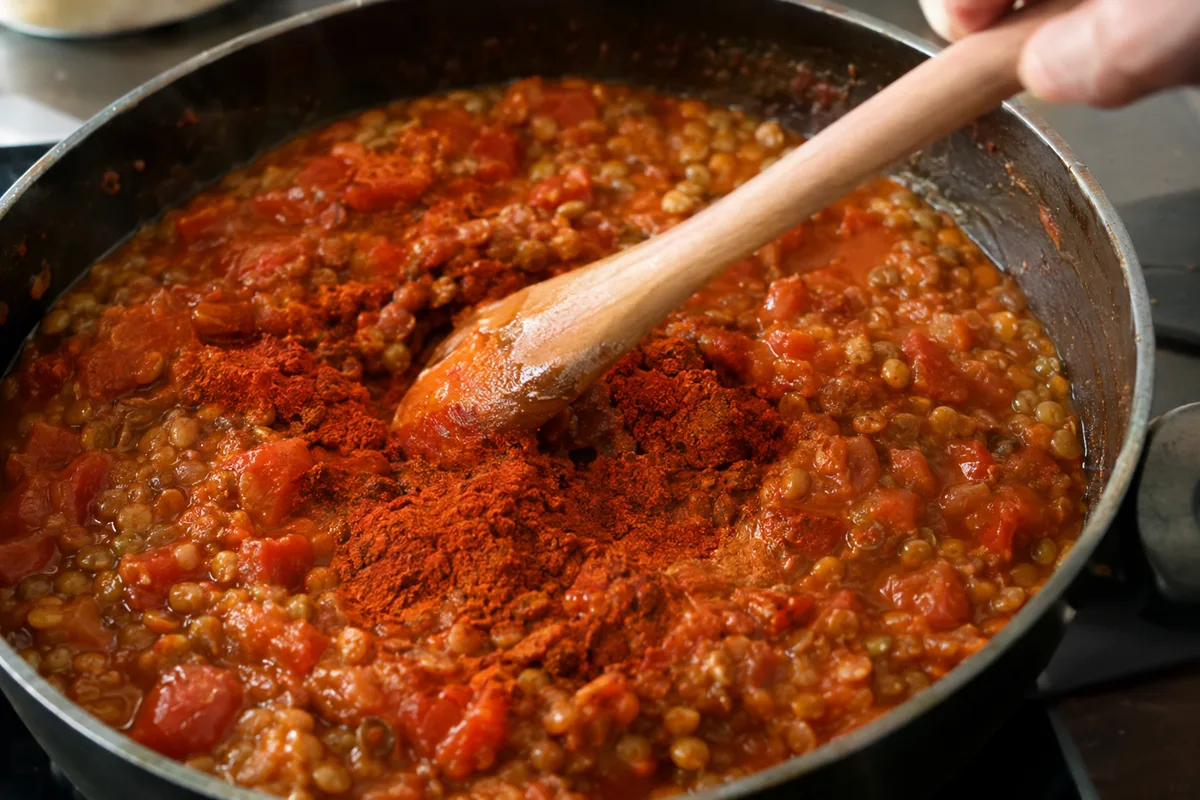
The fine powder can irritate the eyes, nose or throat if it becomes airborne. Avoid leaning directly over the container when shaking or spooning it out, and wash your hands before touching your face. A rare sensitivity may cause itching, swelling or breathing difficulty, and serious symptoms need urgent medical attention.
Paprika blends may contain more than ground pepper. Added salt, chilli, sugar or other seasonings can affect flavour, tolerance and what you record. Check the ingredient list when using a blend rather than plain paprika.
- Use less hot paprika if it causes burning or discomfort
- Keep loose powder away from the eyes and nose
- Check blends for salt, sugar and extra spices
- Avoid an ingredient that has previously caused a reaction
Choosing and storing paprika
Choose the type according to the dish rather than judging by colour alone. Sweet paprika suits gentle sauces and egg dishes, while smoked paprika can dominate delicate foods if too much is added. Hot paprika is easier to increase gradually than to remove once mixed in.
Keep paprika tightly closed in a cool, dry and dark cupboard. Heat, moisture and strong light can weaken its colour and aroma over time. If it smells flat or dusty and adds little flavour, replacing it may give better results than simply adding more.
- Match sweet paprika with mild dishes
- Use smoked paprika where a deeper flavour fits
- Add hot paprika in small stages
- Store away from the cooker, steam and direct light
How to prepare and cook with paprika
Paprika can taste harsh if it burns. When cooking it in oil, use gentle heat and stir it briefly before adding liquid or other ingredients. This helps release its colour and aroma without leaving it scorched.
For roasted foods, mix paprika with a small amount of oil or another moist ingredient so it coats the surface evenly. For soups, stews and sauces, stir it in early enough to blend but taste again near the end. A final light dusting can add colour, although uncooked paprika may taste more powdery.
Balance matters when combining paprika with other seasonings. Garlic, onion, cumin, oregano and black pepper can support it, while lemon juice or vinegar can brighten a heavy smoky flavour. Begin with less, taste the dish and add more only if needed.
- Stir into yoghurt or a soft cheese for a savoury dip
- Mix with oil and herbs before roasting vegetables
- Add to a tomato, bean or lentil sauce
- Dust lightly over cooked eggs or potatoes
- Blend into a dry rub for tofu, fish or meat
Recording paprika in your food log
Plain paprika usually makes a small contribution to the energy in a meal because the serving is small. Whether you record it separately depends on your tracking approach and the quantity used. Consistency is more useful than worrying about a trace amount on one occasion.
Pay closer attention to the ingredients used with paprika. Cooking oil, creamy bases, cheese, sugar and ready-made seasoning blends may contribute more energy or salt than the spice itself. Record the amount you actually use rather than assuming the whole prepared mixture ends up on your plate.
If you make a paprika seasoning mix, enter each ingredient and divide the total across the portions used. Save the mixture as a recipe if it is something you prepare regularly. The exact contribution depends on your ingredients, serving size and how much remains in the pan or bowl.
- Log plain paprika when the amount matters to your usual method
- Record oils and rich sauce ingredients separately
- Check whether a seasoning blend contains added ingredients
- Save repeat mixtures as recipes for consistent entries