
Why Water Weight Can Hide Your Weight-Loss Progress
Your weight can rise or fall even when your food intake stays consistent, because the amount of water in your body changes. This guide explains common causes of water weight and how to judge progress more calmly.
Water weight is not the same as body fat
The number you record reflects everything in your body at that moment. That includes body fat, muscle, water, food being digested and waste waiting to leave. A change in the total does not tell you which of these has changed.

Body fat changes when energy intake and energy use are out of balance over time. Water can shift much more quickly in response to meals, activity, hormones and hydration. This means a short-term rise can appear during fat loss, while a quick fall may mainly reflect less water rather than less fat.
- Body fat usually changes gradually
- Body water can move up or down over a short period
- Food and drink add temporary weight while being processed
- One measurement cannot show what caused the change
Food choices can change how much water you hold
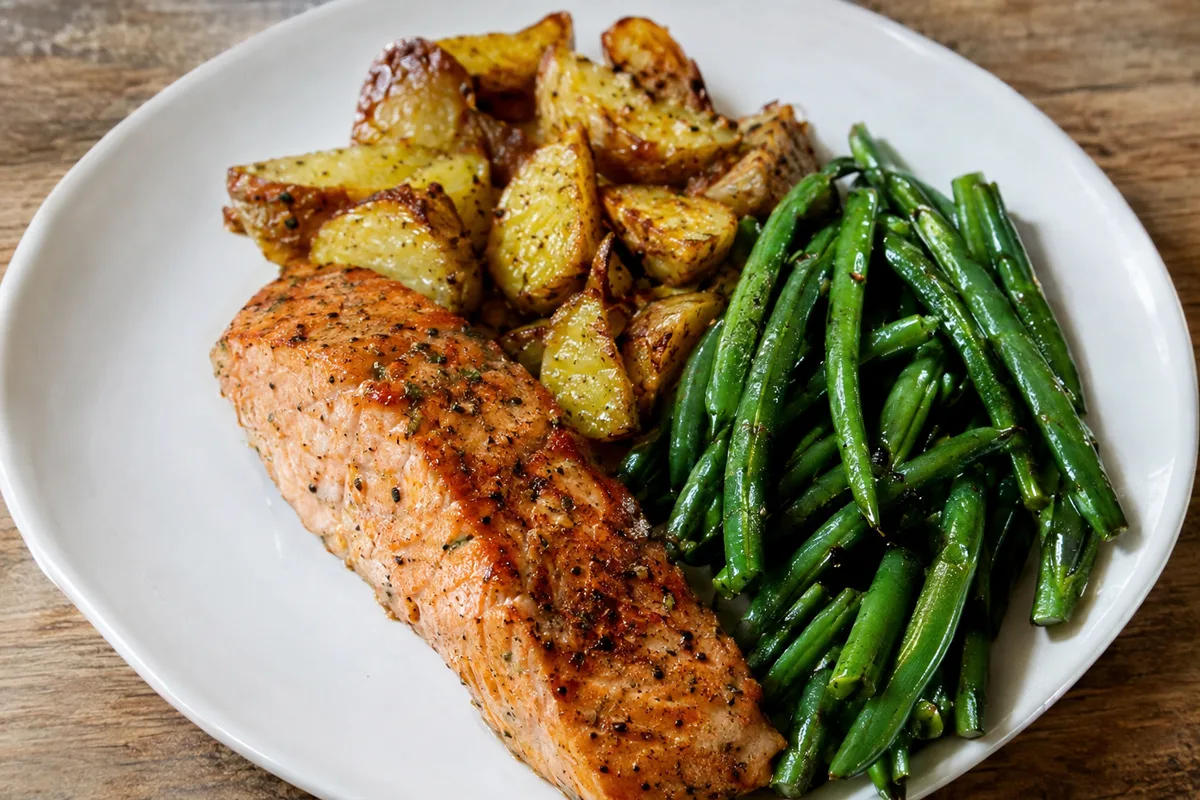
Saltier food can lead your body to hold more water for a while. This may happen after a restaurant meal, a takeaway or a day with more packaged foods than usual. It does not mean that the meal created an equal amount of body fat.
Carbohydrate intake can affect water weight too. Your body stores some carbohydrate as glycogen, and water is stored alongside it. Eating more or less carbohydrate than usual can therefore move your recorded weight even when your overall eating pattern remains broadly consistent.
- Compare salty meals with your usual intake rather than labelling them as bad
- Expect a change after an unusually high- or low-carbohydrate day
- Keep logging sauces, dressings, snacks and drinks for a clearer picture
- Look at several ordinary days instead of judging one unusual meal
Activity, hormones and digestion also matter
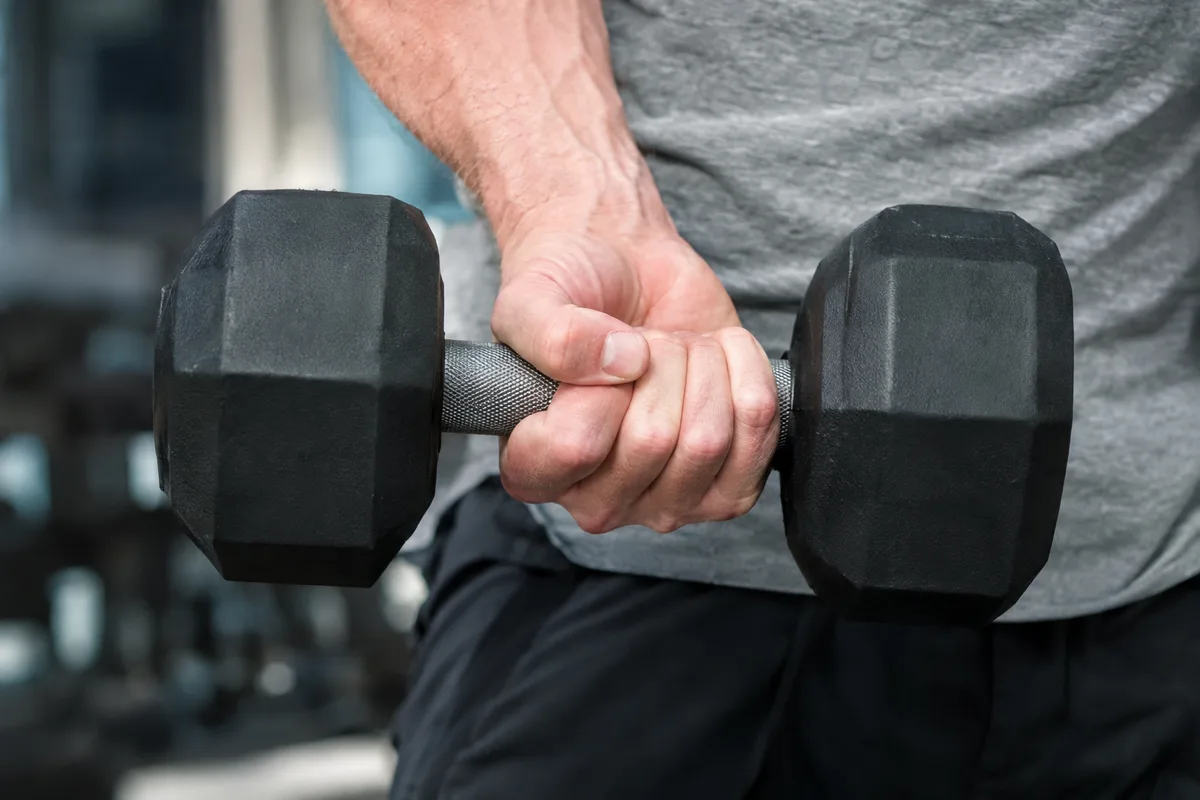
A new or harder workout can temporarily increase water in the muscles as they recover. This is part of the body’s normal response to activity, so the number may rise even though you have followed your plan. A gentler training day can produce a different reading without representing a change in body fat.
Hormonal changes can also alter fluid balance, including across the menstrual cycle. Digestion adds another layer because meal size, fibre intake and bowel contents vary from day to day. These effects differ between individuals, so there is no single expected amount of water-weight change.
- A harder strength session than usual
- A change in the menstrual cycle
- A larger or later meal
- More or less fibre than usual
- Changes to usual bowel habits
Hydration can make the trend look confusing
Drinking water adds weight immediately because the fluid is physically present, but that does not make drinking water a barrier to fat loss. Your body continually adjusts fluid through urine, sweat and breathing. The timing of drinks can therefore affect a single measurement.
Drinking less does not provide a useful shortcut to fat loss. It may lower the number temporarily, but the change mainly reflects reduced fluid. A steadier drinking routine makes your records easier to compare and supports normal daily function.
- Drink regularly rather than trying to influence a measurement
- Expect hot weather and sweating to affect fluid balance
- Record alcohol if you track it, as it can disrupt your usual eating and hydration pattern
- Compare days with similar routines where possible
Use consistent measurements to reveal the pattern
If you choose to record your weight, use similar conditions each time. A consistent time of day, clothing routine and point in your morning routine can reduce avoidable noise. Consistency will not remove every water shift, but it makes comparisons more meaningful.
Focus on the direction across a run of entries rather than reacting to one result. You might use a weekly average or a trend line if your tracking method provides one. The useful time period depends on the person, particularly when routines or hormonal patterns vary.
- Measure at a similar time of day
- Use the same clothing routine
- Keep the surrounding routine consistent
- Review averages or trends rather than isolated entries
- Add brief notes about unusual meals, activity or travel
Read water changes alongside your food log
Your food record gives context that a weight entry cannot provide on its own. If the number rises after a salty meal, a harder workout or a change in carbohydrate intake, water is one possible explanation. Avoid changing your calorie target in response to a single reading.
Keep following your usual tracking routine and review the wider pattern. Check whether your entries are complete, whether portions have changed and whether your activity has been different. If the overall trend remains unclear for a sustained period, review your routine calmly rather than trying to force a quick drop in water weight.
- Check the longer-term direction
- Review logged portions and overlooked extras
- Note changes in salt, carbohydrate and fibre intake
- Consider recent exercise and daily movement
- Make adjustments from repeated patterns, not one measurement