
Notes on eating well
Practical notes on eating, training and keeping track.
-
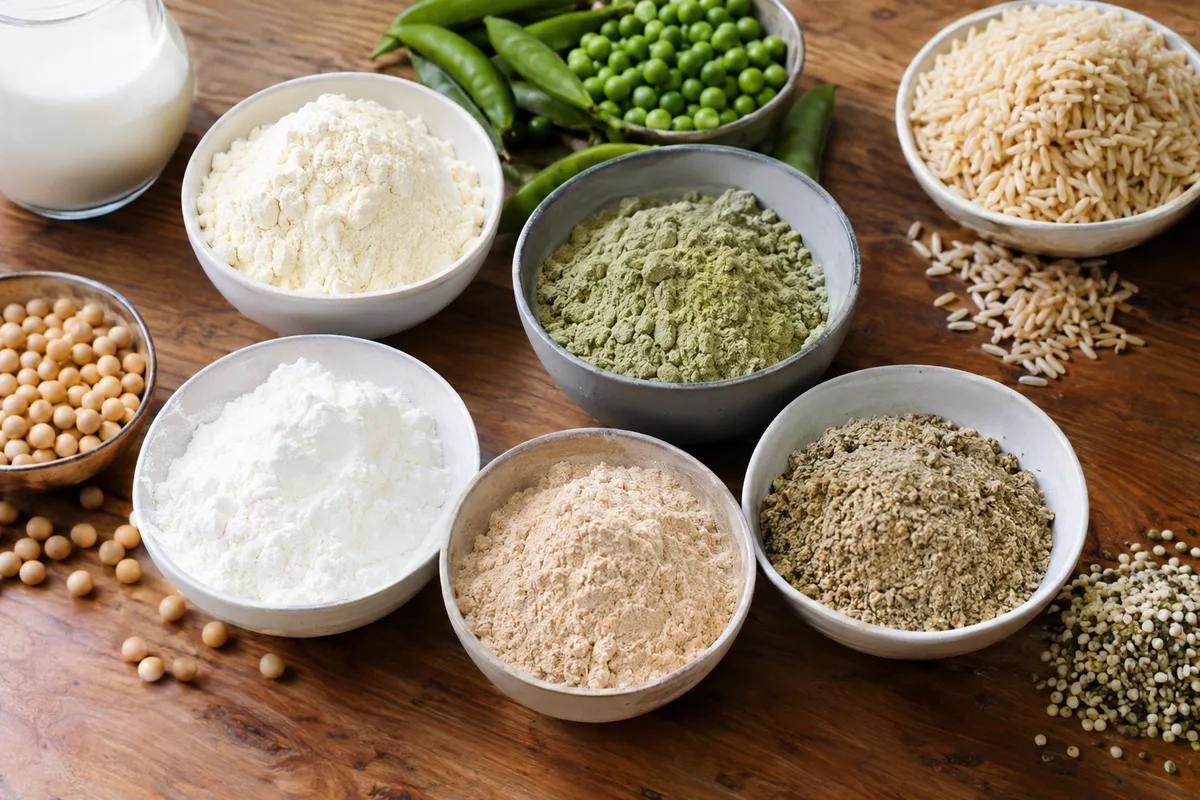
A Practical List of Gluten-Free Protein Powders
Protein powder can be made from milk, eggs, plants or other ingredients, and many plain varieties contain no gluten ingredients. This guide explains the main options, possible sources of gluten and what to check before adding a powder to your food log.
-
Is Water Fasting Safe? What to Know Before Skipping Food
Water fasting means drinking water while eating no food, which is different from simply leaving a longer gap between meals. This guide explains what happens, the main safety concerns and why tracking can help you choose a steadier approach.
-

How registered dietitian nutritionists approach a McDonald’s order
There is no single McDonald’s order that every registered dietitian nutritionist would choose. These practical examples show how nutrition professionals may build a meal around hunger, balance and enjoyment.
-
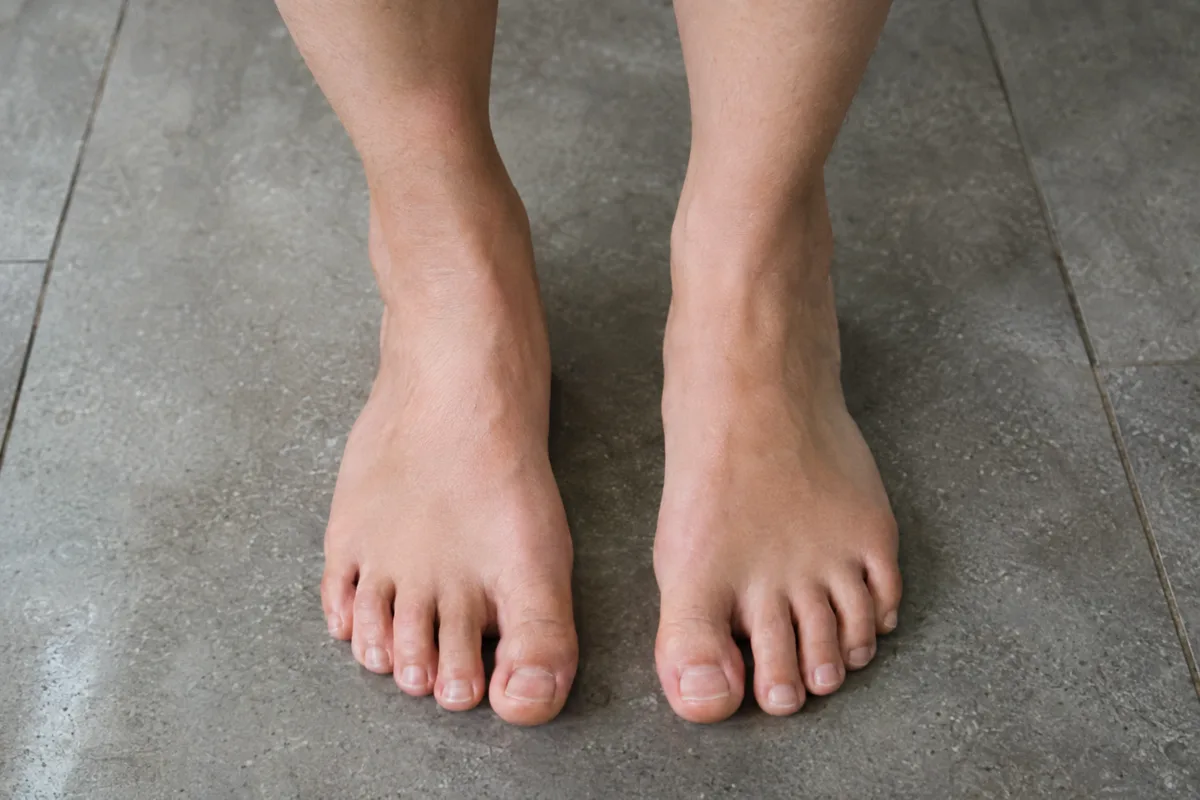
How to Choose the Best Body Fat Monitor for Your Routine
The best body fat monitor is one you can use consistently while understanding what its readings can and cannot tell you. This guide explains the main options, the features that matter and how to track changes without overreacting to a single result.
-
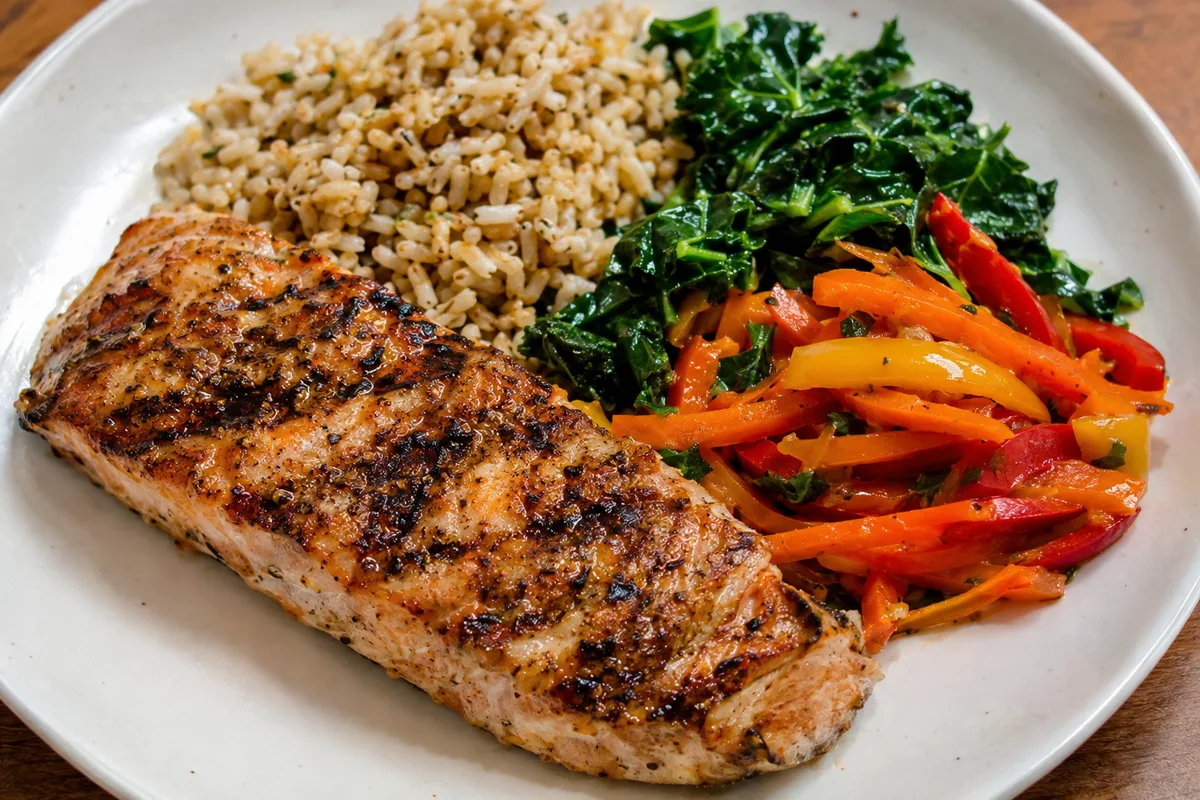
Vitamins explained: what they do and how to track them
Vitamins help the body carry out everyday jobs, but they do not provide energy in the same way as protein, carbohydrate and fat. This guide explains the main vitamin groups, where they come from and how to use your food log sensibly.
-
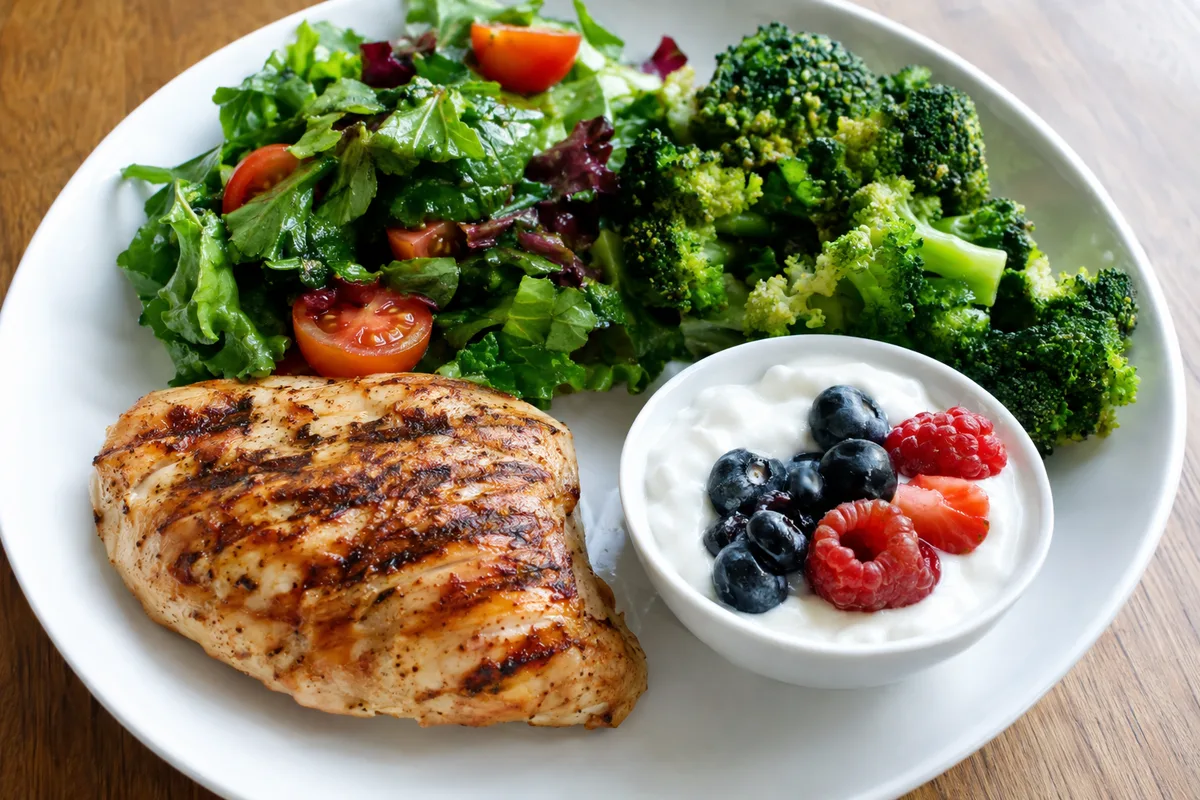
The 17 Day Diet: How It Works, Its Pros and Its Drawbacks
The 17 Day Diet uses a series of short phases that change which foods you eat and when you eat them. This guide explains the basic rules, how to track the plan and what to consider before following it.
-
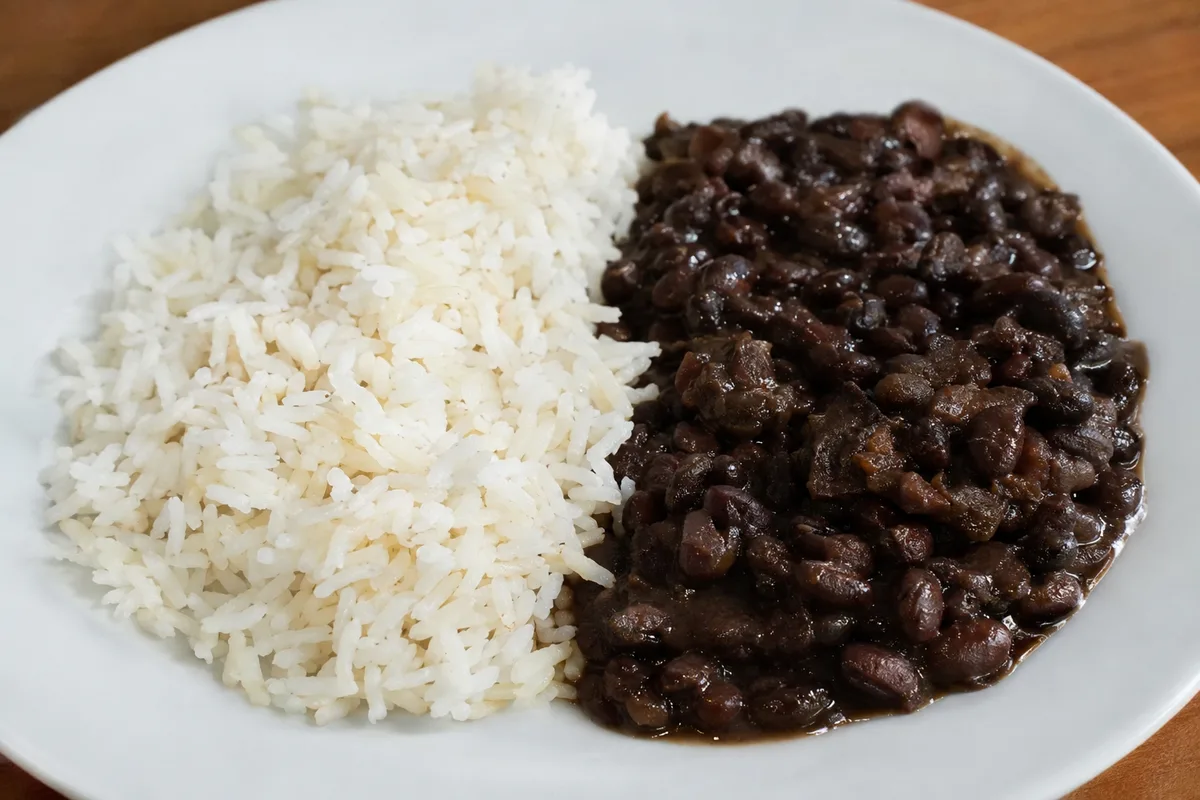
How Much Protein Do Rice and Beans Provide?
Rice and beans both provide protein, but beans usually make the larger contribution. This guide explains how the pairing works and how to record it in your food diary.
-

How to Choose a Lower-Calorie Treat at Dairy Queen
Dairy Queen portions, toppings and recipes can make a large difference to the energy in a treat. This guide explains how to compare the menu, make simple adjustments and record what you actually eat.
-
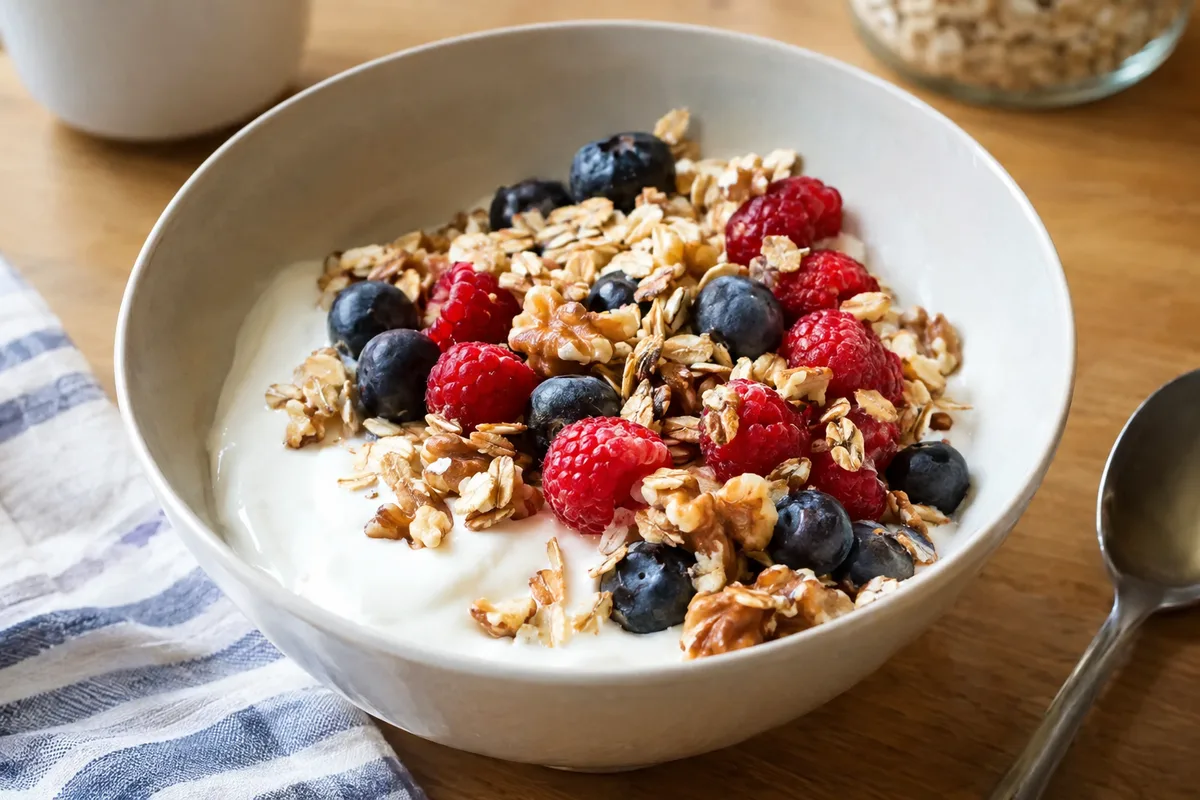
Can Women Eat Too Much Yoghurt?
There is no single yoghurt limit that suits every woman. This guide explains what to look for in your food log, from added sugar and saturated fat to digestion and dietary variety.
-
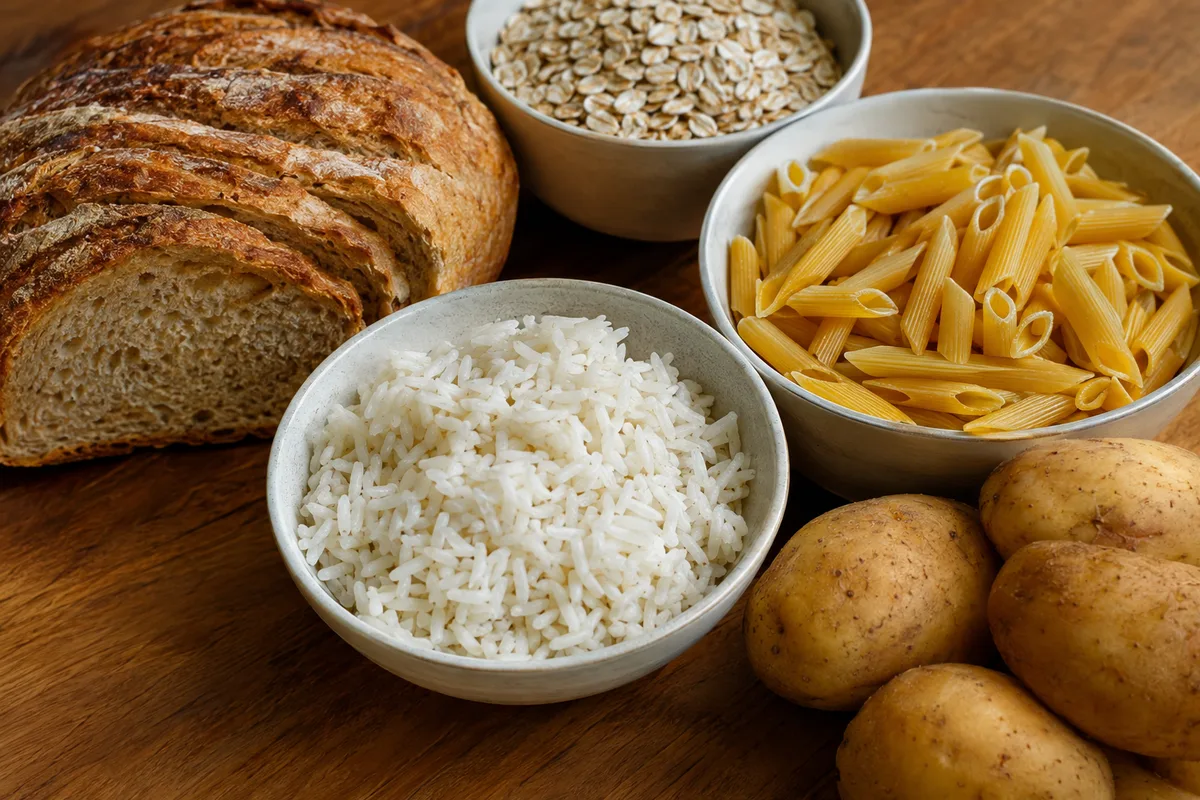
Which foods are high in carbohydrates?
Carbohydrates are found in far more than bread, pasta and sweets. This guide explains the main sources, what food labels mean and how to record them consistently.
-

How to Choose Support for a Sore Heel
Heel soreness can make everyday walking uncomfortable, but the most suitable support depends on where, when and why it hurts. This guide explains common product types, what to look for and how to judge whether an option is helping.
-
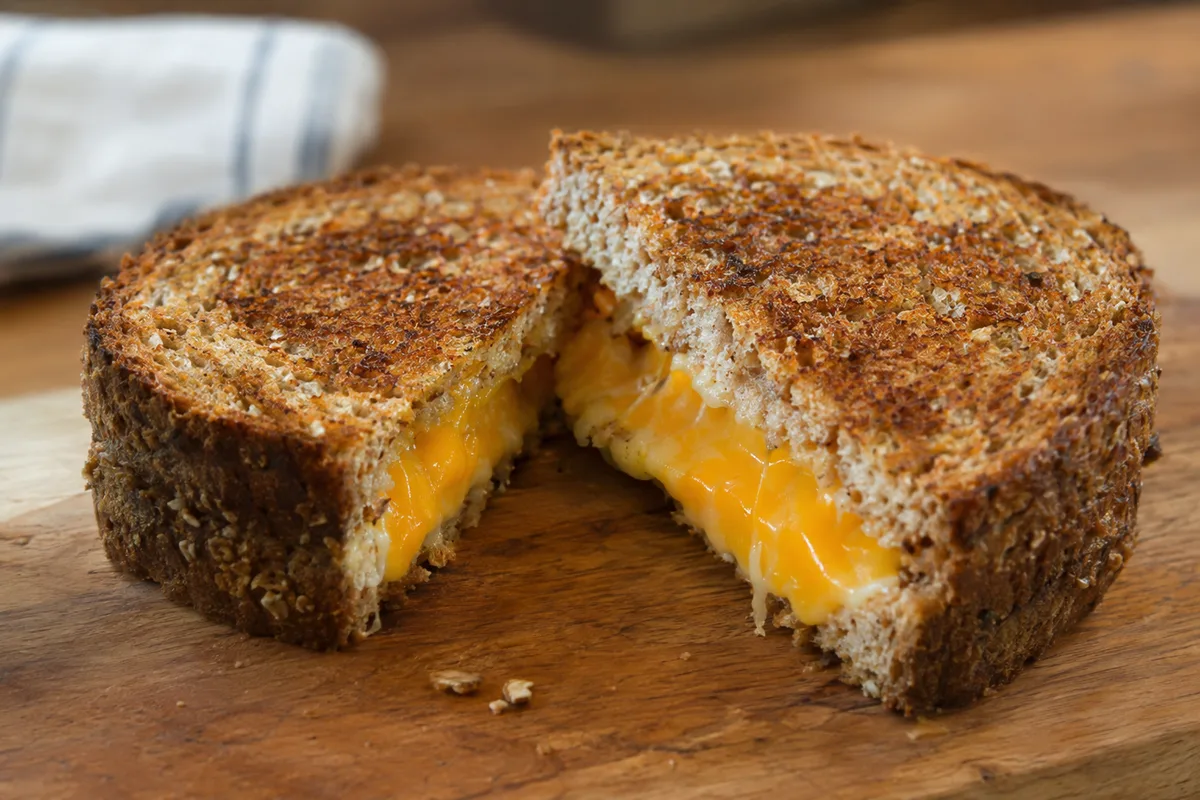
Can Grilled Cheese Be a Healthy Meal?
A grilled cheese sandwich, or cheese toastie, is not automatically healthy or unhealthy. This guide explains what affects its nutrition and how to track and adapt it without losing the comfort-food appeal.
-
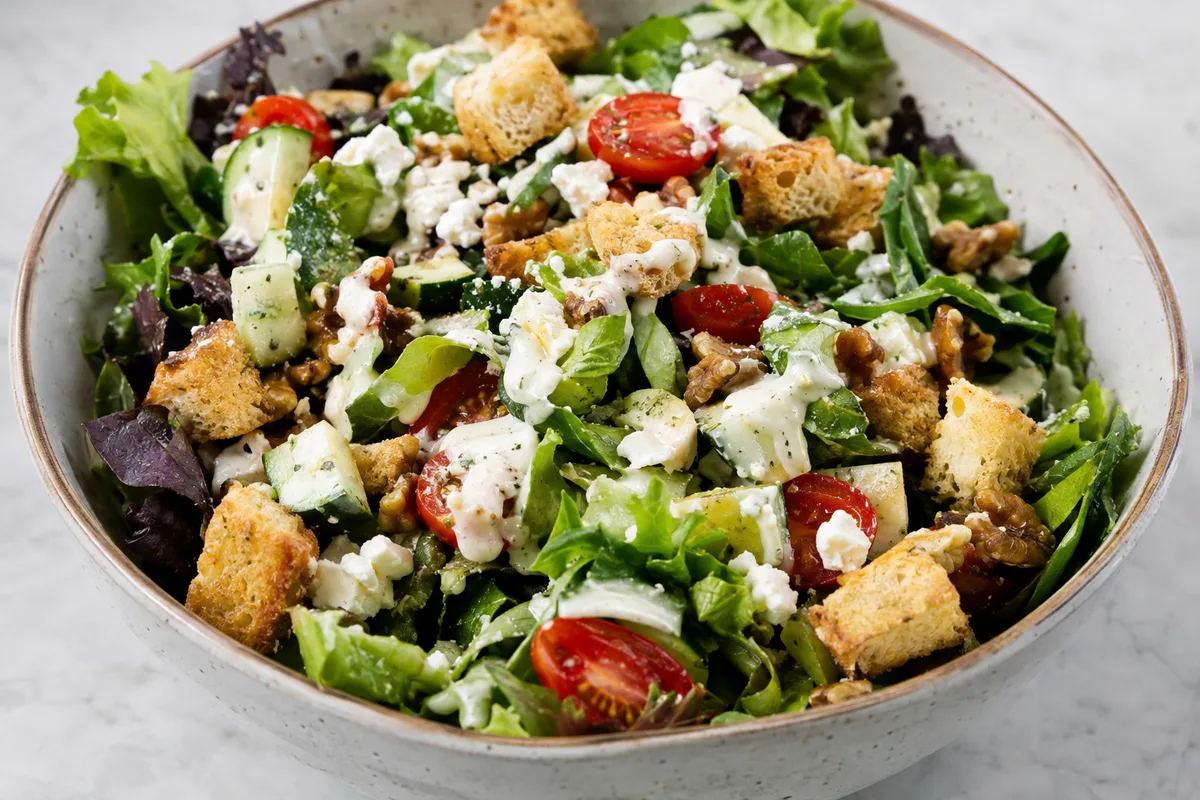
Salad Ingredients That Can Make Weight Loss Harder
A salad is not automatically low in calories, especially once dressings, fried toppings and generous extras are added. This guide explains what to watch in your food log and how to make practical swaps without settling for a dull meal.
-
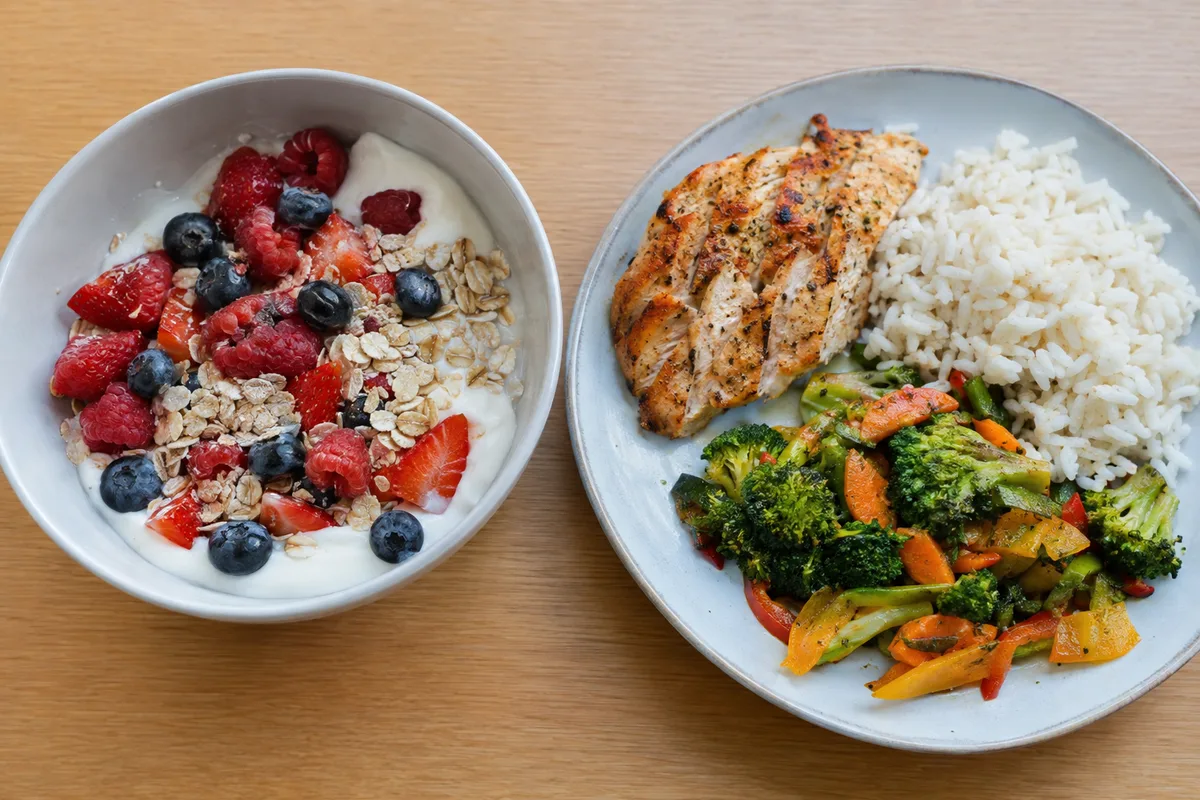
A Simple Meal Plan While Taking GLP-1
Changes in appetite can make your usual meal routine feel less predictable while taking GLP-1. This guide shows how to plan simple meals, track what works and adjust portions without forcing food.
-
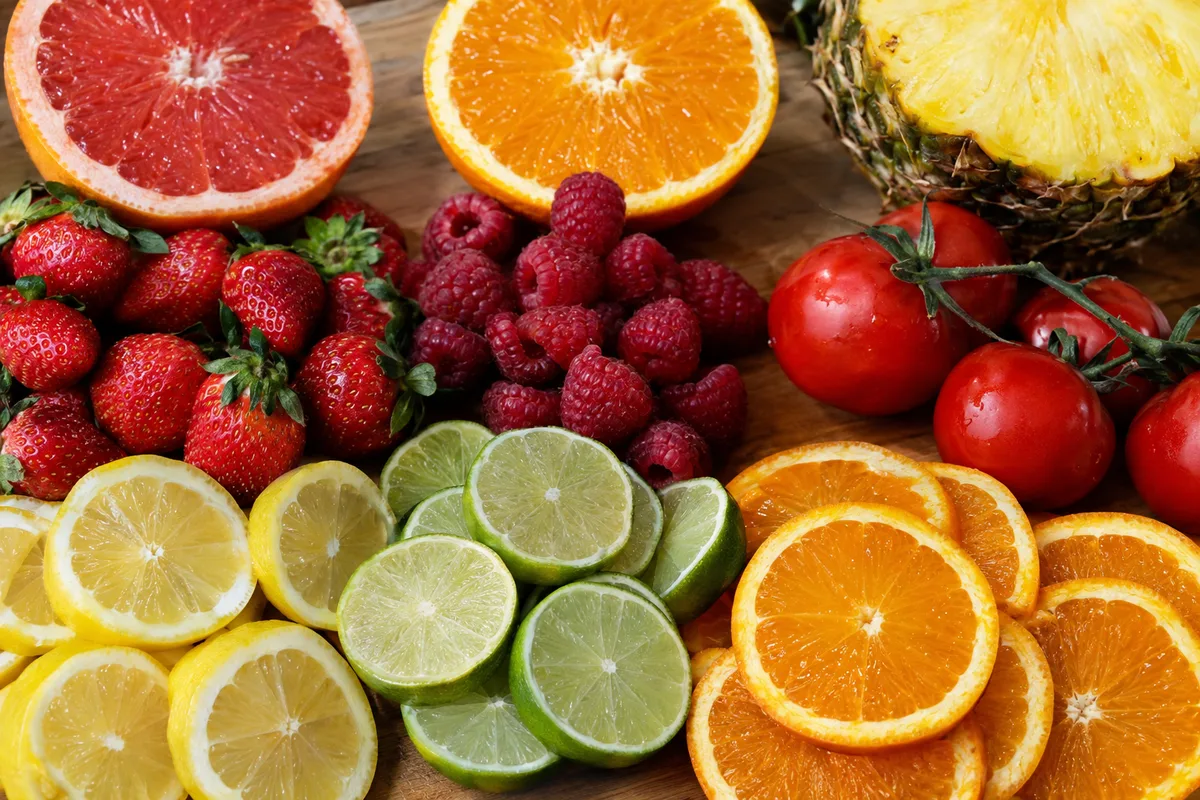
Which Foods Contain Citric Acid? A Practical Food List
Citric acid occurs naturally in several fruits and is also added to many packaged foods and drinks. This guide explains where you may find it, how it appears on labels and what it means for food tracking.
-
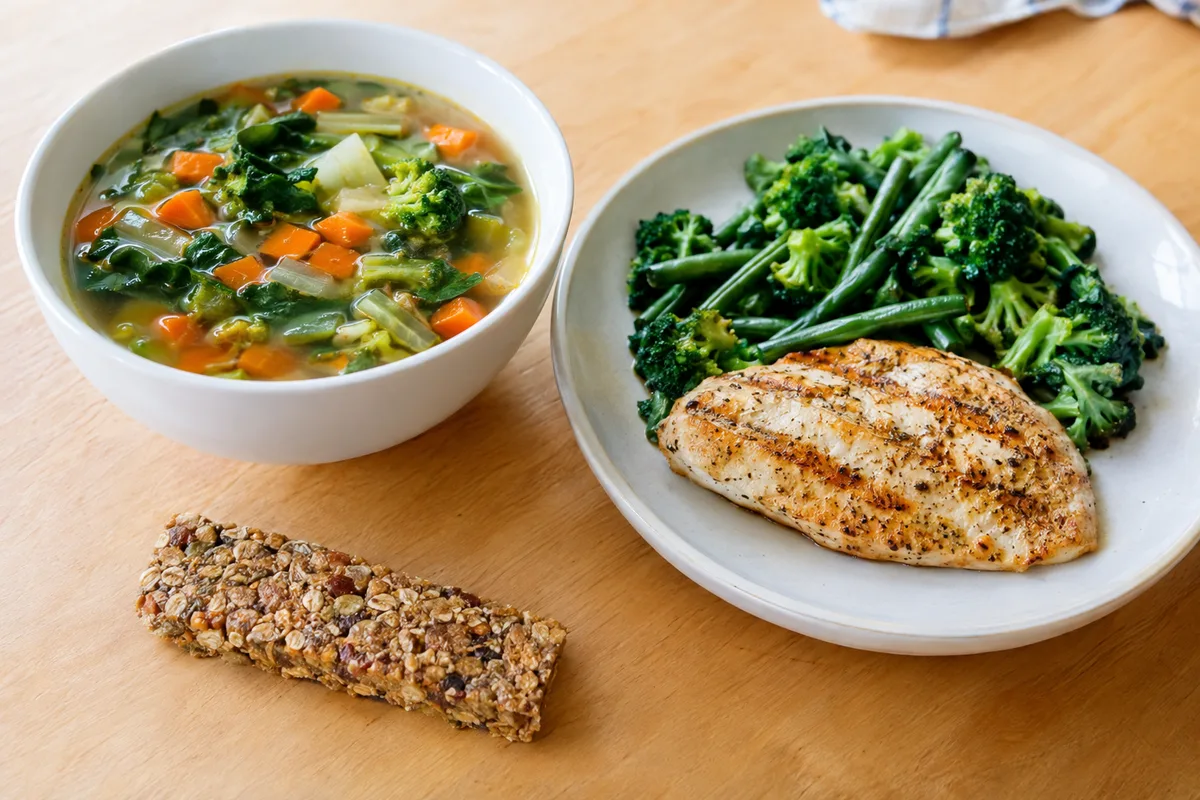
What the Optavia diet involves
Optavia is a structured eating programme built around packaged foods, home-prepared meals and guidance from a coach. This article explains how it works, what you might eat and how it differs from tracking food yourself.
-
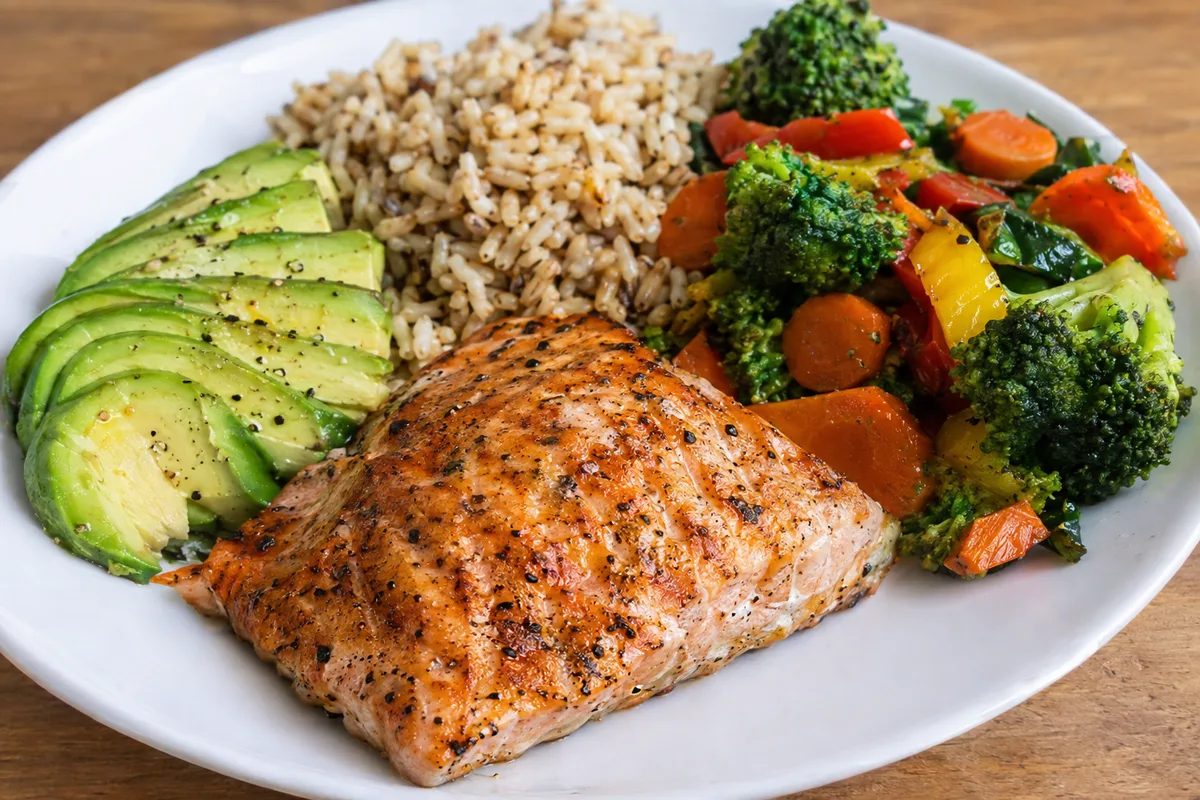
How Fat Actually Leaves the Body
Body fat does not simply melt away or turn directly into energy. This guide explains how stored fat is broken down, how most of its material leaves the body and how eating and movement affect the process.
-
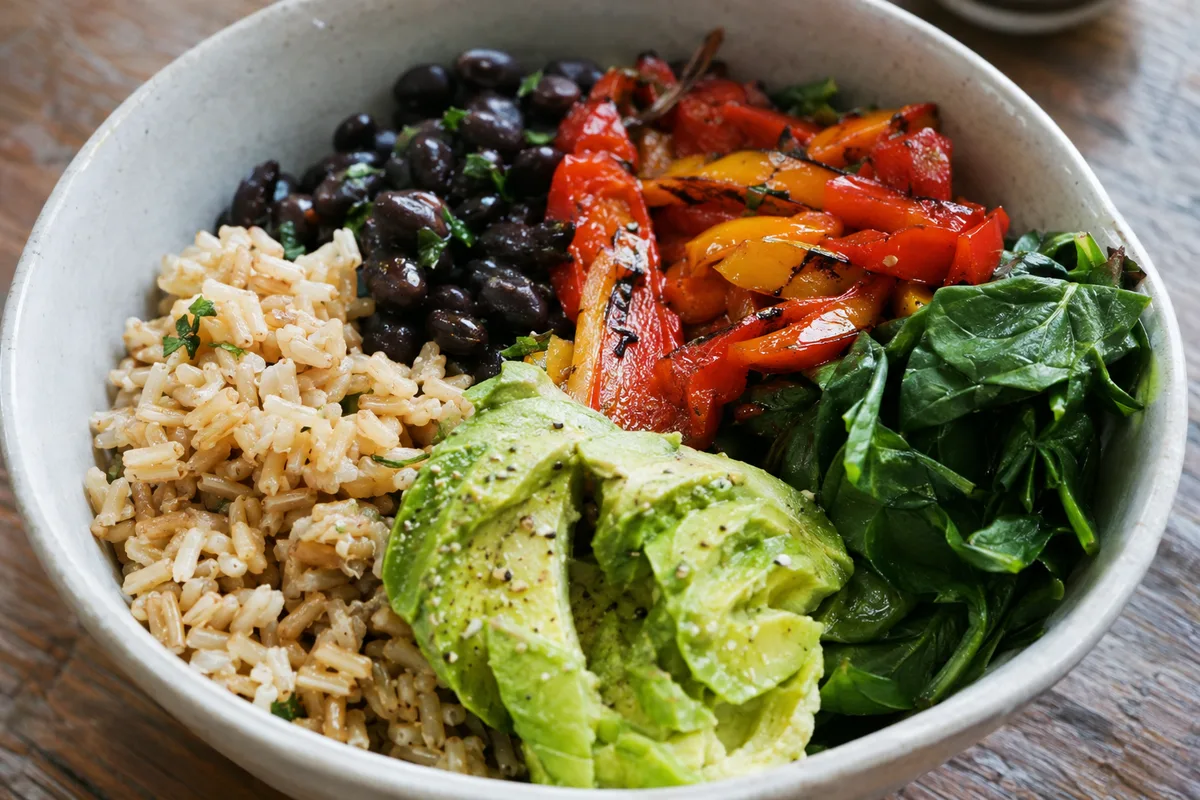
Is It Bad to Eat Beans and Brown Rice Every Day?
Beans and brown rice provide carbohydrate, fibre, plant protein and several useful nutrients. This guide explains when the combination works well, what it may leave out and how to keep everyday meals varied.
-
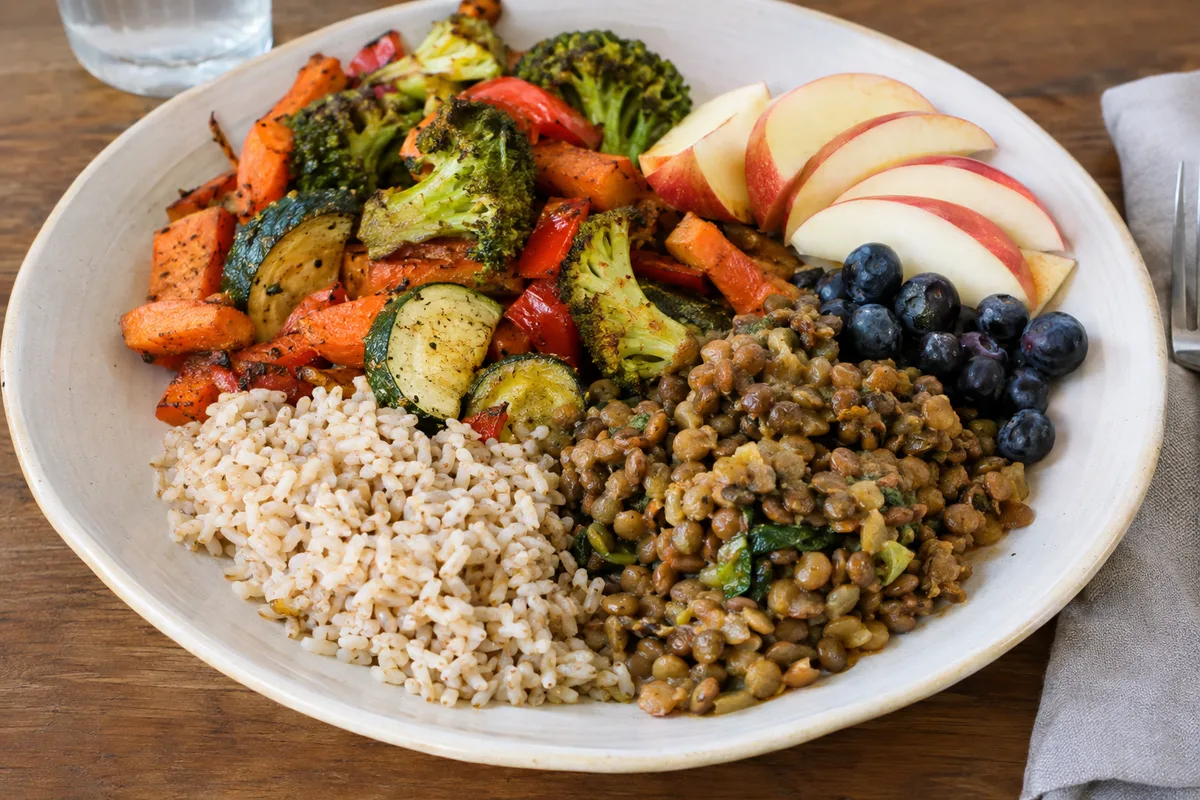
Why Healthy Eating Can Sometimes Upset Your Stomach
Nutritious foods are not automatically comfortable for every stomach, particularly when you change several habits at once. This guide explains common triggers and how your food log can help you make gentler adjustments.
-
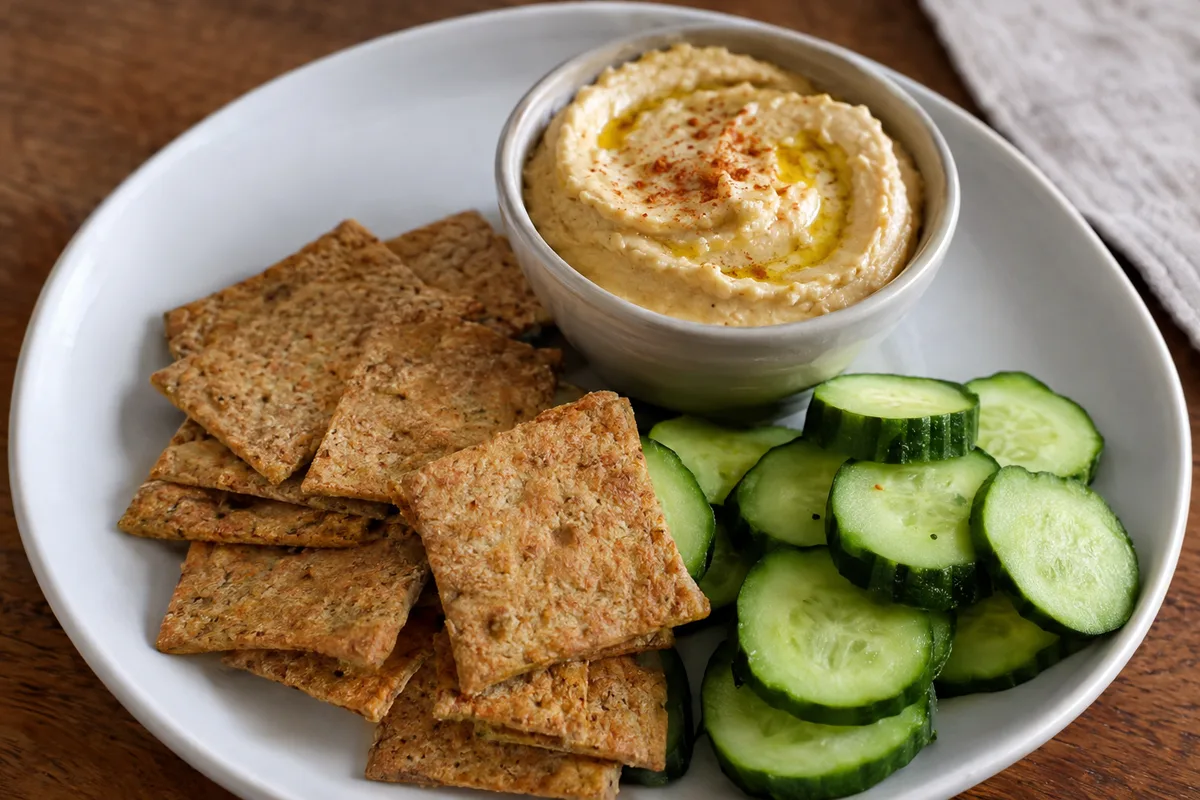
Are Wheat Thins a Healthy Snack?
Wheat Thins contain wheat and can provide some fibre, but they are still a processed cracker with added oil and salt. Here is how to assess them, track a portion and turn them into a more satisfying snack.