
Notes on eating well
Practical notes on eating, training and keeping track.
-

Fitbit or Apple Watch: which fits your routine?
Fitbit and Apple Watch can both add activity information to the food records you already keep. The better choice depends on your phone, preferred features and how much attention you want to give the device.
-
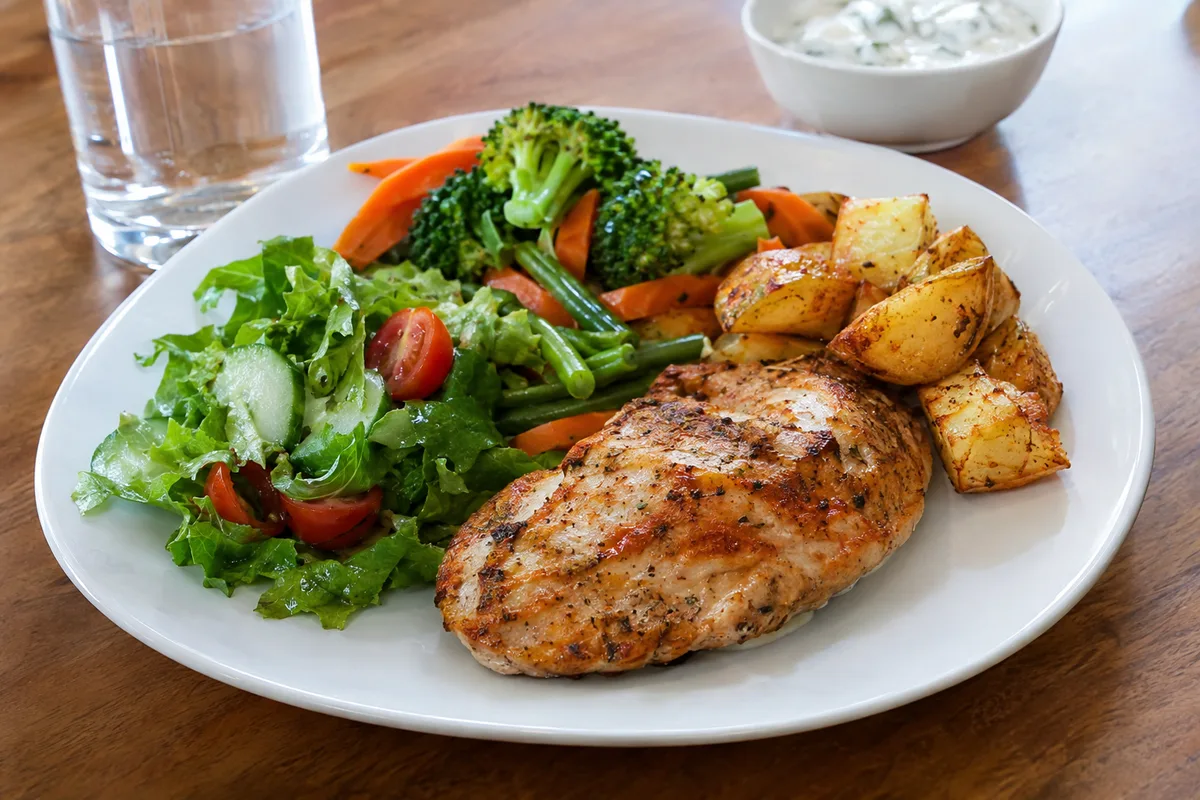
How long does it take to lose 10 to 15 pounds?
There is no single timetable for losing 10 to 15 pounds because the pace depends on your starting point, habits and daily routine. This guide explains how to form a realistic estimate, track progress and make measured adjustments.
-
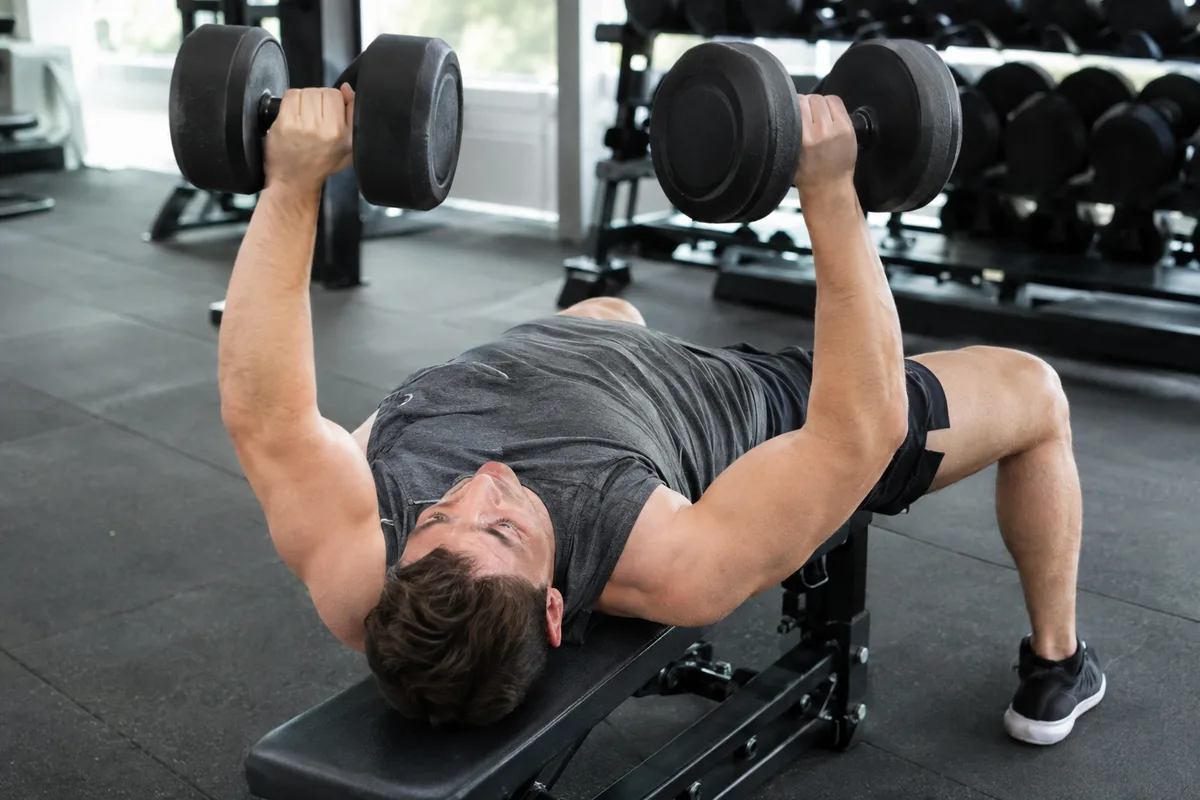
How to Choose the Best Weight Bench for Your Training
The best weight bench is the one that supports the exercises you actually do and fits safely into your available space. This guide explains the main bench types, useful features and checks to make before choosing one.
-
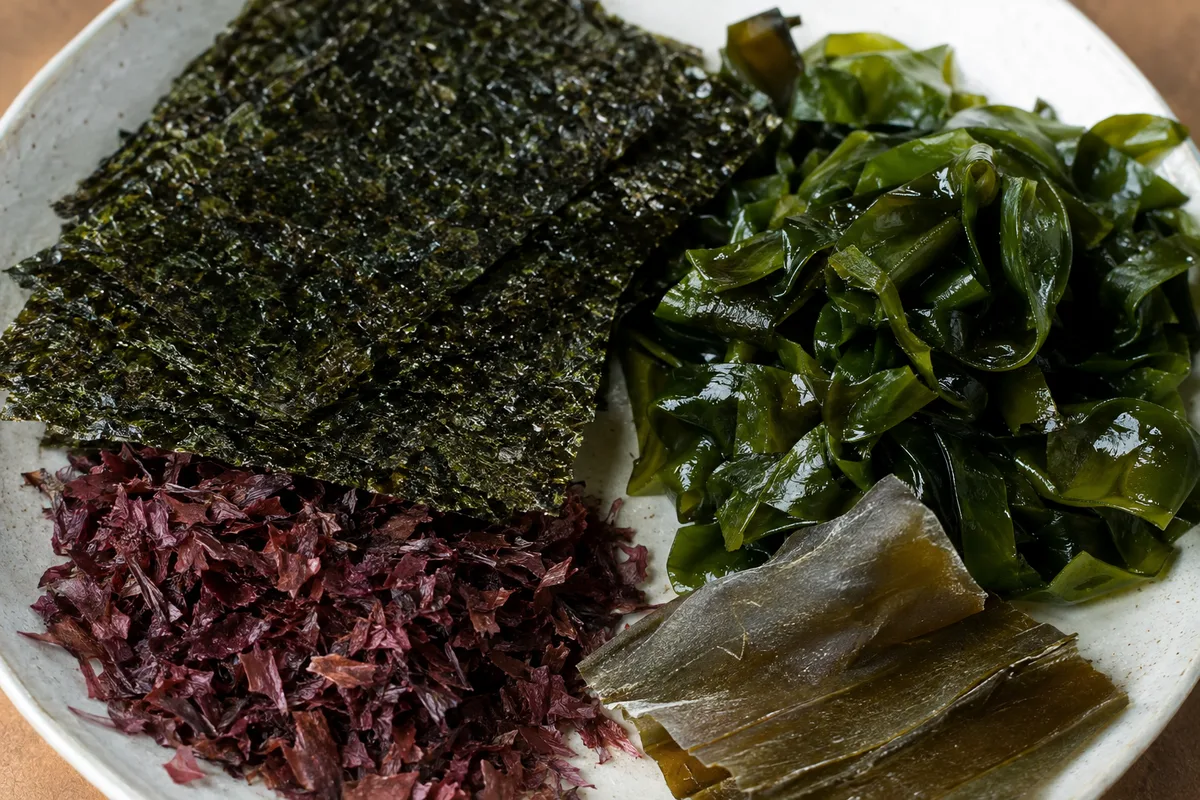
Seaweed health claims: what is worth knowing
Seaweed is often promoted as a nutrient-packed food, but its nutritional content can vary widely. This guide explains the main health claims and how to include seaweed sensibly when tracking what you eat.
-
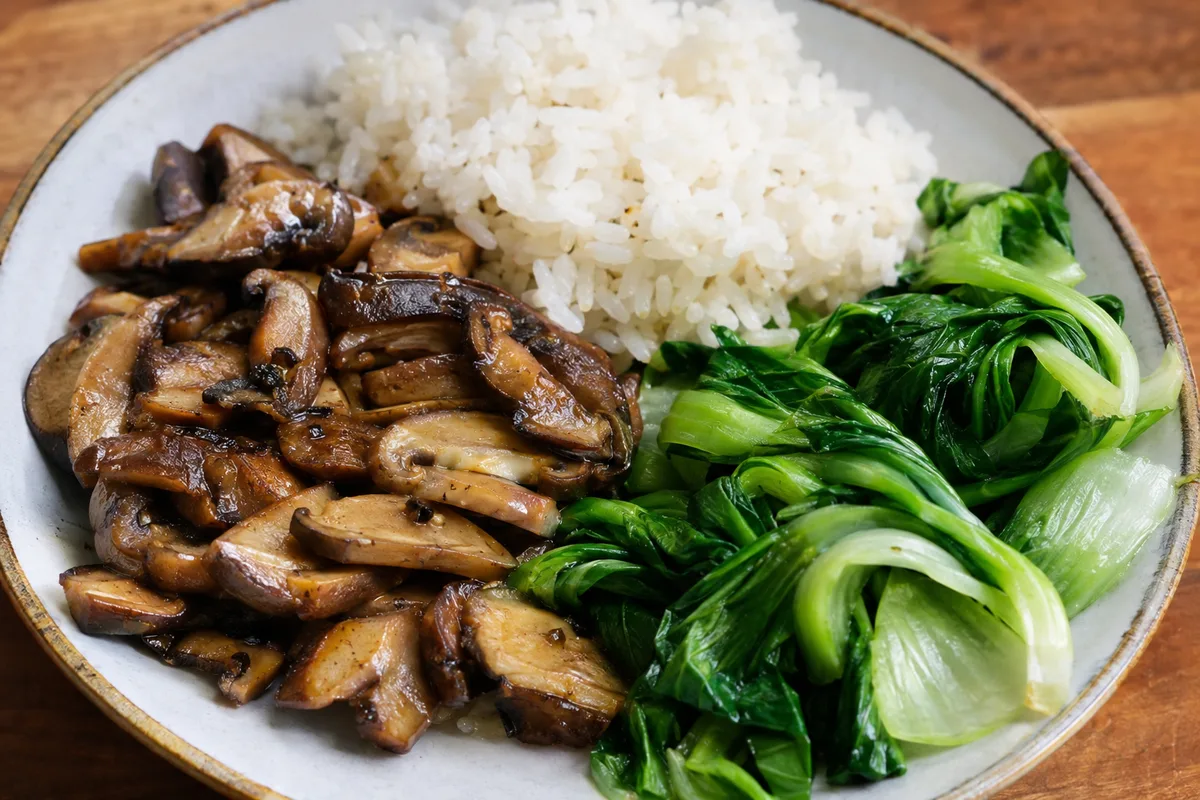
What Shiitake Mushrooms Can Add to Your Diet
Shiitake mushrooms can make tracked meals more satisfying and varied while contributing fibre and several micronutrients. This guide explains their benefits, how cooking changes your food log and practical ways to use them.
-
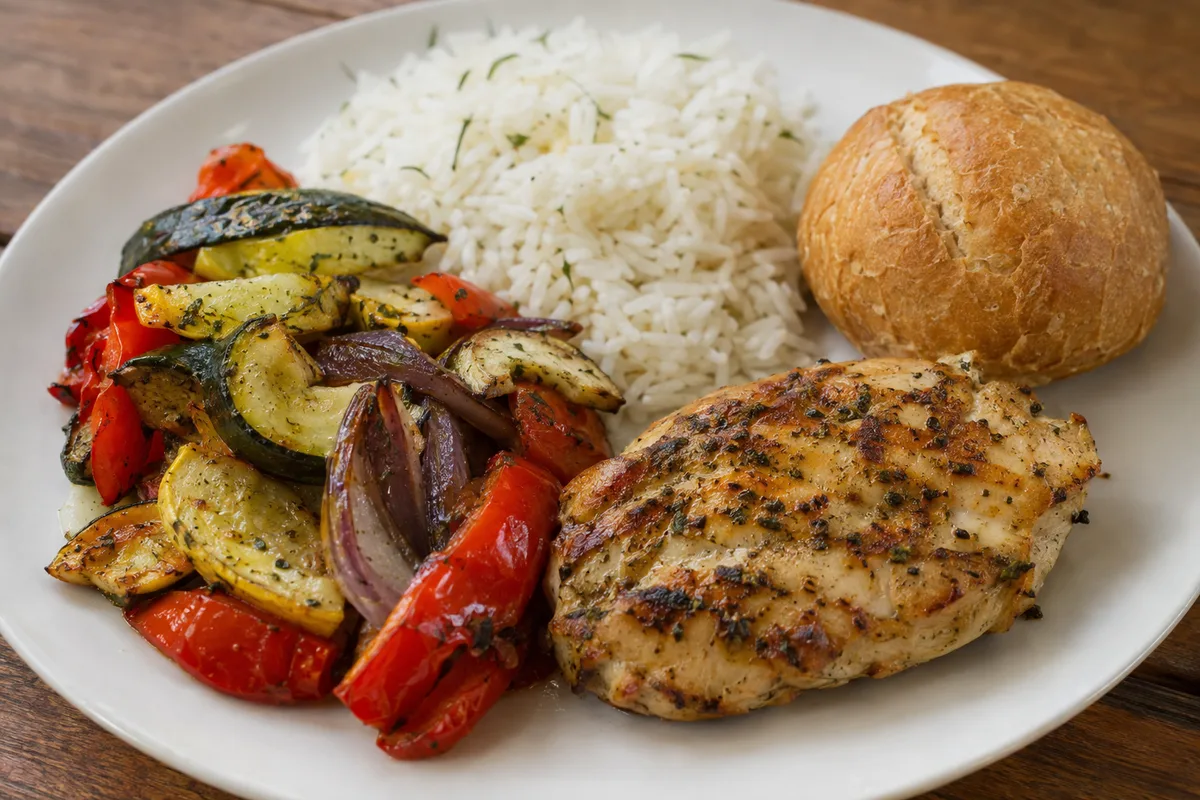
A Practical Gluten-Free Food List for Everyday Tracking
Gluten appears in more foods than bread and pasta, but many everyday ingredients are naturally free from it. This guide covers useful staples, common label checks, meal ideas and practical ways to keep your food diary accurate.
-
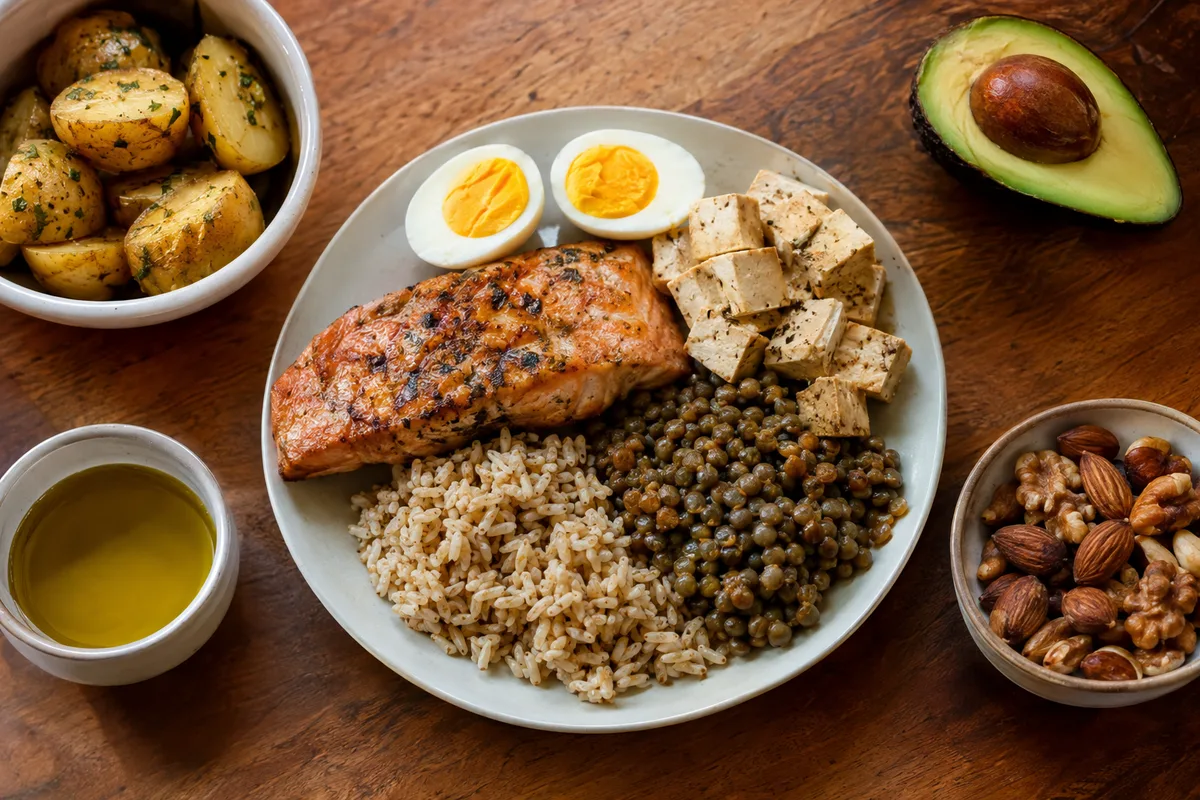
Macros: an essential guide to protein, carbohydrate and fat
Macronutrients, usually shortened to macros, are the protein, carbohydrate and fat in your food. This guide explains what they do, how they affect calorie tracking and how to use macro targets without making meals needlessly complicated.
-

How Many Calories Does 20,000 Steps Burn?
A step total tells you how much you moved, but not exactly how much energy you used. This guide explains what changes the estimate and how to record it without overstating the result.
-
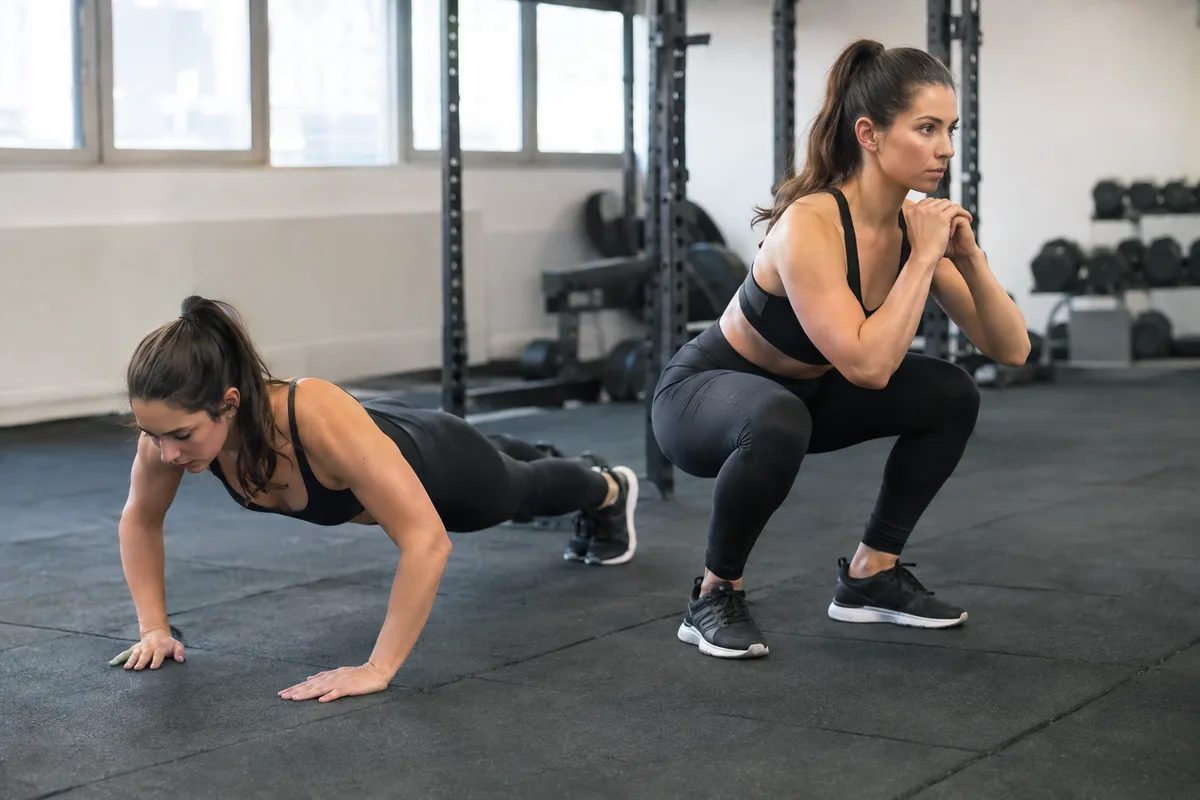
What Is a Superset and How Does It Work?
A superset means doing two exercises one after the other, with little or no rest between them. This guide explains common pairings, their uses and how to plan them without letting technique slip.
-
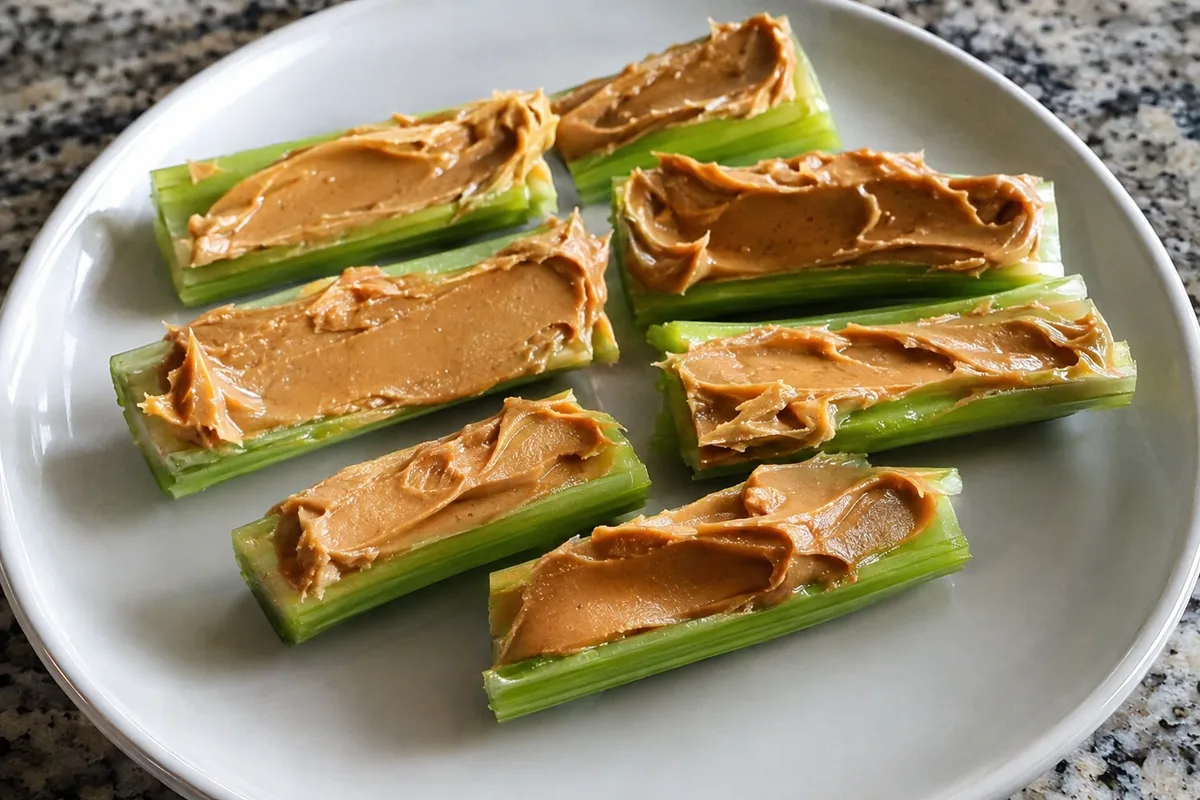
Can Celery with Peanut Butter Support Weight Loss?
Celery with peanut butter combines a crisp, high-water vegetable with a richer source of fat and protein. Here is how to track the snack and decide whether it suits your weight-loss approach.
-
Foods Without Starch or Sugar: A Practical List
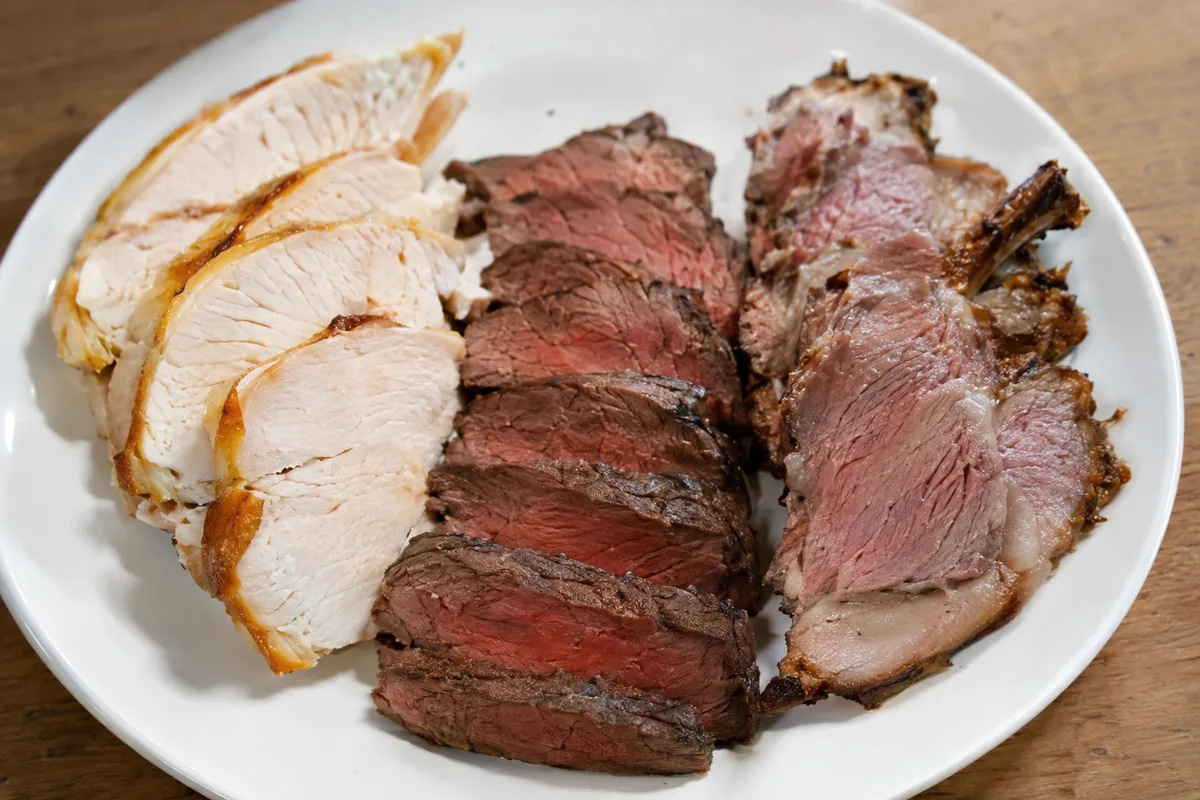
Plain meat, fish and cooking oils are the main foods that naturally contain no starch or sugar. This guide explains what counts, which foods only come close, and what to check when logging meals.
-
Which Type of Salmon Is Healthiest to Eat?
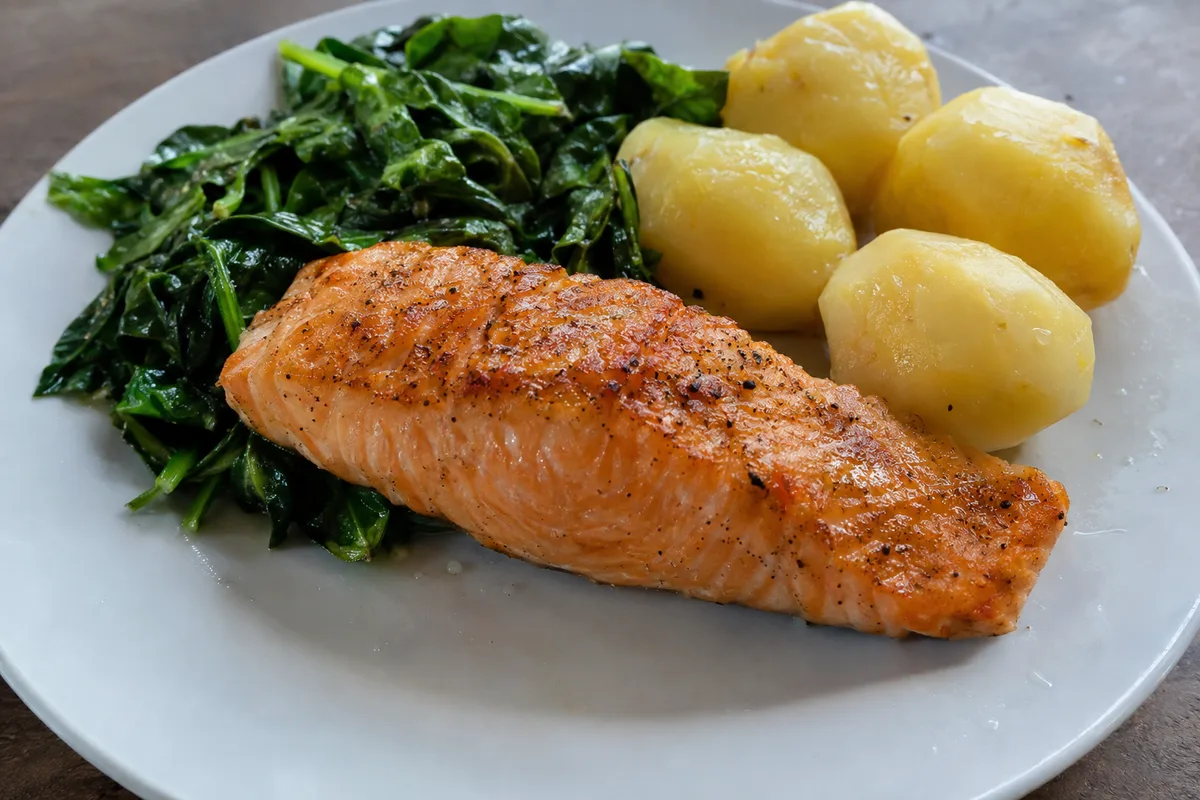
Salmon provides protein, omega-3 fats and several useful vitamins and minerals. This guide explains how different types compare and what to record when tracking a meal.
-
How Many Calories Do You Burn Biking One Mile?
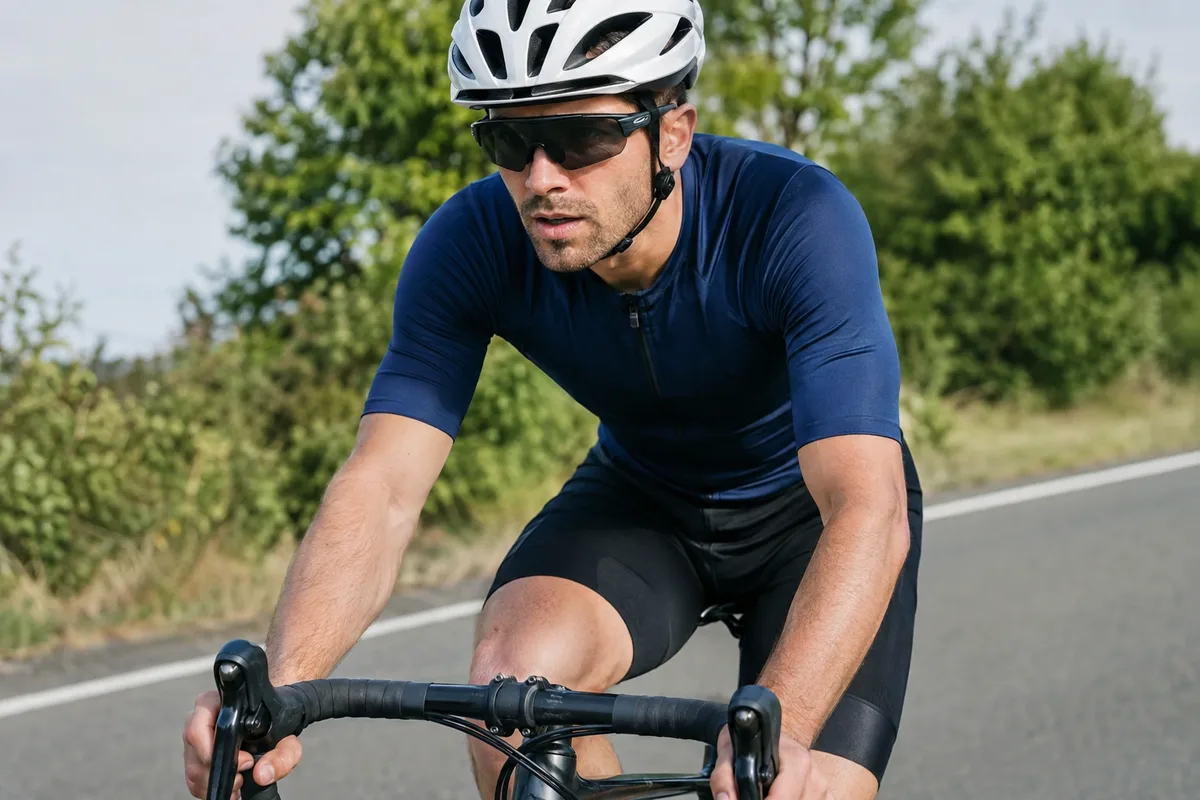
The calories burned biking one mile depend on your effort, speed, route and several personal factors. This guide explains how to estimate the figure and log it without treating it as exact.
-
The foods registered dietitians keep coming back to
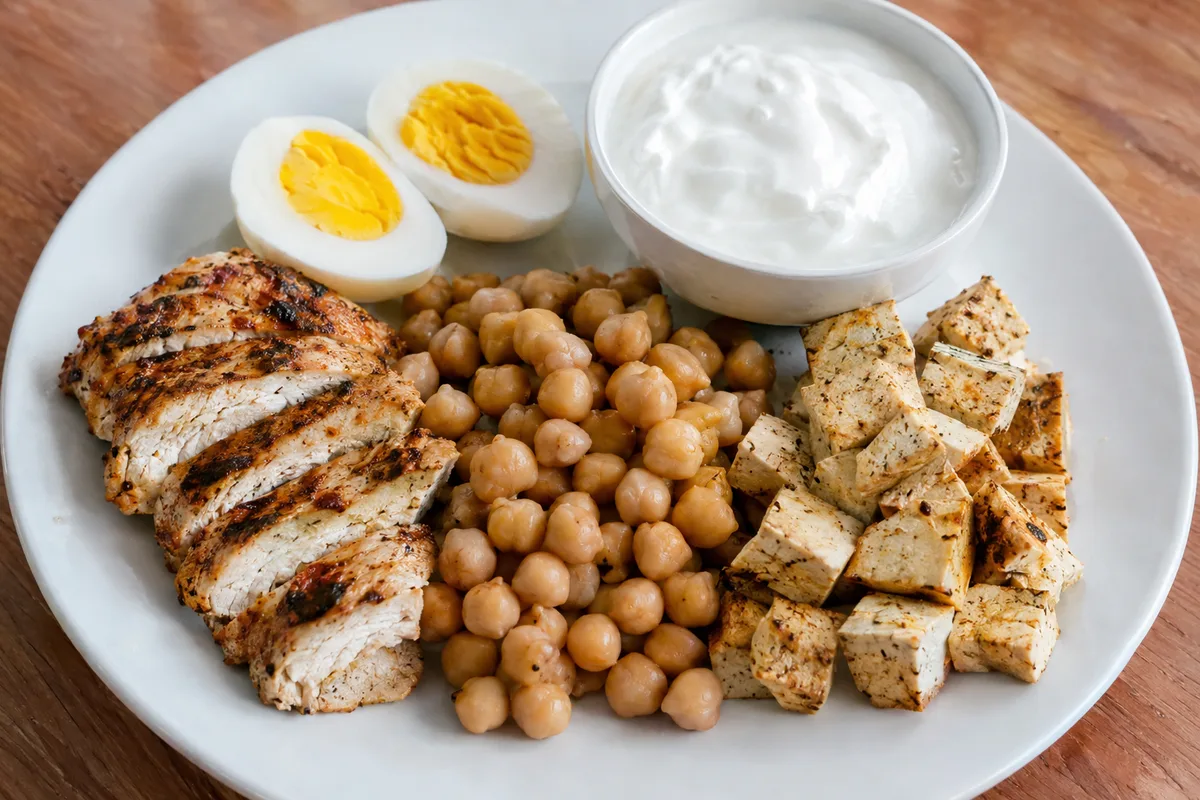
There is no single grocery list that every registered dietitian follows, but certain useful foods tend to earn a regular place. This guide explains what they add to meals and how to choose versions that suit your own food log.
-
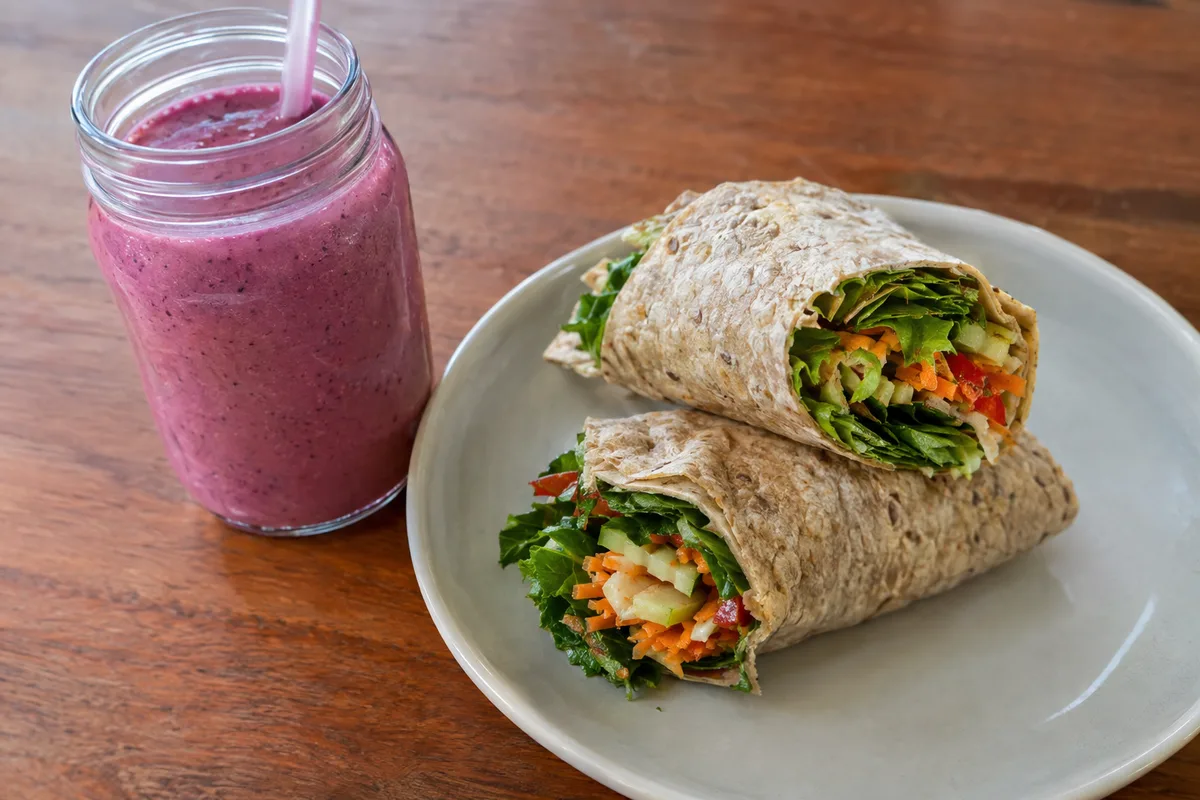
What to Order at Jamba When You’re Watching Your Diet
Jamba’s menu can fit into a tracked diet, but the ingredients, portion and extras all matter. This guide explains how to compare your options and order something that matches your plan.
-
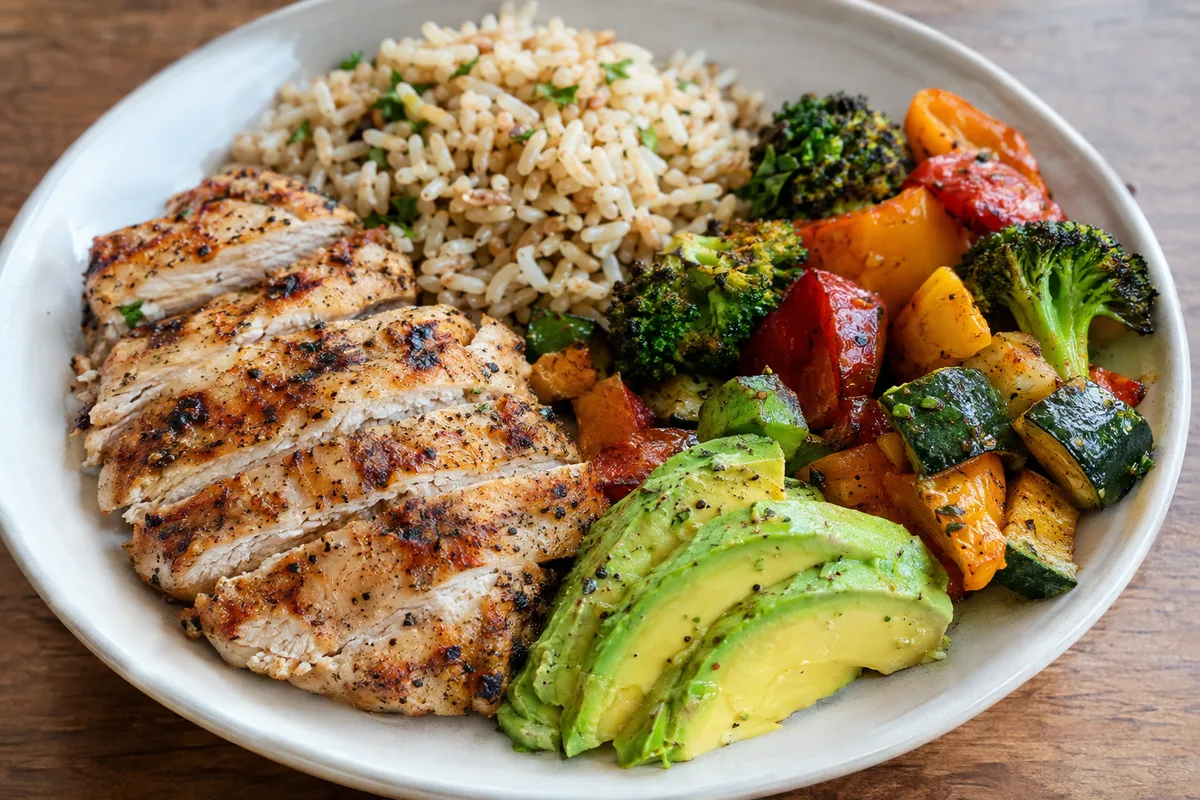
What’s the Best Carb, Protein and Fat Split for Weight Loss?
Carbohydrate, protein and fat targets should fit your appetite, food preferences and daily routine. Here is how to use your food log to choose a workable balance and adjust it without chasing a perfect ratio.
-
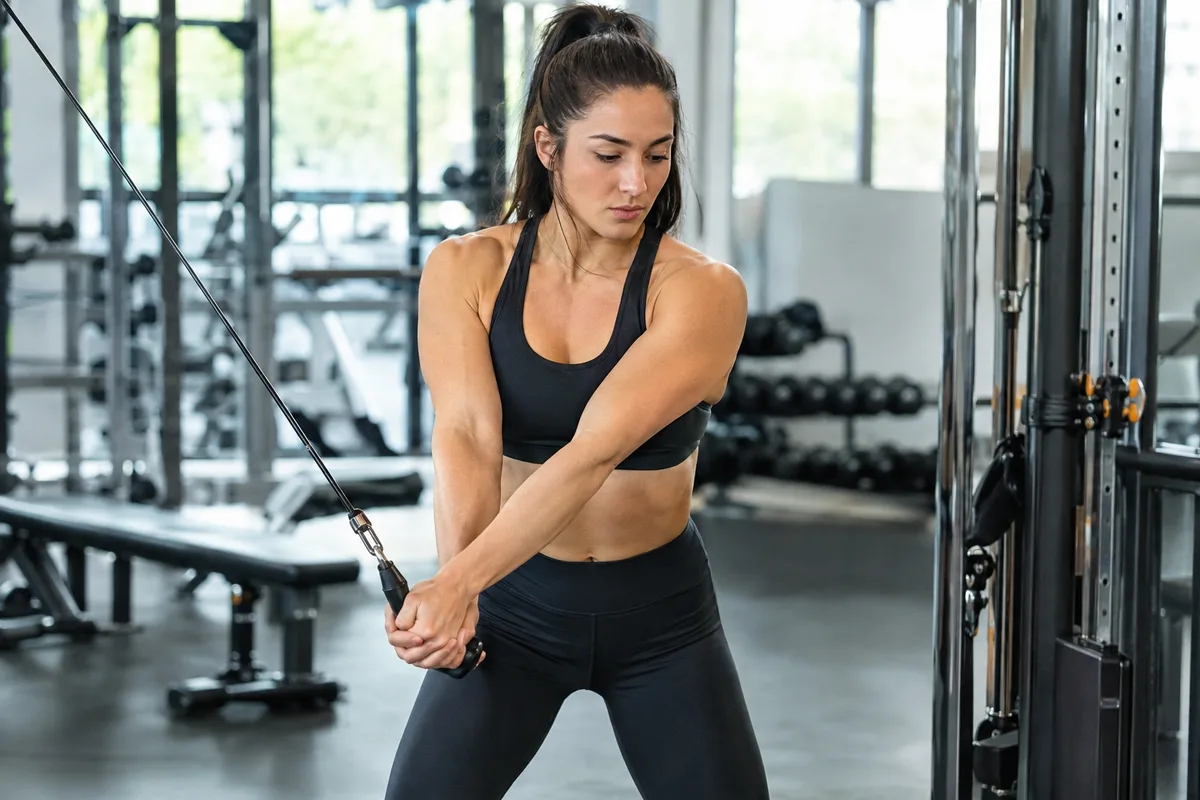
How to Do a Cable Woodchop with Control
The cable woodchop is a diagonal pulling movement that trains you to control rotation through your torso. This guide covers the set-up, technique, breathing, common mistakes and ways to record it in your programme.
-
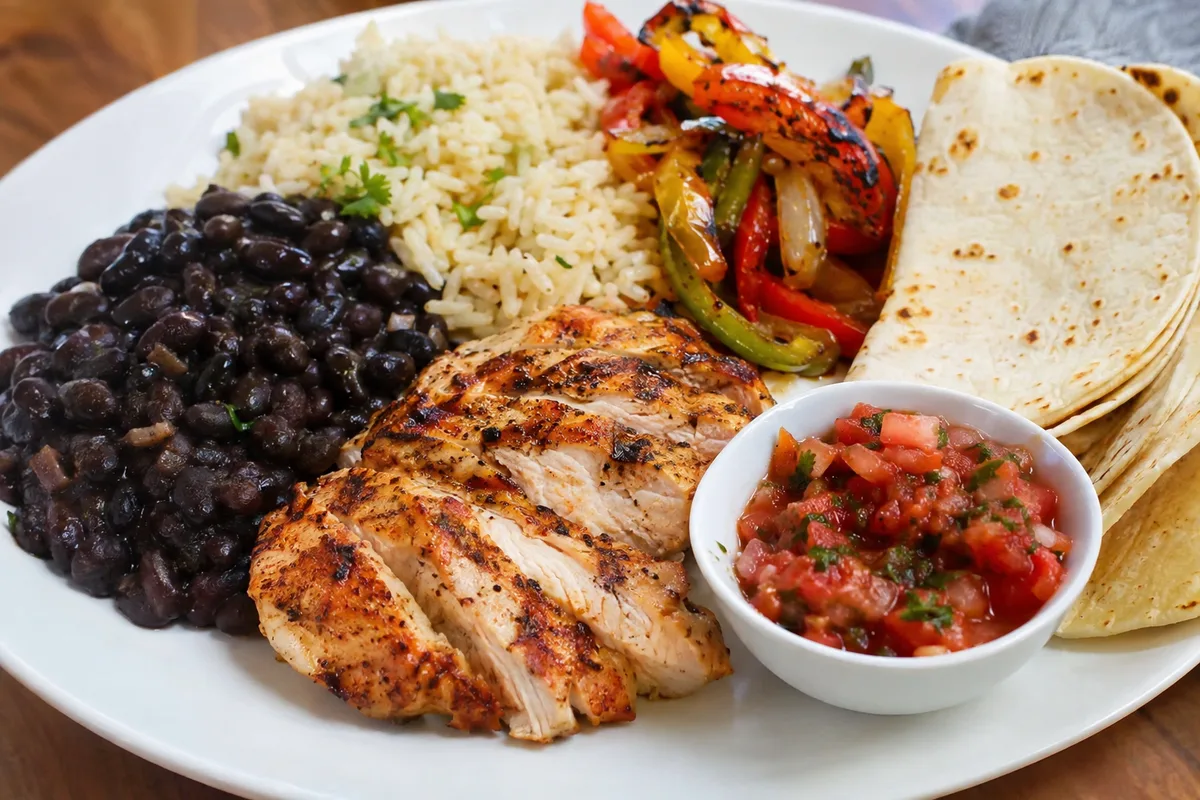
How to Make Balanced Choices at Mexican Restaurants
Mexican restaurant menus offer plenty of ways to build a balanced, enjoyable meal. This guide explains how to compare dishes, choose useful sides and track your meal without chasing perfect numbers.
-
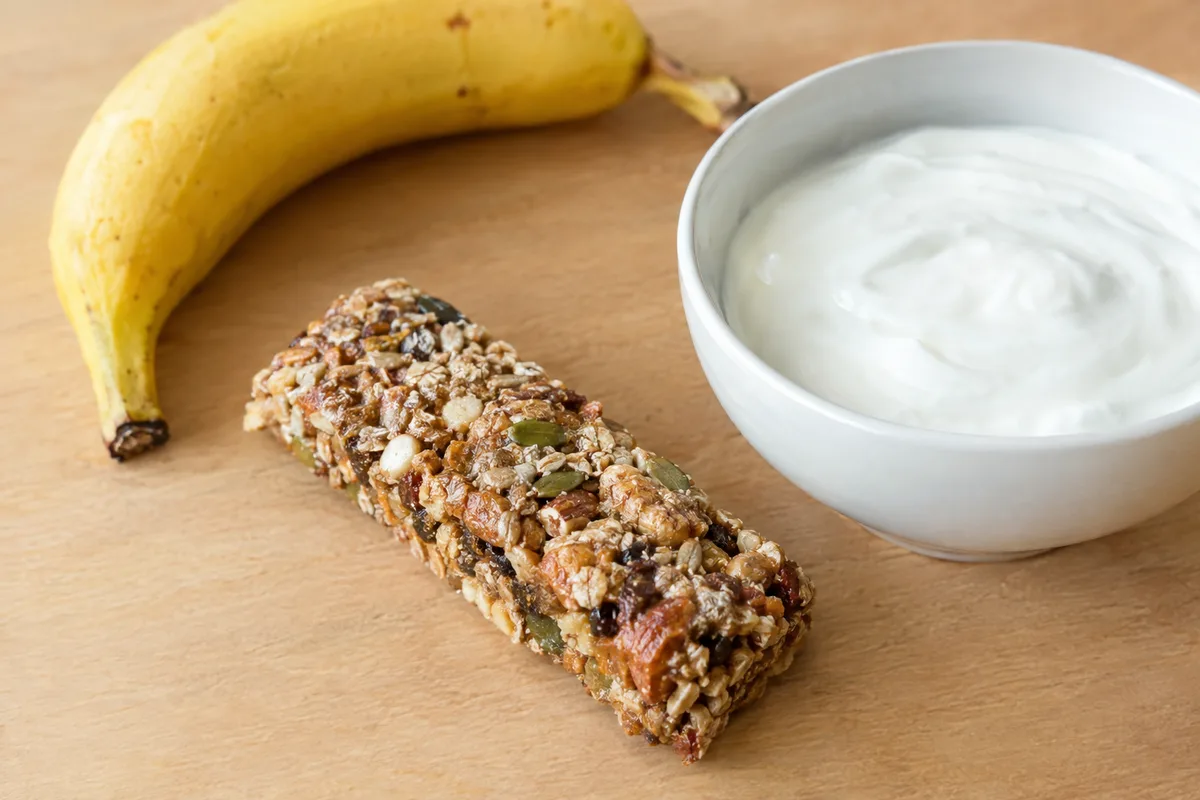
How to Choose the Best Meal Replacement Bar for You
A useful meal replacement bar should suit your energy needs, keep you satisfied and be practical to track. This guide explains what to check on the label and when a bar may not be enough for a full meal.
-
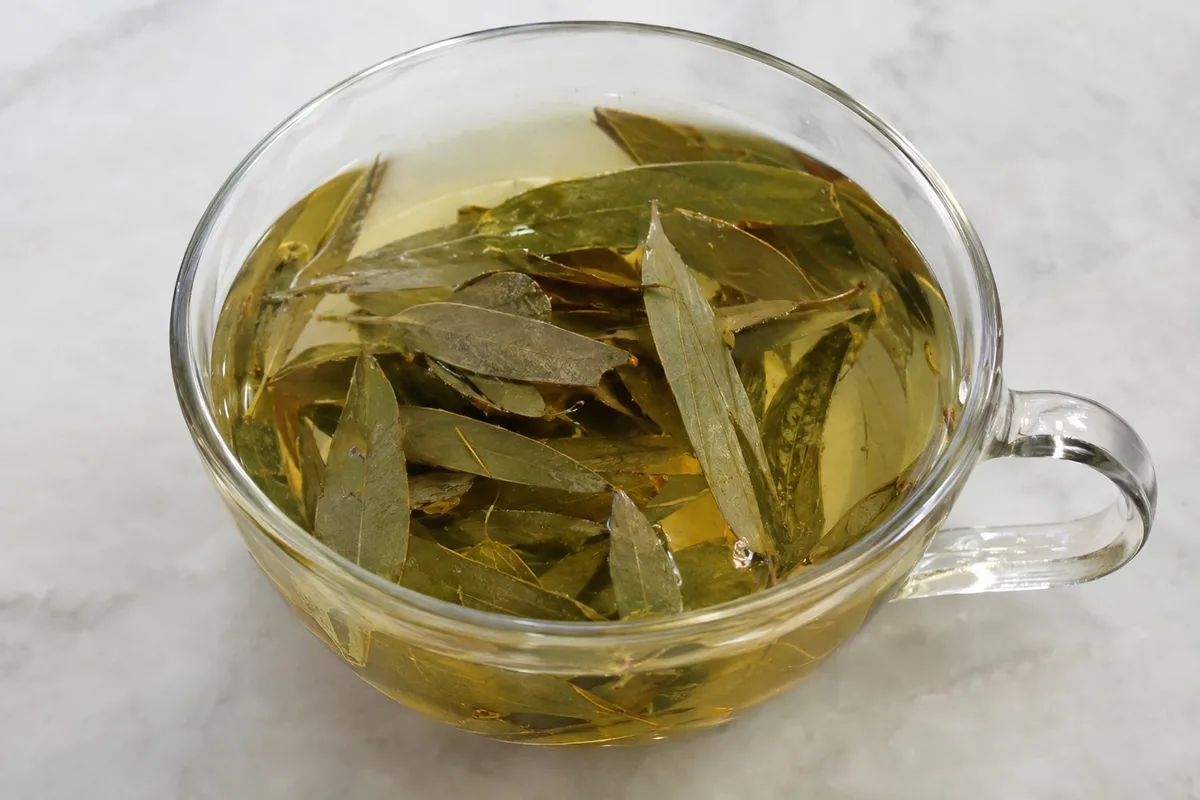
Eucalyptus tea: possible benefits, side effects and safe use
Eucalyptus tea is a strongly scented herbal infusion, but its reputation often goes further than the evidence. This guide explains its possible benefits, side effects, preparation and place in a tracked diet.