
Notes on eating well
Practical notes on eating, training and keeping track.
-
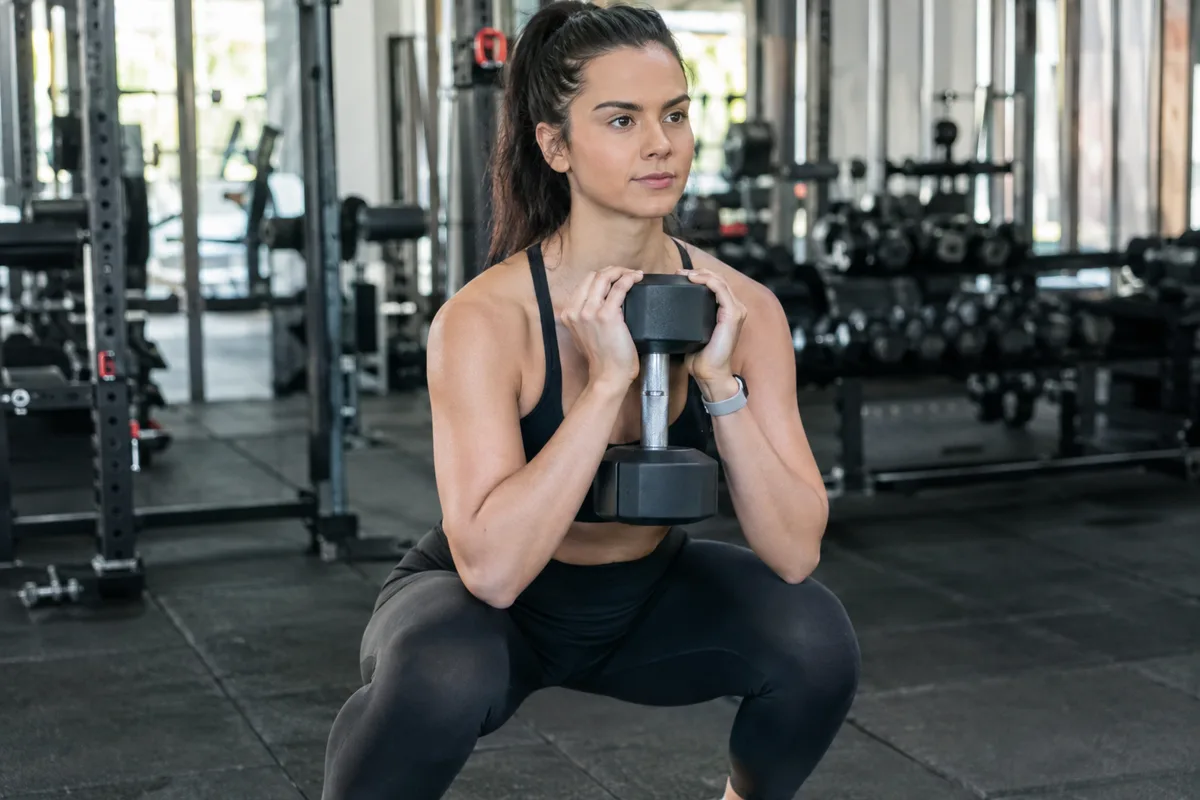
How Weight Training Can Support Fat Loss
Weight training can help you retain strength and muscle while your food intake supports gradual fat loss. This guide explains how to combine lifting, eating, recovery and progress checks without treating workouts as a way to cancel out meals.
-
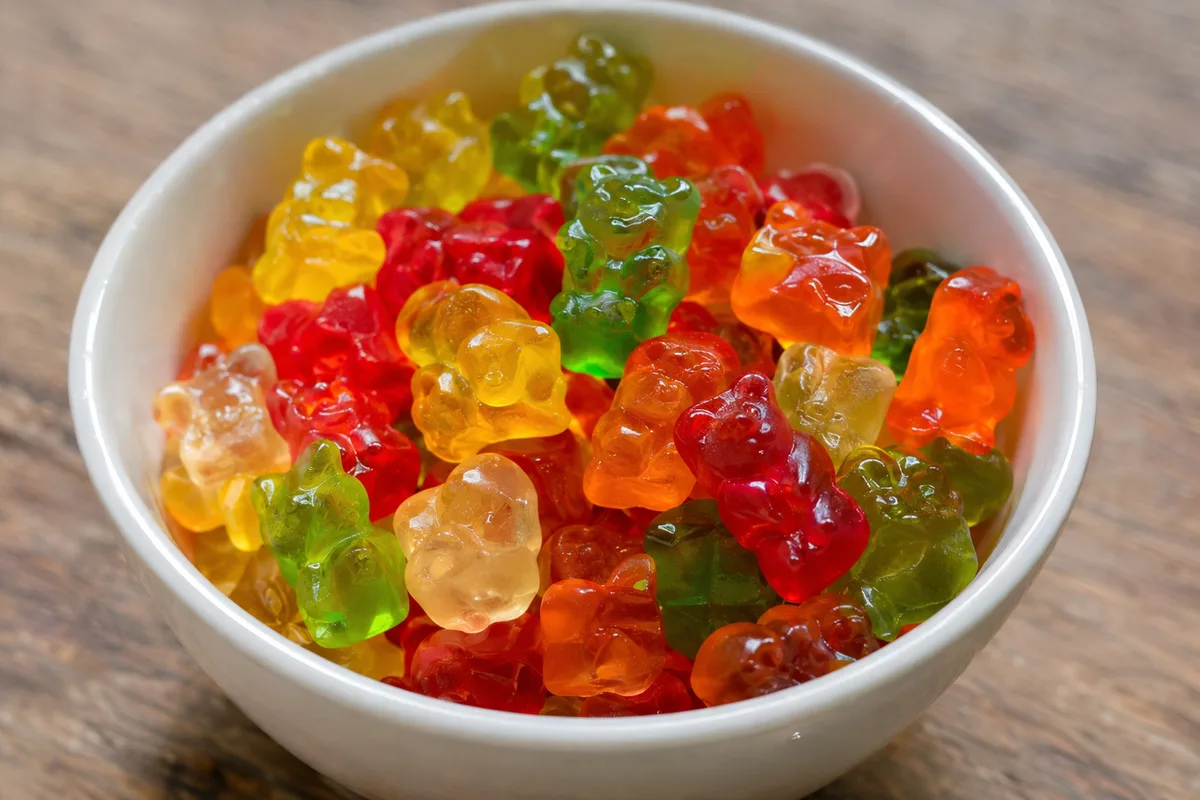
Are gummy bears healthy, or just a sweet treat?
Gummy bears can fit into a varied diet, though they offer little beyond quick energy and enjoyment. Here is how to read the label, track a portion and choose when they are worth eating.
-
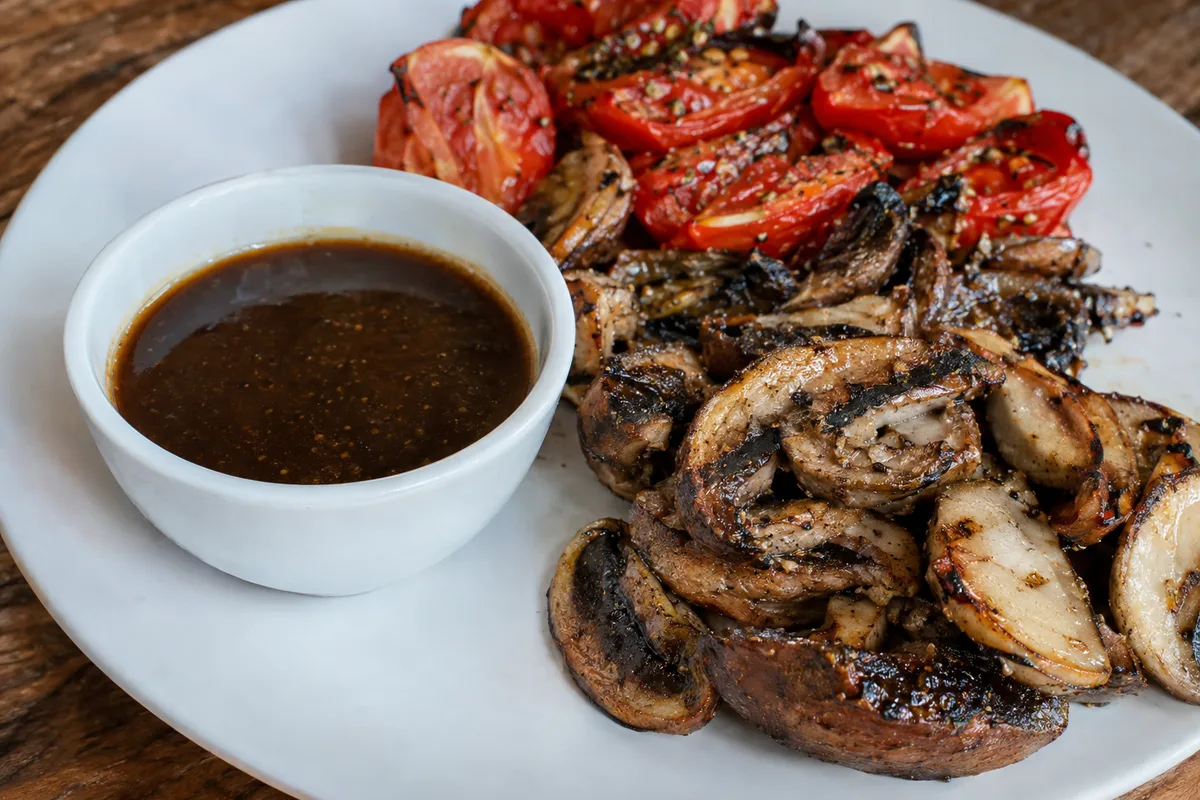
Is Worcestershire sauce gluten free?
Worcestershire sauce recipes vary between brands and countries, and some contain ingredients made from barley or wheat. Here is what to check on the label and how to record the sauce in your food log.
-
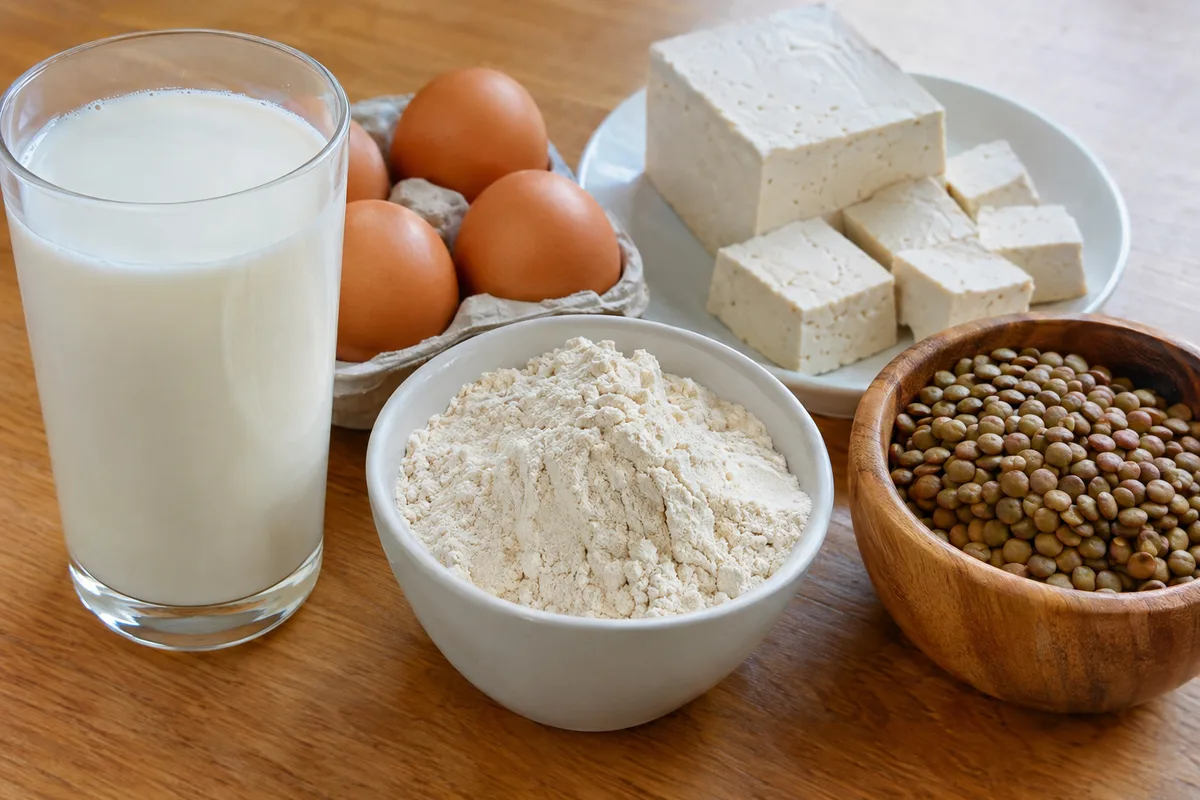
Using Protein Powder Every Day: What to Track and What to Consider
Protein powder can be a convenient part of a daily routine, but it is still food that belongs in your log. This guide explains how to track it accurately, use it sensibly and keep whole foods at the centre of your diet.
-
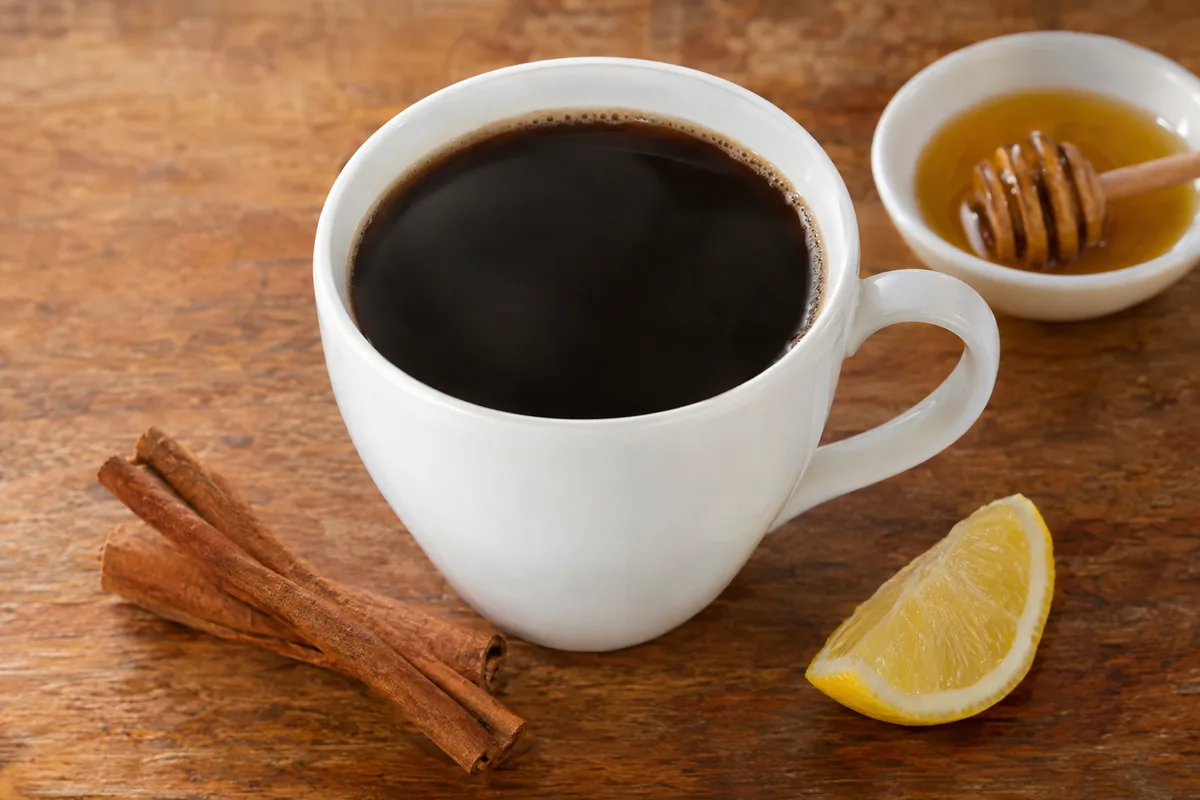
The coffee loophole diet: can a cup really help you lose weight?
The coffee loophole diet uses coffee, timing and optional add-ins to suggest that hunger or body weight can be controlled with one drink. Here is what the trend means, how it fits into calorie tracking and what to consider before changing your routine.
-
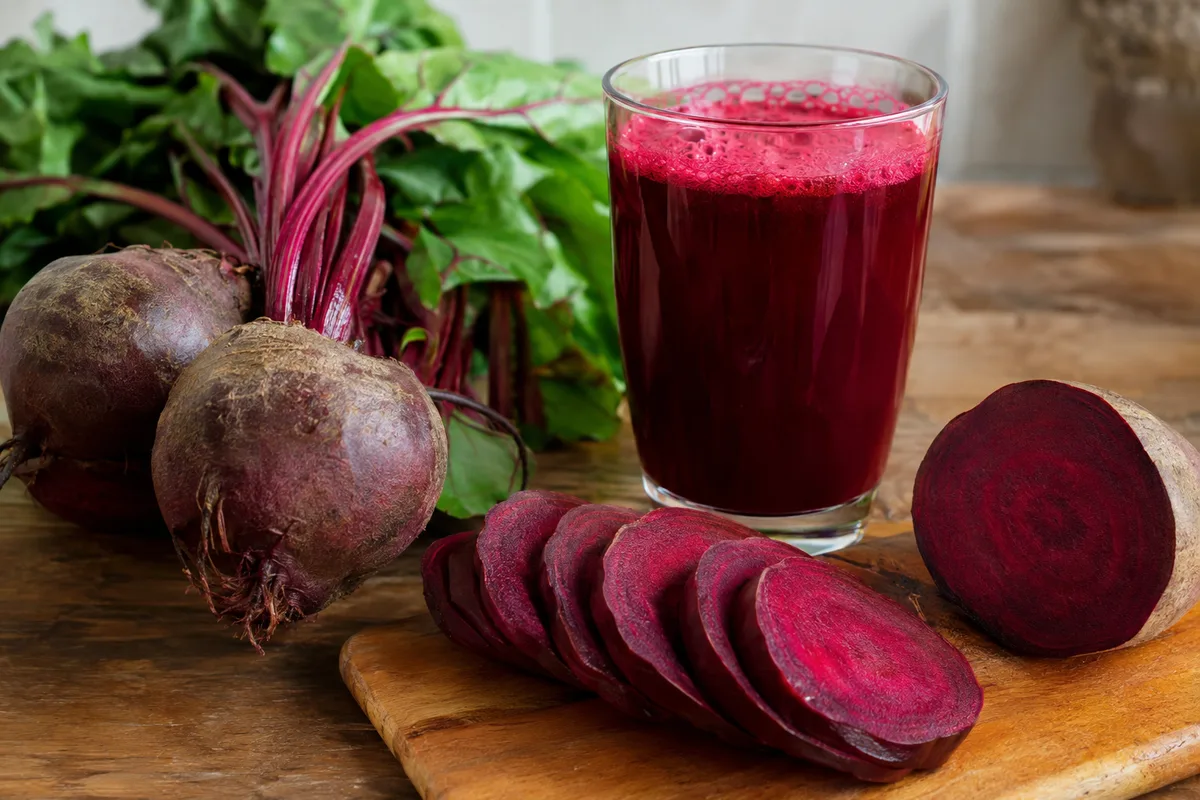
How beetroot juice may support athletic performance
Beetroot juice contains nitrate, which the body can turn into nitric oxide to support blood flow and muscle function. This guide explains the process, the activities that may benefit and how to test it sensibly within your existing routine.
-
How many calories do 15,000 steps burn?
There is no single calorie figure for 15,000 steps because distance, pace, body size and terrain all affect energy use. This guide explains how to make a sensible estimate and use it without distorting your food tracking.
-
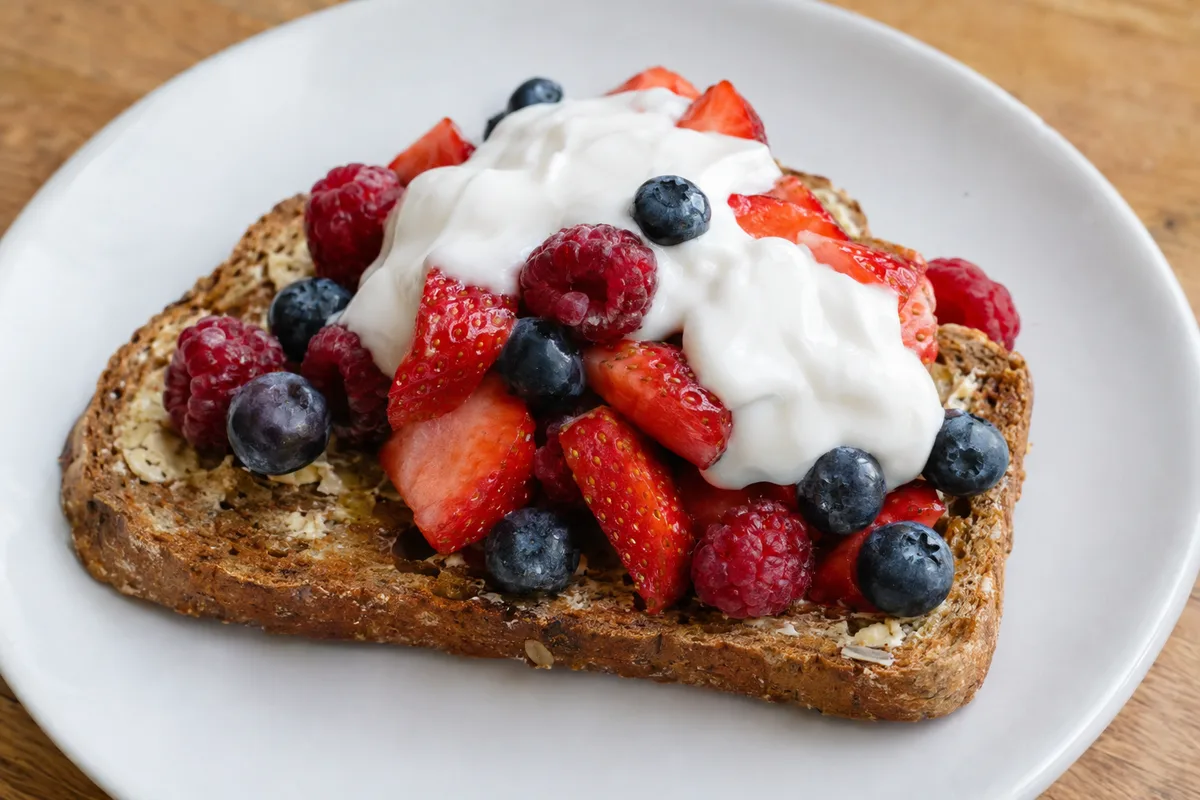
Is Butter Bad for You? What Matters When You Track It
Butter is rich, energy-dense and high in saturated fat, so it is worth tracking with care. This guide explains how to judge your intake, compare alternatives and use butter without labelling it simply good or bad.
-
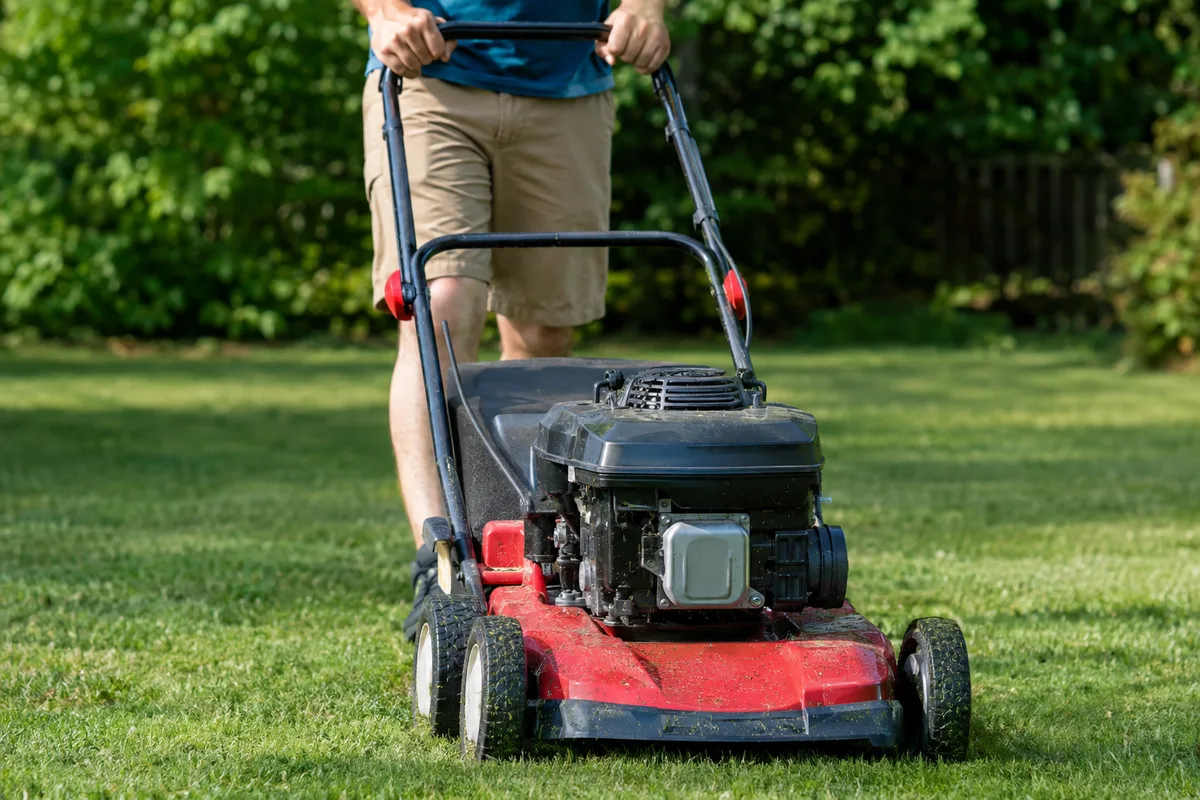
How many calories does mowing the lawn burn?
There is no single calorie figure for mowing the lawn because the effort varies widely. This guide explains what changes your burn and how to log a sensible estimate alongside your food intake.
-
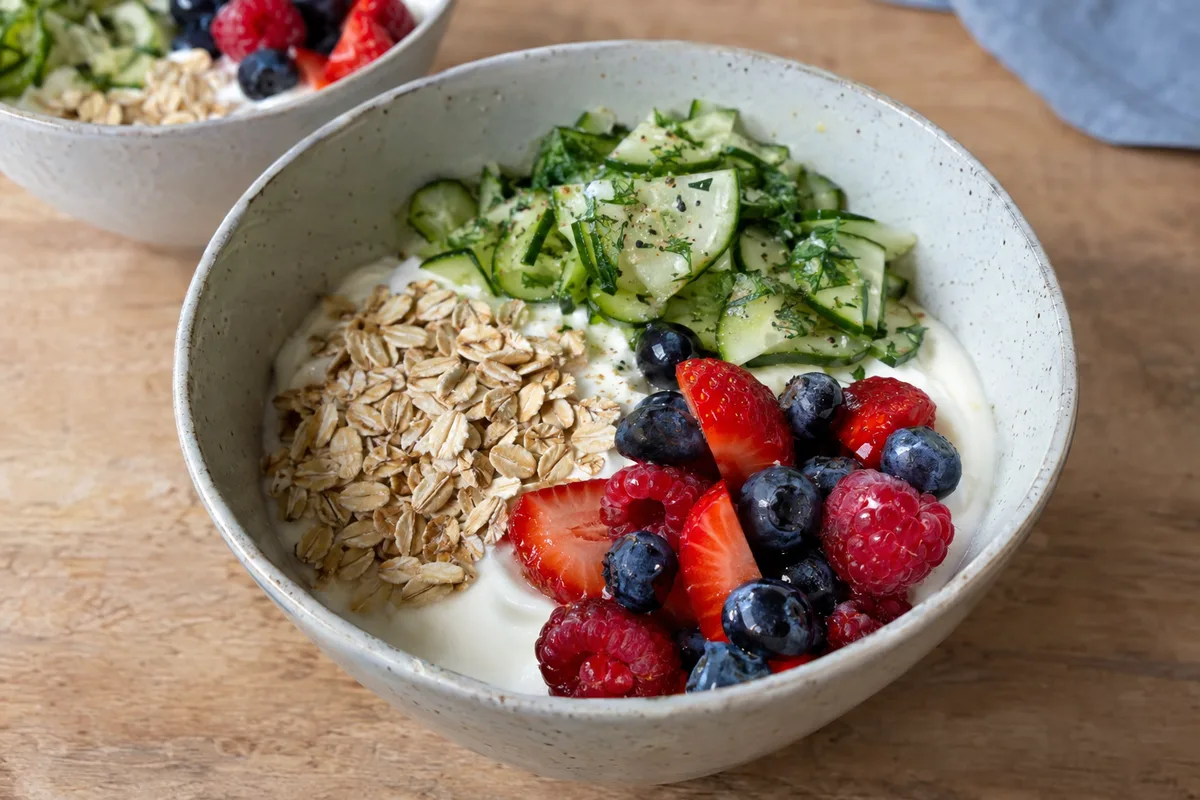
How to Choose the Best Greek Yoghurt for You
The best Greek yoghurt depends on what you want from the meal or snack. This guide explains how to compare labels, spot added extras and choose a yoghurt that suits your taste and nutrition goals.
-
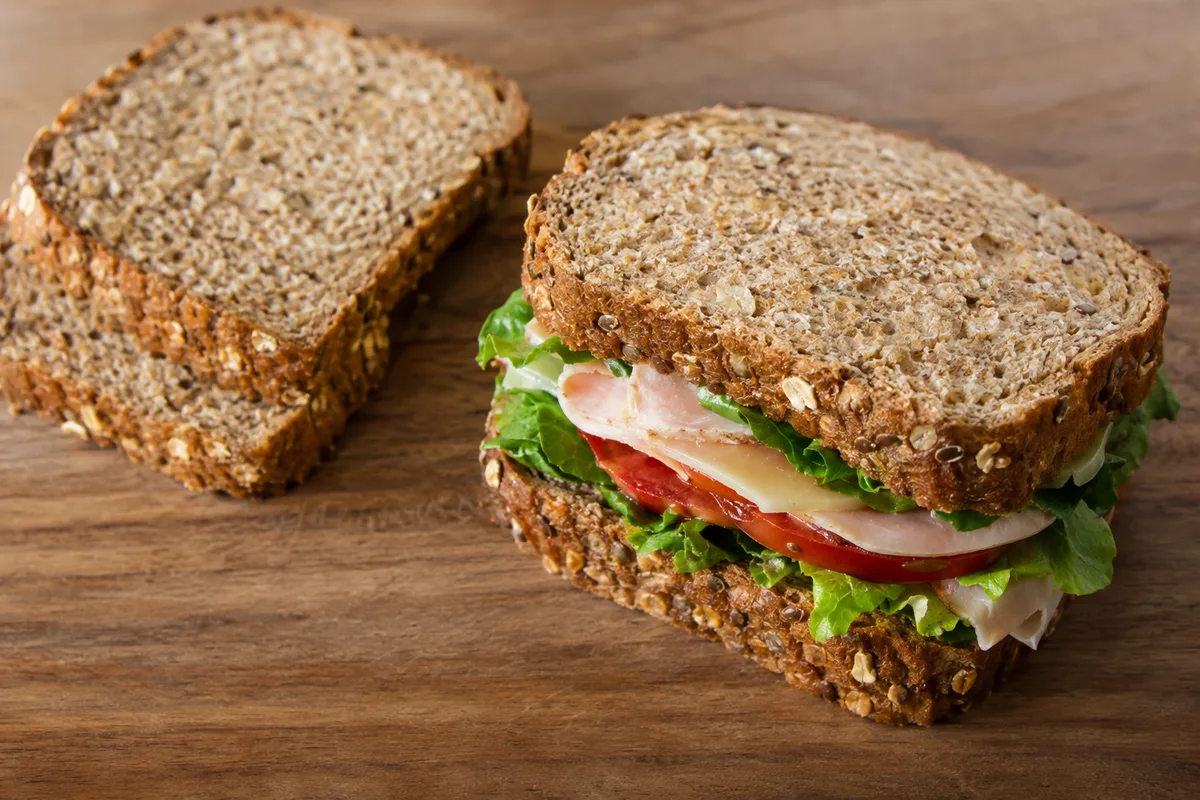
Which breads can fit a weight-loss plan?
Bread does not need to be removed from your food diary when you want to lose weight. This guide explains how to compare popular choices and build a satisfying meal around them.
-
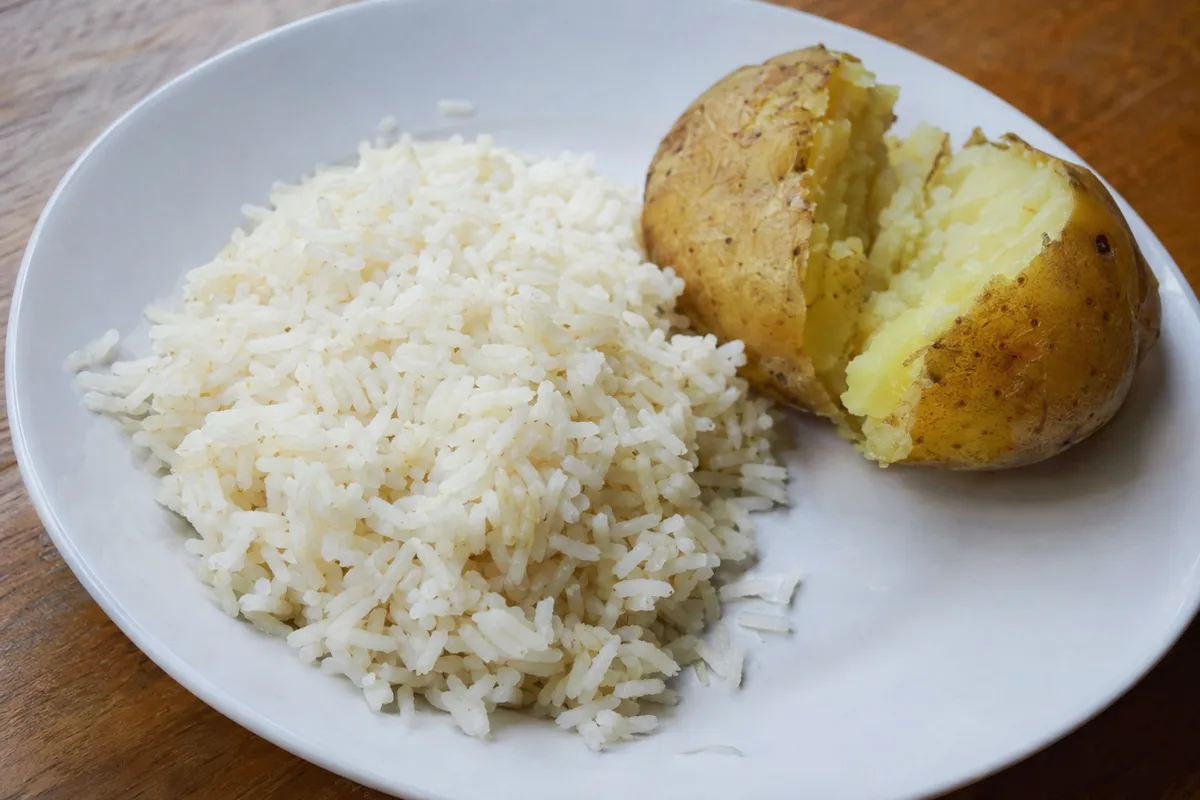
Rice or Potatoes: Which Has More Carbohydrate?
Rice and potatoes both provide carbohydrate, but the amount you log depends on the type, portion and cooking method. This guide explains how to compare them fairly and choose the right entry in your food tracker.
-
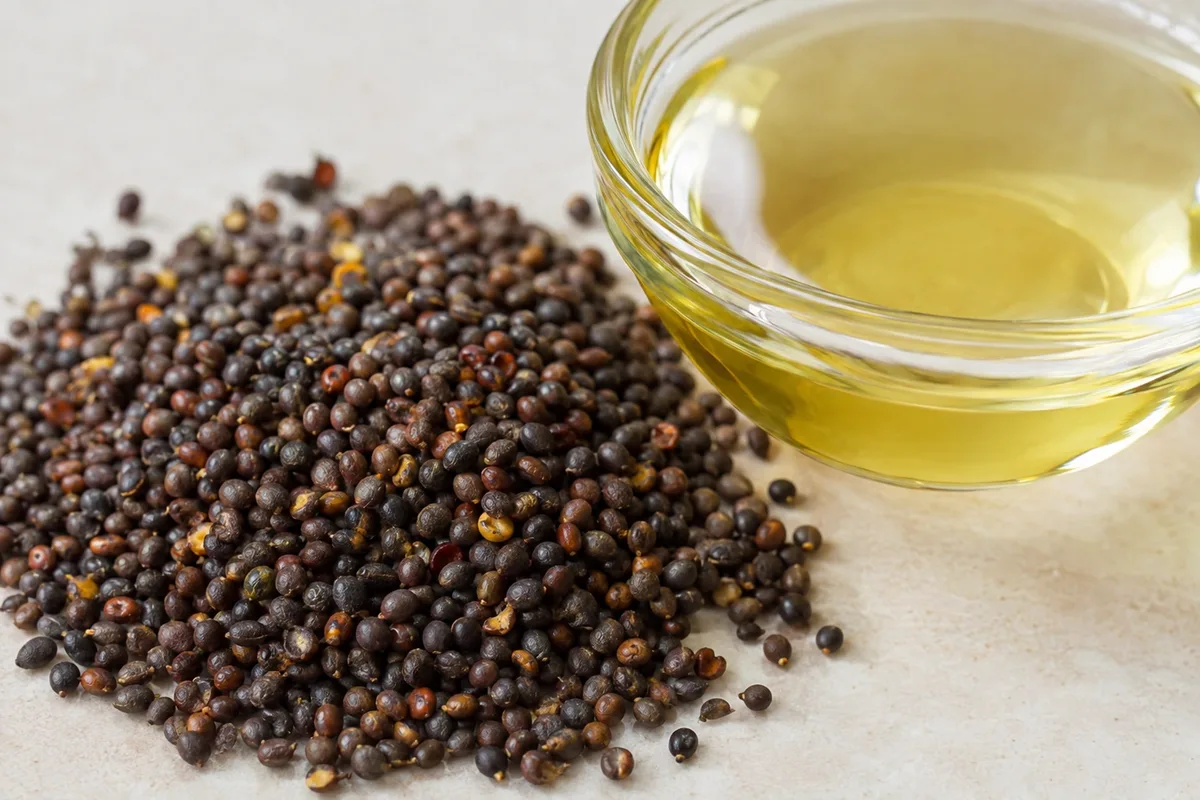
Canola oil: a safe and healthy choice for everyday cooking
Canola oil is a mild-tasting cooking oil made from specially bred varieties of rapeseed. This guide explains its safety, nutritional qualities and practical uses when you track what you eat.
-
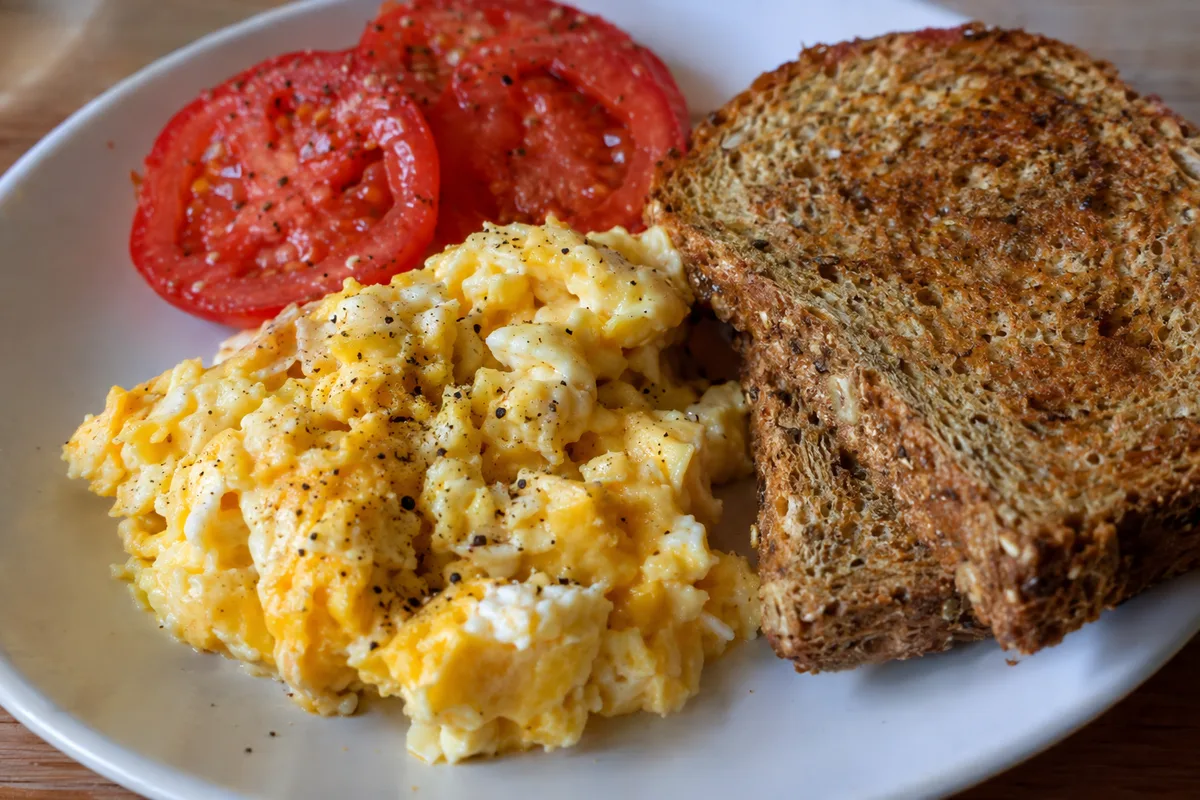
How to Plan a 50 Gram Protein Day
A 50 gram protein diet means planning your food so that your daily protein total reaches roughly 50 grams. This guide explains how to spread that target across the day, log it accurately and choose foods that fit your preferences.
-

Does Sunbathing Burn Calories?
Your body continues to use energy while you lie in the sun, but sunbathing itself is not a meaningful calorie-burning activity. This guide explains what is happening, why sweating is misleading and how to track active time outdoors.
-
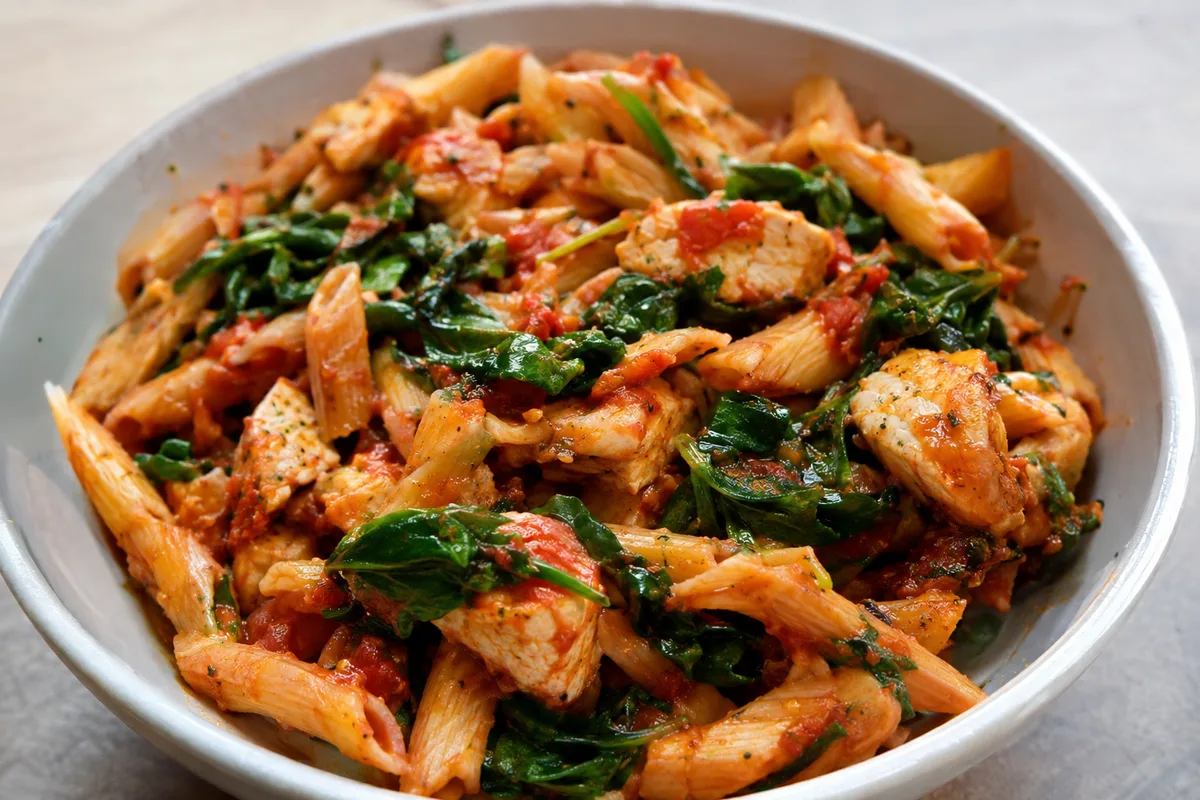
How to Keep Pasta on the Menu While Losing Weight
Pasta does not need to disappear when you are trying to lose weight. The key is to track it consistently, build a satisfying meal around it and notice what affects your total intake.
-

How to Measure Calories Burned During Pilates
Pilates calorie burn varies with the movements, pace, resistance, breaks and your body. This guide explains how to make a useful estimate and keep your food and activity log consistent.
-
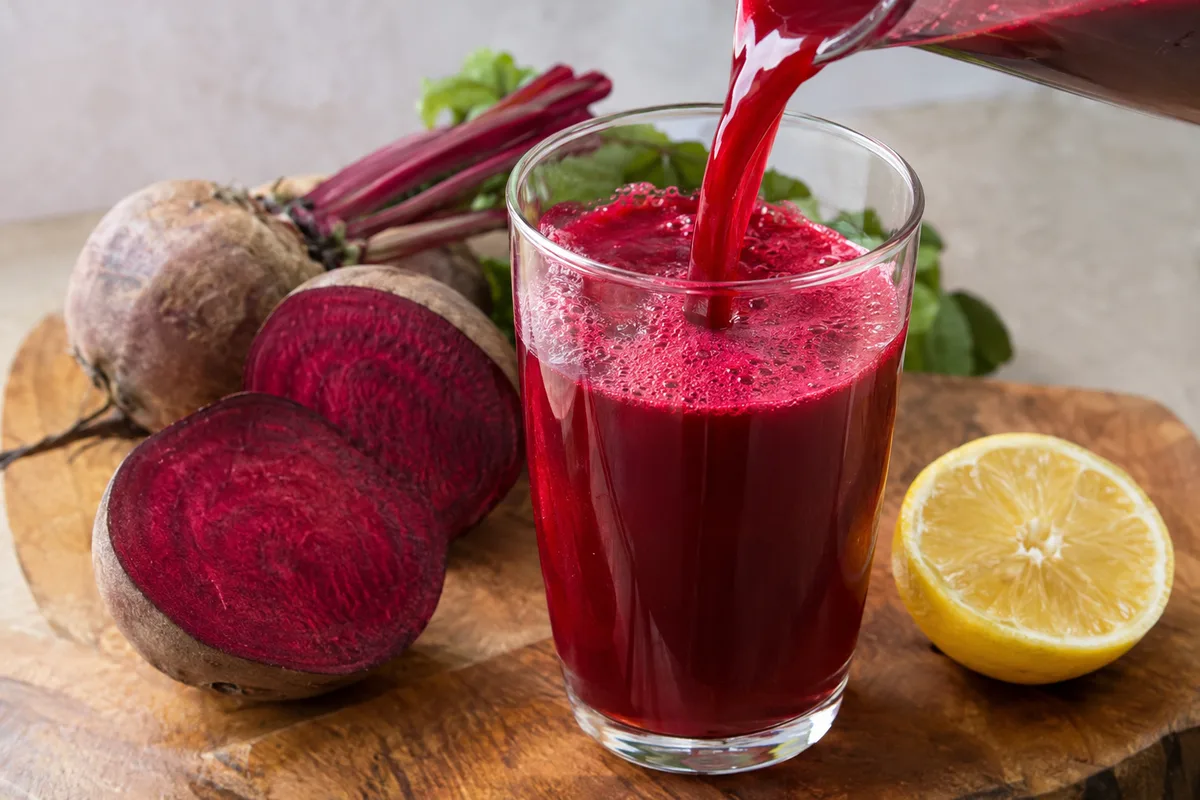
Beetroot Juice: What to Know Before You Log It
Beetroot juice is an easy way to consume beetroot, but it differs from the whole vegetable in fibre, concentration and serving size. Here is how to understand the label, track your glass and decide where it fits in your usual diet.
-
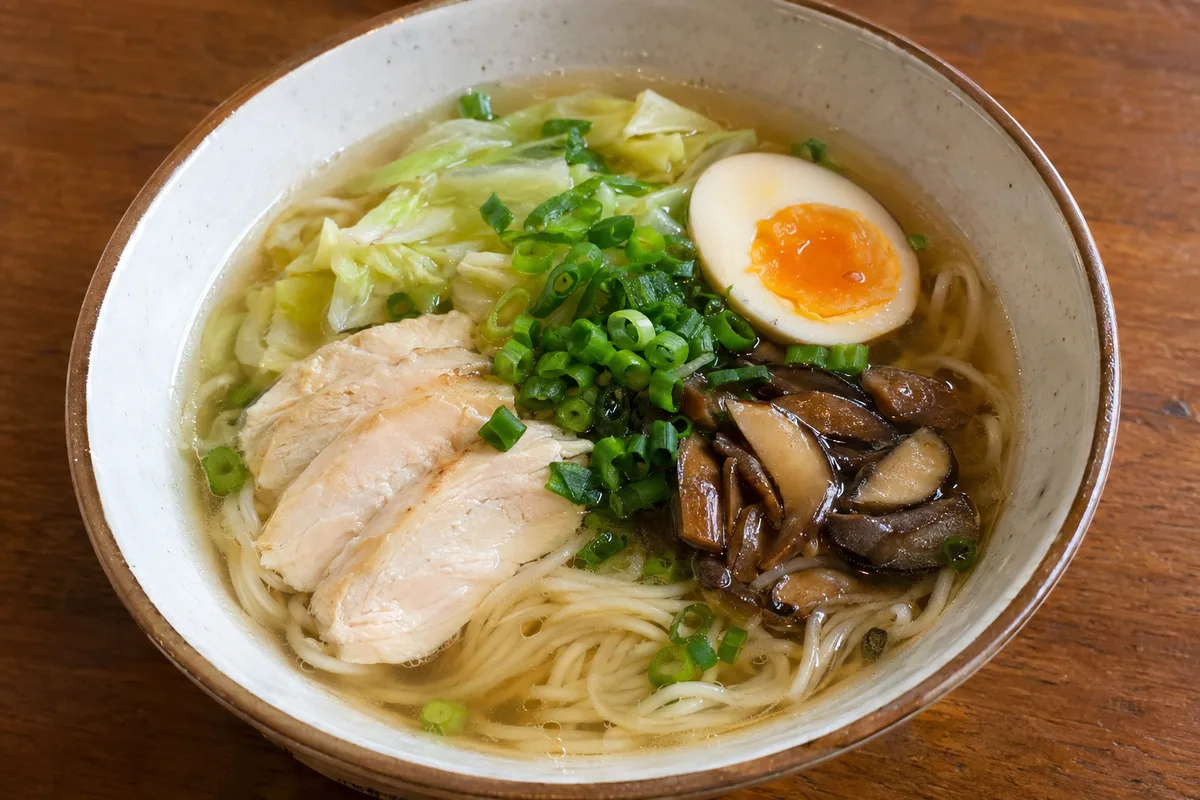
Is ramen a good choice when you are watching what you eat?
Ramen is not automatically a good or bad diet food, as the ingredients and serving size can vary widely. Here is how to log it accurately and build a bowl that suits your goals.
-
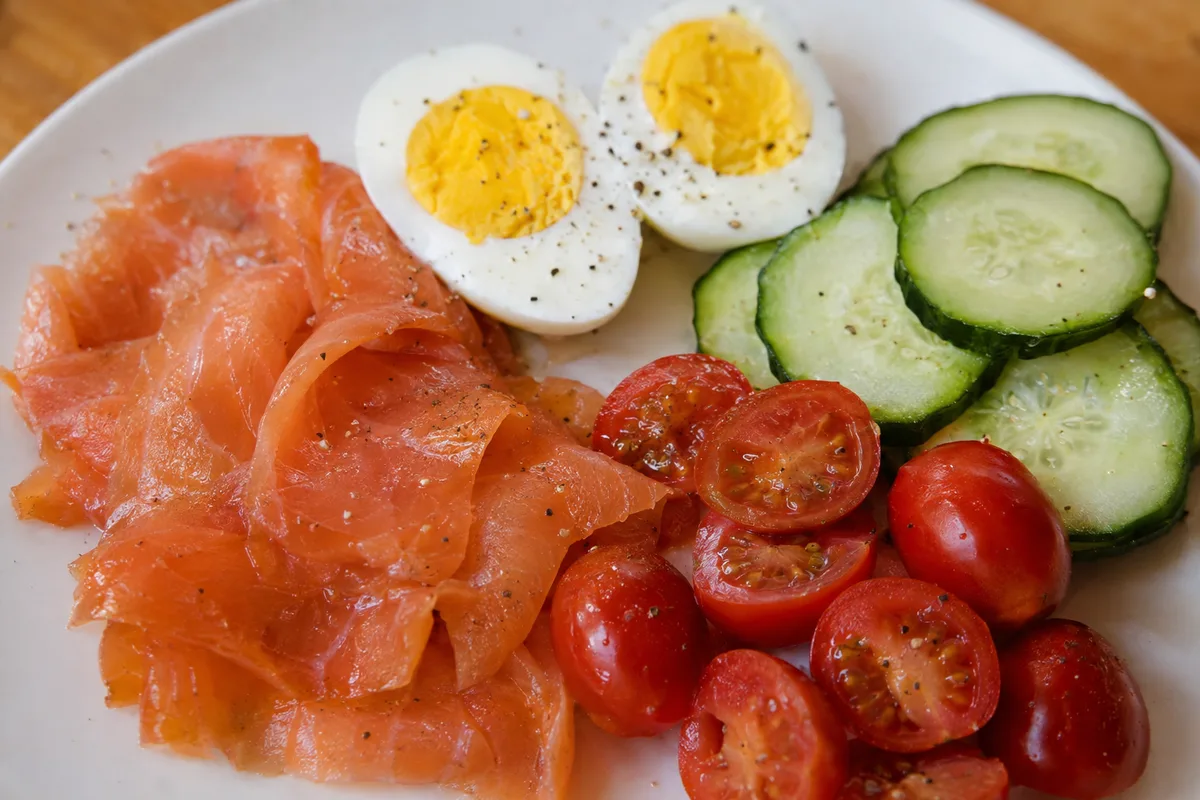
Is smoked fish a healthy choice?
Smoked fish provides protein and, depending on the fish, useful fats and vitamins. This guide explains its benefits, its salt content and how to fit it into the food you already track.