
What an Omnivorous Diet Looks Like in Everyday Life
An omnivorous diet includes foods from both plant and animal sources, with plenty of room for personal preference. This guide explains how to build balanced meals, track them accurately and notice where variety may be missing.
What an omnivorous diet means
An omnivorous diet can include vegetables, fruit, grains, pulses, nuts and seeds alongside meat, fish, eggs and dairy foods. It does not describe one fixed menu or set of portions. The balance between plant and animal foods depends on your preferences, routine, culture and nutritional needs.
Eating this way gives you a wide range of possible meals, but variety is not automatic. A menu can technically be omnivorous while relying on the same few foods each day. Looking at the overall pattern in your food log is more useful than judging the diet by a single meal.
- Plant foods such as vegetables, fruit, grains, beans, lentils, nuts and seeds
- Animal foods such as meat, fish, eggs, milk, yoghurt and cheese
- Mixed dishes such as chicken and vegetable curry, fish tacos or egg fried rice
- Meals without animal foods, which can still fit within an omnivorous pattern
Building a satisfying mixed meal
A useful meal usually starts with a source of protein, a source of carbohydrate and some vegetables or fruit. Fat may already come from the protein food or may be added through oil, dressing, nuts, seeds or avocado. The right amounts depend on your appetite, activity and aims, so your usual tracked portions are a practical starting point.
Plant and animal ingredients can share the plate rather than compete for space. For example, beans can be added to minced meat, vegetables can bulk out an omelette, and lentils can sit beside fish or chicken. These combinations can bring more fibre, colour and texture to a familiar meal.
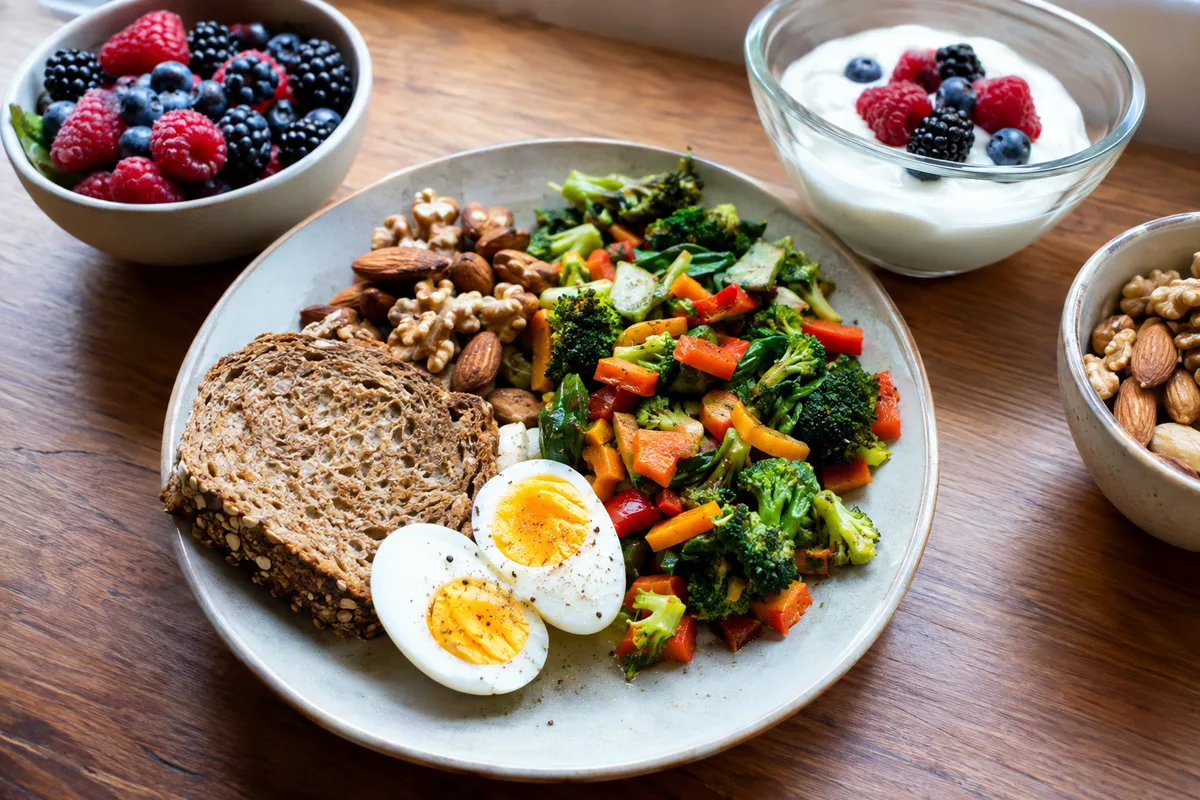
- Eggs with wholegrain toast, tomatoes and mushrooms
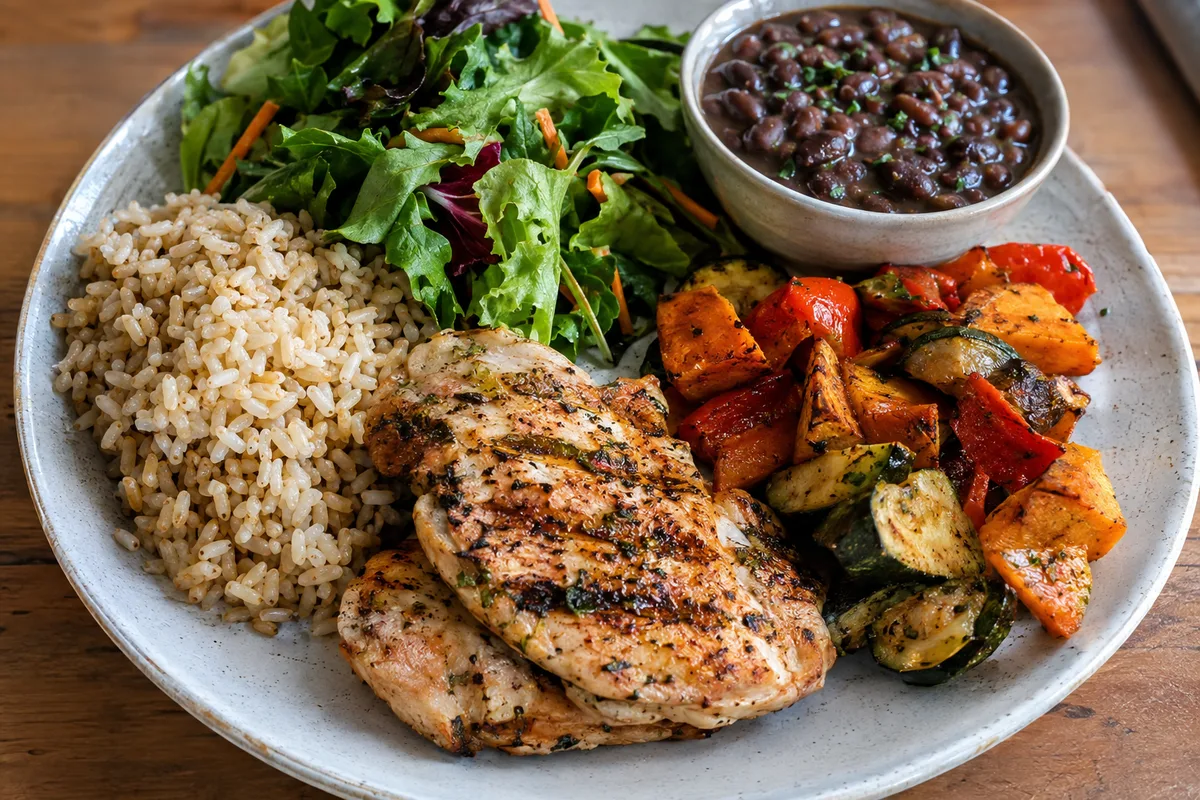
- Chicken with rice, roasted vegetables and a yoghurt dressing
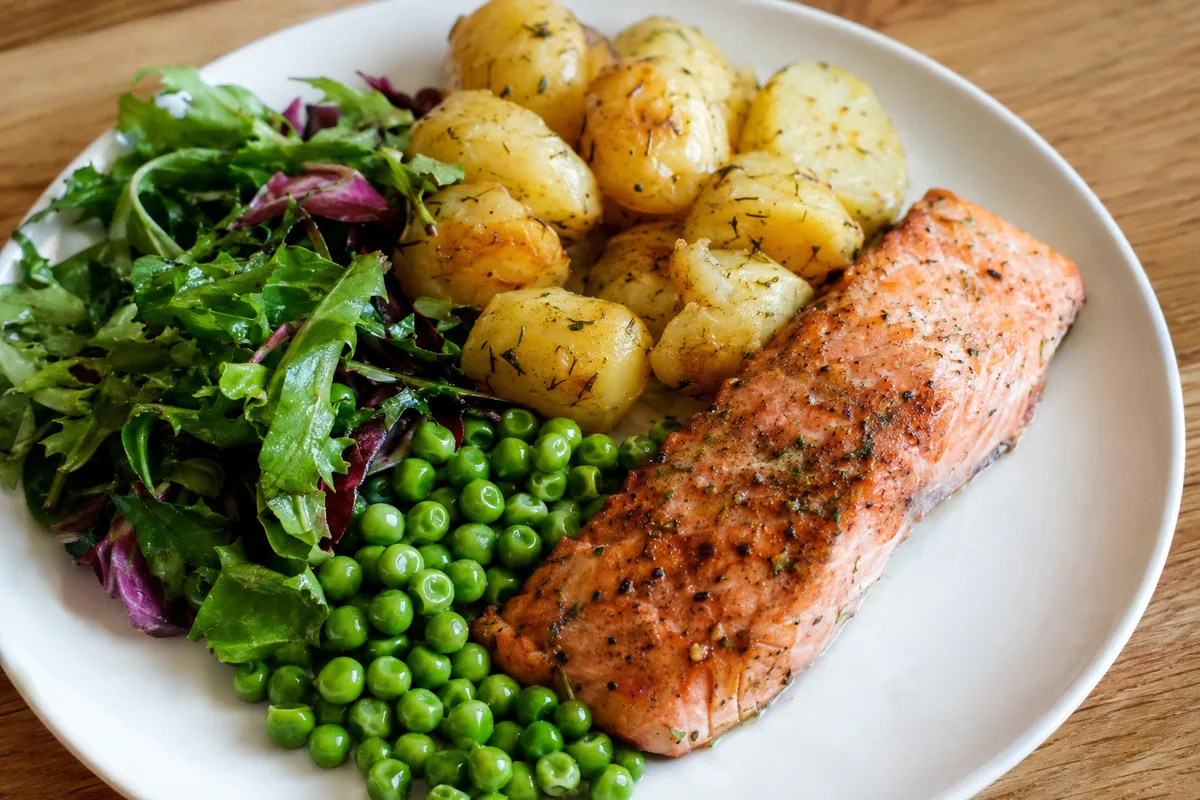
- Fish with potatoes, peas and a leafy salad
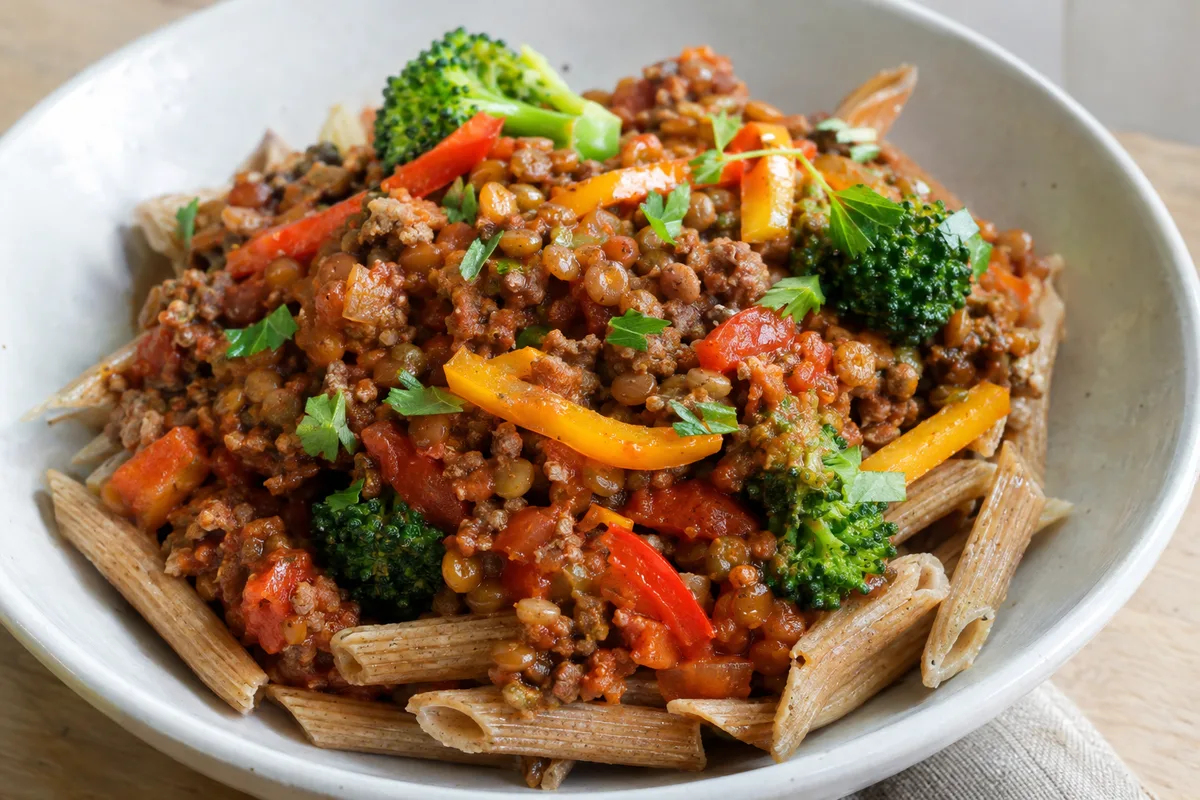
- Beans with minced meat, vegetables and pasta
- Yoghurt with oats, fruit, nuts and seeds
Tracking mixed dishes accurately
Mixed meals are often harder to log than foods eaten separately. When you cook, record each ingredient and divide the finished dish by the number of portions you actually serve. Include cooking oils, sauces, cheese, dressings and toppings, as these can be easy to overlook.

For a meal prepared by someone else, choose the closest sensible entry rather than searching for a perfect match. Note the main ingredients and adjust the logged portion if it looked larger or smaller than the standard entry. Consistency matters more than false precision when the exact recipe is unknown.
- Save recipes that you cook regularly
- Log oils and spreads used during cooking
- Record toppings and sauces separately when practical
- Check whether meat is logged raw or cooked
- Review the portion number when a recipe makes leftovers
Looking beyond calories
Your calorie total shows only one part of the picture. An omnivorous food log can also help you notice protein sources, fibre-rich foods and the range of vegetables and fruit you eat. Looking across several days makes patterns easier to see than focusing on one unusual day.
Animal foods may provide convenient protein, while plant foods can add fibre and a broader range of textures and flavours. Some foods contribute both, including meals that combine pulses, grains, dairy foods, eggs, meat or fish. No single ingredient needs to carry the whole meal.
- Whether vegetables or fruit appear regularly
- Whether grains are often wholegrain or higher-fibre choices
- Whether protein comes from several different sources
- Whether beans, lentils, nuts or seeds appear in the week
- Whether drinks, sauces and snacks are being logged
Making the pattern work for you
There is no required ratio of plant foods to animal foods in an omnivorous diet. You might prefer smaller amounts of meat in mixed dishes, regular fish or egg meals, or some fully plant-based meals. Your food log can show which approach feels satisfying and fits your routine.
Make changes one meal at a time rather than rebuilding the whole menu. Keep the parts that already work, then add variety where the log shows repetition or gaps. Portion needs and meal timing vary from person to person, so use your own records and hunger cues to guide adjustments.
- Add beans or lentils to a meat-based sauce
- Replace part of a refined grain with a wholegrain option
- Include an extra vegetable in a familiar cooked meal
- Rotate between meat, fish, eggs, dairy foods and pulses
- Choose snacks that add fruit, nuts, seeds or yoghurt