
How stretching can support weight loss
Stretching is not a shortcut to weight loss, and it usually uses less energy than more active forms of movement. Its value lies in helping you move comfortably, prepare for activity and build a routine you can keep alongside food tracking.
Where stretching fits into weight loss
Body weight is influenced by the balance between the energy you take in and the energy your body uses. Because you already track your food, stretching can be viewed as one part of the movement side of that balance. It does use energy, but usually not enough to be the main driver of weight loss.
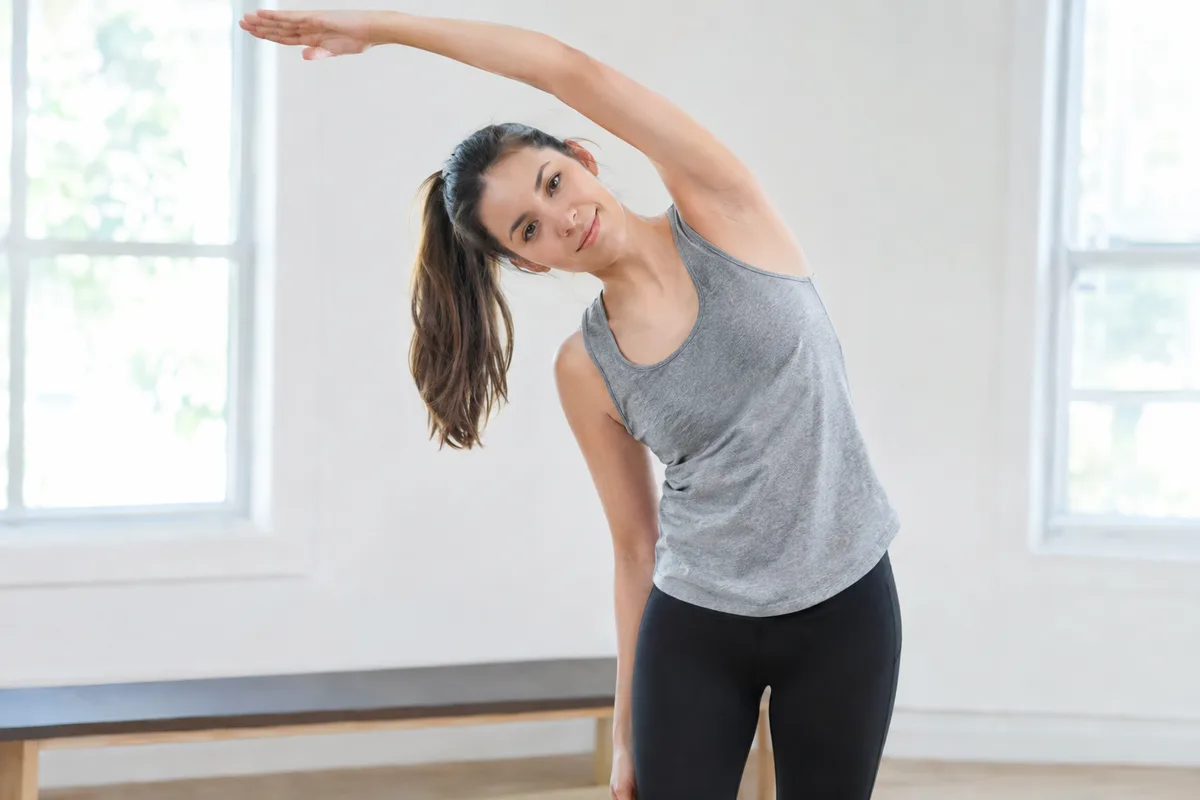
Stretching is more useful as support for other activity. When your body feels less stiff and familiar movements feel easier, you may be more willing to walk, train or stay active during the day. The amount this helps depends on your routine, the type of stretching you do and what other movement it enables.
- Treat stretching as support, rather than a replacement for active movement
- Keep tracking food in the usual way
- Notice whether stretching makes planned activity feel easier to start
- Judge progress from your overall routine, not one stretching session
It can make everyday movement feel easier
Regular stretching can help maintain or gradually improve how freely a joint moves. This may make actions such as reaching, bending, turning and taking a longer stride feel more comfortable. Easier movement can remove some of the friction that gets in the way of being active.
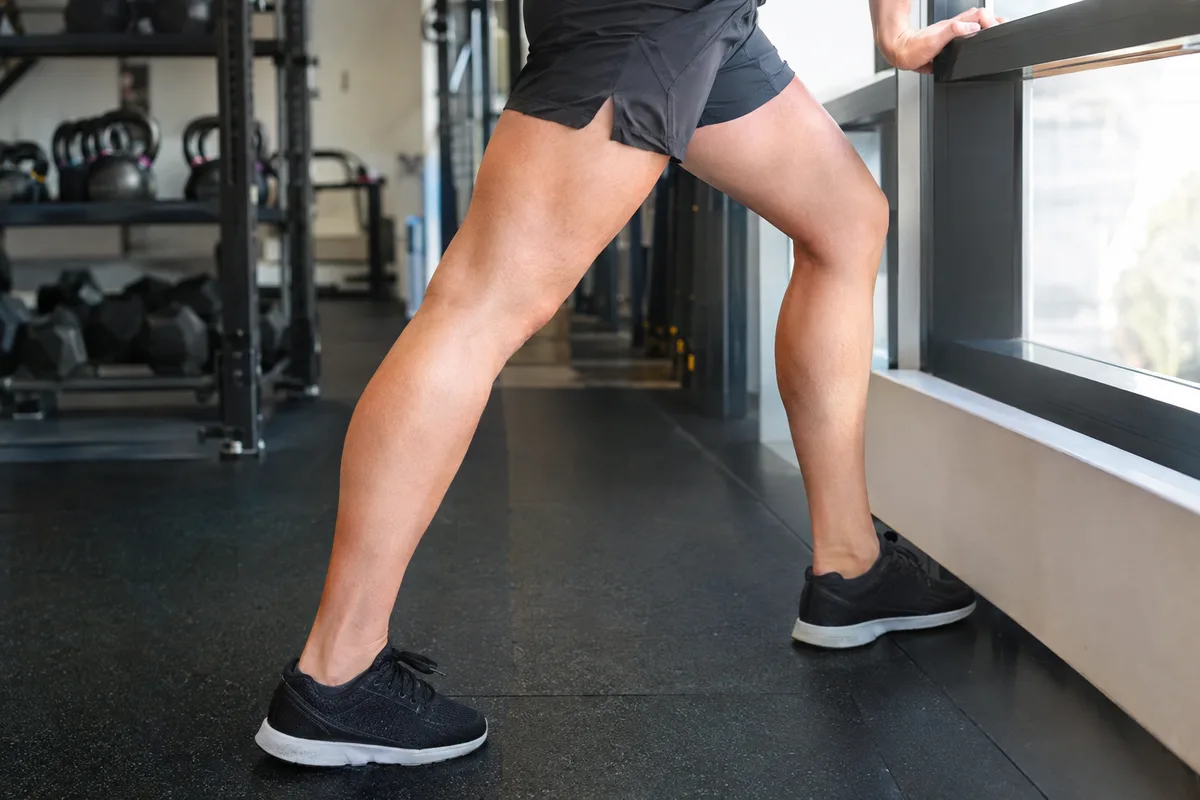
The useful stretches are the ones linked to movements you actually do. Someone who sits for long periods may focus on the hips, chest and back, while someone who walks regularly may give more attention to the calves and backs of the thighs. Your choices should reflect where you feel restricted rather than following a long list for its own sake.
- Calf stretch to support comfortable walking
- Gentle hip stretch after long periods of sitting
- Chest stretch to open a rounded sitting position
- Back-of-thigh stretch for bending and stepping
- Side stretch for reaching and turning
Dynamic stretching can prepare you for activity
Dynamic stretching means moving through a comfortable range rather than holding one position. Examples include controlled arm circles, leg swings and gentle walking lunges. These movements can help you shift from being still into a walk, workout or active task.
Keep the movements smooth and begin with a smaller range. As your body warms, you can gradually make each movement fuller without forcing it. The aim is to feel ready to move, not tired before the main activity begins.
- Choose movements that resemble the activity ahead
- Move slowly enough to stay in control
- Increase the range gradually
- Stop short of sharp or pinching discomfort
Static stretching can help you wind down
Static stretching involves easing into a position and holding it without bouncing. It often fits better after activity or at another calm point in the day than immediately before faster, more forceful movement. A mild pulling feeling is enough; stronger is not automatically better.
A short stretching routine can also act as a clear end to a walk or workout. That small ritual may make the whole session feel more complete and easier to repeat. Consistency matters more than trying to make every stretch deep or demanding.
- Settle into each position gradually
- Keep breathing normally
- Hold a steady position without bouncing
- Release if the stretch becomes painful
- Use stretches that match the muscles you have just used
Stretching can strengthen an activity habit
Stretching is simple to attach to something already in your day. You might stretch after getting dressed, before a regular walk or when you finish work. Linking it to an existing cue reduces the need to decide when to do it.
On a low-energy day, a few gentle stretches can also help you begin moving without demanding a full workout at once. You may then choose to continue with a walk or another activity, but that is not a requirement for the stretch to count as part of your routine. Avoid adding extra food to your log as an assumed reward for stretching, because its energy use is usually modest and difficult to estimate accurately.
- After getting up from a chair at the end of work
- Before putting on shoes for a walk
- After a usual home workout
- While waiting for the kettle to boil
- Before your evening wind-down
Build a balanced approach
For weight loss, stretching works best alongside movement that uses more energy and activity that challenges your muscles. Walking, cycling, swimming, active chores and structured training can all contribute, depending on what suits you. Stretching can help prepare for these activities and maintain the range of movement they require.
Keep food tracking and movement records separate enough to stay realistic. A stretching session is worth recording as a habit, but there is no need to assign it a precise calorie value unless you have reliable personalised information. The number depends on your body, the duration and how actively you move.
Start with comfortable positions and avoid forcing a joint beyond its natural range. Stretching should create tension rather than sharp pain, numbness or loss of control. If a movement does not feel right, stop and choose a gentler range or a different stretch.
- Track stretching as a consistency habit
- Pair it with regular walking or another active movement
- Include muscle-challenging activity that suits your ability
- Review whether your routine feels sustainable
- Adjust stretches according to comfort and control