
Notes on eating well
Practical notes on eating, training and keeping track.
-

Invert Sugar: What It Is and How to Track It
Invert sugar may sound unusual, but it is simply a form of sugar made by splitting sucrose into two simpler sugars. Understanding the name can make ingredient lists and food logs easier to interpret.
-
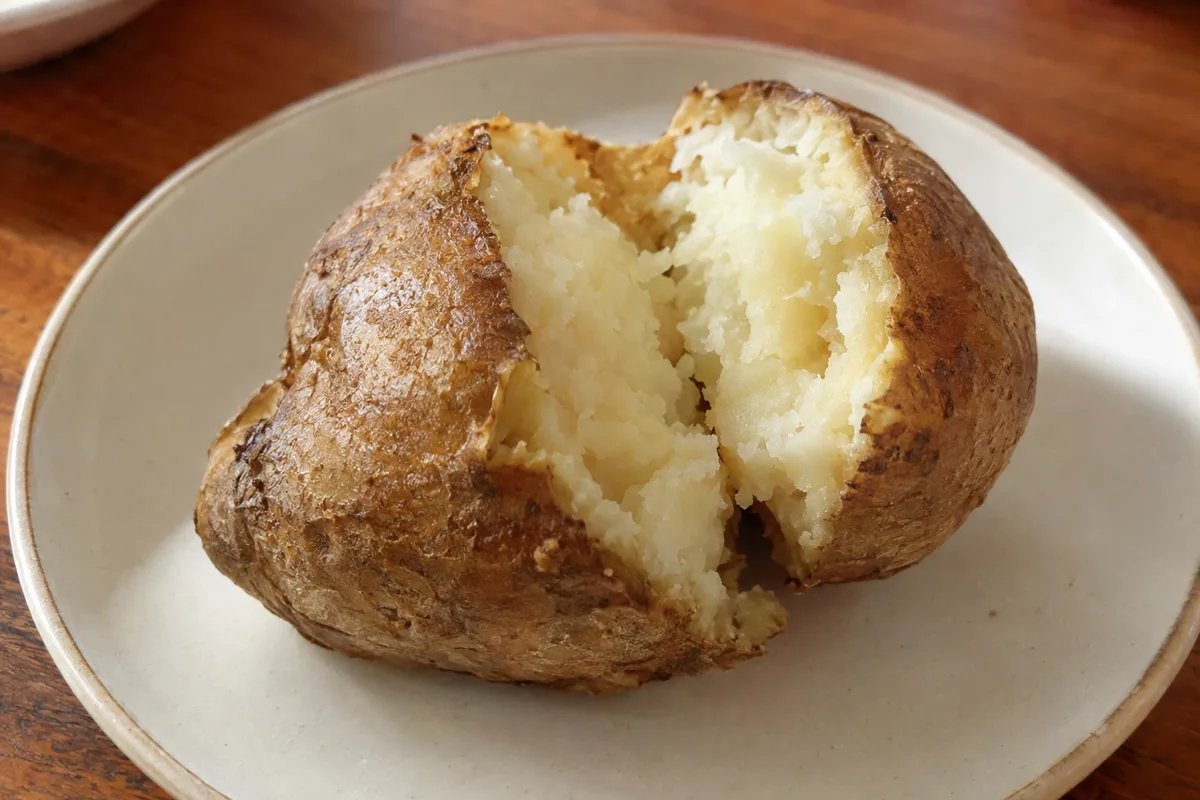
Can a Baked Potato Fit a Weight-Loss Plan?
You do not need to avoid baked potatoes when aiming to lose weight. What matters most is how the whole meal fits your calorie target and keeps you satisfied.
-
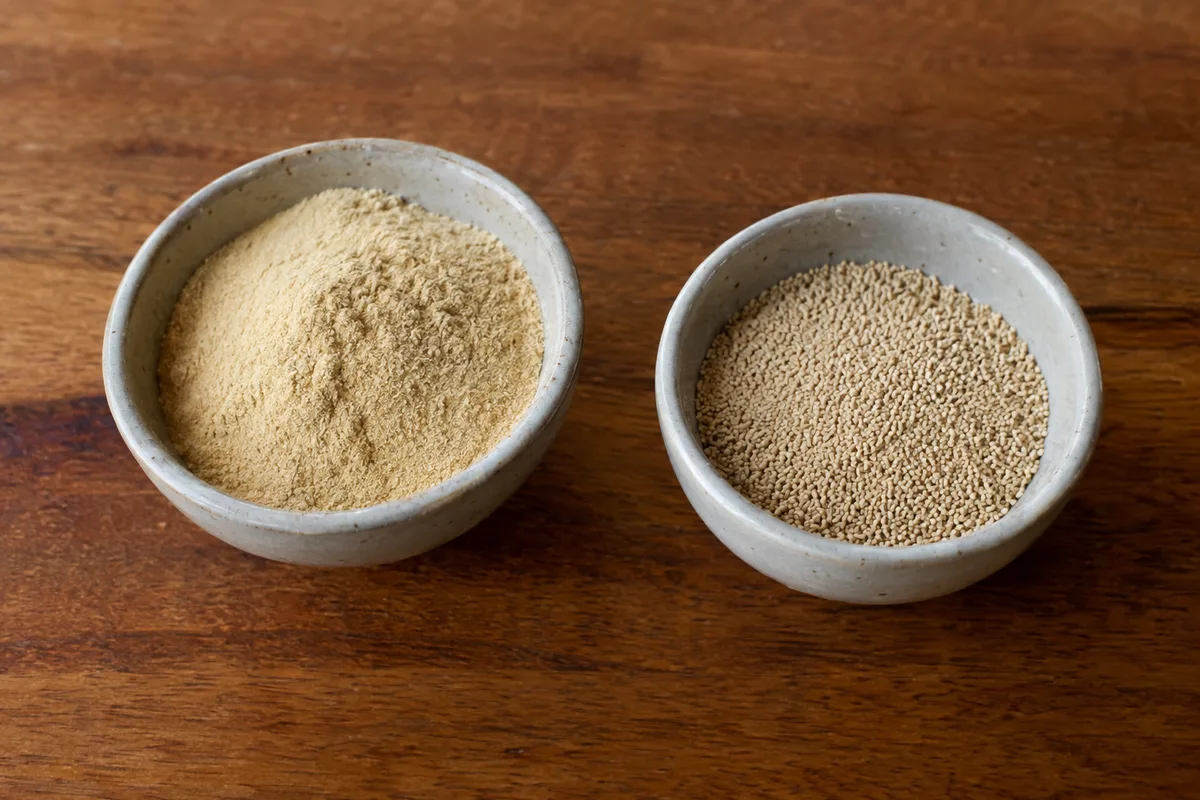
Brewer’s Yeast and Baker’s Yeast: What’s the Difference?
Brewer’s yeast and baker’s yeast are closely related, but they are prepared for different jobs. That difference affects how they taste, behave in recipes and appear in your food log.
-
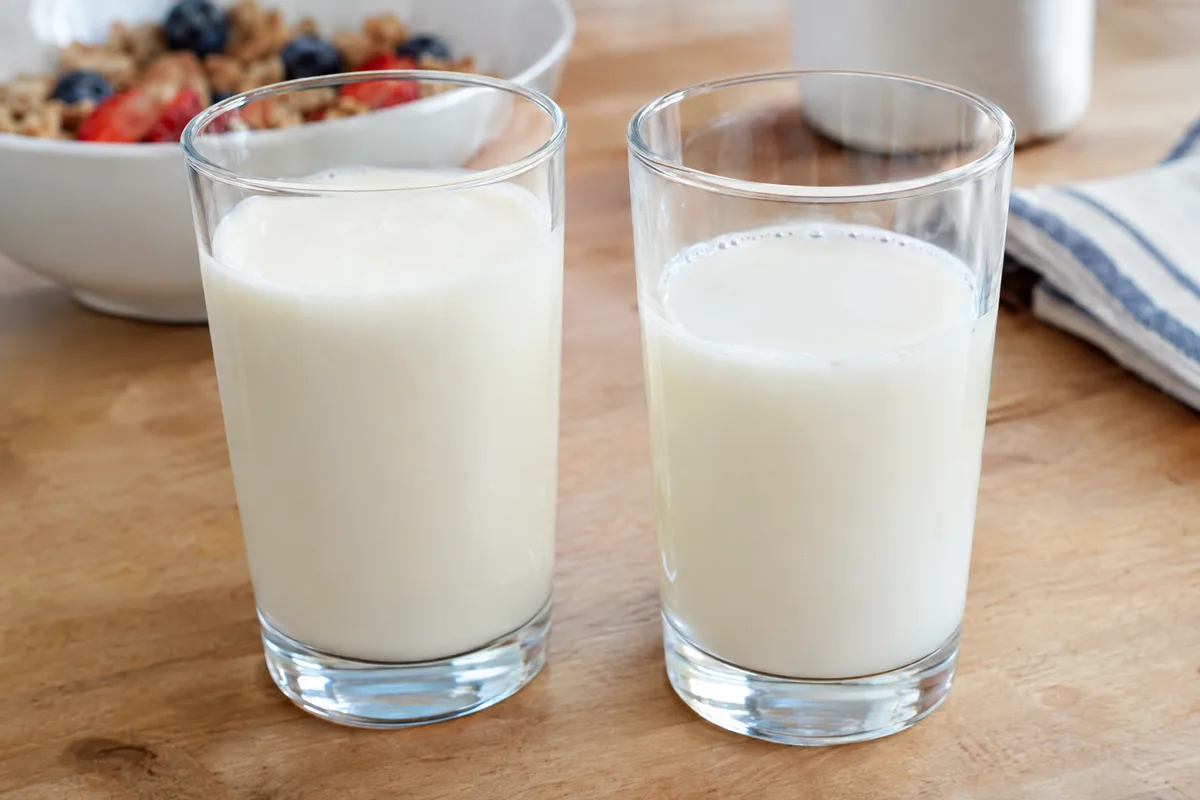
Whole Milk vs Skimmed Milk: What Changes?
Whole and skimmed milk come from the same starting point, but most of the fat is removed from skimmed milk. The better choice depends on your preferences, portions and the rest of what you eat.
-
How to Choose the Best Walking Sandals for You
The best walking sandals are the ones that stay comfortable and secure across the routes you actually take. Focus on fit, sole design and adjustability rather than assuming one style suits everyone.
-
How to Choose the Best Rowing Machine for You
The best rowing machine is one that feels comfortable, fits your space and supports the way you like to train. Looking beyond headline features makes it easier to compare models without paying for functions you may not use.
-
Repetition Maximum and 1RM, Explained Simply
Repetition maximum describes the heaviest load you can lift for a set number of good-quality repetitions. Your 1RM is the version used for a single repetition.
-
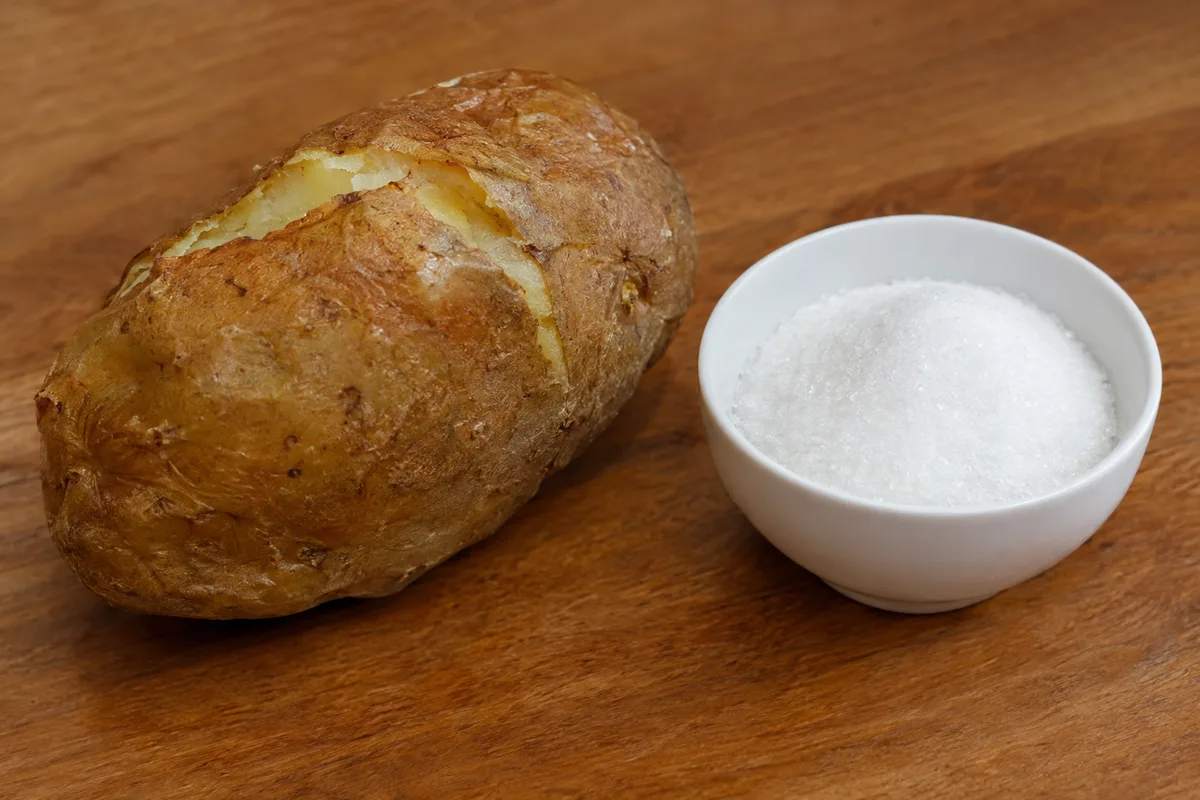
Why Potatoes Can Raise Blood Glucose Faster Than Sugar
A potato does not contain more sugar than table sugar, yet its starch can sometimes reach the bloodstream as glucose more quickly. Understanding digestion helps explain why the comparison is not as simple as it sounds.
-
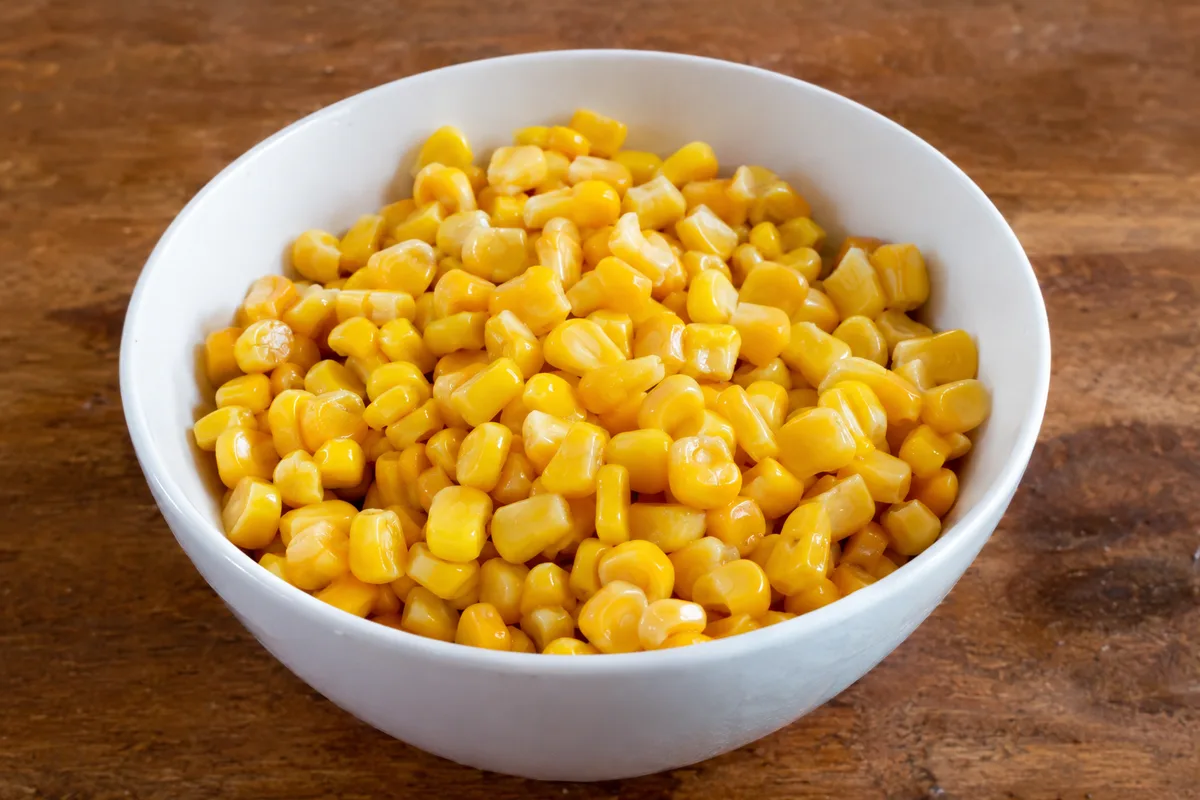
Canned Sweet Corn: Benefits, Drawbacks and What to Track
Canned sweet corn can be an easy way to add carbohydrate, fibre and useful nutrients to a meal. Checking the label helps you account for differences in salt, added sugar and serving size.
-
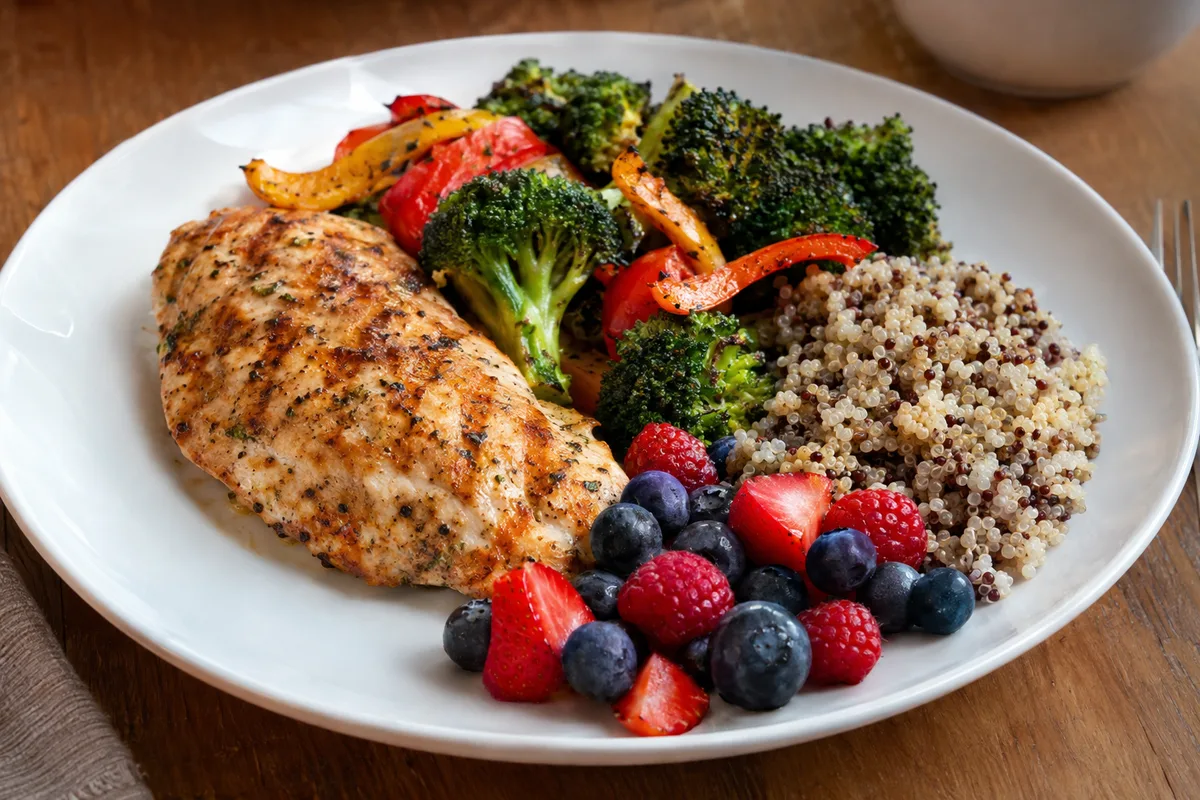
What Does a Low-Calorie Diet Really Mean?
A low-calorie diet means eating less energy than your body typically uses. The right amount is personal, so it is more useful to understand the principle than follow a universal number.
-
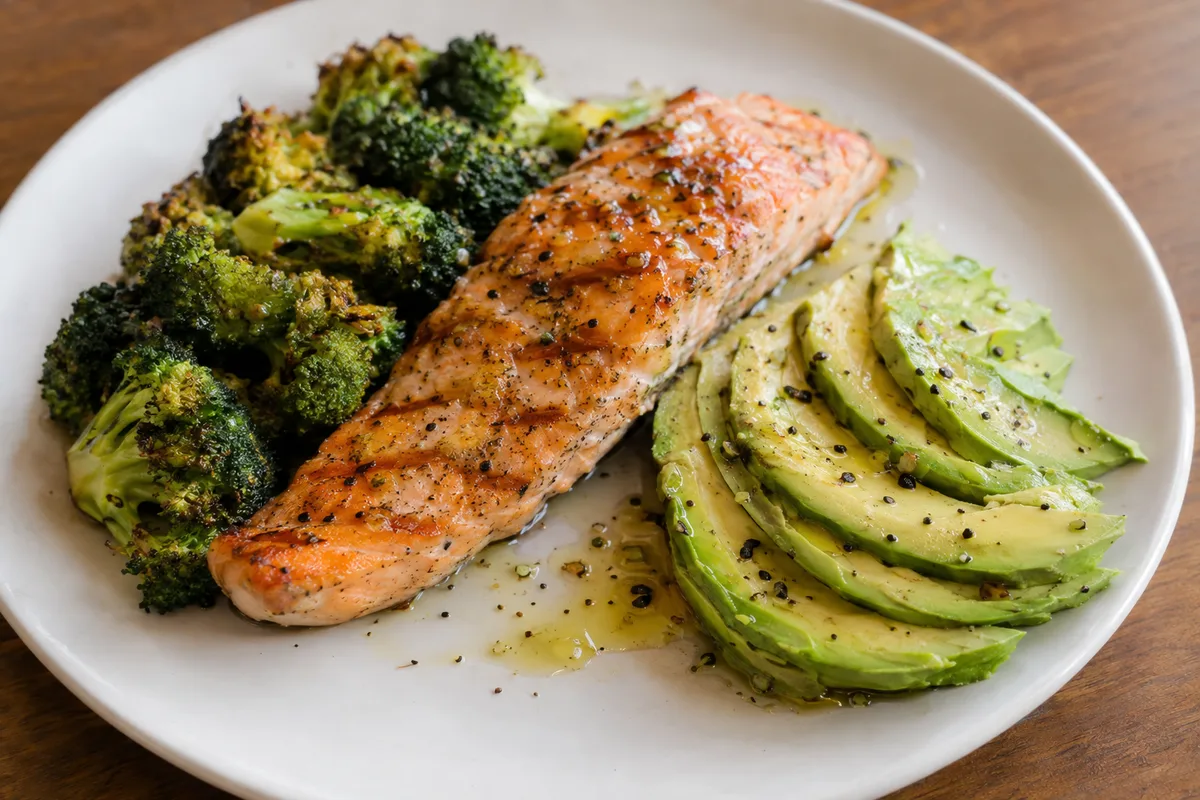
How to Build a Low-Carb Shopping List
A low-carb shopping list can make food tracking simpler by putting your usual choices in one clear plan. The right foods and carbohydrate target depend on your preferences, routine and overall eating pattern.
-
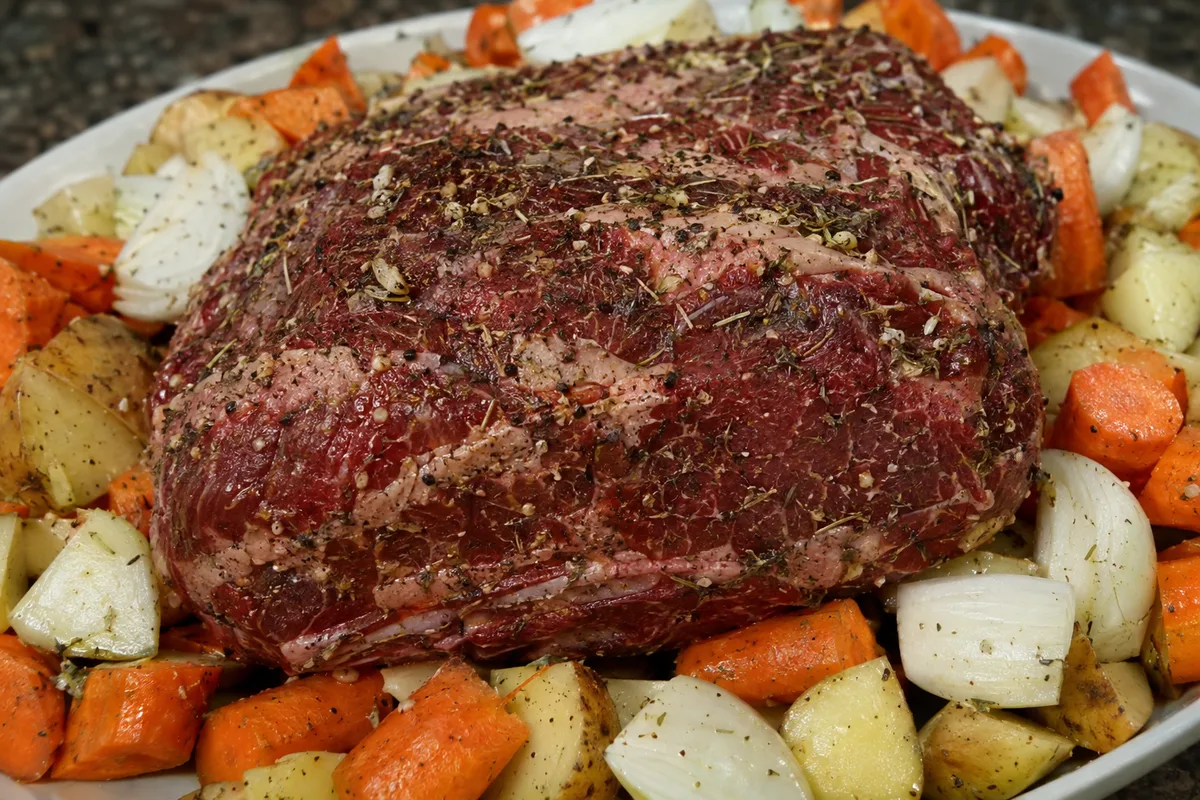
How to Cook a Chuck Roast in a Roaster Oven
A roaster oven surrounds chuck roast with steady heat, giving the tough cut time to become tender. A little preparation and a meat thermometer make the process easier to manage.
-
The Best Lower-Body Weight Training Exercises for a Balanced Routine
The most useful lower-body exercises cover several movement patterns rather than focusing on one muscle. Choose versions that feel controlled, suit your equipment and allow steady progress.
-
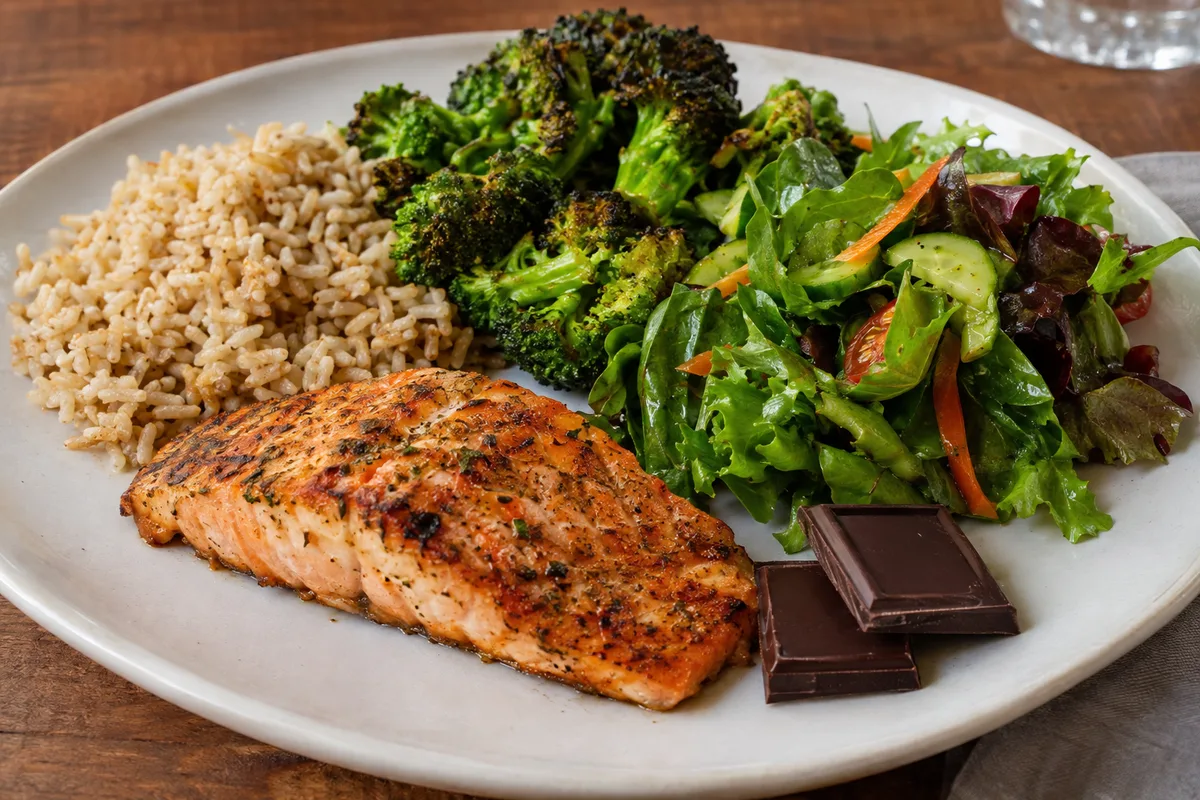
How Chocolate Can Fit Into a Weight-Loss Plan
Chocolate does not need to disappear from your food log when you want to lose weight. The useful approach is to plan for it, notice how much satisfies you and consider your overall intake.
-
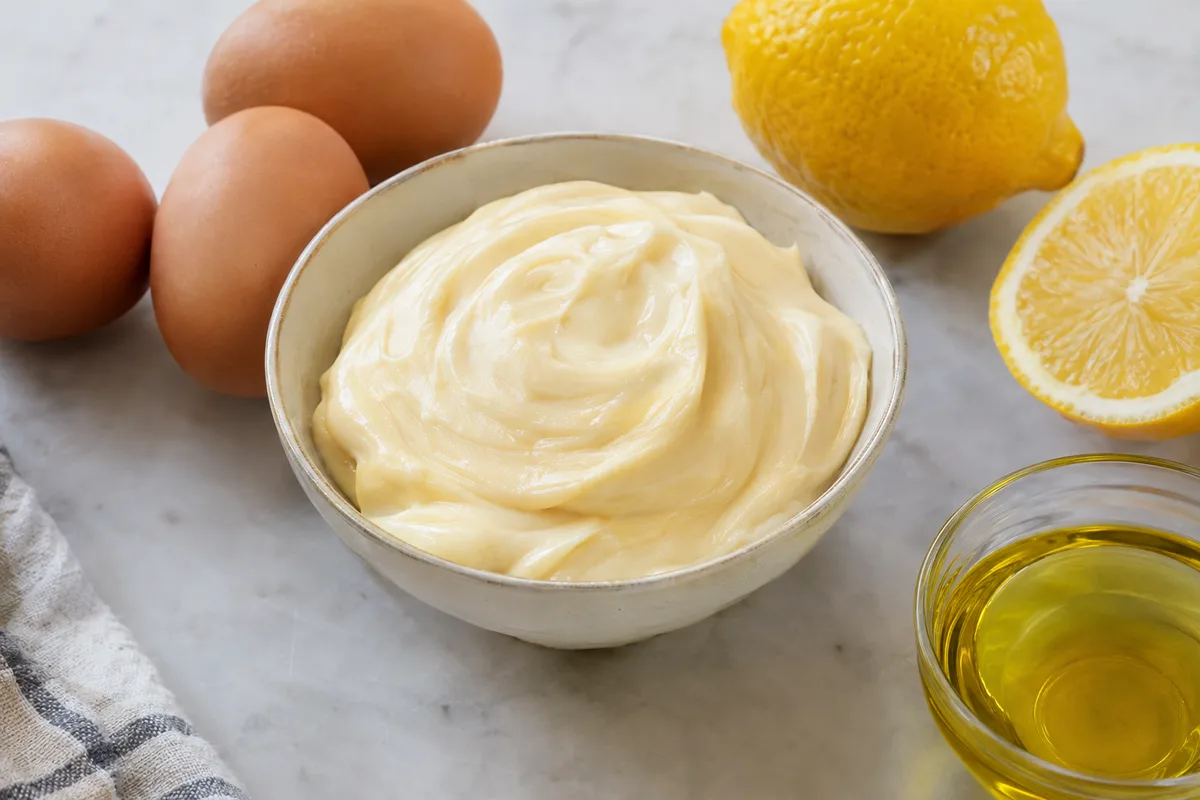
How unhealthy is mayonnaise, really?
Mayonnaise can fit into a balanced way of eating, even though it is high in fat and easy to serve generously. If you already track your food, the label and your usual portion will tell you more than broad claims about whether it is unhealthy.
-
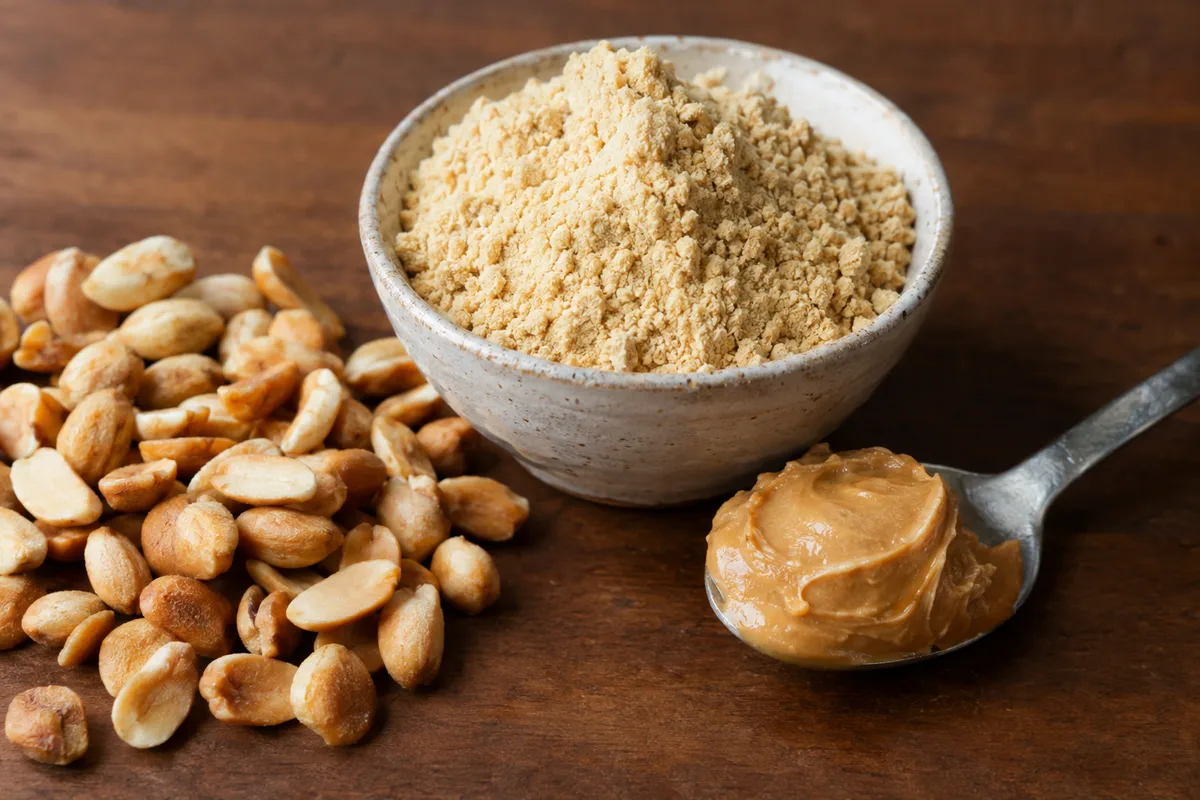
What Is Powdered Peanut Butter and How Should You Use It?
Powdered peanut butter is made from roasted peanuts after much of their oil has been removed. It can be mixed with water or stirred into other foods, but its texture and nutrition differ from regular peanut butter.
-
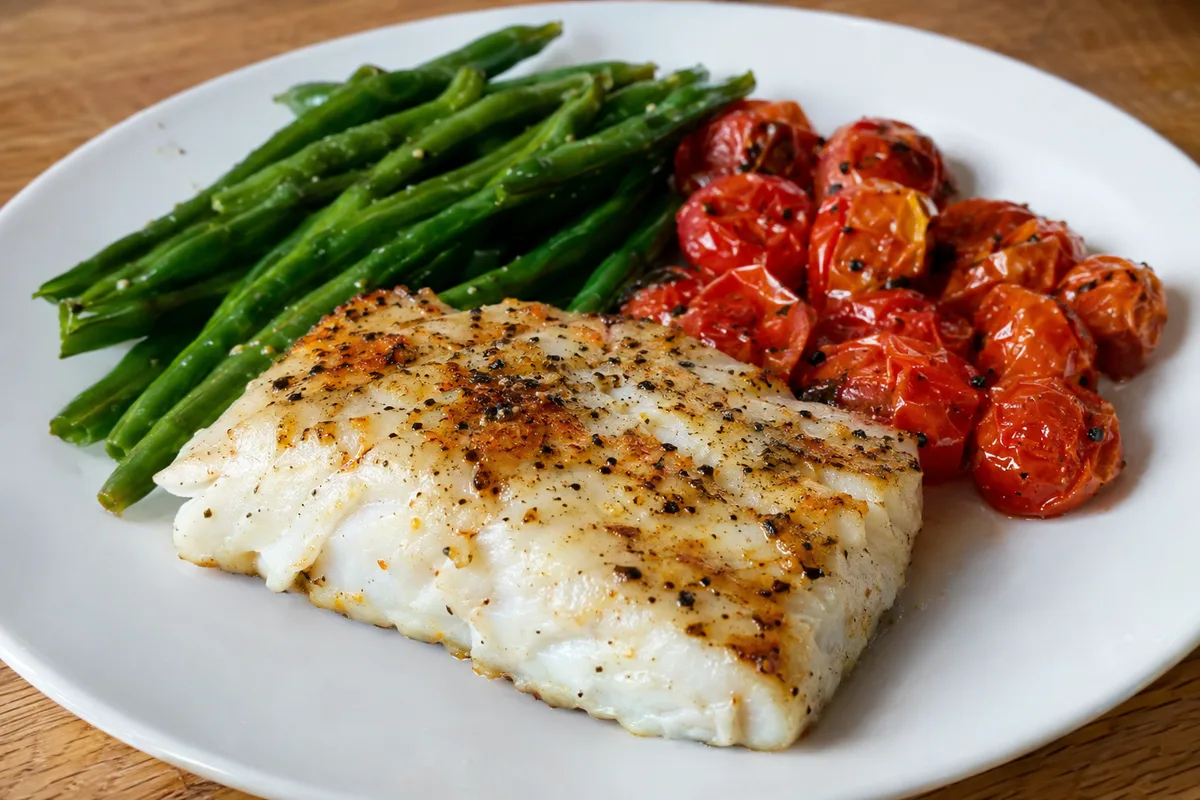
Which Fish Is Best When You Want to Lose Weight?
There is no single fish that guarantees weight loss, but some choices are easier to fit into a calorie target. The best option depends on your portions, cooking method and overall eating pattern.
-
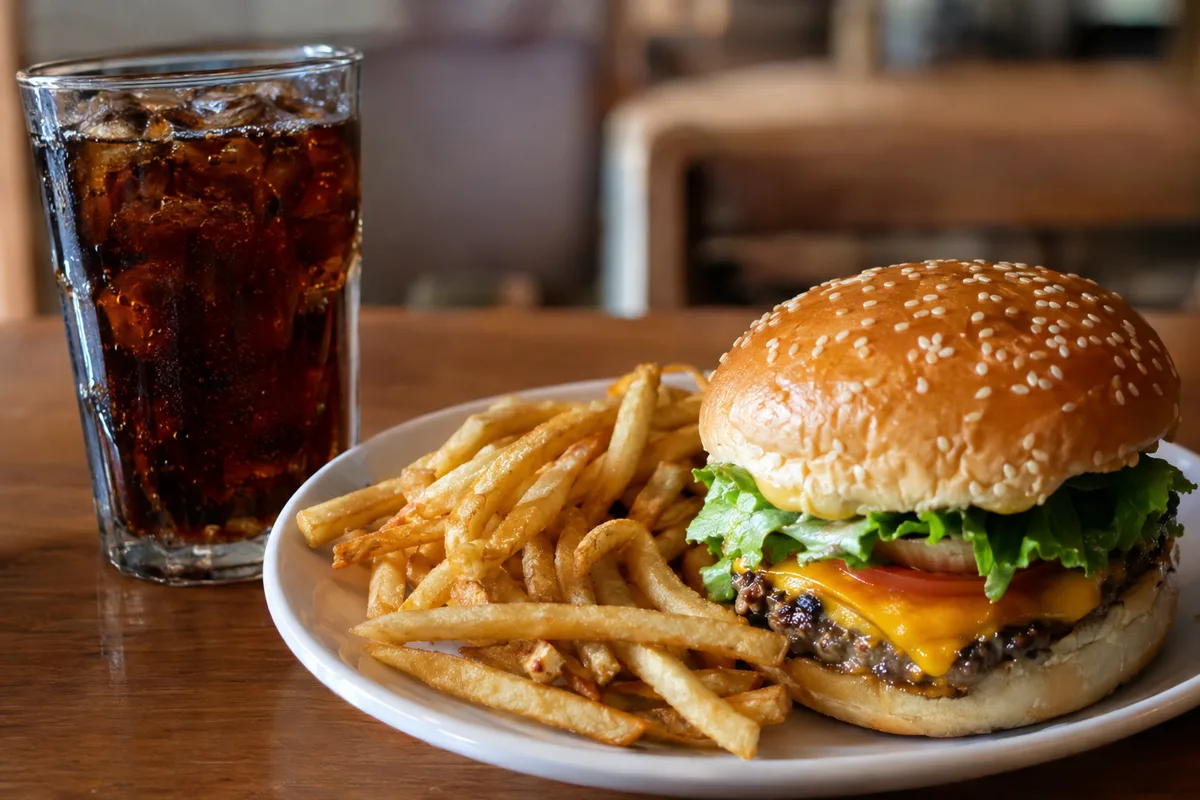
How Much Weight Could You Lose by Giving Up Soda?
Giving up regular soda can lower your calorie intake if you do not replace those calories elsewhere. The amount of weight you might lose depends on your usual drinks, the rest of your diet and changes over time.
-
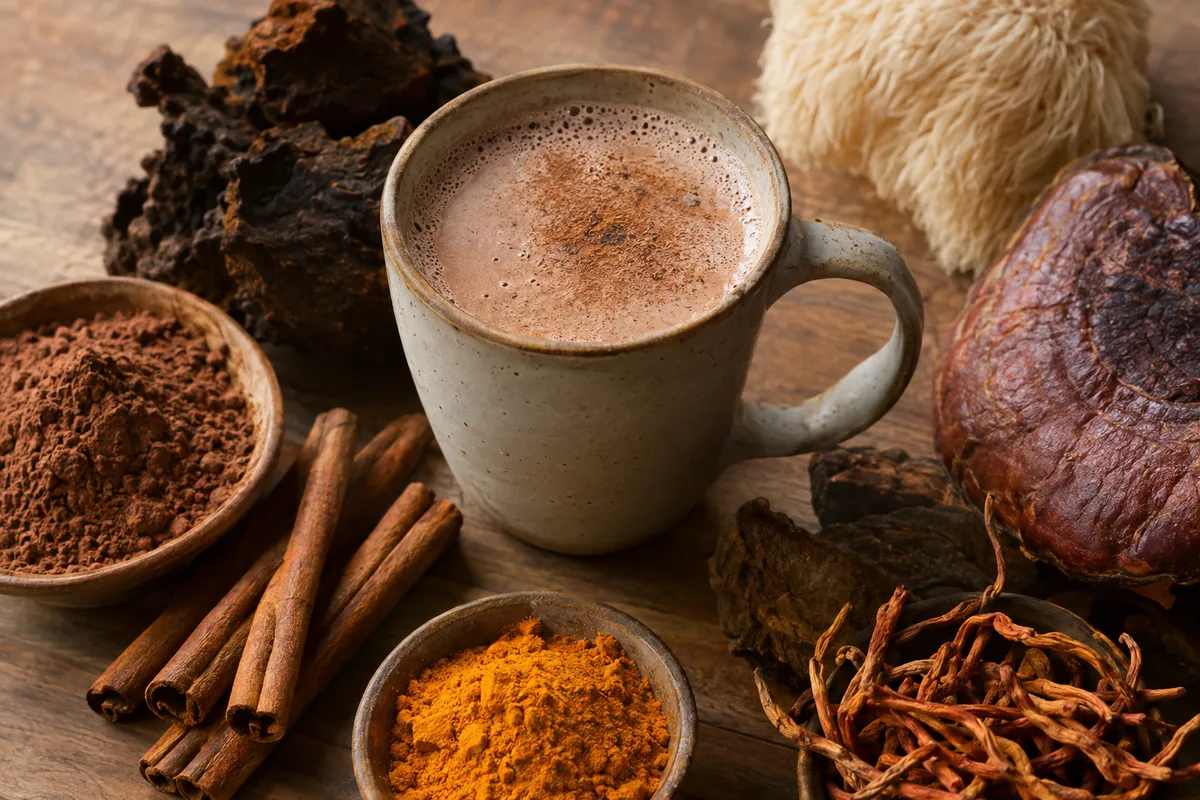
What Is Mud Water and How Does It Fit Your Food Log?
Mud water is the informal name often used for an earthy coffee alternative made from a powdered blend. Its ingredients, caffeine and energy content depend on the exact mix and how you prepare it.
-
How to Do a Wall Sit for Stronger Quads
The wall sit is a simple exercise that keeps your thigh muscles working without repeated movement. It needs only a clear wall and can be adapted to suit your current ability.