
How to Eat Lower Carb at Carl’s Jr. or Hardee’s
Eating lower carb at Carl’s Jr. or Hardee’s usually means changing the bun, breading, sauces and sides rather than avoiding the whole menu. This guide explains practical orders and how to record them in your food log.
Decide what lower carb means for your day
There is no single carbohydrate limit that suits everyone. Look at your usual target and decide how much of it you want to use for this meal. That gives you a clearer basis for choosing a main, sauce and side.
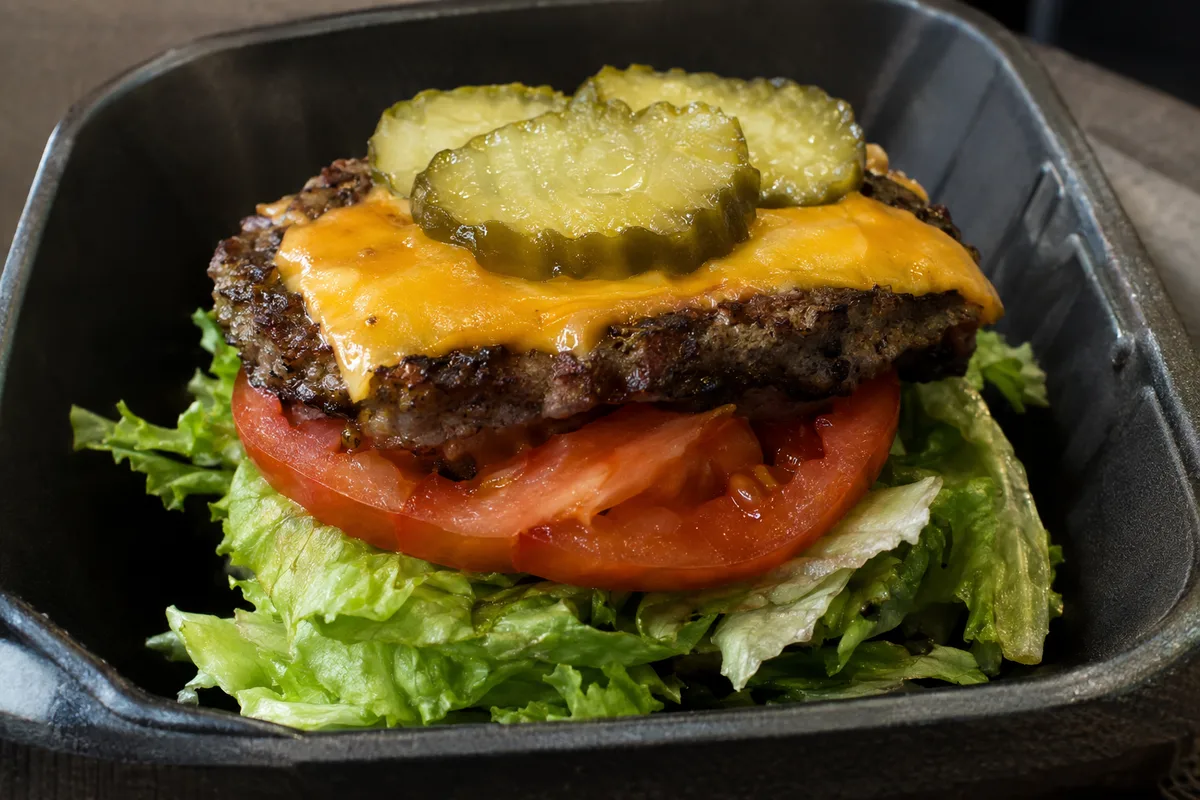
At Carl’s Jr. or Hardee’s, buns, biscuits, fried coatings, chips and sweet drinks are often the main carbohydrate sources. Meat, eggs and cheese usually contribute much less, although recipes and serving sizes vary. Current restaurant nutrition information is the best source when you need exact figures.
- Check how many carbohydrates you have already logged that day
- Choose whether the meal needs to be strictly low carb or simply lower than your usual order
- Review the current menu before ordering, as items differ by branch and region
Start with a burger and change the bun
A burger can be made lower in carbohydrate by removing the standard bun. Ask for a lettuce wrap if the restaurant offers one, or order the burger in a container without bread. You still get the beef patty and can keep fillings that fit your plan.
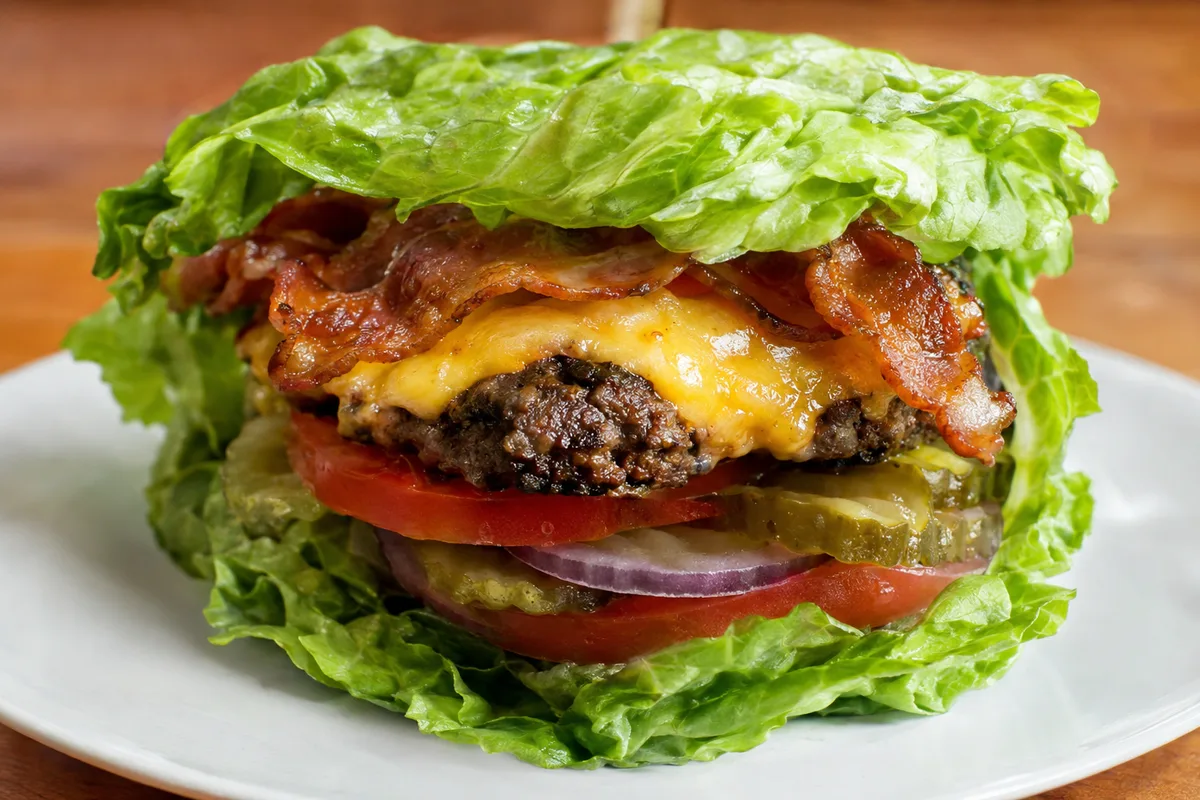
Cheese, bacon, pickles, lettuce, tomato and onion can add flavour and texture. Tomato and onion contain some carbohydrate, but the amount may be manageable depending on your target. Extra patties can make the meal more filling without relying on another bun, although they also change the meal’s energy and fat content.
- Single or double burger without the bun
- Burger in a lettuce wrap, where available
- Cheeseburger without the bun and with salad vegetables
- Burger bowl with patties, cheese, lettuce, tomato and pickles
Check sauces and toppings separately
Sauces can change the carbohydrate content of an otherwise simple burger. Ketchup, barbecue sauce, relish and sweet glazes often contain added sugar. The exact amount depends on the recipe and portion, so check the restaurant’s current information or request the sauce on the side.
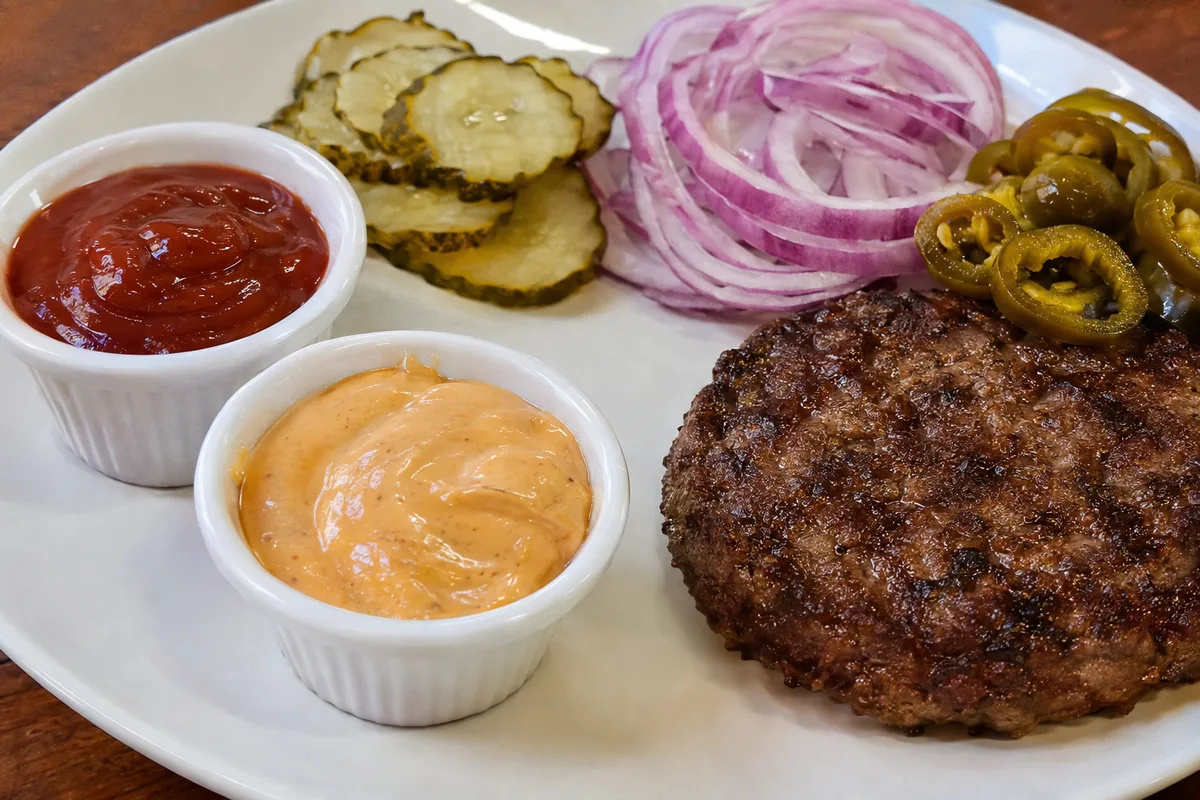
Mustard and mayonnaise are often lower-carbohydrate choices than sweet sauces, but recipes vary. Ordering a small amount on the side lets you control how much goes into the meal. Cheese, bacon, pickles and fresh salad toppings can provide flavour without needing several sauces.
- Skip barbecue sauce, sweet glaze and relish
- Ask for ketchup or special sauce on the side
- Choose mustard or mayonnaise after checking the current nutrition details
- Use pickles, onion or jalapeños for extra flavour
Be selective with chicken and breakfast orders
Grilled chicken is generally a better starting point than breaded chicken when lowering carbohydrates. Fried chicken fillets, strips and nuggets usually contain carbohydrate from flour or crumb coatings. Check whether the grilled option comes with a bun, sweet sauce or other additions that need changing.
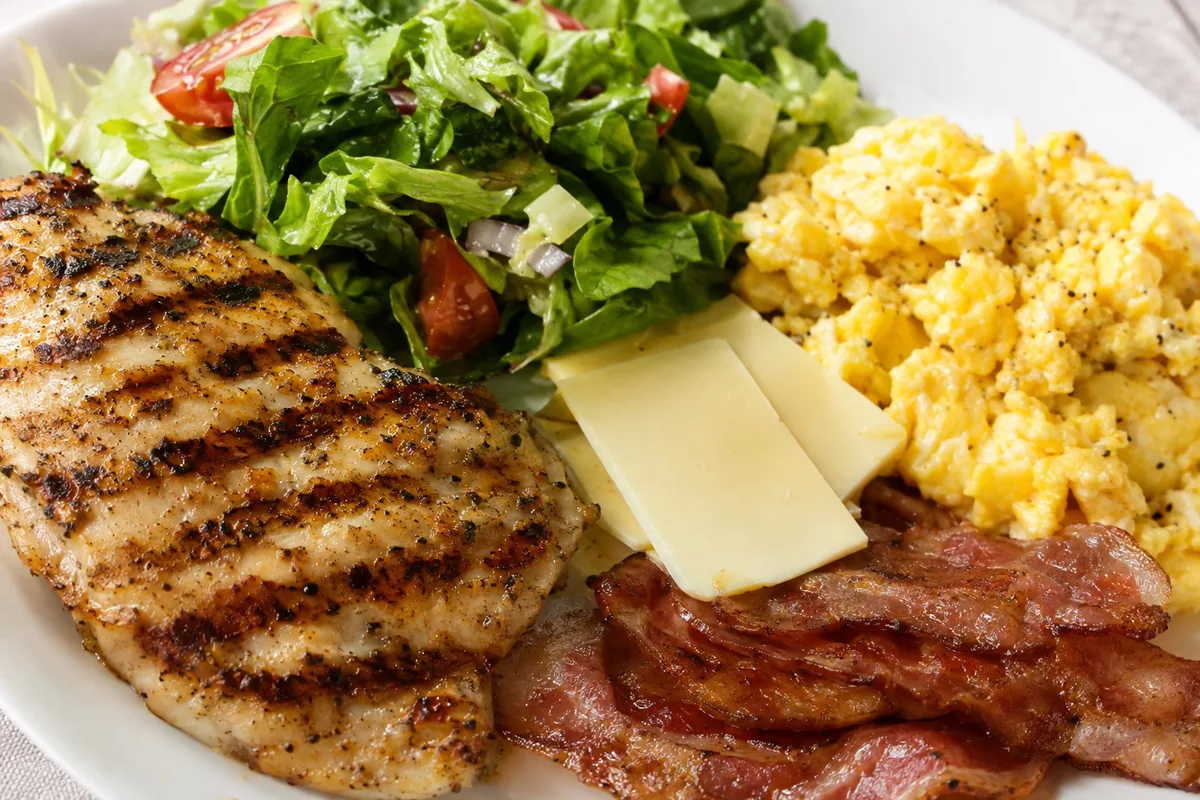
At breakfast, eggs, meat and cheese can form the base of a lower-carbohydrate order. Biscuits, toast, hash rounds and pancakes add more carbohydrate, so leave them out or choose only the one you most want. Availability and customisation vary between Carl’s Jr. and Hardee’s locations.
- Grilled chicken without the bun
- Grilled chicken salad with dressing on the side
- Egg, cheese and breakfast meat without the biscuit
- Breakfast platter with eggs and meat, leaving out bread and potato sides
Choose sides and drinks with care
A bunless main can still become a higher-carbohydrate meal when paired with chips, onion rings or a sweet drink. If you want one of those foods, choose it deliberately and log the portion rather than treating it as an automatic extra. Another option is to skip the side or choose a suitable salad where available.
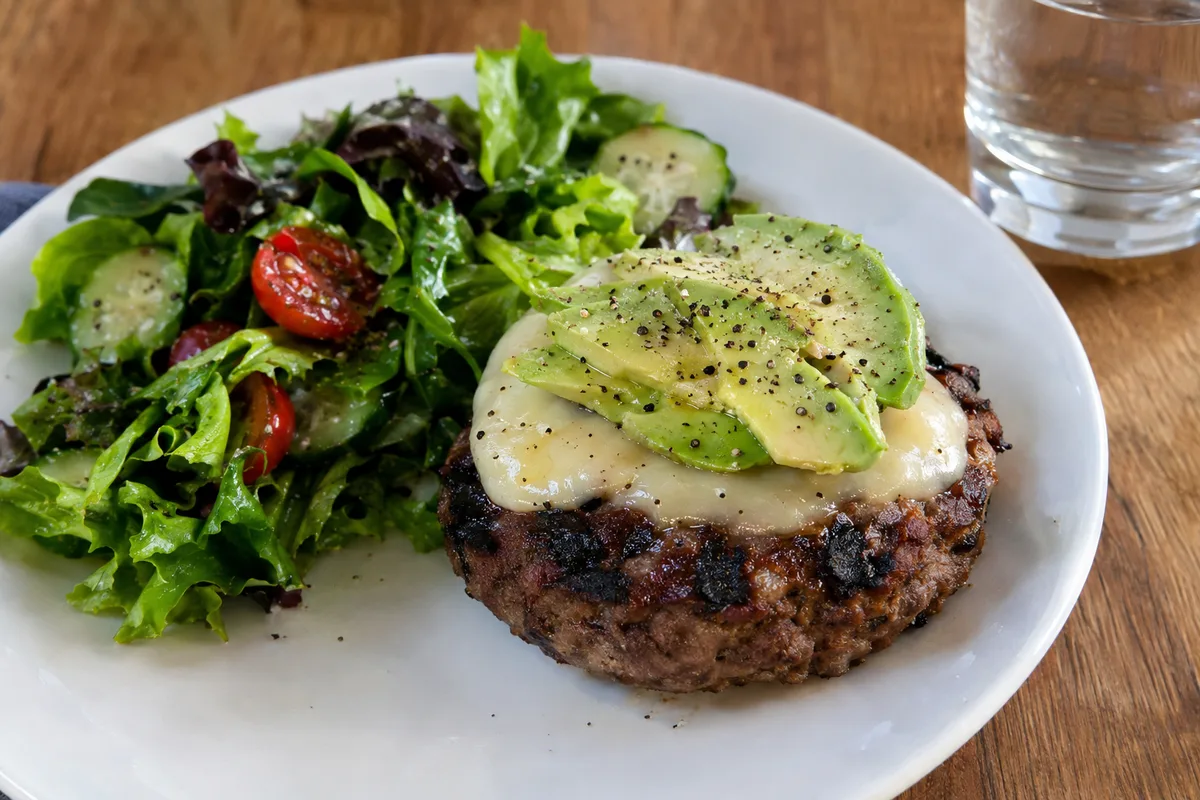
Water, sparkling water, unsweetened tea and drinks without sugar generally contribute little or no carbohydrate. Milkshakes and sweetened drinks can contribute a substantial amount, with the exact figure depending on the size and recipe. Dressings, croutons and sweet toppings also need attention when ordering a side salad.
- Water or unsweetened tea instead of a sweet drink
- Side salad without croutons
- Dressing served separately
- No side, if the main is enough
- A chosen portion of chips logged as part of the meal rather than added automatically
Log the order you actually ate
Custom orders do not always match the standard entry in a food-tracking app. Start with the restaurant’s listed item, then adjust for the bun, sauce, cheese, patties and sides you added or removed. If the app cannot change individual ingredients, log the main components separately.
Restaurant portions and preparation can vary, so the result is still an estimate. Save the customised meal if you expect to order it again, and name it clearly so you remember what was included. The most useful log is a consistent, honest record rather than a perfectly precise one.
- Record the number of patties and cheese slices
- Remove the bun entry or log the filling ingredients separately
- Add sauces, dressings and sides rather than overlooking them
- Use current restaurant nutrition details when available
- Save the finished combination as a repeat meal