
Carbonada
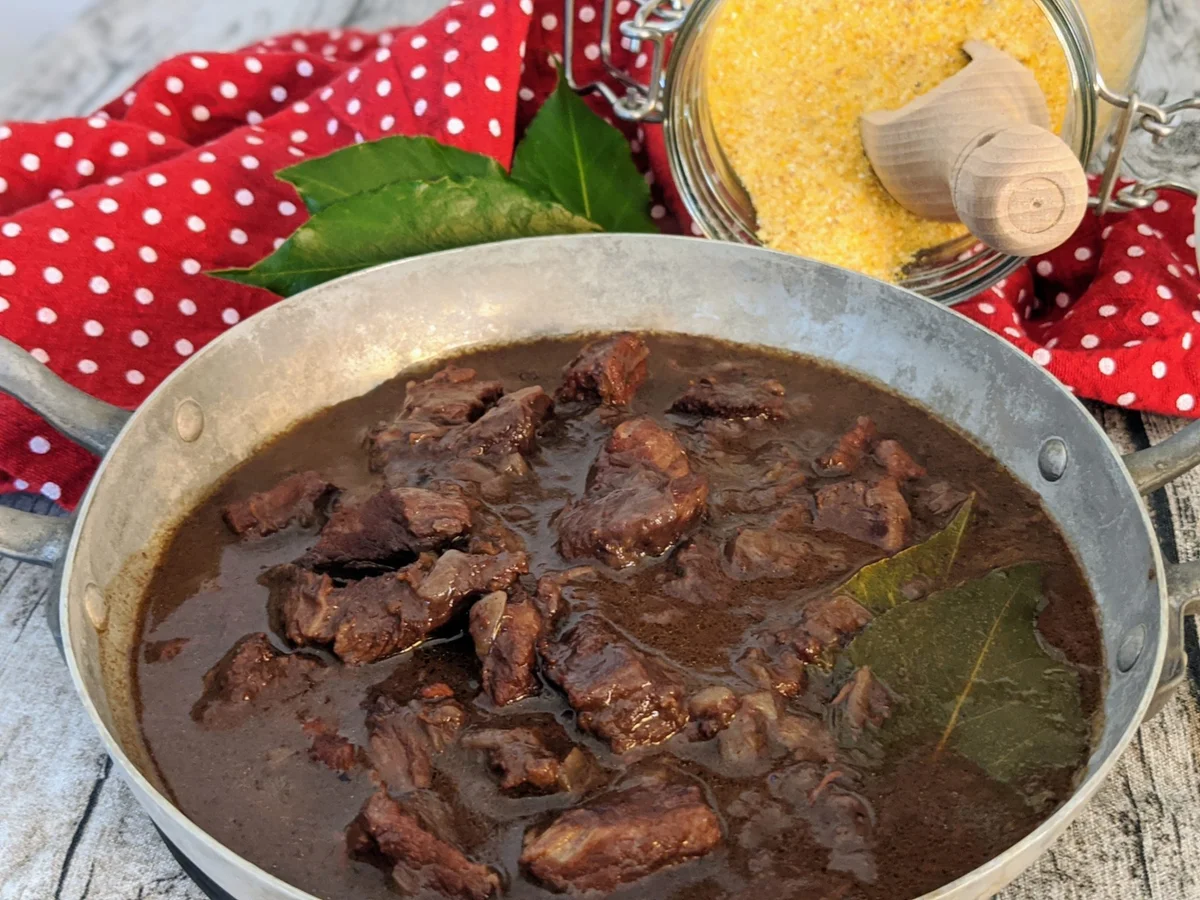
Carbonada is an Aosta Valley beef stew slowly braised in red wine with onions and warm spices. Its long, gentle cooking turns the beef tender and leaves a rich sauce for spooning over a hearty side.
Ingredients
- 1 tbspextra-virgin olive oil
- 50 gbutter
- 2golden onions
- 500 gbeef stewing steak
- 2 tbspplain flour
- 4cloves
- ½ tspground nutmeg
- 1 pinchground cinnamon
- 3bay leaves
- to tastesalt
- to tasteblack pepper
- 400 mlred wine
- 500 mlstock
Instructions
- 1
Soften the onions
Melt the butter with the olive oil in a casserole. Once it begins to sizzle, add the peeled, diced onions and bay leaves and cook them gently.
- 2
Coat the beef
Toss the beef in the flour. When the onions are well softened and golden, add the beef to the pan.
- 3
Brown and season
Sear the beef over a high heat to brown the pieces. Add the cloves, nutmeg, cinnamon, salt and pepper, then pour in all the wine. Leave the pan uncovered so the alcohol can evaporate, stirring well to stop the mixture catching on the bottom.
- 4
Braise until tender
After about 10 minutes, lower the heat and cover the pan. Cook for about 3 hours, adding the stock as the sauce begins to reduce.
What is Carbonada?
Carbonada is a slow-cooked beef stew associated with Italy’s Aosta Valley, where wine is a natural partner for a long braise. This version combines red wine with onions, bay and a subtle mix of cloves, nutmeg and cinnamon.
Flouring the beef helps the sauce gain body, while the extended cooking gives the meat time to become tender. The result is a warming, aromatic stew with a deep-coloured sauce.
Nutrition and macros by portion
The nutrition label shows one serving as written: 500 calories, 25g protein, 12g carbs, 30g fat.
| Portion | Adjustment | kcal | Protein | Carbs | Fat |
|---|---|---|---|---|---|
| Lighter | Use less butter | 350 kcal | 18g | 8g | 21g |
| This serving | As written | 500 kcal | 25g | 12g | 30g |
| Hungry | Larger stew portion | 750 kcal | 38g | 18g | 45g |
The beef provides most of the protein, while the flour, onions and some of the wine contribute carbohydrates. Butter, olive oil and the beef account for much of the fat. Serve a measured portion with vegetables and a modest helping of polenta or potato to round out the plate.
Choosing the ingredients
Beef: Use a stewing cut that benefits from slow cooking, and cut it into fairly even pieces so they cook at a similar rate.
Wine: Choose a red wine you would be happy to drink; its flavour carries through the sauce. The recipe uses the whole 400 ml, added at once.
Spices: Cloves, nutmeg and cinnamon bring gentle warmth. Measure the nutmeg and cinnamon carefully so they support rather than dominate the beef.
Building the base
Onions first: Cook the diced onions with the bay leaves in the butter and oil until golden. This creates the savoury foundation for the braise.
Floured beef: Coat the meat evenly, then add it once the onions are ready. The flour helps thicken the cooking liquid as the stew simmers.
Managing the wine
Uncovered start: After adding the wine, leave the pan open for the first 10 minutes and stir regularly. This gives the wine time to reduce and helps prevent the flour from sticking to the base.
Gentle braise: Once you lower the heat and cover the pan, keep the stew at a quiet simmer rather than a hard boil. Add stock as the sauce reduces, as directed.
Checking the texture
Tender beef: After about 3 hours, check a piece with a fork; it should be tender rather than resistant. If it needs longer, continue cooking gently and check it again.
Sauce: The sauce should be rich and spoonable, not dry. Add stock during cooking when it starts to reduce too far.
What to serve with it
A simple starchy side such as polenta, mashed potato or crusty bread works well for catching the wine-rich sauce. Keep the accompaniment fairly plain so the spices and beef remain the focus.
A green vegetable or a crisp salad can add contrast to the stew’s richness. Serve the carbonada hot, with the sauce spooned over the side.
Recipe notes & tips
- Cut the beef into similar-sized pieces so it cooks evenly.
- Let the onions become golden before adding the beef.
- Brown the beef over a lively heat, without letting the flour scorch.
- Stir while the wine is reducing to keep the mixture from catching.
- Keep the covered stew at a gentle simmer during its long cooking.
- Add the stock gradually as the sauce reduces.
Variations
- Use a different red: Choose another dry red wine if you do not have the one you planned to cook with.
- Change the stock: Use beef stock for a fuller savoury flavour, or another stock you have to hand.
- Adjust the spice: Reduce the cinnamon or nutmeg slightly for a milder, less aromatic sauce.
- Serve with polenta: Spoon the stew over soft polenta to make a substantial meal.
- Add a green side: Pair it with cooked greens or a salad for freshness alongside the rich sauce.
Common mistakes to avoid
- Pale onions: Give them time to turn golden before adding the beef.
- Burnt flour: Keep the mixture moving while the wine reduces and avoid excessive heat.
- Hard boiling: Lower the heat after the first 10 minutes so the covered stew simmers gently.
- Dry sauce: Add stock when the liquid begins to reduce too far.
- Tough beef: Continue the slow cooking and check tenderness before serving.
How to store
Cool leftovers promptly and refrigerate them in a covered container for up to 3 days. Reheat gently in a saucepan until piping hot, adding a splash of stock or water if the sauce has thickened too much.
Frequently asked questions
Can I make Carbonada ahead?
Yes. Cook it through, cool it promptly and refrigerate it in a covered container. Reheat gently until piping hot, loosening the sauce with a little stock if needed.
Which cut of beef should I use?
Choose a stewing cut intended for long, slow cooking. Cut it into evenly sized pieces for more consistent results.
Does the wine need to be expensive?
No; use a red wine with a flavour you enjoy drinking. The recipe calls for 400 ml, which is simmered before the covered braise.
How do I know when the beef is done?
After about 3 hours, test a piece with a fork. It should be tender; if it still feels firm, continue cooking gently and check again.
What can I serve with Carbonada?
Polenta, mashed potato or bread all suit the sauce. A green vegetable or salad makes a fresh contrast.
Can I freeze the leftovers?
Yes. Freeze cooled portions in airtight containers, then thaw them in the refrigerator and reheat thoroughly. The sauce may need a small splash of stock or water when reheated.
Cook it from the original
This recipe comes from funandfood.it. Their page has the author’s own photos, notes and tips — the best place to cook it from.
Open the recipe on funandfood.it