
Sushi rice
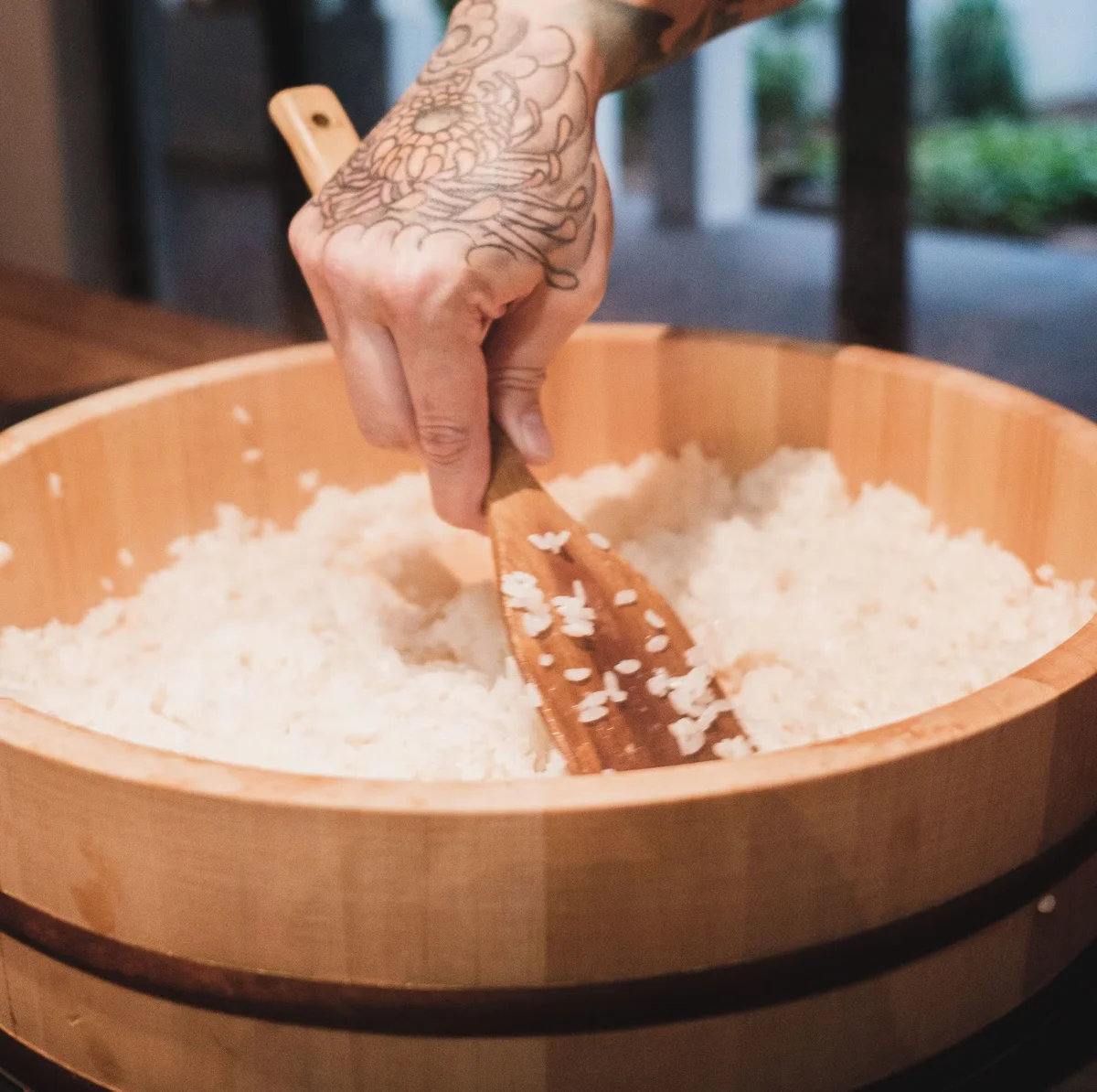
Sushi rice is short-grain rice seasoned while warm with a sweet, tangy vinegar mixture. This straightforward method gives it a glossy finish and makes a versatile base for sushi bowls, rolls and other Japanese-inspired meals.
Ingredients
- 400 gSushi rice
- 475 mlWater
- 60 mlRice wine vinegar
- 50 gWhite sugar
- 15 ml (1 tbsp)Vegetable oil
- 5 ml (1 tsp)Salt
Instructions
- 1
Cook the rice
Rinse the sushi rice in a sieve under cold water until the water runs clear. Put the rice and 475 ml water in a saucepan over medium heat and bring to the boil. Turn the heat to low, cover and cook for 10 minutes. Take the pan off the heat and leave it covered for 10 minutes so the rice can steam.
- 2
Make the seasoning
In a small saucepan over medium heat, stir together the rice wine vinegar, white sugar, vegetable oil and salt until the sugar dissolves. Set the mixture aside to cool.
- 3
Season the rice
Transfer the cooked rice to a large bowl while it is still slightly warm. Gently stir in the vinegar mixture until the grains are evenly coated, then use the rice immediately.
What is sushi rice?
Sushi rice is short-grain rice cooked until tender, then seasoned with a mixture of vinegar, sugar and salt. It is a staple of Japanese sushi, where its gently sticky texture helps the rice hold together.
This version uses a simple stovetop method and adds oil to the seasoning for a glossy finish. The balance of tang, sweetness and salt makes the rice useful beyond rolls, too.
Nutrition and macros by portion
The nutrition label shows one serving as written: 119 calories, 2g protein, 25g carbs, 1g fat.
| Portion | Adjustment | kcal | Protein | Carbs | Fat |
|---|---|---|---|---|---|
| Lighter | Use less sugar and oil | 83 kcal | 1g | 17g | 1g |
| This serving | As written | 119 kcal | 2g | 25g | 1g |
| Hungry | Serve a larger portion | 179 kcal | 3g | 37g | 2g |
The rice and sugar provide most of the carbohydrates, while the vegetable oil contributes most of the fat; the rice supplies a modest amount of protein. Serve a portion with vegetables and a protein-rich topping for a more balanced plate.
Rinsing and cooking the rice
Rinsing: Wash the rice in a sieve under cold water until the water runs clear. This removes excess surface starch and helps the cooked grains keep a more distinct texture.
Covered cooking: Bring the rice and water to the boil, then reduce the heat to low and cover the pan for 10 minutes. Keep the lid on so the steam stays inside.
Why the resting time matters
Off-heat steaming: After 10 minutes of cooking, leave the rice covered and off the heat for another 10 minutes. This gives the grains time to finish absorbing moisture without being stirred or disturbed.
Even texture: Keep the lid closed during the rest. Lifting it releases steam and can leave the rice unevenly cooked.
Getting the seasoning right
Dissolving the sugar: Warm the vinegar, sugar, oil and salt together until the sugar has dissolved, then set the mixture aside to cool. The recipe does not call for boiling it.
Adding it: Stir the mixture gently into the rice while the rice is still slightly warm. Fold carefully so the grains are coated without being crushed.
Texture and timing cues
Ready rice: The grains should be tender and lightly sticky, not wet or mushy. After the covered rest, check that the water has been absorbed before transferring the rice to a bowl.
Ready seasoning: The vinegar mixture is ready when no sugar granules remain. Use the seasoned rice immediately, as directed, while it is still fresh.
Serving ideas
For sushi: Use the rice as a base for rolls or serve it in a sushi bowl with vegetables, fish or tofu. Keep the toppings separate until serving to preserve the rice's texture.
For a meal: Pair it with a protein and plenty of vegetables. Its lightly sweet, sharp seasoning works well alongside savoury toppings and sauces.
Recipe notes & tips
- Use a sieve with fine holes so the uncooked grains do not escape while rinsing.
- Keep the saucepan covered throughout cooking and the 10-minute resting period.
- Stir the seasoning until the sugar has dissolved before adding it to the rice.
- Fold the vinegar mixture through gently to avoid breaking up the grains.
- Have your sushi toppings ready before seasoning the rice, as it is best used immediately.
Variations
- Less sweet: Reduce the sugar slightly for a sharper seasoning.
- More tang: Add a little extra rice wine vinegar to taste.
- Seasoned topping: Serve with sliced cucumber and avocado for a simple sushi bowl.
- With protein: Add cooked salmon, prawns or tofu when assembling the meal.
- Sesame finish: Sprinkle toasted sesame seeds over the finished rice or its toppings.
Common mistakes to avoid
- Skipping the rinse: Excess surface starch can make the rice overly sticky; rinse until the water runs clear.
- Lifting the lid: Steam escapes and the rice may cook unevenly; keep the pan covered during cooking and resting.
- Cooking on high throughout: The rice can catch on the bottom; reduce the heat to low once it boils.
- Adding seasoning to cold rice: It is harder to coat evenly; stir it in while the rice is slightly warm.
- Stirring roughly: The grains can break and turn mushy; fold the seasoning through gently.
How to store
For the best texture, use the seasoned rice immediately. If you have leftovers, cool them promptly, store in an airtight container in the fridge for up to 1 day and reheat until steaming hot; the texture may be less glossy after chilling.
Frequently asked questions
Can I make sushi rice ahead?
It is best used immediately after seasoning, as the texture changes as it cools. If necessary, prepare it shortly before serving and keep it covered.
Why does the recipe rinse the rice?
Rinsing removes excess surface starch, which helps the grains cook with a less gummy texture. Continue until the water runs clear.
Should I boil the vinegar mixture?
No. Warm it over medium heat just until the sugar dissolves, then set it aside to cool.
When should I add the vinegar seasoning?
Stir it into the rice after the covered cooking and resting times, while the rice is still slightly warm.
Can I use this rice for sushi rolls?
Yes. The lightly sticky, seasoned grains are suitable for rolls, as well as sushi bowls and other dishes.
Cook it from the original
This recipe comes from finedininglovers.co.uk. Their page has the author’s own photos, notes and tips — the best place to cook it from.
Open the recipe on finedininglovers.co.uk