
Chicken Porridge
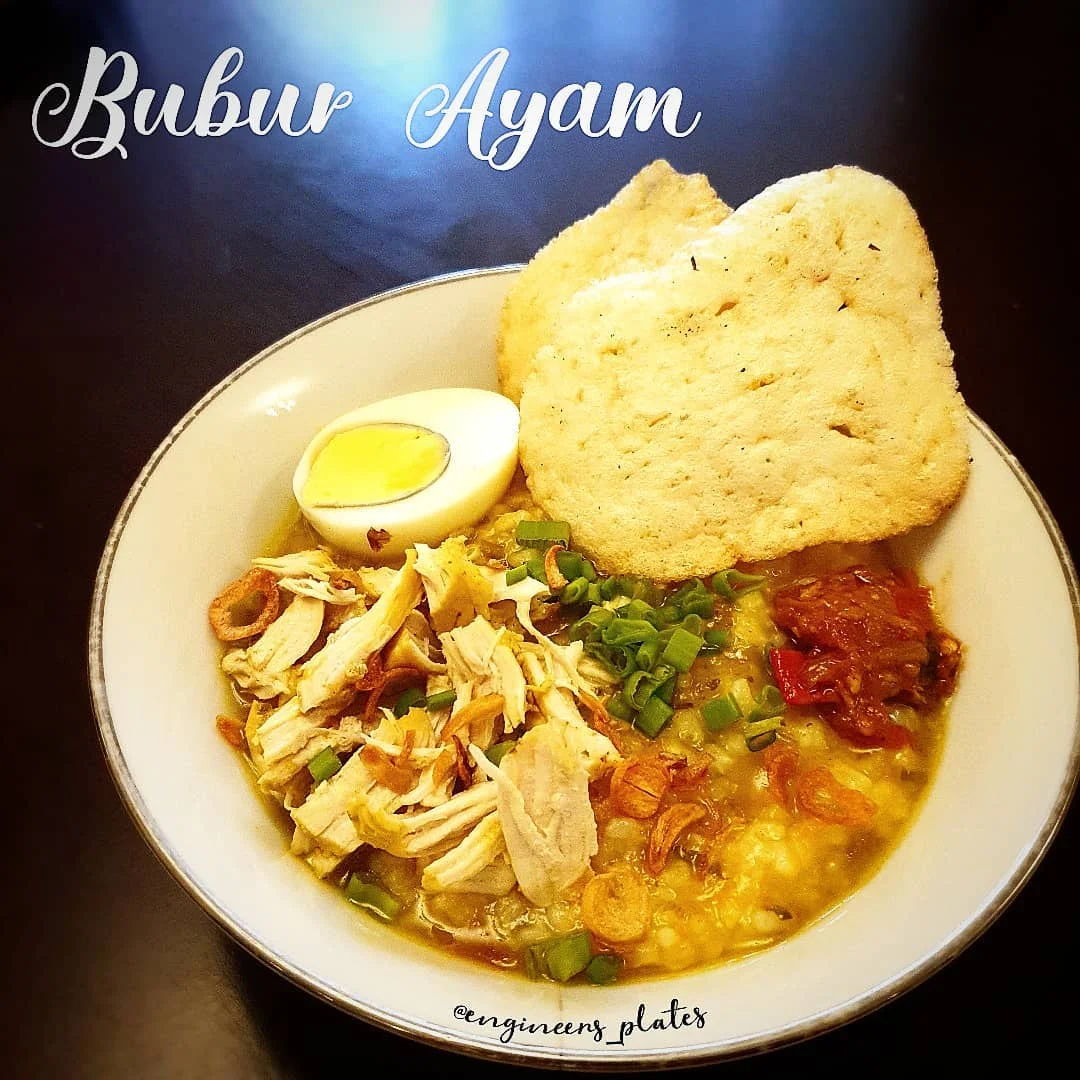
This rice porridge is made in a rice cooker with carrot, aromatics and herbs, making it a simple, hands-off meal. The supplied ingredient list contains no chicken, so this version is a vegetable-and-rice porridge served with condiments.
Ingredients
- 185 g (1 cup)rice
- 710 ml (3 cups), with more or less as needed depending on the ricewater
- 3shallots
- 2 pipsgarlic
- 1carrot, shredded
- 1lemongrass stalk, crushed
- 2bay leaves
- to tastecelery leaves
- 1spring onion, sliced
- to tastesalt
Instructions
- 1
Load the cooker
Put all the ingredients into the rice cooker bowl.
- 2
Cook the porridge
Choose the porridge setting, which usually takes about 2 hours. Stir the porridge from time to time.
- 3
Serve with condiments
When the porridge is ready, serve it with your chosen condiments.
What is chicken porridge?
Rice porridge is a gently cooked rice dish found in many food traditions across Asia, with different seasonings and accompaniments from place to place. This recipe uses a rice cooker and flavours the rice with shallots, garlic, lemongrass and herbs.
Despite its title, the supplied ingredients do not include chicken. The method makes a plain rice-and-vegetable porridge; chicken would need to be part of the ingredient list to make this version with chicken.
Nutrition and macros by portion
The nutrition label shows one serving as written: 184 calories, 4g protein, 40g carbs, 1g fat.
| Portion | Adjustment | kcal | Protein | Carbs | Fat |
|---|---|---|---|---|---|
| Lighter | More carrot, less rice | 129 kcal | 3g | 28g | 1g |
| This serving | As written | 184 kcal | 4g | 40g | 1g |
| Hungry | Serve a larger bowl | 276 kcal | 6g | 60g | 2g |
Most of the energy and carbohydrates come from the rice; the carrot and aromatics contribute a smaller amount. There is no chicken or other substantial protein source in the supplied ingredients, and very little fat apart from what may be used to fry the shallots and garlic. Pair a serving with a protein-rich side and extra vegetables to make the plate more balanced.
The rice and water
Rice: the recipe gives 1 cup, approximately 185 g of uncooked rice. Rice varieties absorb water differently, so the suggested 710 ml is a starting point rather than a guarantee of a particular thickness.
Water: add more or less depending on the rice, as the recipe notes. The finished porridge should be soft and spoonable; extra water can loosen it if it becomes too thick.
Build the flavour
Aromatics: the shallots and garlic are specified as fried and mashed. Their savoury flavour is mixed into the cooker with the rice and water.
Herbs: crushed lemongrass and bay leaves infuse the porridge as it cooks, while celery leaves and sliced spring onion add a fresh finish. The recipe does not specify amounts for the celery leaves or salt, so use them to taste.
Let the cooker do the work
Setting: choose the rice cooker’s porridge option. The recipe says this usually takes around 2 hours, but the exact time depends on the cooker.
Stirring: give the porridge an occasional stir during cooking, as directed. Check the texture as it nears the end of the cycle and adjust with water if needed.
Check the texture
Doneness: the rice should be very soft and the mixture should have a cohesive, porridge-like consistency. If it is still too firm when the programme ends, follow the cooker’s porridge cycle until it softens.
Thickness: rice continues to absorb liquid as it stands. Stir before serving and add a little water if the porridge has thickened more than you like.
Serve and season
Finish: remove the bay leaves and lemongrass before eating if you prefer not to have them in the bowl. Serve with condiments, as the recipe suggests, and adjust the salt to taste.
For a more complete meal, serve alongside a protein-rich accompaniment and vegetables. No particular condiment or side is specified in the recipe.
Recipe notes & tips
- Use the porridge setting rather than the standard rice programme.
- Stir occasionally during cooking to keep the mixture even.
- Adjust the water to suit the rice and the thickness you prefer.
- Remove the bay leaves and lemongrass before serving if you do not want to eat around them.
- Taste and add salt near the end of cooking.
- Serve with condiments, as the recipe recommends.
Variations
- Add chicken: include cooked, shredded chicken at serving time for a chicken version.
- Use stock: replace some of the water with unsalted stock for a savourier base.
- Add ginger: include a little sliced or grated ginger with the aromatics.
- Top with egg: serve each bowl with a cooked egg for extra substance.
- Make it greener: add extra celery leaves or sliced spring onion at the table.
Common mistakes to avoid
- Assuming the title means chicken is included: the supplied ingredient list has no chicken, so add it separately if desired.
- Using a fixed water amount: rice varieties differ, so adjust the liquid to suit the rice and preferred consistency.
- Skipping the stirring: stir the porridge from time to time, as the method directs.
- Leaving whole aromatics in the bowl: remove the bay leaves and lemongrass before eating if preferred.
- Over-salting early: season to taste, especially if serving with salty condiments.
How to store
Refrigerate cooled leftovers in a covered container for up to 3 days. Reheat in a saucepan or microwave until steaming hot, stirring in a little water to loosen the porridge as needed.
Frequently asked questions
Is there chicken in this recipe?
No. Although the title says Chicken Porridge, the supplied ingredient list does not include chicken.
How long does this take to cook?
The recipe says the porridge setting usually takes about 2 hours. The actual time varies with the rice cooker.
Can I use a different type of rice?
Yes, but different rice types absorb water differently. Adjust the liquid as needed and check the texture while it cooks.
What if the porridge is too thick?
Stir in a little water until it reaches the consistency you like.
Do I need to remove the bay leaves and lemongrass?
They are included to flavour the porridge. Remove them before eating if you prefer not to have whole aromatics in your serving.
Cook it from the original
This recipe comes from fooooods.com. Their page has the author’s own photos, notes and tips — the best place to cook it from.
Open the recipe on fooooods.com