
Fruits Puding
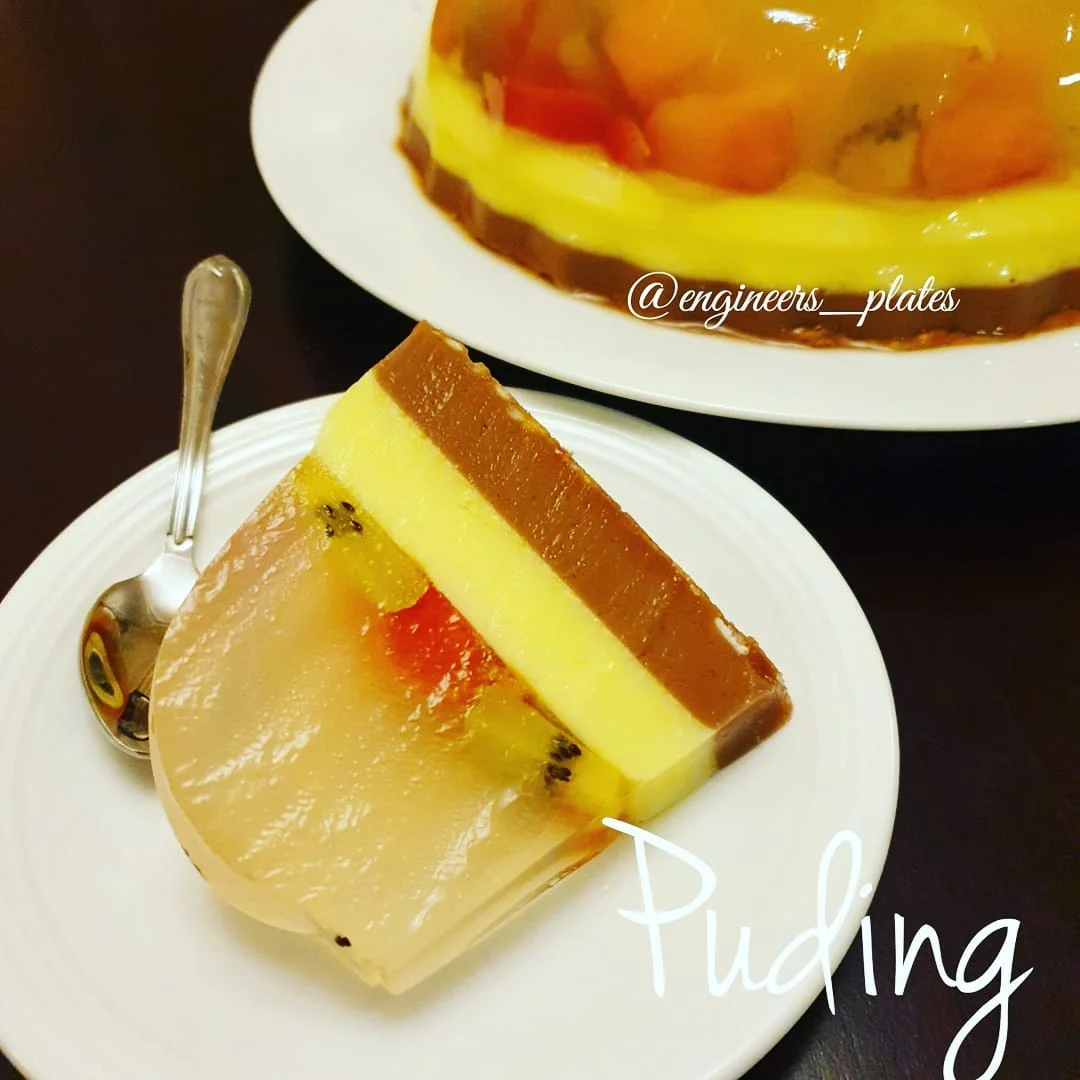
Fruits Puding is a chilled, three-layer agar pudding with fruit in a clear, lightly sweetened base, followed by milk and chocolate-condensed-milk layers. It makes a colourful make-ahead dessert, with each layer setting before the next is added.
Ingredients
- to tastefruit, cut into pieces
- 7 gagar powder
- 100 gsugar
- 600 mlwater
- 7 gagar powder
- 60 gmargarine, melted
- 1egg yolk
- 600 mlmilk
- 100 gsugar
- 7 gagar powder
- 60 gmargarine, melted
- ½ cancondensed milk, chocolate flavour
- 600 mlmilk
- 5 tbspsugar
Instructions
- 1
Boil each layer
Boil the ingredients for each layer separately.
- 2
Set the first layer
Arrange the fruit pieces, then pour over the first-layer mixture. Chill until the agar has set.
- 3
Add remaining layers
Pour over the second-layer mixture. Once it has set, pour on the final mixture.
- 4
Chill and serve
Put the pudding in the fridge, then serve.
What is Fruits Puding?
Fruits Puding is a set dessert built in layers, using agar to give it a firm, sliceable texture. The recipe provided does not specify a particular country or regional origin, so its exact provenance is unclear.
Fruit sits in the first, water-based layer, while the two milk layers add richness and the final chocolate-flavoured condensed milk gives the top layer a sweeter, deeper taste.
Nutrition and macros by portion
The nutrition label shows one serving as written: 780 calories, 14g protein, 124g carbs, 25g fat.
| Portion | Adjustment | kcal | Protein | Carbs | Fat |
|---|---|---|---|---|---|
| Lighter | Use less sugar | 546 kcal | 10g | 87g | 18g |
| This serving | As written | 780 kcal | 14g | 124g | 25g |
| Hungry | Serve a larger slice | 1170 kcal | 21g | 186g | 38g |
The sugar, condensed milk and fruit contribute most of the carbohydrates, while margarine is the main source of fat; milk and egg yolk contribute some protein. A modest portion with fresh fruit on the side can balance the sweetness without adding another rich accompaniment.
Building the layers
Fruit base: arrange the cut fruit before pouring in the first mixture, so the pieces are held in place as the agar sets.
Milk layers: prepare each mixture separately and add the next only after the layer underneath has firmed up. This keeps the bands distinct rather than blending them together.
Working with agar
Agar needs to be boiled to dissolve and set properly, which is why the method calls for boiling the ingredients for each layer. Stir as you heat to help distribute the powder through the liquid.
Agar begins setting as it cools. Have the fruit and serving dish ready, and pour each mixture while it is still fluid.
Checking the set
The recipe gives no exact chilling time, so use the texture as your guide: a layer should feel set on top and not ripple when the dish is moved gently.
Wait for the second layer to firm before adding the last mixture. Pouring too soon can blur the boundary between layers.
Choosing the fruit
Fruit cuts: use pieces that are small enough to sit neatly in the dish and be served easily. The recipe does not name a specific fruit, so choose pieces that suit your taste.
Drain very juicy fruit before arranging it, so extra liquid does not dilute the first layer.
Serving the pudding
Keep the pudding chilled until serving so it holds its layered shape when cut or spooned out. A plain serving dish makes the fruit and contrasting layers easy to see.
Because the dessert contains sweetened layers, serve it in modest slices alongside fresh fruit if you want a lighter-feeling finish.
Recipe notes & tips
- Cut the fruit into even, bite-sized pieces so it is easier to portion.
- Arrange the fruit before making the first layer, as agar can begin to set while it cools.
- Stir each layer while heating to help the agar powder dissolve evenly.
- Let each layer set before pouring the next to keep the layers separate.
- Keep the finished pudding in the fridge until just before serving.
Variations
- Change the fruit: use a mix of cut fruit that you enjoy.
- Vary the shape: set the pudding in individual glasses for ready-to-serve portions.
- Make a milder top layer: use less chocolate-flavoured condensed milk and adjust the sweetness to taste.
- Add a garnish: top each portion with a few fresh fruit pieces just before serving.
Common mistakes to avoid
- Adding a layer too soon: wait until the layer below has set so the bands stay distinct.
- Pouring after the mixture has set: work while each boiled mixture is still fluid.
- Using large fruit pieces: cut them smaller so portions are easier to serve.
- Skipping the chill: refrigerate the pudding so the layers can firm before serving.
- Leaving fruit wet: drain excess liquid so it does not water down the first layer.
How to store
Cover and keep the pudding refrigerated, ideally eating it within 2–3 days. Serve cold; reheating would melt the set layers.
Frequently asked questions
How long does the pudding take to set?
The recipe does not give a setting time. Chill each layer until firm to the touch before adding the next, then refrigerate the finished pudding until set.
Can I use different fruit?
Yes. The recipe does not specify a fruit, so use cut fruit of your choice and drain away excess juice.
Why are my layers mixing together?
The lower layer may not have set enough, or the next mixture may have been poured too forcefully. Wait for a firm surface and pour gently.
Can I make it ahead?
Yes. The pudding needs chilling to set, so it can be made ahead and kept covered in the fridge until serving.
How should I serve it?
Serve it cold, cut or spooned into portions so each serving includes the fruit and all three layers.
Cook it from the original
This recipe comes from fooooods.com. Their page has the author’s own photos, notes and tips — the best place to cook it from.
Open the recipe on fooooods.com