
Marmerkuchen
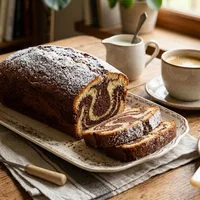
Marmerkuchen is a soft German marble cake, swirled with vanilla and cocoa batters. It makes an easy, dependable bake for afternoon tea, gatherings or any occasion that calls for a simple slice of cake.
Ingredients
- 250 gsoftened butter
- 200 gcaster sugar
- 4eggs (M), at room temperature
- 1 tspvanilla paste or vanilla extract
- 280 gplain flour
- 2 tspbaking powder
- A pinchsalt
- 80 mlwhole milk
- 30 gunsweetened cocoa powder
- 1 tbspextra milk, for the chocolate batter
- To tasteicing sugar, for dusting (optional)
Instructions
- 1
Prepare the oven
Heat the oven to 175°C with conventional heat. Lightly grease the cake tin and dust it with a little flour.
- 2
Cream butter and sugar
In a large mixing bowl, beat the softened butter with the sugar and salt for about 3–4 minutes, until pale and fluffy.
- 3
Add eggs and vanilla
Beat in the eggs one at a time, mixing well after each addition. Add the vanilla paste or extract and mix briefly.
- 4
Make the batter
Sift the flour and baking powder over the butter mixture. Add the milk and fold gently until the batter is smooth, taking care not to overmix.
- 5
Mix the chocolate batter
Transfer about one third of the batter to a second bowl. Sift in the cocoa powder and stir until evenly combined. If the mixture is too stiff, add 1 tablespoon of milk.
- 6
Layer the batters
Spoon large alternating dollops of vanilla and chocolate batter into the tin, beginning and ending with vanilla batter.
- 7
Create the marble
Draw a skewer or thin knife through the batter a few times in wavy strokes. Avoid swirling too much, or the pattern will disappear.
- 8
Bake the cake
Bake in the preheated oven for 55–65 minutes. After 55 minutes, insert a skewer into the centre; the cake is ready if it comes out dry.
- 9
Cool and finish
Leave the cake in the tin for 10 minutes, then carefully turn it out onto a cooling rack and leave it to cool completely before slicing. Dust with a little icing sugar if you like.
What is Marmerkuchen?
Marmerkuchen is the German name for marble cake, a familiar home-baked cake with light and cocoa-coloured swirls. Its appeal is in the contrast: one simple cake gives you both vanilla and chocolate in each slice.
This version uses a butter-rich batter for a soft, airy crumb. Alternating the batters and giving them only a few gentle swirls keeps the pattern distinct.
Nutrition and macros by portion
The nutrition label shows one serving as written: 402 calories, 6g protein, 49g carbs, 22g fat.
| Portion | Adjustment | kcal | Protein | Carbs | Fat |
|---|---|---|---|---|---|
| Lighter | Smaller cake slice | 281 kcal | 4g | 34g | 15g |
| This serving | As written | 402 kcal | 6g | 49g | 22g |
| Hungry | Larger cake slice | 603 kcal | 9g | 74g | 33g |
For one tenth of the cake, most of the carbohydrates come from the flour and sugar, while butter supplies much of the fat. Eggs contribute some protein, with smaller amounts from the flour and milk. Serve a slice with fruit or plain yoghurt for a more balanced plate.
Start with well-prepared ingredients
Butter and eggs: softened butter and room-temperature eggs blend more readily into a smooth batter. If the butter is still firm, it will be harder to cream evenly.
Flour and cocoa: sift the flour with the baking powder, then sift the cocoa into the reserved portion. This helps distribute the raising agent and cocoa without leaving lumps.
Keep the batter light
Creaming: beat the butter, sugar and salt for the full 3–4 minutes, until the mixture looks pale and fluffy. This builds the light base for the cake.
Folding: once the flour goes in, combine the ingredients gently and stop as soon as the batter is smooth. Excess mixing can make the finished crumb less tender.
Make a clear marble pattern
Layering: use generous alternating spoonfuls rather than mixing the two batters together in the bowl. Starting and finishing with vanilla gives the cake a light-coloured edge.
Swirling: draw a skewer or thin knife through the layers in a few wavy movements. A handful of passes is enough; too much swirling blends the colours into one.
Check for doneness
Timing: begin checking at 55 minutes, as oven performance and tin shape can affect how quickly the centre bakes. The stated baking window is 55–65 minutes.
The cue: push a skewer into the centre; it should come out dry. Let the cake stand in its tin for 10 minutes before turning it out, so it has a little time to firm up.
Serving and finishing
Icing sugar: dust the cake only after it has cooled completely, or the sugar can melt into the surface. The dusting is optional and gives the top a simple finish.
To serve: slice once fully cool, when the crumb is set and the swirl is easy to see. The cake works well on its own or alongside tea or coffee.
Recipe notes & tips
- Use butter that is soft enough to beat but not melted.
- Add the eggs one at a time and mix well after each one.
- Fold in the flour gently and stop once no dry patches remain.
- If the cocoa batter feels noticeably stiffer, mix in the extra tablespoon of milk.
- Use only a few skewer strokes to keep the vanilla and cocoa pattern visible.
- Begin testing the centre at 55 minutes rather than relying on the longest bake time.
Variations
- Chocolate chips: fold a small handful into the chocolate batter for extra chocolate in each slice.
- Citrus note: add finely grated lemon or orange zest to the vanilla batter.
- Spiced cocoa: stir a little cinnamon into the cocoa powder before sifting it into the batter.
- Nut topping: scatter chopped nuts over the batter before baking for a crunchy top.
- Chocolate glaze: drizzle cooled cake with melted chocolate instead of dusting it with icing sugar.
Common mistakes to avoid
- Cold butter: it will not cream smoothly; leave it to soften before starting.
- Adding all the eggs at once: the mixture may become uneven; beat them in one at a time.
- Overmixing after adding flour: this can make the crumb heavy; fold just until smooth.
- Too much swirling: it blurs the pattern; make only a few wavy passes with the skewer.
- Cutting while warm: the slices can crumble; wait until the cake has cooled completely.
- Skipping the centre check: the outside can look ready before the middle; test with a skewer from 55 minutes.
How to store
Keep the cooled cake in an airtight container at room temperature for up to 3 days. If it has been refrigerated, bring slices back to room temperature before serving.
Frequently asked questions
What tin should I use?
The recipe does not specify a tin shape or size. Use a cake tin with enough capacity for the batter, and grease and flour it lightly before filling.
Can I use vanilla extract instead of vanilla paste?
Yes. The recipe allows either vanilla paste or vanilla extract; use 1 teaspoon.
Why is the cocoa batter stiff?
The cocoa powder can make the smaller portion of batter thicker. Stir in the specified 1 tablespoon of extra milk if needed.
How do I know when the cake is baked?
Start checking after 55 minutes. Insert a skewer into the centre; it should come out dry.
Can I freeze Marmerkuchen?
Yes. Once completely cool, wrap the cake or individual slices well and freeze. Thaw at room temperature before serving.
When should I add the icing sugar?
Dust it over the cake after it has cooled completely. The sugar is optional.
Cook it from the original
This recipe comes from cookinglife.eu. Their page has the author’s own photos, notes and tips — the best place to cook it from.
Open the recipe on cookinglife.eu