
Spicy Leftover Turkey Chow Mien
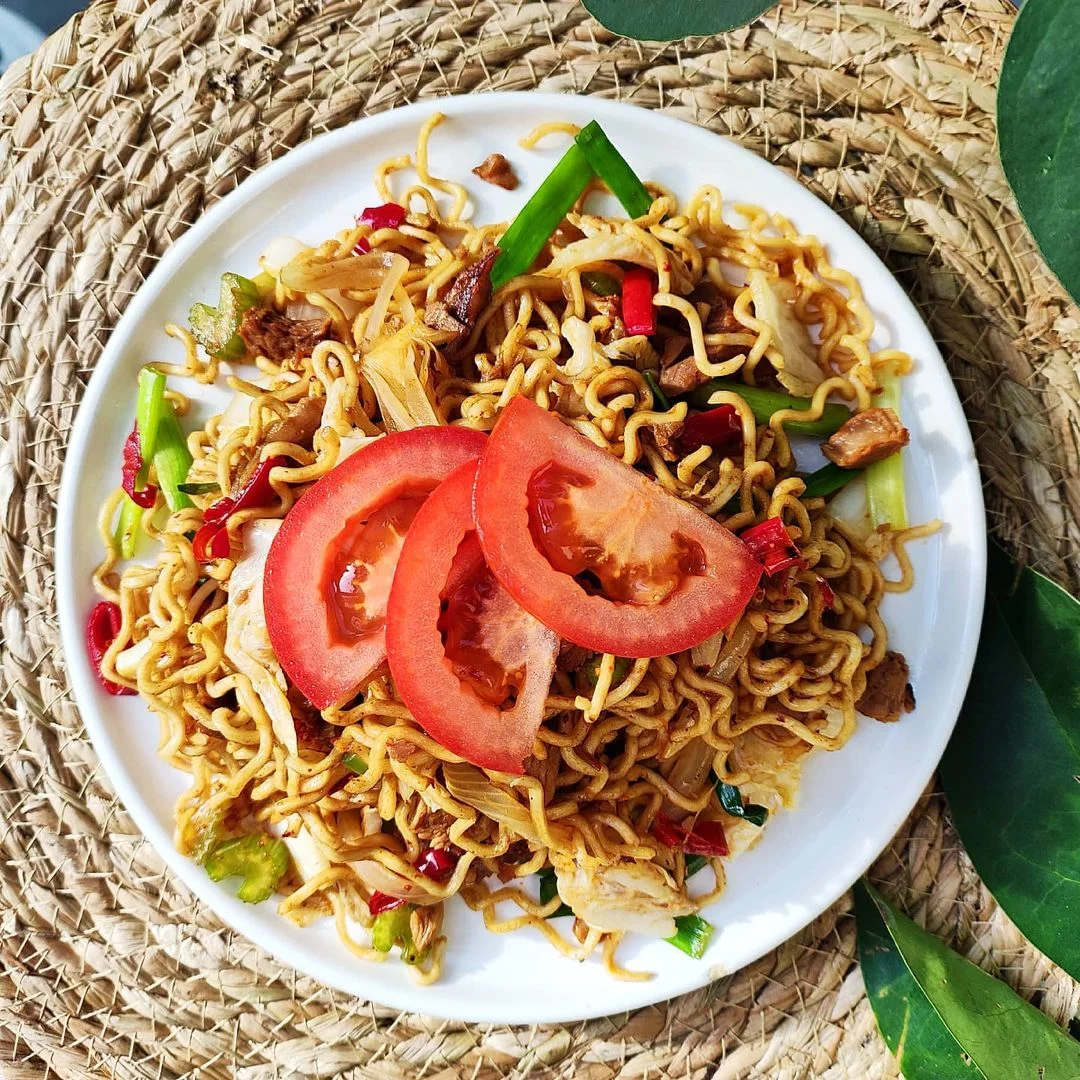
Spicy leftover turkey chow mein is a quick wok-fried noodle dish with vegetables, aromatics and a savoury, chilli-rich sauce. It’s a useful way to turn cooked turkey and whatever vegetables you have into a filling meal.
Ingredients
- 300 gdried egg noodles of choice
- 2 tbsp (30 ml)oil
- 1 largeonion, sliced
- 3 clovesgarlic, minced
- 2.5 cmginger, minced
- 480 ml (2 cups)cooked protein of choice
- 720 ml (3 cups)vegetables of choice, such as cabbage, carrot, celery or bell peppers
- 120 ml (1/2 cup)spring onions, cut into 3 cm pieces
- 5fresh red chillies, sliced; use fewer for less heat
- 2 tbsp (30 ml)oyster sauce
- 3 tbsp (45 ml)dark soy sauce
- 2 tbsp (30 ml)chilli oil
- 1 tbsp (15 ml)rice vinegar
- 1 tbsp (15 ml)sesame oil
- 1 tsp (5 ml)honey or sugar
- 1/2 tspground white pepper
Instructions
- 1
Blanch the noodles
Cook the dried noodles according to the packet instructions, stopping a few minutes before they reach al dente. Rinse under cold water, drain well and set aside.
- 2
Mix the sauce
Combine the oyster sauce, dark soy sauce, chilli oil, rice vinegar, sesame oil, honey or sugar and white pepper in a bowl. Set aside.
- 3
Heat the pan
Put the oil in a large pan or wok and bring it to a medium-high heat.
- 4
Cook the aromatics
Add the onion, garlic and ginger, then stir-fry for 2 minutes.
- 5
Add vegetables
Add the chillies and vegetables and sauté for 3 minutes.
- 6
Fry noodles and turkey
Add the noodles and cooked protein, drizzle over the sauce and sauté over high heat for 3 minutes.
- 7
Finish with spring onions
Add the spring onions and sauté over high heat for 1 minute.
- 8
Taste and serve
Taste and adjust the seasoning, then take the pan off the heat. Divide the noodles between individual plates, add an optional garnish if desired and serve straight away.
What is chow mein?
Chow mein is a Chinese-style dish of noodles cooked with vegetables and often meat in a hot pan. This version uses cooked turkey, making it a practical way to use leftovers.
The combination of soy, oyster sauce, chilli oil and vinegar gives the noodles a savoury, spicy and lightly tangy finish. Cooking the components quickly helps keep the vegetables lively rather than soft.
Nutrition and macros by portion
The nutrition label shows one serving as written: 590 calories, 35g protein, 68g carbs, 21g fat.
| Portion | Adjustment | kcal | Protein | Carbs | Fat |
|---|---|---|---|---|---|
| Lighter | Use less chilli oil | 413 kcal | 25g | 48g | 15g |
| This serving | As written | 590 kcal | 35g | 68g | 21g |
| Hungry | Add extra turkey | 885 kcal | 53g | 102g | 32g |
Most of the carbohydrates come from the dried noodles, while the cooking oils and chilli oil contribute much of the fat. Turkey or another cooked protein supplies protein; the exact balance depends on what you choose. Serve with extra vegetables or a fresh salad to round out the plate.
Choose noodles and vegetables
Noodles: Dried egg noodles are the suggested choice, but use the type you have and follow its packet timing. Blanching them short of al dente gives them a little room to finish cooking in the wok.
Vegetables: Cabbage, carrot, celery and bell peppers are all listed options. Cut them into similar-sized pieces so they cook evenly during the brief stir-fry.
Get the sauce ready first
Sauce: Mix all the sauce ingredients before heating the pan, so you can pour it in as soon as the noodles and turkey are added. The honey or sugar rounds out the salty sauces, while vinegar adds a sharper note.
Heat: The final stages use high heat and move quickly. Have the drained noodles, cooked protein and sauce within reach before you start frying.
Keep the noodles springy
Rinsing: Rinse the blanched noodles with cold water and drain them well, as the method directs. This stops them cooking further while you prepare the other ingredients.
Doneness: The noodles should be just tender after their final 3 minutes in the pan, not mushy. If they seem dry, keep tossing them with the sauce rather than leaving them to sit on the hot surface.
Balance the chilli and seasoning
Chillies: The recipe uses five fresh red chillies, but explicitly suggests using fewer for a milder dish. Chilli oil contributes heat too, so consider both sources when deciding how spicy to make it.
Seasoning: Taste at the end and adjust before serving. The soy and oyster sauces are already savoury, so check the flavour before adding anything extra.
Serve straight from the pan
Timing: The spring onions need only 1 minute over high heat, which keeps them from losing all their bite. The recipe then calls for serving immediately.
On the side: A simple, fresh salad or extra steamed vegetables can make the plate feel more balanced alongside the saucy noodles. Keep additional salty sauces optional, since the dish already contains soy and oyster sauce.
Recipe notes & tips
- Drain the noodles thoroughly so excess water does not dilute the sauce.
- Slice the vegetables before you heat the wok, as the later cooking stages move quickly.
- Use fewer fresh chillies if you want a gentler level of heat.
- Cut the cooked turkey into bite-sized pieces so it warms through quickly.
- Toss continuously once the noodles and sauce go into the pan to coat them evenly.
- Serve as soon as the final minute of cooking is over.
Variations
- Use leftover chicken: Swap it in for the cooked turkey or other protein.
- Change the vegetables: Combine cabbage, carrot, celery or bell peppers to suit what you have.
- Turn down the heat: Use fewer fresh chillies and less chilli oil.
- Make it vegetarian: Choose a suitable cooked plant protein and use vegetarian oyster-style sauce.
- Use another noodle: Choose a different dried noodle and cook it according to its packet instructions.
Common mistakes to avoid
- Overcooking the noodles: Blanch them a few minutes short of al dente so they can finish in the pan.
- Leaving the noodles wet: Drain them well after rinsing so the sauce stays concentrated.
- Starting before everything is ready: Prepare the sauce and have the ingredients nearby before stir-frying.
- Adding all the chillies without checking: Use fewer if you prefer a milder result, remembering the chilli oil also adds heat.
- Cooking the spring onions for too long: Add them at the end and sauté for just 1 minute.
How to store
Refrigerate leftovers in a covered container and eat within 3 days. Reheat thoroughly in a pan, tossing until hot; add a small splash of water if the noodles seem dry.
Frequently asked questions
Can I use leftover turkey straight from the fridge?
Yes. Cut it into bite-sized pieces and add it with the noodles and sauce, as directed, so it has time to heat through.
How can I make the chow mein less spicy?
Use fewer than five fresh chillies and reduce the chilli oil. You can taste at the end and add more heat only if needed.
Which vegetables work in this recipe?
The recipe suggests cabbage, carrot, celery and bell peppers, and allows for vegetables of your choice. Cut them into similar-sized pieces for even cooking.
Can I prepare the noodles in advance?
You can blanch and rinse them before cooking the rest, as the method directs. Drain them well and set aside until they go into the hot pan.
What can I use instead of turkey?
The ingredient list allows for cooked protein of choice. Leftover cooked chicken or a suitable plant protein can be used in the same step.
Cook it from the original
This recipe comes from fooooods.com. Their page has the author’s own photos, notes and tips — the best place to cook it from.
Open the recipe on fooooods.com