
Pav Bhaji
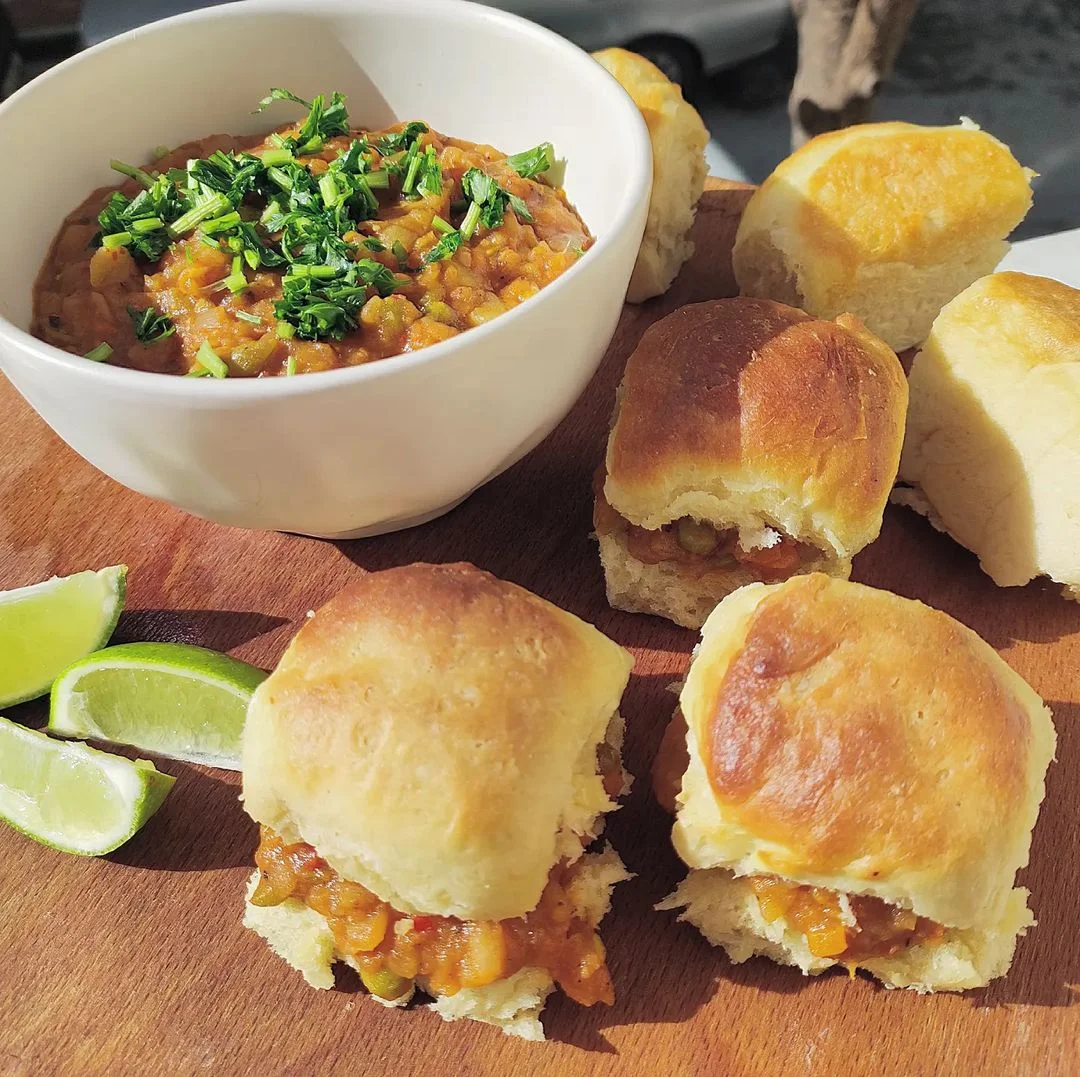
Pav bhaji is a warmly spiced Indian vegetable mash served with bread and fresh garnishes. This version cooks the vegetables until tender, then simmers them with tomatoes, spices and tamarind for a soft, scoopable bhaji.
Ingredients
- 1black cardamom
- 1green cardamom
- 3 tspcoriander seeds
- 2 tspcumin seeds
- 1/2 tspblack peppercorns
- 1 tspfennel seeds
- 2dried red chillies
- 1 cmcinnamon stick
- 2cloves
- amount not specifiedpotatoes
- amount not specifiedcauliflower
- amount not specifiedcarrots
- 720 ml (3 cups)water, for boiling the vegetables
- amount not specifiedpeas
- amount not specifiedoil
- amount not specifiedbutter
- amount not specifiedcumin
- amount not specifiedonion, plus extra for serving
- amount not specifiedgarlic
- amount not specifiedginger
- amount not specifiedchilli
- amount not specifiedturmeric
- amount not specifiedmasala powder
- amount not specifiedtomatoes
- amount not specifiedbell peppers
- amount not specifiedchillies
- amount not specifiedsalt
- amount not specifiedtamarind paste
- amount not specifiedremaining water
- amount not specifieddried fenugreek leaves
- amount not specifiedchopped coriander or parsley
- amount not specifiedlemon or lime wedges
- amount not specifiedbread of choice
Instructions
- 1
Boil the vegetables
Put the potatoes, cauliflower and carrots in a pot with 720 ml (3 cups) of water. Bring to the boil.
- 2
Cook and mash
Cook for 20 minutes, then add the peas and cook for a further 10 minutes, until the vegetables are tender. Roughly mash the mixture and set it aside.
- 3
Heat the fats
Warm the oil and butter in a large pan over medium-high heat.
- 4
Soften the onion
Add the cumin, onion, garlic and ginger. Sauté until the onion turns translucent.
- 5
Cook the spices
Stir in the chilli, turmeric and masala powder, and cook for 1 minute.
- 6
Add tomatoes
Add the tomatoes, bell peppers and chillies. Cook for 5 minutes.
- 7
Combine the bhaji
Add the mashed vegetables, salt, tamarind paste and remaining water. Stir, then bring the mixture to the boil.
- 8
Simmer the curry
Simmer for 15 minutes. Taste and adjust the seasoning, then continue cooking until the bhaji reaches your preferred consistency.
- 9
Finish with herbs
Take the pan off the heat, stir in the fenugreek leaves and scatter chopped coriander or parsley over the top.
- 10
Serve with bread
Serve the bhaji with lemon or lime wedges, finely diced onion and your choice of bread.
What is pav bhaji?
Pav bhaji is a popular Indian street-food dish: a spiced, mashed vegetable curry served with bread, traditionally pav. The bhaji is cooked until soft and richly seasoned, making it easy to scoop up with the bread.
This version builds flavour with a ground spice mix, tomatoes, chillies and tangy tamarind. Cooking the vegetables separately first makes it easier to mash them into the curry.
Nutrition and macros by portion
The nutrition label shows one serving as written: 450 calories, 12g protein, 69g carbs, 15g fat.
| Portion | Adjustment | kcal | Protein | Carbs | Fat |
|---|---|---|---|---|---|
| Lighter | Less butter and bread | 315 kcal | 8g | 48g | 11g |
| This serving | As written | 450 kcal | 12g | 69g | 15g |
| Hungry | Extra bhaji and bread | 675 kcal | 18g | 104g | 23g |
The potatoes, carrots and peas provide most of the carbohydrates; butter and oil contribute much of the fat, while peas and the other vegetables provide some protein. Bread adds further carbohydrates, so a practical way to balance the plate is to serve a generous portion of bhaji with a modest amount of bread and extra vegetables if available.
The spice mix
Whole spices: the cardamoms, coriander, cumin, peppercorns, fennel, dried chillies, cinnamon and cloves are listed for a finely ground masala mix. Grind them finely before adding the powder to the pan.
Fresh spices: the method also calls for cumin, chilli and turmeric, so keep these ready alongside the masala. The ingredient list does not give quantities for them or for most of the vegetables and seasonings.
Cooking the vegetables
Boiling: the potatoes, cauliflower and carrots cook first in water, then the peas go in for the final 10 minutes. Check that the vegetables are tender before mashing.
Mashing: keep the mash rough rather than completely smooth. Some texture helps the finished bhaji feel hearty while still letting it cling to the bread.
Building the flavour
Onion base: cook the onion with cumin, garlic and ginger until translucent before adding the powdered spices. This gives the aromatics time to soften and become fragrant.
Tomatoes and tamarind: the tomatoes cook with the peppers and chillies, while tamarind is added with the mashed vegetables. Together they bring a savoury, tangy balance to the curry.
Getting the consistency right
Simmering: after the vegetable mash is stirred into the spiced tomato mixture, simmer it for 15 minutes. Stir occasionally so the thick bhaji does not catch on the bottom of the pan.
Final adjustment: the method allows for further cooking until the consistency suits you. Keep it thick enough to sit on bread, but add or retain water if it becomes too stiff.
How to serve it
Bread: serve the bhaji with the bread of your choice, ideally warm, so it is easy to scoop up the curry.
Fresh additions: finish with finely diced onion and lemon or lime wedges. A squeeze of citrus at the table brightens the rich, spiced vegetables.
Recipe notes & tips
- Grind the whole masala spices finely so they distribute evenly through the curry.
- Check the vegetables with a fork before mashing; they should be tender enough to break apart easily.
- Roughly mash the vegetables for a little texture instead of blending them smooth.
- Stir regularly as the bhaji simmers, especially once it has thickened.
- Taste near the end and adjust the seasoning before adding the fresh herbs.
- Serve the bread and garnishes at the table so everyone can assemble each mouthful.
Variations
- Use different bread: serve with rolls or another bread of your choice.
- Adjust the heat: use fewer chillies for a milder bhaji.
- Add more vegetables: vary the mix of vegetables while keeping the potatoes as part of the mash.
- Choose the garnish: use coriander or parsley, as suggested in the method.
- Add citrus at the table: offer lemon or lime wedges so diners can adjust the tang.
Common mistakes to avoid
- Adding peas too early: they cook for only the final 10 minutes, so add them after the first 20 minutes.
- Mashing firm vegetables: cook until tender first, or the mash will stay lumpy and hard.
- Burning the spices: cook the chilli, turmeric and masala powder for 1 minute, stirring as they heat.
- Letting the curry catch: stir during the simmer and lower the heat if the base sticks.
- Making the bhaji too thick: cook to your preferred consistency and use the remaining water as directed.
- Forgetting the finishing herbs: stir in fenugreek leaves after taking the pan off the heat.
How to store
Cool leftovers promptly and keep them in a covered container in the fridge for up to 3 days. Reheat the bhaji in a pan or microwave until piping hot, adding a splash of water if it has thickened; store bread separately.
Frequently asked questions
Can I make the bhaji ahead?
Yes. Cook the bhaji ahead and refrigerate it in a covered container, then reheat it until piping hot. Add the fresh herbs and garnishes when serving.
How do I know when the vegetables are ready to mash?
They should be tender enough to break apart easily with a fork. The method allows 20 minutes before adding the peas, then another 10 minutes of cooking.
Can I make this less spicy?
Use fewer chillies, or leave them out if you prefer a very mild dish. The recipe does not specify quantities for the chilli ingredients, so adjust them to taste.
What bread can I serve with pav bhaji?
The method says to use bread of choice, so rolls or another bread can be used. Serve it alongside the bhaji for scooping.
What does the masala mix contain?
It is made from black and green cardamom, coriander seeds, cumin seeds, black peppercorns, fennel seeds, dried red chillies, cinnamon and cloves, ground finely.
Why are ingredient amounts missing?
The supplied ingredient details give quantities only for the masala mix, while the method names other ingredients without amounts. Check the original recipe for the complete quantities before cooking.
Cook it from the original
This recipe comes from fooooods.com. Their page has the author’s own photos, notes and tips — the best place to cook it from.
Open the recipe on fooooods.com