
Gulai Ayam (Indonesian Chicken Curry)
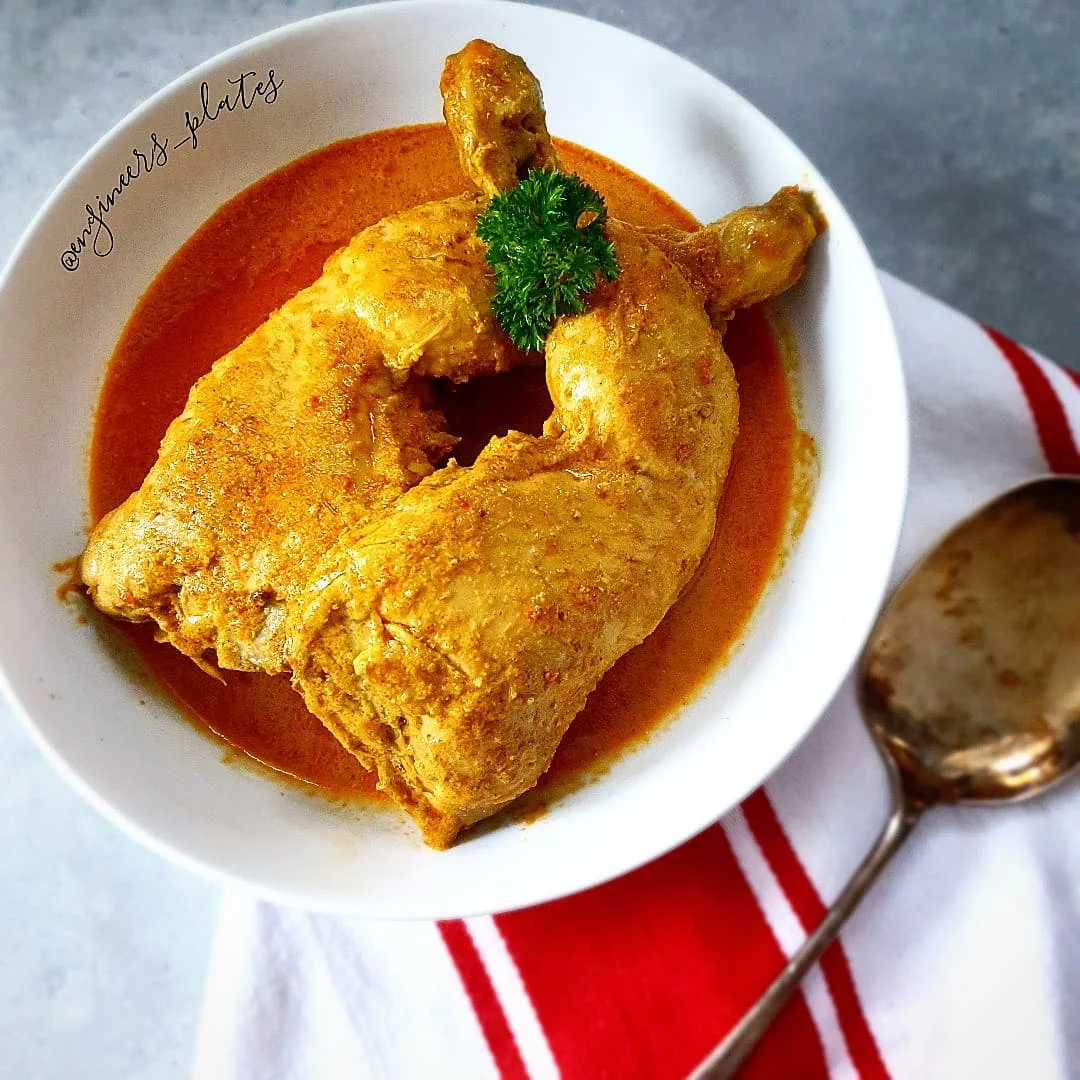
Gulai ayam is a gently simmered Indonesian chicken curry flavoured with chillies, aromatics and fragrant leaves, then enriched with coconut milk. It makes a comforting meal with rice and uses one pot for the final simmer.
Ingredients
- 4chicken thighs, skin removed; rubbed with lemon salt for 15 minutes, then cleaned
- 1 stalklemongrass, crushed
- 2 cmgalangal, crushed
- 3kaffir lime leaves
- 3bay leaves
- 240 ml (1 cup)thick coconut milk
- 240 ml (1 cup)water
- to tastesugar and salt
- to tastecooking oil
- 2 largered chillies, deseeded
- 7 smallshallots
- 4 clovesgarlic
- 2 cmfresh ginger
- 2 cmturmeric
- 15 ml (1 tbsp)coriander seeds
- 2.5 ml (½ tsp)ground cumin
- 2.5 ml (½ tsp)ground white pepper
Instructions
- 1
Sauté the aromatics
Sauté the mashed ingredients with the lemongrass, galangal and leaves until fragrant.
- 2
Add chicken
Pour in the water, then add the chicken.
- 3
Part-cook chicken
Bring to the boil and cook until the chicken is half-cooked.
- 4
Add coconut milk
Add the coconut milk and seasonings, then stir.
- 5
Finish the curry
Bring to the boil and cook until the chicken is fully cooked. Turn off the heat and serve.
What is gulai ayam?
Gulai ayam is an Indonesian chicken curry, part of a wider family of spiced gulai dishes found across Indonesia and neighbouring parts of Southeast Asia. Its character comes from a fragrant spice mixture simmered with meat and coconut milk.
This version combines chillies, shallots, garlic, ginger and turmeric with lemongrass, galangal and aromatic leaves. The chicken cooks in the seasoned liquid, so the sauce and meat take on the same flavours.
Nutrition and macros by portion
The nutrition label shows one serving as written: 500 calories, 32g protein, 9g carbs, 38g fat.
| Portion | Adjustment | kcal | Protein | Carbs | Fat |
|---|---|---|---|---|---|
| Lighter | Use less coconut milk | 350 kcal | 22g | 6g | 27g |
| This serving | As written | 500 kcal | 32g | 9g | 38g |
| Hungry | Serve with extra rice | 750 kcal | 48g | 14g | 57g |
The chicken provides most of the protein, while the coconut milk and cooking oil account for much of the fat and saturated fat. The chillies, shallots and aromatics contribute a modest amount of carbohydrate. Serve it with rice and a portion of vegetables to make a more balanced plate.
The spice base
Mashed aromatics: the chillies, shallots, garlic, ginger, turmeric, coriander seeds, cumin and white pepper form the curry base. Sauté them with the lemongrass, galangal and leaves until fragrant before adding liquid.
Building the flavour
Whole aromatics: crushed lemongrass and galangal release their scent as they cook, while kaffir lime and bay leaves infuse the liquid. They are left in the pot during cooking, then can be set aside when serving.
Cooking the chicken
First simmer: the chicken begins cooking in water after the spice mixture has become fragrant. Bring the liquid to the boil and let the thighs cook until they are about halfway done before adding the coconut milk.
Getting the sauce right
Coconut milk: stir it in with the seasonings, then continue cooking until the chicken is fully cooked. Keep the curry at a steady boil and stir occasionally so the coconut milk and spices stay evenly combined.
Seasoning and serving
Final taste: salt and sugar are added to taste, so adjust them once the sauce has simmered and its flavours have come together. Serve the curry with rice, which is a natural partner for the coconut-rich sauce.
Recipe notes & tips
- Crush the lemongrass and galangal well so their aromas can infuse the curry.
- Sauté the mashed ingredients until fragrant before adding water.
- Add the coconut milk after the chicken is partly cooked, as directed.
- Stir after adding the coconut milk so it blends evenly with the cooking liquid.
- Taste the sauce before serving and adjust the salt and sugar to your preference.
Variations
- Milder curry: use fewer red chillies for a less fiery result.
- More aromatic: add extra kaffir lime leaves if you have them.
- Boneless chicken: use boneless thighs and check them regularly as they may cook sooner.
- Vegetable addition: add chunks of potato during the first simmer so they cook in the spiced liquid.
- Rice pairing: serve with steamed rice to soak up the coconut curry sauce.
Common mistakes to avoid
- Adding coconut milk too early: wait until the chicken is half-cooked, as the method specifies.
- Skipping the sauté: cook the mashed ingredients until fragrant before adding the liquid.
- Boiling without stirring: stir after adding coconut milk to keep the sauce well combined.
- Guessing the seasoning: taste near the end and add salt and sugar gradually.
- Serving undercooked chicken: continue cooking until the chicken is fully cooked through.
How to store
Cool leftovers promptly and refrigerate in a covered container for up to 3 days. Reheat gently in a saucepan until piping hot throughout, stirring the sauce as it warms.
Frequently asked questions
Can I make gulai ayam less spicy?
Yes. Use fewer of the deseeded red chillies. The aromatic ingredients will still give the curry plenty of flavour.
Can I use boneless chicken thighs?
Yes, though boneless thighs may cook more quickly than bone-in pieces. Check them during the simmer and stop cooking once they are fully cooked.
When should I add the coconut milk?
Add it after the chicken is half-cooked, then stir in the seasonings and continue cooking until the chicken is done.
What should I serve with gulai ayam?
Steamed rice works well with the rich sauce. Vegetables on the side also make a good accompaniment.
Can I prepare it ahead?
Yes. Refrigerate the cooked curry in a covered container and reheat it gently until piping hot throughout.
Cook it from the original
This recipe comes from fooooods.com. Their page has the author’s own photos, notes and tips — the best place to cook it from.
Open the recipe on fooooods.com