
Crusty Italian Bread Recipe
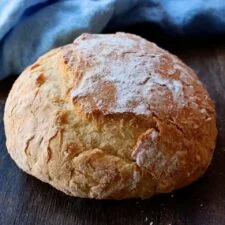
This Italian-style loaf has a crisp, glossy crust and a soft, airy centre. Two rises and a little steam in the oven help give it its texture, making it a good choice for sandwiches, dipping or serving alongside a meal.
Ingredients
- 650 gbread flour
- 414 ml (1 3/4 cups)warm water (38–43°C)
- 1 tablespoongranulated sugar
- 1 tablespoonactive dry yeast
- 1 tablespoonbutter, at room temperature
- 2 teaspoonssalt
- 1egg white
- 1 tablespoonchilled water
- 1 tablespoonextra virgin olive oil
Instructions
- 1
Activate the yeast
Stir the warm water, granulated sugar and active dry yeast together in a small bowl. Leave for 5–10 minutes, until the mixture is frothy and bubbly.
- 2
Mix the dough
Combine the bread flour and salt in a large bowl. Add the softened butter and activated yeast mixture, then mix until a rough dough forms.
- 3
Knead the dough
Turn the dough out on to a floured surface and knead for about 10 minutes, until smooth, elastic and slightly tacky but not sticky. Alternatively, knead with a stand mixer and dough hook on medium speed for 7–8 minutes.
- 4
Let it rise
Lightly oil a clean bowl and put the dough inside. Cover with a damp cloth or plastic wrap and leave in a warm, draught-free place for 1–1.5 hours, until doubled in size.
- 5
Shape the loaf
Punch down the dough to release the air, then shape it into a round or oval loaf on a lightly floured surface. Set it on a baking sheet lined with parchment paper.
- 6
Rise again
Loosely cover the shaped dough with a cloth or plastic wrap. Leave for 30–45 minutes, until puffed up.
- 7
Preheat the oven
Heat the oven to 220°C. Put an empty metal pan on the lower rack to create steam during baking.
- 8
Brush with egg
Whisk the egg white and chilled water in a small bowl until frothy. Gently brush the mixture over the dough.
- 9
Steam and bake
Just before putting the bread in the oven, pour about 120 ml (1/2 cup) of hot water into the metal pan to create steam, then quickly shut the oven door. Bake for 25–30 minutes, until deep golden brown and hollow-sounding when tapped on the bottom.
- 10
Cool and finish
Transfer the loaf to a wire rack and brush the warm crust lightly with extra virgin olive oil. Leave it to cool completely before slicing.
What is crusty Italian bread?
This is a simple yeast-raised loaf with a firm, crisp outside and a tender interior. Italian breads vary widely by region and style, and this home-baked version takes its cues from the familiar country loaf: a straightforward dough shaped into one large round or oval.
Bread flour gives the loaf structure, while the two rises help it become airy. An egg-white wash and a little steam in the oven support a shiny, crunchy crust.
Nutrition and macros by portion
The nutrition label shows one serving as written: 217 calories, 6g protein, 41g carbs, 3g fat.
| Portion | Adjustment | kcal | Protein | Carbs | Fat |
|---|---|---|---|---|---|
| Lighter | Smaller bread portion | 152 kcal | 4g | 29g | 2g |
| This serving | As written | 217 kcal | 6g | 41g | 3g |
| Hungry | Larger bread portion | 326 kcal | 9g | 62g | 4g |
Most of the carbohydrates and some of the protein come from the bread flour; the butter and olive oil contribute most of the fat. The egg white adds a little protein, while the salt contributes much of the sodium. Pair a slice with beans, eggs or another protein and vegetables for a more balanced plate.
Why these ingredients work
Bread flour: its higher protein content helps the dough develop an elastic structure that can hold on to the air made during rising.
Yeast and sugar: the sugar is mixed with the yeast and warm water first, giving you a chance to check that the yeast becomes frothy before making the dough.
Butter: a small amount enriches the dough without taking away from the loaf’s crisp crust.
Kneading and dough feel
By hand: knead for about 10 minutes, aiming for a smooth, elastic dough that feels slightly tacky but does not cling heavily to your hands.
With a mixer: use a dough hook on medium speed for 7–8 minutes. If the dough feels sticky, resist adding a lot of extra flour; too much can make the baked loaf dense.
Two rises matter
First rise: give the dough 1–1.5 hours in a warm, draught-free spot, and look for it to double in size rather than relying on the clock alone.
Second rise: after shaping, allow another 30–45 minutes for the loaf to puff up. Cover it loosely so the surface does not dry out.
Steam and crust
The hot water poured into the preheated metal pan creates steam at the start of baking. Work quickly and close the oven door promptly, taking care around the hot pan and escaping steam.
The egg-white wash gives the surface a sheen, while the olive oil brushed on after baking adds a light finish. For a crisp crust, let the loaf cool fully on a wire rack before cutting.
When the loaf is done
Look for a deep golden-brown crust after 25–30 minutes in the oven. The recipe’s additional cue is a hollow sound when you tap the underside of the loaf.
A wire rack lets air circulate as the bread cools, helping to keep the base from becoming damp. Slicing while it is still hot can compress the soft interior.
How to serve it
Serve slices with olive oil for dipping, or use them for sandwiches once the loaf has cooled. Its crisp crust and soft middle also suit soups, salads and Italian-inspired meals.
For a simple balanced plate, pair a slice with a source of protein and vegetables, such as beans and a green salad.
Recipe notes & tips
- Check that the yeast mixture turns frothy before combining it with the flour.
- Use water within the specified 38–43°C range to activate the yeast.
- Keep the covering loose during the second rise so the dough can puff up.
- Have the hot water ready before opening the oven to create steam promptly.
- Cool the loaf completely on a wire rack before slicing for the best crust and crumb.
Variations
- Herb loaf: Knead dried Italian herbs into the dough for an aromatic variation.
- Garlic finish: Mix crushed garlic into the olive oil before brushing it over the warm crust.
- Seeded topping: Sprinkle seeds over the egg wash before baking.
- Olive loaf: Fold chopped olives into the dough before its first rise.
- Smaller loaves: Divide the dough and shape it into smaller loaves, checking for doneness earlier.
Common mistakes to avoid
- Inactive yeast: Wait for a frothy mixture before proceeding, and replace the yeast if it stays flat.
- Too much extra flour: Add only enough for handling, as excess flour can make the loaf heavy.
- Rushing the first rise: Let the dough reach about double its size before shaping.
- Dry surface: Cover the dough during the rises so a skin does not form.
- Slow steam: Pour the hot water into the metal pan just before baking and close the oven door quickly.
- Slicing too soon: Cool the loaf fully on a rack before cutting so the crumb can set.
How to store
Once completely cool, store the loaf in a paper bag or bread bin at room temperature and eat within 2–3 days. To refresh the crust, warm slices briefly in the oven; freeze extra bread in a sealed freezer bag for up to 3 months and thaw before reheating.
Frequently asked questions
Can I knead the dough in a stand mixer?
Yes. Use a dough hook on medium speed for 7–8 minutes, until the dough is smooth and elastic.
How can I tell when the dough has risen enough?
For the first rise, look for it to double in size. After shaping, it should look puffed up following 30–45 minutes.
Can I leave out the egg-white wash?
Yes, though the crust may be less shiny. The wash is brushed on before baking to enhance the surface colour and shine.
Why does the recipe use steam?
The hot water in the oven creates steam during baking, helping the loaf develop its crust. Take care when pouring it into the hot metal pan.
Can I slice the bread while it is warm?
It is best to wait until it has cooled completely. Cutting too early can compress the soft interior and affect the crust.
How do I know the loaf is baked?
It should be deep golden brown after 25–30 minutes and sound hollow when tapped on the bottom.
Cook it from the original
This recipe comes from busyrecipe.com. Their page has the author’s own photos, notes and tips — the best place to cook it from.
Open the recipe on busyrecipe.com