
Tuna Caper Salad
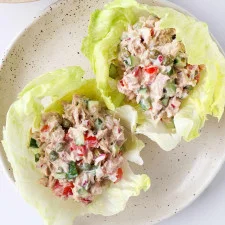
This tuna caper salad combines flaky tuna with crisp cucumber, juicy tomato and a tangy, creamy yoghurt dressing. It comes together quickly for sandwiches, lettuce wraps or a light lunch.
Ingredients
- 425 g (15 oz), drainedcanned tuna in spring water
- 1cucumber, finely diced
- 1 largetomato, finely diced
- ⅓ cup (about 50 g)red onion, finely diced
- ¼ cup (about 35 g)capers, finely chopped
- ¾ cup (about 180 g)plain Greek yoghurt
- 1 tablespoon (15 ml)Dijon mustard
- 2 tablespoons (30 ml)lemon juice
- to tastesalt and pepper
- 2 tablespoonsfresh basil, chopped
Instructions
- 1
Dice the vegetables
Finely dice the cucumber, tomato and red onion.
- 2
Flake the tuna
Put the tuna in a mixing bowl and break it into smaller flakes with a fork.
- 3
Mix the salad
Add the diced vegetables, capers, Greek yoghurt, Dijon mustard, lemon juice, salt and pepper. Mix gently until combined.
- 4
Chill or serve
Serve straight away, or refrigerate for 30 minutes to let the flavours develop.
- 5
Add the basil
Scatter the chopped fresh basil over the salad before serving, if desired.
What is tuna caper salad?
Tuna salad is a familiar American lunch, often served in a sandwich or alongside crisp greens. This version brings a briny note from capers and uses Greek yoghurt for a creamy, tangy dressing.
Cucumber and tomato give the mixture freshness and crunch, while lemon and Dijon sharpen the flavour. It is a quick, no-cook option when you want a filling lunch without much preparation.
Nutrition and macros by portion
The nutrition label shows one serving as written: 133 calories, 24g protein, 8g carbs, 1g fat.
| Portion | Adjustment | kcal | Protein | Carbs | Fat |
|---|---|---|---|---|---|
| Lighter | Serve in lettuce wraps | 93 kcal | 16g | 6g | 1g |
| This serving | As written | 133 kcal | 24g | 8g | 1g |
| Hungry | Add a larger sandwich | 200 kcal | 35g | 12g | 2g |
Tuna provides most of the protein, while the vegetables and yoghurt contribute some of the carbohydrates. The yoghurt supplies most of the fat in this lean version, and a serving of wholegrain bread or extra salad greens can make the meal more substantial.
Choose the tuna and yoghurt
Tuna: Drain it well so the dressing stays creamy rather than watery. Spring-water tuna keeps the flavour clean and lets the capers, lemon and herbs stand out.
Yoghurt: Plain Greek yoghurt gives the salad its body and tang. Stir it in gently so the tuna stays flaky rather than becoming a paste.
Keep the vegetables crisp
Even pieces: Dice the cucumber, tomato and onion finely so they distribute through the tuna. This also makes the salad easier to scoop into bread or lettuce leaves.
Juicy tomato: If the tomato is especially watery, remove some of its seeds before dicing. This helps prevent excess liquid from collecting at the bottom of the bowl.
Balance the dressing
Capers: Chop them finely so their salty, sharp flavour reaches each bite. Since capers are already briny, taste the mixture before adding much salt.
Lemon and mustard: Lemon juice brightens the yoghurt, while Dijon adds a gentle savoury kick. Mix these through evenly, then adjust seasoning to taste.
Mix gently and check the texture
Gentle folding: Break up the tuna with a fork, then fold in the remaining ingredients without crushing the flakes. A few larger pieces give the salad a pleasing texture.
Doneness cue: The finished mixture should hold together on a spoon but still look moist and distinct, not smooth or soupy. Drain the tuna thoroughly and avoid overmixing if it seems loose.
Allow time for the flavours
Serve now: The salad is ready as soon as it is mixed, with the vegetables at their crispest.
Chill: A 30-minute rest in the fridge lets the lemon, mustard and capers mingle with the yoghurt. Add the basil just before serving for its fresher aroma.
Serve it your way
Sandwiches: Spoon the salad into bread or a roll for a simple packed lunch. Add lettuce if you want extra crunch.
Lettuce wraps: Use sturdy lettuce leaves as a lighter, crisp base. It also works as a topping for a green salad or a filling for jacket potatoes.
Recipe notes & tips
- Drain the tuna thoroughly before adding it to the bowl.
- Chop the vegetables to a similar small size for an even mix.
- Taste before salting because capers can be quite briny.
- Fold rather than stir vigorously to keep some tuna flakes intact.
- Add the basil at the end to preserve its fresh flavour.
Variations
- Add celery: Finely dice it for extra crunch.
- Use dill: Swap the basil for chopped fresh dill for a different herbal note.
- Add black pepper: Grind it over the salad just before serving for a sharper finish.
- Make it spicier: Stir in a little chilli to bring gentle heat.
- Serve with greens: Spoon the salad over lettuce or mixed leaves for a fresh bowl.
Common mistakes to avoid
- Wet tuna: Drain it well first so it does not thin the yoghurt dressing.
- Overmixing: Fold gently to keep the tuna flaky.
- Large vegetable chunks: Dice the cucumber, tomato and onion finely for an even texture.
- Too much salt: Taste after adding capers, then season gradually.
- Soft basil: Add it just before serving so it stays aromatic.
How to store
Keep the salad in an airtight container in the fridge and eat within 2 days. Stir gently before serving; it is best served cold and does not need reheating.
Frequently asked questions
Can I make tuna caper salad ahead?
Yes. Mix it up to a day ahead and keep it covered in the fridge. Add the basil shortly before serving for the freshest flavour.
How do I stop the salad from becoming watery?
Drain the tuna well and dice the vegetables finely. If the tomato is very juicy, remove some seeds before mixing.
What can I use instead of Greek yoghurt?
Plain thick yoghurt is the closest substitute, though the dressing may be less rich. Stir it in gradually and check the texture.
Can I serve it without bread?
Yes. Spoon it into lettuce leaves or serve it over salad greens for a bread-free option.
Should I rinse the capers?
That is optional. If they taste very salty, a quick rinse and thorough drain can make their flavour milder.
Cook it from the original
This recipe comes from goodnessavenue.com. Their page has the author’s own photos, notes and tips — the best place to cook it from.
Open the recipe on goodnessavenue.com