
Rooie Annie cocktail (with or without alcohol)
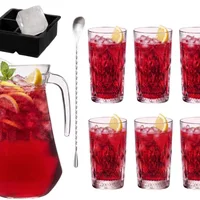
Rooie Annie is a Dutch highball combining fruity cassis and bittersweet, fizzy bitter lemon over ice. It takes only a few minutes to assemble and works just as well with a shot of gin or vodka as without alcohol.
Ingredients
- 100 ml per personcassis
- 100 ml per personbitter lemon
- 1 large block per glassice
- 1 shot per glass, optionalgin or vodka
Instructions
- 1
Prepare the ice
Make large ice blocks in an ice mould ahead of time. Larger blocks melt more slowly, so they dilute the drink less.
- 2
Add the ice
Place one large ice block in a generous highball glass.
- 3
Add optional spirits
For the alcoholic version, add one shot of gin or vodka to the glass. Gin gives a fruity, botanical note; vodka keeps the flavour cleaner.
- 4
Pour in cassis
Fill the glass halfway with cassis.
- 5
Top with bitter lemon
Add bitter lemon until the glass is full.
- 6
Stir and serve
Stir gently and briefly with a cocktail spoon, using just a few movements to combine the flavours without losing too much fizz. Serve immediately.
What is a Rooie Annie?
Rooie Annie is a Dutch mixed drink named for its vivid red colour. It combines cassis, a blackcurrant liqueur, with bitter lemon, a carbonated citrus mixer.
This version keeps the preparation simple: build it directly in a glass over a large ice block, then stir briefly. A shot of gin or vodka is optional, so the same drink can be served with or without spirits.
Nutrition and macros by portion
The nutrition label shows one serving as written: 255 calories, 0g protein, 39g carbs, 0g fat.
| Portion | Adjustment | kcal | Protein | Carbs | Fat |
|---|---|---|---|---|---|
| Lighter | Use less cassis | 179 kcal | 0g | 27g | 0g |
| This serving | As written | 255 kcal | 0g | 39g | 0g |
| Hungry | Serve with savoury snacks | 383 kcal | 0g | 59g | 0g |
Most of the drink’s carbohydrate and sugar comes from the cassis and bitter lemon; the optional gin or vodka adds alcohol but little carbohydrate. Serve it alongside savoury food and water for a more balanced occasion.
Choosing the ingredients
Cassis: This blackcurrant liqueur gives the drink its colour and sweet, fruity base. Pour it carefully to make the halfway fill easy to judge.
Bitter lemon: Its citrus bitterness and bubbles balance the cassis. Chill it beforehand if you want the drink cold without relying on extra ice.
Gin or vodka: Either spirit can be added as a shot per glass, or left out. Gin brings more botanical character, while vodka has a more neutral taste.
Why use a large ice block?
Large ice melts more slowly than several small cubes, helping the drink stay less diluted as you serve it. Make the blocks ahead of time so they are ready when you assemble the glasses.
Use one block per glass, as directed, and choose a glass roomy enough for the ice and both drinks.
Pouring and stirring
Cassis first: Fill the glass halfway with the liqueur, then top it up with bitter lemon. This order makes it straightforward to judge the proportions.
Gentle stir: Use only a few calm turns of a cocktail spoon. Vigorous stirring knocks the fizz out of the bitter lemon.
Serving it at its best
Serve the cocktail straight after stirring, while the bitter lemon is still lively and the ice has not had much time to melt.
It is suitable as a simple aperitif or party drink. If serving a mixture of alcoholic and alcohol-free glasses, make the spirit-free ones first and keep them clearly distinguishable.
What to serve alongside
The drink is sweet, fruity and fizzy, so pair it with savoury nibbles such as salted nuts, crisps or small cheese bites. These offer a contrast without requiring a complicated spread.
For a fuller meal, serve it alongside a savoury Dutch-style snack or a light buffet, and offer water as well.
Recipe notes & tips
- Chill the cassis and bitter lemon before assembling the drinks.
- Make the ice blocks ahead so you can serve the cocktails promptly.
- Use a generous highball glass to leave room for the ice and mixer.
- Measure one shot per glass if adding gin or vodka.
- Stir only briefly to preserve the bitter lemon’s fizz.
Variations
- Gin version: Add one shot of gin per glass for a more botanical flavour.
- Vodka version: Add one shot of vodka per glass for a cleaner-tasting alcoholic drink.
- Alcohol-free: Leave out the spirit and use the cassis, bitter lemon and ice as directed.
- Less sweet: Use a little less cassis and top up with more bitter lemon.
- Party pitcher: Multiply the quantities for your group, but add the bitter lemon just before serving to retain its fizz.
Common mistakes to avoid
- Small ice cubes: They melt quickly and dilute the drink; use one large block per glass.
- Over-stirring: The bitter lemon loses its bubbles; make only a few gentle turns.
- Filling with cassis alone: The drink becomes much sweeter; fill halfway with cassis, then top up with bitter lemon.
- Adding the mixer too early: It can go flat before serving; pour it in just before the final stir.
- Forgetting to specify the spirit: Gin or vodka is optional; ask guests or label glasses so everyone knows which version they have.
How to store
This drink is best made and served immediately, as the ice melts and the bitter lemon loses its fizz over time. Do not store an assembled cocktail; keep the ingredients chilled and mix each glass when needed.
Frequently asked questions
Can I make Rooie Annie without alcohol?
Yes. The recipe is made with cassis and bitter lemon, and the gin or vodka is optional. Leave out the spirit for an alcohol-free version.
Which spirit works best?
Either gin or vodka works. Gin gives the drink a more botanical character, while vodka is more neutral.
Can I make it ahead?
Prepare the ice in advance and chill the ingredients, but assemble the drinks just before serving so the ice does not dilute them and the bitter lemon stays fizzy.
Why use a large block of ice?
A large block melts more slowly than smaller pieces, so it dilutes the drink less quickly.
How should I stir the cocktail?
Use a cocktail spoon for just a few gentle movements. Stirring vigorously removes too much of the bitter lemon’s fizz.
Cook it from the original
This recipe comes from cookinglife.eu. Their page has the author’s own photos, notes and tips — the best place to cook it from.
Open the recipe on cookinglife.eu