
Orange & Lemon Mousse / Fool
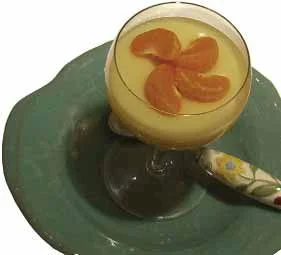
This citrus mousse, or fool, layers a gently thickened lemon or orange cream with fresh clementines. It is a simple make-ahead dessert that brings bright fruit flavour and a soft, spoonable texture to the table.
Ingredients
- 43 gcornflour or potato flour
- 415 mldairy-free milk drink, such as soya or rice milk
- grated rind and juice of 2lemons or small oranges
- 1–2 tbsp (15–30 ml)maple syrup, rice syrup, agave syrup or light brown cane sugar
- 4clementines, peeled and with all pith removed
Instructions
- 1
Make a paste
In a small pan, gradually mix the soya or rice milk into the cornflour or potato flour until smooth.
- 2
Thicken the mixture
Stir in the citrus rind and juice. Heat gently over a low heat, stirring continuously, until the mixture thickens.
- 3
Sweeten and cool
Add maple syrup or another sweetener to taste, then leave the mixture to cool somewhat.
- 4
Layer the fruit
Arrange half of the clementine segments in the bottoms of four glasses.
- 5
Add the topping
Pour the mixture over the fruit. Once it has set a little, arrange the remaining clementines in a pattern on top.
- 6
Chill to serve
Chill the glasses before serving.
What is a citrus fool?
A fool is a British-style fruit dessert, traditionally made by folding fruit into a creamy base. This version takes a simpler route: citrus juice and rind flavour a milk mixture thickened on the hob, while clementines provide fresh fruit in each glass.
The contrast between the smooth, tangy base and the juicy segments makes it feel light and fresh. Layering the fruit also gives each serving a clear citrus flavour rather than blending everything together.
Nutrition and macros by portion
The nutrition label shows one serving as written: 115 calories, 3g protein, 27g carbs, 2g fat.
| Portion | Adjustment | kcal | Protein | Carbs | Fat |
|---|---|---|---|---|---|
| Lighter | Use less syrup | 81 kcal | 2g | 19g | 1g |
| This serving | As written | 115 kcal | 3g | 27g | 2g |
| Hungry | Serve a larger glass | 173 kcal | 5g | 41g | 3g |
The starch and sweetener provide most of the carbohydrates, while clementines contribute fruit sugars and fibre. The milk drink supplies some protein and fat, but the amounts vary by type; serve a glass with a small handful of unsalted nuts if you want a more substantial plate.
Choose the citrus
Lemons: use their zest and juice for a sharper, more tart dessert. Taste the sweetened mixture before assembling, as lemon can need more sweetener.
Small oranges: these give a rounder, sweeter citrus flavour. The recipe uses either two lemons or two small oranges, so choose one rather than combining both.
Get a smooth base
Starch paste: mix the flour or cornflour with the milk while it is still cold, working out any lumps before heating. This helps the thickener disperse evenly.
Gentle heat: keep the pan over a low heat and stir continually as the mixture thickens. Scrape the base and corners of the pan so the mixture does not catch.
Look for the right texture
Thickened mixture: take the pan off the heat once the mixture has thickened; it should coat a spoon rather than remain runny. It will firm further as it cools and chills.
Fruit segments: remove the clementine pith carefully for a cleaner taste and a neater finish. Let the base cool somewhat before pouring it over the fruit.
Sweeten to taste
Maple syrup: start with 1 tablespoon, then taste and add more if needed. Rice syrup, agave syrup or light brown cane sugar are listed alternatives.
The citrus variety affects how much sweetness feels balanced, so adjust before assembling the glasses. If using sugar, stir until it dissolves into the warm mixture.
Plan the chilling time
This dessert needs chilling before serving, although the recipe does not specify an exact duration. Allow enough time for the base to become cool and set to a spoonable consistency.
The second layer of clementines goes on once the base has set a little. This helps the segments sit visibly on top instead of sinking into the mixture.
Serving ideas
Serve the glasses cold as they are, with the clementine pattern on show. A crisp biscuit alongside would add contrast to the soft texture without changing the simple citrus focus.
For a fuller dessert plate, pair a glass with a small serving of plain biscuits or another lightly flavoured accompaniment. Keep additions modest so they do not overwhelm the fruit.
Recipe notes & tips
- Measure the milk before starting so it is ready to whisk into the starch.
- Use a fine grater for the citrus rind and avoid grating the bitter white pith.
- Stir continuously once the pan is over the heat to keep the base smooth.
- Taste the mixture after adding 1 tablespoon of sweetener before deciding whether to add more.
- Peel and segment the clementines before assembling the glasses for easier layering.
Variations
- Lemon version: use two lemons for a sharper, tangier base.
- Orange version: use two small oranges for a softer citrus flavour.
- Rice syrup: swap it for the maple syrup, adjusting the amount to taste.
- Agave option: use agave syrup as the sweetener and taste before adding more.
- Cane sugar: use light brown cane sugar and stir it into the warm mixture until dissolved.
Common mistakes to avoid
- Lumpy paste: mix the starch with cold milk gradually until completely smooth before heating.
- Scorched base: keep the heat low and stir continuously, including around the edges of the pan.
- Overly tart mixture: taste after sweetening and add more syrup a little at a time if needed.
- Fruit sinking: let the base cool and set slightly before placing the top layer of segments.
- Bitter citrus: remove the clementine pith and grate only the coloured citrus rind.
How to store
Cover and refrigerate the assembled glasses, and eat within 2 days for the best texture. Serve cold; this dessert is not suited to reheating.
Frequently asked questions
Can I use soya or rice milk?
Yes. The method specifies either soya or rice milk, and the ingredients call for a dairy-free milk drink.
Can I use cornflour instead of potato flour?
Yes. The recipe gives corn starch or potato flour as alternatives; use the same stated amount by weight.
How do I know when the base is thick enough?
It should visibly thicken as you stir and coat a spoon rather than run like milk. It will become firmer as it cools.
Can I make these glasses ahead?
Yes. Assemble and chill them before serving. Add the top clementine segments once the base has set a little.
Can I use both lemon and orange?
The recipe specifies the rind and juice of either two lemons or two small oranges. For the intended balance, choose one citrus option.
Cook it from the original
This recipe comes from godairyfree.org. Their page has the author’s own photos, notes and tips — the best place to cook it from.
Open the recipe on godairyfree.org