
Delicious lasagne with spinach and blue cheese
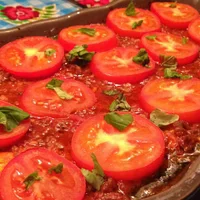
This Italian-style lasagne layers spiced beef and tomato sauce with spinach, crème fraîche and Gorgonzola, then finishes with fresh tomato and Parmesan. It makes a hearty, comforting centrepiece for a family dinner.
Ingredients
- 250 gfresh lasagne sheets
- 150 gGorgonzola
- 800 gminced beef
- 500 gfrozen spinach cubes
- 1onion
- 2 canspeeled tomatoes
- 3 largetomatoes
- 200 gcrème fraîche
- 70 gtomato purée
- 3 tsporegano
- 3 tspnutmeg
- 1 tspsambal
- 1 tspcane sugar
- 1 tspcinnamon
- to tastesalt and pepper
- to tasteolive oil
- a handfulfresh basil
- to tastegrated Parmesan
Instructions
- 1
1. Cook the beef
Heat the oven to 180°C. Finely chop the onion and garlic, then sauté them in a little olive oil in a frying pan. Season the minced beef with oregano, salt and pepper, add it to the pan and cook until crumbly.
- 2
2. Simmer the sauce
Add the peeled tomatoes with their juice and the tomato purée. Stir in the cane sugar, cinnamon and sambal, then simmer over a medium heat.
- 3
3. Prepare spinach
Thaw the spinach cubes in a small saucepan and season them with nutmeg. Whisk the crème fraîche in a bowl until smooth.
- 4
4. Layer the lasagne
Grease a baking dish. Layer in this order: sauce, lasagne sheets, crème fraîche, spinach and pieces of Gorgonzola; repeat that sequence, then add another layer of lasagne sheets, crème fraîche and sauce.
- 5
5. Bake covered
Cover the dish with foil and bake for 30 minutes. Meanwhile, slice the tomatoes and grate the Parmesan.
- 6
6. Finish baking
Remove the foil, arrange the sliced tomatoes and grated Parmesan over the top, then return the dish to the oven for a further 15 minutes.
- 7
7. Add basil
Scatter fresh basil over the lasagne before serving.
What is spinach and blue cheese lasagne?
Lasagne is an Italian baked pasta dish built from sheets layered with sauce and other fillings. This version pairs a spiced tomato and beef sauce with spinach, crème fraîche and Gorgonzola.
The layers give it a contrast of rich, savoury beef, creamy greens and tangy blue cheese. Sliced tomatoes and Parmesan on top add a fresh, savoury finish.
Nutrition and macros by portion
The nutrition label shows one serving as written: 740 calories, 44g protein, 43g carbs, 43g fat.
| Portion | Adjustment | kcal | Protein | Carbs | Fat |
|---|---|---|---|---|---|
| Lighter | Smaller lasagne portion | 518 kcal | 31g | 30g | 30g |
| This serving | As written | 740 kcal | 44g | 43g | 43g |
| Hungry | Larger lasagne portion | 1110 kcal | 66g | 65g | 65g |
The pasta sheets and tomatoes provide much of the carbohydrate, while the beef supplies most of the protein. Beef, Gorgonzola, crème fraîche and Parmesan contribute much of the fat; serve a generous helping of salad or vegetables alongside to balance the plate.
Building the tomato sauce
Beef first: cooking it until crumbly helps distribute it through the tomato sauce instead of leaving large clumps.
Spice balance: oregano, cinnamon, sambal and a little sugar season the canned tomatoes and tomato purée. Let the sauce simmer while you prepare the spinach so the flavours mingle.
Getting the spinach ready
Thawing: heat the frozen spinach cubes in a small saucepan until thawed, then season them with nutmeg as directed. If the spinach releases excess liquid, drain it before layering to help avoid a watery bake.
Crème fraîche: whisk it smooth before assembling so it is easier to spread between the pasta sheets.
Layering for an even bake
Start with sauce, then build up the pasta, crème fraîche, spinach and Gorgonzola layers in the order given. Keep the fillings spread evenly so each serving gets a mix of components.
Finish with the final pasta, crème fraîche and sauce layers before covering the dish. The recipe gives no dish size, so use one deep enough to hold the layers without reaching the rim.
Baking and checking doneness
Covered bake: cook at 180°C for 30 minutes under foil, then uncover and add the sliced tomatoes and Parmesan. Bake for another 15 minutes.
Check the centre: the lasagne should be hot throughout, with tender pasta and a bubbling sauce. If the pasta is not tender yet, continue baking and check it again.
Serving the lasagne
Let the dish settle briefly after baking so the layers are easier to serve. Add the fresh basil just before bringing it to the table.
A crisp green salad or simply dressed vegetables make a fresh counterpoint to the rich cheese and beef. Bread is another option for scooping up any sauce.
Recipe notes & tips
- Let the tomato and beef sauce simmer while the spinach thaws.
- Whisk the crème fraîche until smooth to make it easier to spread.
- Drain any excess liquid from the thawed spinach before assembling.
- Spread the filling evenly so the layers cook consistently.
- Add the basil after baking to keep its fresh flavour.
- Allow the lasagne to settle briefly before cutting portions.
Variations
- Milder sauce: reduce the sambal if you prefer less heat.
- More greens: add extra spinach, keeping it well drained before layering.
- Different blue cheese: use another blue cheese in place of Gorgonzola.
- Herb swap: use fresh oregano instead of dried, adjusting to taste.
- Vegetarian version: replace the beef with a suitable plant-based mince.
Common mistakes to avoid
- Watery spinach: drain it after thawing so excess liquid does not loosen the layers.
- Lumpy crème fraîche: whisk it smooth before spreading.
- Uneven filling: distribute the sauce and spinach across the pasta sheets.
- Over-browning the topping: cover the dish for the first 30 minutes, then uncover for the final 15.
- Pasta still firm: check the centre and continue baking until the sheets are tender.
How to store
Cool leftovers promptly, cover and refrigerate for up to 3 days. Reheat portions until piping hot throughout, in the oven or microwave.
Frequently asked questions
Can I assemble the lasagne ahead of time?
You can assemble it in advance and keep it covered in the fridge. The recipe gives baking times for the dish prepared before baking, so check the centre is hot throughout if it goes into the oven cold.
Do I need to cook fresh lasagne sheets first?
The method layers the fresh sheets directly into the dish, so no separate pre-cooking is specified. Follow the packet guidance if it gives different instructions.
How can I tell when the lasagne is ready?
The sauce should be bubbling and the pasta tender when checked in the centre. The method specifies 30 minutes covered at 180°C, followed by 15 minutes uncovered.
Can I use fresh spinach instead of frozen?
Yes, but cook it down first and drain away excess liquid before layering. The recipe specifies 500 g of frozen spinach cubes.
What can I serve with this lasagne?
A green salad or simply prepared vegetables pair well with its rich beef, crème fraîche and blue cheese layers.
Can I freeze leftover lasagne?
Yes. Cool it, wrap portions securely and freeze; thaw in the fridge before reheating until piping hot throughout.
Cook it from the original
This recipe comes from cookinglife.eu. Their page has the author’s own photos, notes and tips — the best place to cook it from.
Open the recipe on cookinglife.eu