
Potatoes Fried In Duck Fat Recipe
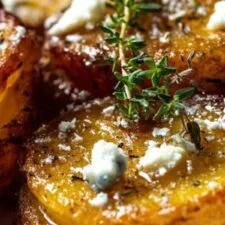
Crisp, golden baby potatoes are cooked in duck fat, then finished with thyme, honey and crumbled queso fresco. They make a rich, savoury side when you want something special alongside a simple main.
Ingredients
- 25mixed baby potatoes, scrubbed and washed
- 2 tablespoonskosher salt
- 3 tablespoonsduck fat
- 1 teaspoonsmoked flaky sea salt
- 1 teaspoonfreshly ground black pepper
- 1 teaspoonfresh thyme leaves
- 1 tablespoonhigh-quality honey
- 1/2 cup (about 120 ml)crumbled queso fresco
Instructions
- 1
Cut the potatoes
Halve or quarter the scrubbed baby potatoes, choosing the cut according to their size.
- 2
Fry until crisp
Heat the duck fat in a skillet. Add the potatoes, season with the kosher salt and cook until golden brown and crisp.
- 3
Add the seasoning
Sprinkle the potatoes with smoked flaky sea salt, black pepper and fresh thyme. Drizzle over the honey and toss to coat.
- 4
Finish and serve
Move the potatoes to a serving dish, scatter over the crumbled queso fresco and serve hot.
What are potatoes fried in duck fat?
This is a skillet side of baby potatoes fried until crisp in rendered duck fat, then dressed with herbs, honey and fresh cheese. Cooking potatoes in animal fat is a familiar country-style approach in parts of Europe, valued for a deeply browned exterior and savoury flavour.
This version balances the richness with thyme, a touch of honey and the milky tang of queso fresco. The small potatoes also make it easy to vary the cut and get plenty of crisp edges.
Nutrition and macros by portion
The nutrition label shows one serving as written: 250 calories, 8g protein, 30g carbs, 12g fat.
| Portion | Adjustment | kcal | Protein | Carbs | Fat |
|---|---|---|---|---|---|
| Lighter | Use less duck fat | 175 kcal | 6g | 21g | 8g |
| This serving | As written | 250 kcal | 8g | 30g | 12g |
| Hungry | Add more potatoes | 375 kcal | 12g | 45g | 18g |
The potatoes provide most of the carbohydrates, while the duck fat supplies much of the fat and the queso fresco contributes protein as well as additional fat. Pair a serving with vegetables and a lean protein for a more balanced plate.
Choosing and cutting the potatoes
Baby potatoes: Mixed varieties can differ in size and firmness, so cut them into halves or quarters to make the pieces as even as possible. Smaller, similar-sized pieces are easier to cook through at the same rate.
Surface moisture: Scrub and wash the potatoes as directed, then dry them well before they go into the skillet. Wet potatoes can spit in hot fat and are less likely to brown cleanly.
Getting a crisp skillet fry
Duck fat: Let the fat heat in the skillet before adding the potatoes so they begin frying on contact. If the pan is crowded, work in batches to avoid trapping steam around the pieces.
Turning: Give the potatoes time to colour before moving them around. Turn them as needed so several cut sides become golden and crisp without breaking up the softer centres.
Seasoning and finishing
Salt and pepper: The kosher salt goes in during frying, while smoked flaky sea salt is added at the end for a crisp, smoky finish. Taste before adding extra, since both salts contribute to the final seasoning.
Thyme and honey: Toss these through while the potatoes are hot so the leaves release their aroma and the honey clings lightly. Use a modest drizzle to complement rather than mask the savoury flavour.
Texture and doneness cues
Crisp exterior: Look for browned edges and a firm, dry surface, rather than pale potatoes that still look oily. The skillet method gives the cut faces the most contact with the hot fat.
Tender centre: Check a larger piece with a fork or the tip of a knife; it should slide in without resistance. If the outside colours before the centre is tender, lower the heat and continue cooking gently.
Timing the dish
Prep first: Cut the potatoes and measure out the seasonings before heating the skillet. The listed total time is 30 minutes, though the cooking time can vary with potato size, pan space and heat.
Serve promptly: Add the cheese once the potatoes are on the serving dish and bring them to the table hot. That keeps the crisp surfaces from softening under the toppings.
What to serve alongside
Fresh contrast: Pair the potatoes with a crisp green salad or simply dressed vegetables to offset their richness. A sharp vinaigrette works well alongside the mild, salty cheese.
Main dishes: They suit roast chicken, grilled vegetables or a straightforward piece of fish. Keep other sides relatively simple so the thyme, smoked salt and honey remain noticeable.
Recipe notes & tips
- Dry the potatoes thoroughly after washing to encourage browning and reduce splattering.
- Cut larger potatoes into smaller pieces so they cook at a similar pace to the smaller ones.
- Preheat the skillet and duck fat before adding the potatoes.
- Fry in batches if the potatoes do not fit in a single uncrowded layer.
- Add the queso fresco just before serving so it does not melt away in the hot pan.
- Taste before adding more salt because the smoked flaky salt and cheese are both savoury.
Variations
- Add garlic: Toss in a little finely chopped garlic near the end of frying so it does not burn.
- Use rosemary: Swap the thyme for finely chopped rosemary for a more woodsy herbal note.
- Add lemon: Finish with a little lemon zest to give the rich potatoes a brighter edge.
- Make it spicy: Add a pinch of chilli flakes with the black pepper.
- Change the cheese: Use crumbled feta in place of queso fresco for a saltier finish.
Common mistakes to avoid
- Crowded skillet: The potatoes steam instead of crisping; fry them in batches.
- Uneven pieces: Large pieces stay firm while small ones overcook; cut them to similar sizes.
- Moving them too often: They may not develop a browned crust; leave them undisturbed briefly between turns.
- Adding wet potatoes: Water can cause the hot fat to spit and hinder browning; dry them well first.
- Overheating the pan: The outsides can darken before the centres soften; reduce the heat and continue cooking.
- Adding cheese too early: It can soften into the hot potatoes; crumble it over them just before serving.
How to store
Refrigerate leftovers in a sealed container for up to 3 days. Reheat in a skillet over medium heat or in an oven until hot; the potatoes may be less crisp after storage.
Frequently asked questions
Can I use a different type of potato?
Yes. Use small waxy potatoes if available, and cut them into evenly sized pieces. Larger potatoes will need more cutting and may take longer to cook.
Can I make these without duck fat?
Yes, use another cooking fat such as olive oil or neutral oil, though the flavour and browning will differ from duck fat.
How do I know when the potatoes are cooked through?
The outside should be golden and crisp, and a fork or knife should slide easily into the centre of a larger piece.
Can I prepare the potatoes ahead?
You can wash and cut them ahead, then keep them covered in the fridge. Dry them thoroughly before frying, and cook close to serving time for the best texture.
What can I use instead of queso fresco?
Crumbled feta is an easy alternative, though it is usually saltier. Add it at the end as you would the queso fresco.
Cook it from the original
This recipe comes from busyrecipe.com. Their page has the author’s own photos, notes and tips — the best place to cook it from.
Open the recipe on busyrecipe.com