
Chilean pork foot broth
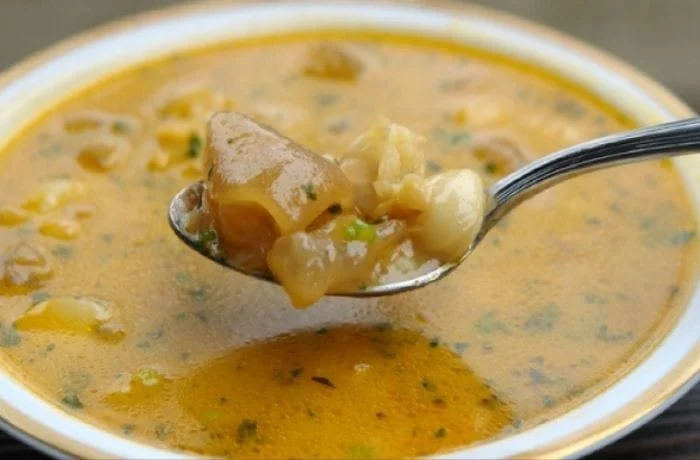
This Chilean pork foot broth is a slow-simmered soup with tender pork and a deeply flavoured, smooth-tasting broth. It is a comforting choice for a leisurely meal, traditionally served hot with ají paste and pan amasado.
Ingredients
- 2pork trotters
- 2 cloves, choppedgarlic
- 2bay leaves
- 1, choppedonion
- 1, cut into stripsred pepper
- 1, slicedcarrot
- 1 sprigcelery
- To tastemerkén
- To tastesalt
- To tasteblack pepper
Instructions
- 1
Blanch the trotters
Wash the pork trotters thoroughly and put them in a large pan. Cover with water, bring to the boil over high heat and boil for a couple of minutes. Drain, then rinse under cold water to remove any impurities.
- 2
Simmer with vegetables
Rinse the pan, return the pre-cooked trotters and cover with 2 litres of water. Bring to the boil over high heat, then lower the heat to medium. Add the carrots, onion, garlic, celery and bay leaves, cover and simmer for about 2½ to 3 hours, until the trotters are tender and the meat comes away from the bone easily.
- 3
Shred the meat
Lift the cooked trotters out of the pan and place them on a chopping board. Remove the meat from the bones, chop it into small pieces and return it to the broth. Taste and adjust the seasoning if needed.
- 4
Serve the broth
Serve the pork foot broth piping hot, with a little ají paste and pan amasado alongside.
What is Chilean pork foot broth?
Known in Chile as caldo de patas de cerdo or caldo de patas de chancho, this is a traditional soup built around pork trotters simmered until tender. The long cooking draws flavour into the broth and softens the meat so it can be taken from the bones.
This version combines the trotters with onion, carrot, garlic, celery and bay leaves. Its slow simmer and simple seasoning let the pork-led broth take centre stage.
Nutrition and macros by portion
The nutrition label shows one serving as written: 200 calories, 0g protein, 0g carbs, 0g fat.
| Portion | Adjustment | kcal | Protein | Carbs | Fat |
|---|---|---|---|---|---|
| Lighter | Smaller bread portion | 140 kcal | 0g | 0g | 0g |
| This serving | As written | 200 kcal | 0g | 0g | 0g |
| Hungry | Larger broth serving | 300 kcal | 0g | 0g | 0g |
The pork trotters provide most of the energy and fat, as well as the soup’s protein; the vegetables contribute a smaller amount of carbohydrate. The supplied nutrition lists 200 kcal per serving and zero grams for protein, carbohydrate and fat, so those figures do not describe the ingredients consistently. For a balanced plate, serve the broth with vegetables or salad and choose the bread portion to suit your appetite.
Why blanch the trotters first?
Initial blanch: boiling the washed trotters briefly, then draining and rinsing them, helps clear away impurities before the longer simmer.
Fresh water: rinsing the pan and covering the trotters with 2 litres of fresh water gives the main cooking stage a clean start.
The slow simmer
Gentle heat: after bringing the water to the boil, lower the heat to medium and keep the pan covered as directed. A steady simmer gives the trotters time to become tender over about 2½ to 3 hours.
Doneness: the key cue is meat that separates easily from the bone. If it still clings firmly, continue cooking until it reaches that point.
Vegetables and seasoning
Aromatic base: onion, garlic, carrot, celery and bay leaves cook with the trotters, flavouring the broth as it simmers.
Final seasoning: merkén, salt and black pepper are listed for seasoning, and the method calls for tasting and adjusting once the meat has been returned to the pot. The red pepper is included in the ingredients, though the method does not specify when to add it.
Getting the texture right
Meat pieces: once the trotters are tender, remove the meat from the bones and chop it into small pieces before returning it to the broth. This makes the soup easier to eat while keeping the meat in the pot.
Broth: this recipe relies on a long simmer rather than a thickener for its smooth-tasting finish. Keep the pan covered during cooking, as instructed.
How to serve it
Serve the broth well hot, as the recipe directs, with ají paste and pan amasado alongside. Add the paste to your bowl to suit your preferred level of heat.
For a more balanced plate, pair a serving with vegetables or a salad; pan amasado can make the meal more substantial.
Recipe notes & tips
- Wash the trotters thoroughly before blanching them.
- Drain and rinse the trotters after the brief first boil.
- Keep the pan covered during the long simmer.
- Use the meat separating easily from the bone as the doneness cue.
- Taste the broth after returning the chopped meat and adjust the seasoning.
- Serve ají paste on the side so each person can add it to taste.
Variations
- Adjust the heat: serve extra ají paste at the table for those who want a spicier bowl.
- Use merkén: season to taste for a smoky, Chilean chilli note.
- Make it more filling: serve with pan amasado as suggested in the recipe.
- Add the red pepper: include the listed strips in the simmer, although the method does not specify when to add them.
- Keep the broth simple: focus on the pork, vegetables and bay leaves for a straightforward version.
Common mistakes to avoid
- Skipping the rinse: drain and rinse after blanching to remove impurities before the main simmer.
- Cooking too briefly: wait until the meat separates easily from the bone before removing the trotters.
- Boiling hard throughout: lower the heat after bringing the fresh water to the boil and simmer as directed.
- Forgetting to season at the end: taste the broth after returning the chopped meat and adjust it if needed.
- Leaving the meat on the bones: remove it and chop it into small pieces before adding it back to the broth.
How to store
Cool leftovers promptly, transfer them to a covered container and refrigerate for up to 3 days. Reheat in a pan until piping hot throughout.
Frequently asked questions
How long does the broth take to cook?
The listed total time is 200 minutes. The main simmer takes about 2½ to 3 hours, in addition to the brief blanching and preparation.
How do I know when the trotters are tender?
They are ready when the meat comes away from the bone easily. If it remains firmly attached, keep simmering and check again.
What is merkén?
Merkén is a Chilean chilli seasoning. This recipe leaves the amount to taste, so start with a little and adjust the broth at the end.
When should I add the red pepper?
The red pepper is listed among the ingredients, but the method does not say when to add it. If using it, you can add it with the other vegetables during the simmer.
Can I make the broth ahead?
Yes. Refrigerate it in a covered container after cooling, then reheat it in a pan until piping hot throughout.
What should I serve with it?
The recipe suggests a little ají paste and pan amasado. The paste can be served on the side so diners can add it to taste.
Cook it from the original
This recipe comes from cocinaencasa.cl. Their page has the author’s own photos, notes and tips — the best place to cook it from.
Open the recipe on cocinaencasa.cl