
Kefir or bird's milk yoghurt
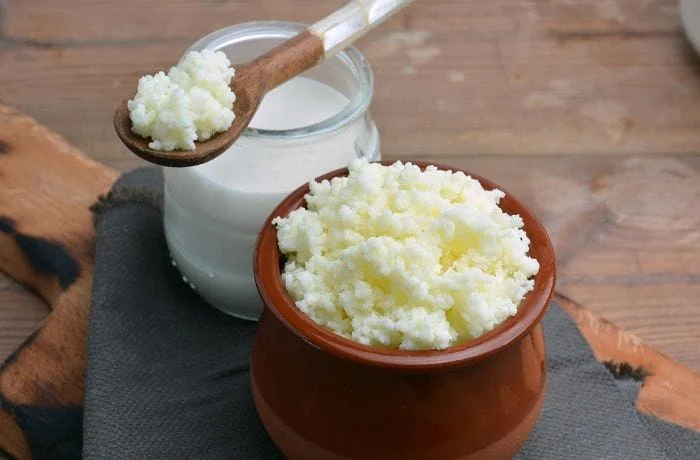
This Chilean-style bird’s milk yoghurt is made by fermenting milk with kefir grains, then chilling and serving it plain or with sweetener and fruit. It is a simple way to turn kefir grains into a tangy, spoonable homemade yoghurt.
Ingredients
- 3 tablespoonskefir grains
- 1 litremilk
- to tastesugar or natural sweetener
- to tastefruit, cut into pieces, such as peaches or strawberries
Instructions
- 1
Ferment the milk
Put the kefir grains in a glass jar and pour in the milk. Cover the jar with a clean tea towel and leave it at room temperature in a dark place for 24 hours.
- 2
Separate the grains
Uncover the jar and gently stir the kefir with a wooden spoon. Transfer the grains to a clean jar to begin another batch.
- 3
Strain and rest
Gently swirl the contents of the first jar, then strain the kefir into a clean glass jar. Cover it with a tea towel and leave it at room temperature until it reaches the consistency you want.
- 4
Chill and serve
Chill the bird’s milk yoghurt. If you like, sweeten it with sugar or another sweetener, or serve it with seasonal fruit to taste.
What is bird’s milk yoghurt?
In Chile, kefir grains are also known as búlgaros or pajaritos, and the fermented milk made with them is often called yoghurt of the little birds. The grains culture the milk as it rests, giving it a tangy flavour and a consistency that can be adjusted with a longer resting time.
This version keeps the process straightforward: ferment the milk with the grains, strain, then let the liquid rest until it suits your taste. Sweetener and fruit are added at the end, so the yoghurt can be served plain or dressed up.
Nutrition and macros by portion
The nutrition label shows one serving as written: 300 calories, 0g protein, 0g carbs, 0g fat.
| Portion | Adjustment | kcal | Protein | Carbs | Fat |
|---|---|---|---|---|---|
| Lighter | Use less sweetener | 210 kcal | 0g | 0g | 0g |
| This serving | As written | 300 kcal | 0g | 0g | 0g |
| Hungry | Serve a larger bowl | 450 kcal | 0g | 0g | 0g |
The provided nutrition figures are 300 kcal per serving, with 0 g each of protein, carbohydrate and fat; those macros do not appear to reflect the milk in the ingredient list. Milk is the main source of protein, carbohydrate and fat here, while added sugar or fruit contributes additional carbohydrate. Serve it with fruit and a filling accompaniment such as oats or wholegrain toast to make a more balanced breakfast.
Choosing the milk and grains
Kefir grains: Use active grains and keep them in the milk during the first fermentation. They are strained out before the finished yoghurt is served.
Milk: The recipe calls for 1 litre. Use fresh milk and a clean glass jar large enough to hold it with room to spare.
Setting up the first fermentation
Clean cover: A clean tea towel lets the jar be covered while the milk ferments. Set it in a dark place at room temperature, as directed, for 24 hours.
Timing: Fermentation can affect both flavour and texture. Follow the 24-hour first rest, then judge the second rest by the consistency you want.
Straining and texture
Gentle stirring: Use a wooden spoon to stir the kefir without crushing or aggressively working the grains. Set the grains aside in a clean jar for the next culture.
Consistency: Strain into a clean glass jar, then leave the liquid to rest until it has the texture you prefer. Check it periodically rather than relying on an exact second-rest time, which the recipe does not specify.
Sweetening and serving
Plain or sweet: Taste the chilled yoghurt before adding sugar or another natural sweetener. This lets its tangy flavour come through and makes it easier to adjust the sweetness.
Fruit: Peaches and strawberries are suggested; cut them into pieces and add them to taste just before serving.
Keeping the next batch going
Reserve the grains: After the first fermentation, transfer the grains to a clean jar so they can be used for a new culture. Keep them separate from the strained yoghurt.
Clean equipment: Use clean jars and a clean cover each time. This keeps the simple, repeated process tidy from batch to batch.
Recipe notes & tips
- Use a glass jar with enough room for the litre of milk.
- Cover the jar with a clean tea towel during both room-temperature rests.
- Keep the first fermentation in a dark place for the full 24 hours.
- Strain the kefir into a clean glass jar and reserve the grains separately.
- Chill the yoghurt before tasting and deciding whether to sweeten it.
- Add fruit just before serving so you can adjust each portion to taste.
Variations
- Peach topping: Add pieces of ripe peach just before serving.
- Strawberry topping: Stir in chopped strawberries for a fresh, fruity finish.
- Lightly sweetened: Add a little sugar or natural sweetener after chilling, then taste before adding more.
- Plain serving: Leave out the sweetener and fruit to enjoy the yoghurt's tangy flavour.
- Mixed fruit: Combine seasonal fruit pieces and add them to each bowl at serving time.
Common mistakes to avoid
- Using an unclean jar: Wash the jar and cover before starting each culture.
- Leaving out the grains: Keep the kefir grains in the milk for the initial 24-hour fermentation.
- Straining before the first rest: Allow the milk and grains to ferment for the full 24 hours before separating them.
- Mixing the grains into the finished yoghurt: Transfer the grains to a separate clean jar before straining the liquid.
- Guessing the second rest: Check the texture periodically and stop when it reaches your preference.
- Adding fruit too early: Add fruit after chilling, just before serving.
How to store
Keep the finished yoghurt covered in the fridge and use a clean spoon when serving. The recipe does not specify a storage life, so make a modest batch and follow the usual care you use for homemade fermented dairy; keep the kefir grains separate for the next culture. Serve chilled rather than reheating.
Frequently asked questions
How long does the first fermentation take?
The recipe specifies 24 hours at room temperature in a dark place. The later rest is left to reach the consistency you prefer.
Do I eat the kefir grains?
No. Stir the kefir, transfer the grains to a clean jar for another culture, and strain the liquid for the yoghurt.
How do I know when the yoghurt is ready?
After straining, let it rest until it reaches the consistency you want. Check it periodically, as the method does not give a set time for this stage.
Can I use fruit other than peaches or strawberries?
Yes. The recipe suggests fruit of the season, cut into pieces, so choose fruit you enjoy and add it to taste.
When should I add the sweetener?
Add sugar or another natural sweetener after the yoghurt has been chilled. Start with a small amount and adjust to taste.
Cook it from the original
This recipe comes from cocinaencasa.cl. Their page has the author’s own photos, notes and tips — the best place to cook it from.
Open the recipe on cocinaencasa.cl