
Chilean San Juan fried cirigües
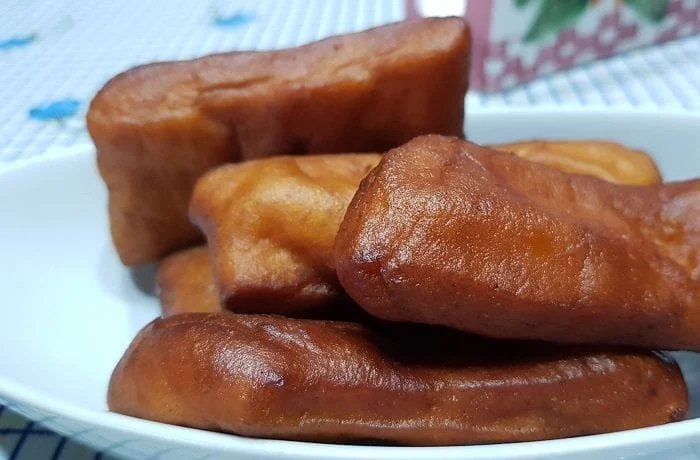
Chilean cirigües are soft, sweet pumpkin dough pieces, fried until lightly golden. A traditional country treat from the Biobío region, they are especially welcome warm during winter and San Juan celebrations.
Ingredients
- 1 kgyellow pumpkin
- 1 kgplain flour
- 250 gsugar
- 2eggs
- 1½ teaspoonsbaking powder
- 1 tablespoonbutter or pork lard
- ½ tablespoonbicarbonate of soda
- as needed for fryingoil or pork lard
- to tasteicing sugar, for serving
Instructions
- 1
Cook the pumpkin
Put the pumpkin in a medium saucepan with its skin on and seeds removed. Cover with cold water, bring to the boil over a high heat with the lid on, then uncover and simmer over a medium heat for about 10 minutes, or until very tender. Leave until warm, remove the skin and keep some of the cooking water.
- 2
Make the dough
Mash the cooked pumpkin in a medium bowl with a fork. Sift in the flour, then add the eggs, room-temperature butter, baking powder and bicarbonate of soda. Mix by hand or with a wooden spoon until you have a soft dough that does not stick; add a little of the reserved pumpkin water if needed to adjust the consistency.
- 3
Shape the pieces
Transfer the dough to a clean surface and roll it out to about 1 cm thick. Cut it into rectangles and set them aside.
- 4
Fry until golden
Pour enough oil or lard into a deep frying pan or deep fryer and heat over a high heat to about 180°C. Fry the cirigües in batches without overlapping, turning them so they are lightly golden on both sides. Lift them out and drain on kitchen paper.
- 5
Serve warm
Serve the cirigües straight away while warm, dusted with icing sugar, or let them cool and serve as a dessert or for afternoon tea.
What are cirigües?
Cirigües are sweet fried dough treats associated with Chile’s Biobío region and country cooking. They are often compared with picarones, but this version is served without chancaca syrup.
Pumpkin gives the dough its characteristic softness, while frying creates a lightly crisp outside. They are traditionally enjoyed in winter, including around the celebrations of San Juan.
Nutrition and macros by portion
The nutrition label shows one serving as written: 350 calories, 0g protein, 0g carbs, 0g fat.
| Portion | Adjustment | kcal | Protein | Carbs | Fat |
|---|---|---|---|---|---|
| Lighter | Use less frying fat | 245 kcal | 0g | 0g | 0g |
| This serving | As written | 350 kcal | 0g | 0g | 0g |
| Hungry | Serve a larger portion | 525 kcal | 0g | 0g | 0g |
The pumpkin and flour provide most of the carbohydrates, while the frying oil or lard and the butter contribute much of the fat. The eggs add some protein, though the supplied nutrition figures report none. Serve a cirigüe with fresh fruit or unsweetened tea for a simple balance alongside this sweet fried dough.
The pumpkin base
Cook the pumpkin with its skin on after removing the seeds, then peel it once it has cooled enough to handle. Keeping some cooking water gives you a way to loosen the dough gradually if the pumpkin mixture is too firm.
Mash the pumpkin thoroughly with a fork so it combines evenly with the flour and other ingredients. A few small soft pieces are less troublesome than large chunks, which can make the dough uneven.
Getting the dough right
Add the reserved pumpkin water little by little rather than pouring it in all at once. The target is a soft dough that can be handled without sticking to your hands or work surface.
The method allows mixing by hand or with a wooden spoon. Stop once the ingredients are combined into a smooth, workable dough rather than adding extra flour automatically.
Rolling and cutting
Roll the dough to about 1 cm thick, as directed, so the pieces have enough body without becoming unwieldy. Cut rectangles of a similar size to help them cook at roughly the same pace.
Set the cut pieces aside while you bring the frying fat to temperature. Keep them separate so they are easy to lift into the pan without stretching or sticking together.
Frying for an even finish
Heat the oil or lard to about 180°C before frying. Add the pieces in batches, leaving space between them so they do not overlap.
Turn each cirigüe to brown both sides lightly, then drain it on kitchen paper. If the pieces darken quickly, lower the heat before frying the next batch.
When to serve them
Cirigües are especially inviting served warm with a dusting of icing sugar. They can also be cooled and eaten later as a dessert or alongside a cup of tea at once, Chile’s afternoon tea time.
Their sweet, pumpkin-rich flavour needs little accompaniment. Fresh fruit or unsweetened tea can provide a simple contrast.
Recipe notes & tips
- Remove the pumpkin seeds before boiling it.
- Keep some pumpkin cooking water before draining or peeling the pumpkin.
- Add the reserved water gradually so the dough does not become sticky.
- Roll the dough to an even thickness of about 1 cm.
- Fry in batches with space around each piece.
- Drain the fried cirigües on kitchen paper before dusting with icing sugar.
Variations
- Use pork lard: choose it in place of butter in the dough for a more traditional, savoury richness.
- Choose the frying fat: use oil or pork lard, as specified, for frying.
- Change the shape: cut the rolled dough into smaller rectangles for bite-sized pieces.
- Adjust the sweetness: dust each serving lightly or generously with icing sugar to taste.
Common mistakes to avoid
- Adding too much pumpkin water: the dough can turn sticky; add it a little at a time.
- Skipping the pumpkin mash: large pieces can leave the dough uneven; mash it well with a fork.
- Rolling unevenly: pieces may cook at different speeds; aim for about 1 cm throughout.
- Overlapping the pan: crowded pieces can cook unevenly; fry them in batches.
- Frying before the fat is hot: the pieces may absorb more fat; wait until it reaches about 180°C.
- Leaving the pieces in too long: they can become too dark; turn them and remove them when lightly golden on both sides.
How to store
Let leftovers cool, then keep them in an airtight container in the fridge for up to 3 days. Reheat briefly in an oven or frying pan until warmed through; they are best freshly fried.
Frequently asked questions
Can I make the dough ahead?
The method does not specify a resting or make-ahead stage. For the best texture, shape and fry the dough soon after mixing.
How do I know when the pumpkin is cooked?
After about 10 minutes of simmering, check that it is very tender. The cooking time can vary with the size of the pieces.
What if the dough is sticky?
Add the reserved pumpkin cooking water only when the dough needs loosening. If it is already sticky, avoid adding more water and handle it gently on a clean surface.
Can I use butter instead of pork lard?
Yes. The recipe gives butter and pork lard as alternatives for the dough.
Can I fry the cirigües in a shallow layer of oil?
The method calls for enough oil or lard in a deep pan or fryer. Use enough fat for the pieces to fry without overlapping, and turn them to brown both sides.
How are cirigües usually served?
Serve them warm with icing sugar, or let them cool and enjoy them as dessert or at afternoon tea.
Cook it from the original
This recipe comes from cocinaencasa.cl. Their page has the author’s own photos, notes and tips — the best place to cook it from.
Open the recipe on cocinaencasa.cl