
Fresh Tomato Sauce
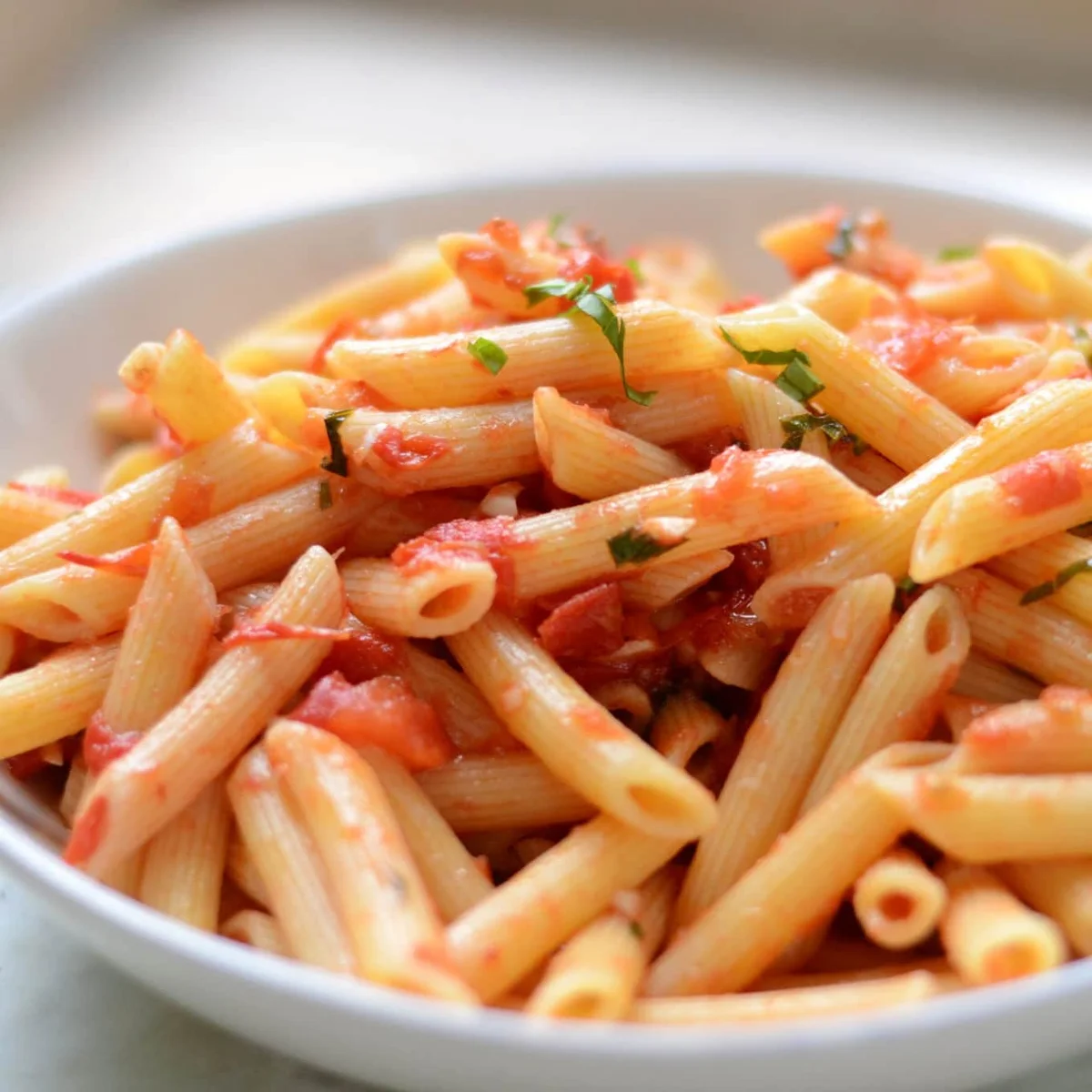
This quick Italian-style tomato sauce brings fresh tomatoes, garlic, white wine and basil together for a light, bright pasta topping. It is a handy choice when you want a simple sauce without a long simmer.
Ingredients
- 6Roma tomatoes, diced with the middle cores removed
- 30 ml (⅛ cup)extra-virgin olive oil
- 2garlic cloves, minced
- 30 ml (⅛ cup)dry white wine
- 30 ml (2 tbsp)fresh basil, chopped
- 1 tsp, plus more to tastekosher salt
Instructions
- 1
Warm the oil
Heat the olive oil in a large sauté pan over medium-low heat until warm.
- 2
Soften the tomatoes
Add the diced tomatoes, stir, and cook for several minutes until they soften.
- 3
Add garlic and wine
Stir in the garlic, white wine and 1 tsp salt, then cook for 1 minute more.
- 4
Wilt the basil
Add the basil and stir just until it starts to wilt and release its flavour. Taste and add more salt if desired.
- 5
Serve with pasta
Combine the sauce with your favourite pasta and serve.
What is fresh tomato sauce?
Fresh tomato sauce is a simple pasta topping built around ripe tomatoes rather than a long-cooked base. Tomato sauces are a familiar part of Italian cooking, with recipes varying by region and household.
This version keeps the cooking brief, so the tomatoes soften but retain a fresh character. Olive oil, garlic, wine and basil add flavour without obscuring the tomatoes.
Nutrition and macros by portion
The nutrition label shows one serving as written: 85 calories, 1g protein, 4g carbs, 7g fat.
| Portion | Adjustment | kcal | Protein | Carbs | Fat |
|---|---|---|---|---|---|
| Lighter | Use less olive oil | 59 kcal | 1g | 3g | 5g |
| This serving | As written | 85 kcal | 1g | 4g | 7g |
| Hungry | Serve with more pasta | 128 kcal | 2g | 6g | 11g |
The pasta is the main source of carbohydrates when served, while olive oil contributes most of the fat in the sauce. The tomatoes and basil contribute a little protein, but the sauce itself is not a substantial protein source; pair it with a protein-rich side or topping to balance the plate.
Choosing the ingredients
Tomatoes: Roma tomatoes are a good fit here because their flesh softens into a sauce. Remove the middle cores as directed, then dice them evenly so they cook at a similar pace.
Olive oil: Extra-virgin olive oil provides the sauce’s richness and carries the flavour of the garlic and basil. Warm it gently rather than letting it smoke.
White wine: A dry white wine adds a little acidity and aroma. Choose one you would be happy to drink, and measure it before adding it to the pan.
Keep the heat gentle
Low heat: The recipe starts over medium-low heat to warm the oil without scorching it. Keep the pan at a gentle sizzle once the tomatoes go in.
Garlic timing: Add the minced garlic after the tomatoes have softened. This short cooking time helps it flavour the sauce without giving it too much time to brown.
Look for softened tomatoes
Tomato texture: Cook the tomatoes for several minutes, stirring, until they visibly soften. The recipe does not specify an exact time for this stage, so use their texture as your guide.
Basil finish: Stir the basil in at the end and stop when the leaves just begin to wilt. This preserves its fresh aroma better than cooking it for the full time.
Season and taste
Salt: Add the stated 1 tsp with the garlic and wine, then taste before adding any more. The amount needed may depend on the saltiness of the pasta and what you serve alongside it.
Balance: The wine and tomatoes give the sauce a fresh, tangy edge, while the olive oil rounds it out. Taste the sauce before mixing it with pasta so you can adjust the salt while it is still easy to stir.
Serving ideas
Pasta: Toss the sauce with your favourite pasta as directed, ideally while both are warm. A short shape or a long strand will both work; choose one that suits the texture you like.
On the plate: Serve with a green salad or cooked vegetables for a more rounded meal. If you like, finish with a little extra basil.
Recipe notes & tips
- Dice the tomatoes to a similar size so they soften evenly.
- Warm the oil gently and avoid letting it smoke.
- Stir the tomatoes as they cook so they soften evenly in the pan.
- Add the basil at the end and stop cooking as soon as it starts to wilt.
- Taste before adding extra salt, especially if your pasta is already salted.
Variations
- Chilli: Add a pinch of chilli flakes with the garlic for a little heat.
- Extra herbs: Stir in a small amount of chopped parsley alongside the basil.
- Chunkier sauce: Keep the tomatoes in larger dice and stir them gently as they soften.
- Smoother sauce: Mash the softened tomatoes lightly in the pan before adding the basil.
- Cheesy finish: Serve with a little grated hard cheese for a savoury topping.
Common mistakes to avoid
- Scorching the oil: Keep it over medium-low heat and add the tomatoes once it is warm.
- Browning the garlic: Add it after the tomatoes soften and cook for only the stated additional minute.
- Overcooking the basil: Stir it in at the end and stop as soon as it begins to wilt.
- Adding too much salt: Start with 1 tsp, taste the sauce, then add more only if needed.
- Expecting a thick, long-cooked sauce: This recipe is designed to stay fresh and quick, so cook the tomatoes only until softened.
How to store
Refrigerate leftover sauce in a covered container for up to 3 days. Reheat gently in a pan, stirring until hot; add a small splash of water if it seems too thick.
Frequently asked questions
Can I make this sauce ahead?
Yes. Prepare it ahead and refrigerate it in a covered container, then reheat gently before serving. For the freshest basil flavour, you can stir in a little extra basil just before serving.
Can I use another type of tomato?
Yes. Use ripe tomatoes and dice them, removing the cores as directed. Their texture may vary, so cook until softened rather than relying on a fixed time.
Do I have to use the white wine?
The recipe includes dry white wine for flavour. You can leave it out if needed, though the sauce will have a slightly different taste.
How do I know when the tomatoes are ready?
They should be noticeably softened after several minutes in the pan. They do not need to cook down into a completely smooth sauce.
Can I freeze the sauce?
It can be frozen in a suitable airtight container, though the texture of the tomatoes and basil may change slightly after thawing. Thaw it in the fridge and reheat gently.
Cook it from the original
This recipe comes from goodinthesimple.com. Their page has the author’s own photos, notes and tips — the best place to cook it from.
Open the recipe on goodinthesimple.com