
Swirled Garlic Herb and Cheese Bread Recipe
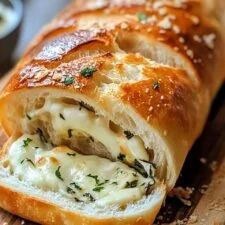
A soft yeast loaf rolled around garlic-herb butter and mozzarella with cheddar or Parmesan, then twisted to show off its cheesy layers. It makes a savoury centrepiece for sharing, a warm snack or a side for soup and pasta.
Ingredients
- 375 gplain flour
- 1 packet (7 g; equivalent to 2¼ tsp)instant yeast
- 1 tbsp (12.5 g)sugar
- 1 tsp (5 g)salt
- 180 ml, warm (45°C)milk
- 2 tbsp (28 g), meltedbutter
- 1egg
- 4 tbsp (56 g), softenedbutter
- 3 cloves, mincedgarlic
- 1 tspdried oregano
- 1 tspdried basil
- ½ tsp (about 3 g)salt
- 112 gmozzarella, grated
- 56 gcheddar or Parmesan, grated
Instructions
- 1
Mix the dough
Combine the flour, instant yeast, sugar and salt in a large bowl. In a separate bowl, whisk the warm milk, melted butter and egg, then gradually mix the wet ingredients into the dry ingredients until a soft dough forms.
- 2
Knead and rise
Turn the dough onto a floured surface and knead for 8–10 minutes, until smooth and elastic and slightly tacky but not sticky. Put it in a greased bowl, cover with a clean tea towel or plastic wrap, and leave in a warm place for about 1–1½ hours, until doubled in size.
- 3
Mix the filling
In a small bowl, combine the softened butter, minced garlic, oregano, basil, salt, mozzarella and cheddar or Parmesan.
- 4
Roll the dough
Once risen, press the dough down to release the air. On a floured surface, roll it into a large rectangle, roughly 30 × 46 cm.
- 5
Spread the filling
Spread the garlic-herb cheese mixture evenly over the rectangle of dough.
- 6
Shape the swirl
Starting at one long edge, roll the dough tightly into a log and pinch the seam closed. Cut the log lengthways down the middle to expose the layers, then twist the two strands around each other with the cut sides facing upwards.
- 7
Rise again
Put the twisted dough into a greased loaf tin, or shape it into a round loaf on a baking tray lined with baking parchment. Cover and leave for 30–45 minutes, until slightly puffed.
- 8
Bake the bread
Heat the oven to 175°C. Bake for 30–35 minutes, until the crust is golden and the cheese filling is bubbling. If the top browns too quickly, cover it loosely with foil.
- 9
Cool and serve
Leave the bread to cool for at least 15 minutes before slicing, so the cheese can firm up a little. Serve warm or at room temperature.
What is swirled garlic herb and cheese bread?
This is a soft, enriched yeast loaf with a savoury filling spiralled through its centre. Its twist-and-bake shape gives each slice visible layers of garlic butter, herbs and melted cheese.
The recipe sits in the Italian-American tradition of pairing bread with garlic, herbs and cheese. A tender dough and a generously flavoured filling make it satisfying as a snack or as a side.
Nutrition and macros by portion
The nutrition label shows one serving as written: 2850 calories, 105g protein, 340g carbs, 116g fat.
| Portion | Adjustment | kcal | Protein | Carbs | Fat |
|---|---|---|---|---|---|
| Lighter | Use less filling | 1995 kcal | 74g | 238g | 81g |
| This serving | As written | 2850 kcal | 105g | 340g | 116g |
| Hungry | Larger slice | 4275 kcal | 158g | 510g | 174g |
As one whole loaf, most of the carbohydrates come from the flour, with smaller amounts from the milk and sugar. Butter and cheese contribute much of the fat, while the cheeses, flour, milk and egg supply protein. Share it alongside salad or vegetables and a protein-rich main for a more balanced meal.
Building a soft dough
Warm milk: at 45°C, it is warm but not hot, which helps the yeast work without overheating the mixture. Add the wet ingredients gradually so you can judge when the dough comes together.
Kneading: work the dough for 8–10 minutes, until it feels elastic and slightly tacky. A smooth dough is easier to roll out and twist after its first rise.
Getting the filling evenly spread
Soft butter: it should spread without tearing the dough. Mix it thoroughly with the garlic, dried herbs, salt and cheeses so the flavour is distributed throughout the loaf.
Cheese choice: mozzarella gives a stretchy, mild centre, while cheddar makes it more savoury and Parmesan adds a sharper, saltier note. The recipe allows either cheddar or Parmesan alongside the mozzarella.
Shaping the swirl
The cut: after rolling the dough into a log, slice it lengthways to reveal the filling. Keep the cut faces upwards as you twist the strands together so the layers remain visible.
The seam: pinch the edge of the log closed before cutting. This helps keep the filling in place as you shape the loaf, though some cheese may still escape during baking.
Rise and doneness cues
First rise: allow about 1–1½ hours in a warm place, looking for the dough to double rather than relying on the clock alone. The second rise is shorter, at 30–45 minutes, and the shaped loaf should look slightly puffed.
Baking: the stated time is 30–35 minutes at 175°C. Look for a golden crust and bubbling cheese, and tent the top with foil if it is browning too quickly.
How to serve the loaf
Serve slices warm or at room temperature, as the recipe suggests. The garlic, herbs and cheese make it a natural companion for soup, pasta or a simple salad.
For neater slices, respect the 15-minute cooling time. It gives the melted cheese a chance to firm slightly rather than spilling out as soon as the loaf is cut.
Recipe notes & tips
- Use milk warmed to 45°C so it is warm rather than hot.
- Knead until the dough is elastic and slightly tacky, not sticky.
- Roll the dough into a rectangle of roughly 30 × 46 cm for an even layer.
- Keep the cut sides facing upwards while twisting to show the filling.
- Cover the loaf loosely with foil if its top browns before the centre is ready.
- Wait at least 15 minutes before slicing so the cheese can settle.
Variations
- Choose Parmesan: use it instead of cheddar for a sharper, saltier flavour.
- Use cheddar: pair it with mozzarella for a fuller, more savoury filling.
- Adjust the herbs: vary the proportions of oregano and basil while keeping to the recipe's total amount.
- Shape a round loaf: twist the dough and bake it on a parchment-lined tray instead of using a loaf tin.
Common mistakes to avoid
- Overheating the milk: very hot milk can hinder the yeast; use it warm at 45°C.
- Under-kneading: dough that is not smooth and elastic is harder to shape; knead for the full 8–10 minutes.
- Adding too much flour: excess flour can make the dough stiff; aim for slightly tacky, not sticky.
- Sealing poorly: an open seam can let filling escape; pinch the rolled log closed before cutting.
- Slicing too soon: hot cheese may run out; leave the loaf to cool for at least 15 minutes.
How to store
Once completely cool, store the bread covered at room temperature and eat within 2 days. Reheat slices briefly in a warm oven until heated through; avoid wrapping or storing it while still warm, as trapped steam can soften the crust.
Frequently asked questions
Can I use cheddar instead of Parmesan?
Yes. The recipe calls for ½ cup (56 g) of shredded cheddar or Parmesan alongside the mozzarella.
How do I know when the dough has risen enough?
After the first rise, it should have doubled in size. After shaping, look for it to become slightly puffed during the 30–45-minute second rise.
Can I bake it as a round loaf?
Yes. Put the shaped twist on a baking tray lined with baking parchment instead of placing it in a greased loaf tin.
Why should the cut sides face upwards?
Keeping them facing up as you twist makes the filling layers visible on the surface of the loaf.
Can I slice it straight from the oven?
It is better to wait at least 15 minutes. This gives the cheese time to firm slightly and makes the loaf easier to slice.
Cook it from the original
This recipe comes from busyrecipe.com. Their page has the author’s own photos, notes and tips — the best place to cook it from.
Open the recipe on busyrecipe.com