
Simple Vegan Pesto
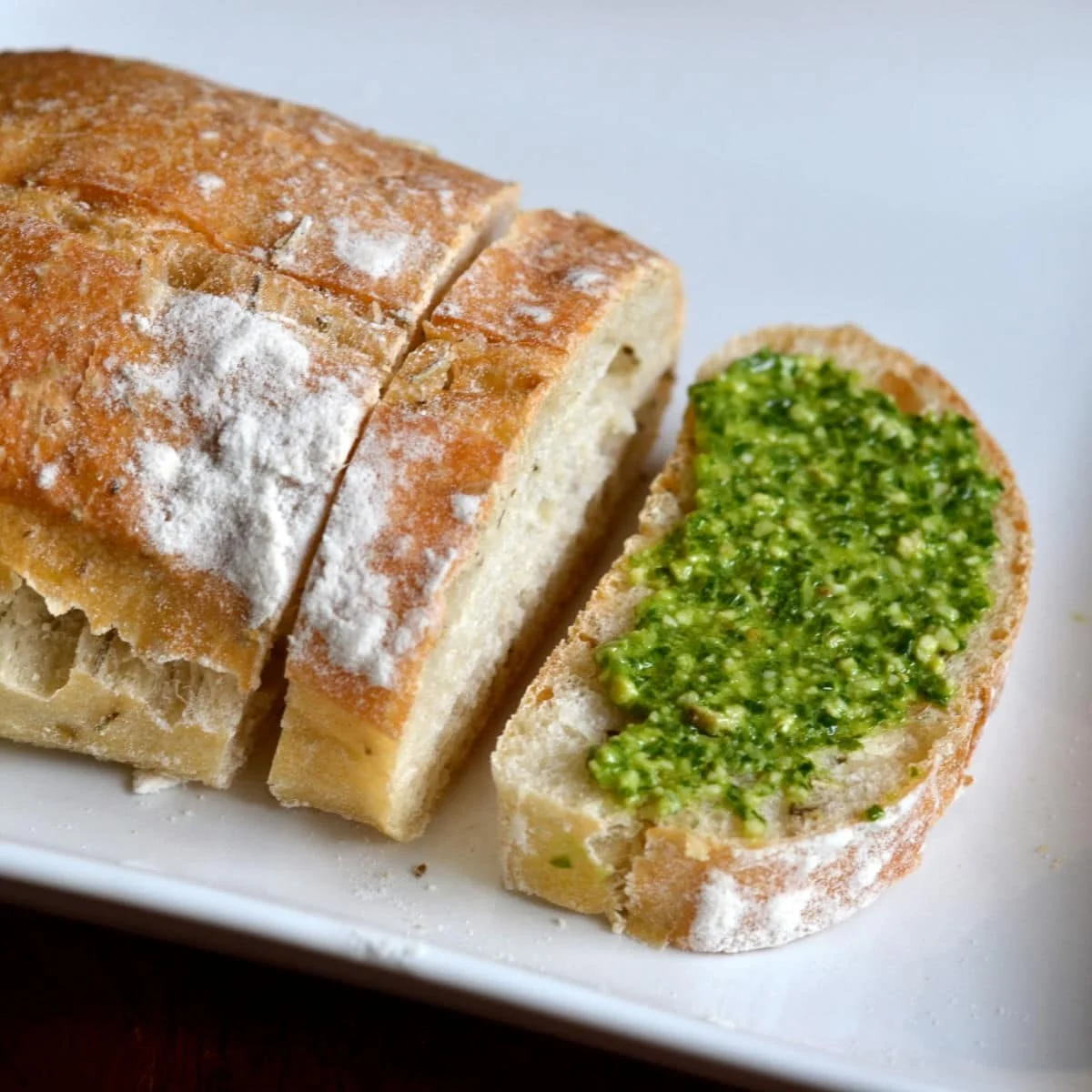
This quick, dairy-free pesto blends fresh basil, lemon, garlic and pine nuts into a bright, savoury sauce. Make it in minutes to toss through pasta, spread in a sandwich or spoon over roasted vegetables.
Ingredients
- 3 cups (about 60 g), moderately packedfresh basil
- Juice of 1 small to medium lemonlemon
- ⅓ cup (about 45 g)pine nuts
- 2 large cloves, peeled and roughly choppedgarlic
- ¾ tspkosher salt
- ¼ cup (60 ml)extra-virgin olive oil
Instructions
- 1
Chop the ingredients
Put everything except the olive oil in a food processor. Pulse until evenly chopped, then slowly pour in the oil through the processor's feed tube. Pulse until combined but still a little textured, rather than completely smooth.
What is pesto?
Pesto is an Italian sauce traditionally associated with Genoa and made by crushing basil with ingredients such as garlic, pine nuts, olive oil and cheese. This version leaves out the cheese, keeping it dairy-free while lemon adds a fresh, tangy note.
A food processor makes this version especially quick. Brief pulses give the ingredients an even chop while preserving a little texture.
Nutrition and macros by portion
The nutrition label shows one serving as written: 134 calories, 1g protein, 1g carbs, 14g fat.
| Portion | Adjustment | kcal | Protein | Carbs | Fat |
|---|---|---|---|---|---|
| Lighter | Use less olive oil | 94 kcal | 1g | 1g | 10g |
| This serving | As written | 134 kcal | 1g | 1g | 14g |
| Hungry | Serve a larger portion | 201 kcal | 2g | 2g | 21g |
Most of the fat in each serving comes from the olive oil and pine nuts; basil and lemon contribute much of the small amount of carbohydrate, while the nuts provide some protein. Serve it with vegetables and a protein-rich accompaniment alongside pasta to make the plate more balanced.
Why these ingredients work
Basil: Moderately packed leaves give the sauce its herbaceous flavour without needing to crush them by hand. Remove any tough stems before measuring if they are noticeable.
Pine nuts: These add a mild, nutty richness that rounds out the sharpness of the garlic and lemon.
Lemon: The juice brings brightness to the mix. Since lemons vary, taste the finished pesto before deciding whether it needs any further adjustment.
Getting the texture right
Pulse rather than run the processor continuously, and stop when the ingredients are chopped and combined. The finished pesto should retain small flecks of basil and pine nut instead of turning into a perfectly smooth paste.
Add the olive oil slowly through the feed tube as the recipe directs. This helps it distribute through the chopped ingredients.
A little garlic goes a long way
Roughly chopping the peeled cloves before processing helps them break down alongside the basil and nuts. For a milder garlic flavour, use fewer pulses after adding the oil and taste the pesto before serving.
How to serve it
Toss the pesto with freshly cooked pasta, loosening it with a spoonful of pasta water if needed. It also works as a spread for sandwiches or as a finishing spoonful over roasted vegetables.
For a more complete plate, pair it with a source of protein such as beans or tofu and add vegetables alongside the pasta.
Make it ahead
The short preparation time makes this pesto easy to blend just before a meal, but it can also be made in advance. Transfer it promptly to a clean, covered container and refrigerate.
Recipe notes & tips
- Wash and dry the basil well so excess water does not dilute the pesto.
- Pulse in short bursts to keep the mixture textured.
- Pour the olive oil in slowly through the processor's feed tube.
- Stop processing as soon as the ingredients are evenly combined.
- Taste before serving and adjust the seasoning to suit the dish.
Variations
- More lemon: Add a little extra juice for a sharper, brighter flavour.
- Toasted pine nuts: Toast them briefly and let them cool before processing for a deeper nutty taste.
- Peppery finish: Add a pinch of black pepper before pulsing.
- Herb blend: Replace part of the basil with parsley for a different herbal note.
- Chilli warmth: Add a small pinch of chilli flakes with the other ingredients.
Common mistakes to avoid
- Overprocessing: The pesto can turn too smooth; pulse briefly and stop while flecks remain.
- Adding oil too quickly: It may not distribute evenly; pour it in slowly through the feed tube.
- Wet basil: Water can make the sauce thinner; dry the leaves thoroughly after washing.
- Large garlic pieces: They can remain unevenly chopped; roughly chop the peeled cloves before processing.
- Leaving the processor running: The texture can become pasty; use short pulses instead.
How to store
Keep the pesto in a clean, airtight container in the refrigerator and use within 3 days. Stir before serving; if it has firmed up, let it stand briefly at room temperature and mix well. It can also be frozen in small portions for longer storage.
Frequently asked questions
Can I make this pesto without a food processor?
Yes. Finely chop the basil, pine nuts and garlic by hand, then mix them with the lemon juice and salt. Stir in the olive oil gradually until combined.
Is this pesto vegan?
Yes. The listed ingredients contain no dairy or other animal products.
Can I use a different nut?
You can replace the pine nuts with another nut, though the flavour will change. Chop it finely or pulse carefully so the pesto stays textured.
How do I keep the pesto from turning brown?
Transfer it to a clean container soon after blending and keep it covered and refrigerated. Limiting its exposure to air helps preserve its colour.
Can I use the pesto on foods other than pasta?
Yes. Spread it in sandwiches or serve it with roasted vegetables. It can also be spooned over beans or tofu.
Cook it from the original
This recipe comes from goodinthesimple.com. Their page has the author’s own photos, notes and tips — the best place to cook it from.
Open the recipe on goodinthesimple.com