
Homemade Tandoori Roti
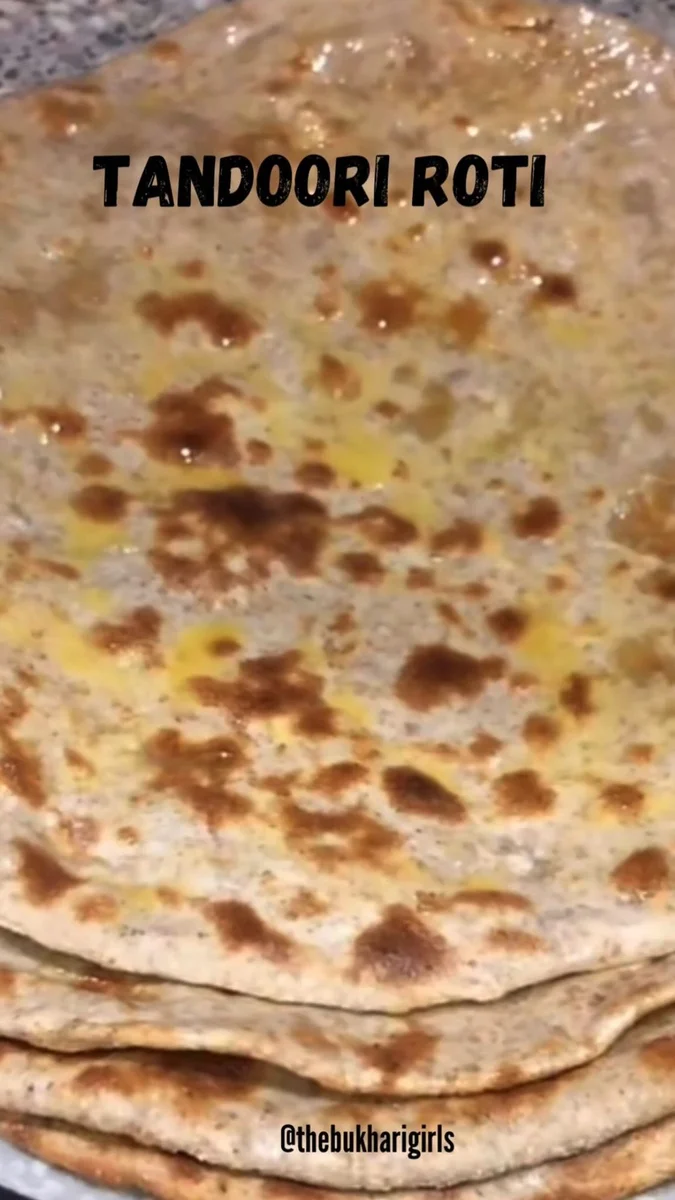
Homemade tandoori roti is a soft, whole-wheat flatbread cooked on a hot tawa or skillet. This version uses yoghurt and a little oil for a pliable dough, then cooks the bread until lightly charred.
Ingredients
- 155 g (1 1/4 cups)wholemeal flour
- 15 ml (1 tbsp)oil
- 60 g (1/4 cup)yoghurt
- as neededwater
Instructions
- 1
Mix ingredients
Put the wholemeal flour, oil and yoghurt in a bowl, leaving out the water.
- 2
Knead the dough
Add water as needed and knead until the dough is soft and pliable. You can also knead it in a food processor.
- 3
Shape the portions
Divide the dough into equal-sized balls and coat them lightly with wholemeal flour.
- 4
Roll the roti
Heat an iron tawa or skillet. Take a dough ball, flatten it lightly, dust it with wholemeal flour and roll it into a slightly thick circle.
- 5
Brush with water
Brush water over one side of the rolled dough.
- 6
Stick to the pan
Place the watered side against the hot tawa or skillet. Turn the heat up high and leave it for only a few seconds, so the dough sticks to the pan rather than releasing.
- 7
Cook over flame
With the heat high, turn the tawa upside down so the roti remains attached and the other side cooks over the flame. Adjust the flame as needed, tilting and moving the tawa.
- 8
Check the surface
Cook until the other side is done and lightly charred.
- 9
Finish cooking
Put the tawa back on the flame for another minute, adjusting the heat as needed so the first side cooks through. Remove the roti when it is done.
- 10
Cook the rest
Repeat with the remaining dough. Brush the finished rotis with butter or ghee if you like.
What is tandoori roti?
Tandoori roti is a whole-wheat flatbread associated with the tandoor, a clay oven used across parts of South and Central Asia. This home method uses a hot tawa or skillet to cook the dough and create a lightly charred surface.
Yoghurt and oil make the dough supple, while the water brushed onto one side helps it adhere to the hot pan. The recipe makes four portions from a short ingredient list.
Nutrition and macros by portion
The nutrition label shows one serving as written: 181 calories, 6g protein, 30g carbs, 5g fat.
| Portion | Adjustment | kcal | Protein | Carbs | Fat |
|---|---|---|---|---|---|
| Lighter | Skip the butter or ghee | 127 kcal | 4g | 21g | 3g |
| This serving | As written | 181 kcal | 6g | 30g | 5g |
| Hungry | Make larger rotis | 272 kcal | 8g | 44g | 7g |
Most of the carbohydrates and fibre come from the wholemeal flour; the flour also supplies most of the protein. Oil and yoghurt contribute most of the fat, with yoghurt adding a little protein as well. For a more balanced plate, serve a roti with a protein-rich curry or dal and vegetables.
The dough ingredients
Wholemeal flour: it gives the roti its earthy flavour and hearty texture. Keep some extra flour nearby for dusting while shaping.
Yoghurt and oil: both are mixed into the flour before water is added. The recipe does not specify a yoghurt type, so use plain yoghurt.
Getting a pliable dough
Water: add it gradually while kneading, stopping when the dough is soft and pliable. The amount needed can vary, so avoid pouring it all in at once.
Resting: the method does not include a rest, so proceed to dividing the dough once it is kneaded. Keep the portions covered if you are not shaping them straight away.
Rolling the roti
Even portions: divide the dough into equal-sized balls so the rotis cook at a similar rate. Coat each ball lightly with flour before flattening.
Thickness: roll each portion into a slightly thick circle, as directed. Dust the dough and work surface lightly to help prevent sticking without making the surface dry.
Attaching it to the tawa
Watered side: brush one side of the rolled dough with water, then place that side against the hot pan. The dough needs to adhere before the tawa is turned upside down.
Hot pan: the method calls for high heat and only a few seconds at this stage. Use care when handling the hot tawa, and make sure the dough is attached before turning it.
Judging when it is cooked
Charred patches: cook the second side over the flame until it is done and lightly charred, moving and tilting the tawa as needed.
Final minute: return the tawa to the flame for another minute so the first side can cook through. Adjust the flame if the roti is browning too quickly or slowly.
Serving the rotis
Butter or ghee: brush it over the cooked roti if you prefer a richer finish; it is optional in the method.
On the plate: serve the rotis alongside a curry, dal or cooked vegetables. Their mild, wheaty flavour works well with saucy dishes.
Recipe notes & tips
- Add water gradually so the dough stays soft rather than sticky.
- Use a light dusting of wholemeal flour while rolling to help the dough release.
- Brush water over only one side of each rolled roti.
- Keep the rotis slightly thick, as the method directs.
- Adjust the flame and move the tawa to help the roti cook evenly.
- Brush with butter or ghee only after cooking, if using.
Variations
- Ghee finish: brush the cooked roti with ghee for a richer flavour.
- Butter finish: use butter instead of ghee, or leave the roti plain.
- Smaller rotis: divide the dough into more portions for smaller breads.
- Larger rotis: make fewer portions for bigger breads, allowing for a longer cooking time if needed.
Common mistakes to avoid
- Adding water too quickly: the dough can become sticky; add it gradually as you knead.
- Using too much dusting flour: excess flour can dry the surface; dust lightly.
- Skipping the water coating: brush one side before placing the dough on the tawa so it can stick.
- Turning the tawa too soon: wait a few seconds for the dough to adhere before inverting it.
- Leaving the heat unchecked: adjust the flame and move the tawa as needed to avoid uneven cooking.
How to store
Store cooled rotis in an airtight container in the fridge for up to 2 days. Reheat briefly on a hot tawa or skillet until warmed through.
Frequently asked questions
Can I knead the dough in a food processor?
Yes. The method specifically allows using a food processor to knead the dough.
What can I use instead of a tawa?
Use a skillet, as the recipe suggests. The method still relies on the dough sticking to the hot cooking surface.
How much water should I add?
The recipe does not give a fixed amount. Add it gradually until the dough is soft and pliable.
How thick should I roll the dough?
Roll it into a slightly thick circle rather than a very thin one.
Can I leave off the butter or ghee?
Yes. It is an optional finish, so the rotis can be served plain.
How do I know the roti is ready?
The method calls for a cooked surface with some light charring, followed by another minute on the flame to cook the first side through.
Cook it from the original
This recipe comes from fooooods.com. Their page has the author’s own photos, notes and tips — the best place to cook it from.
Open the recipe on fooooods.com