
Chilean apple chicha
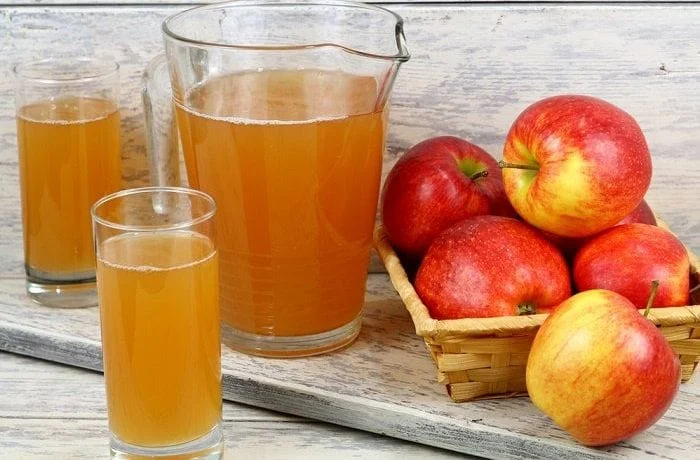
Chilean apple chicha is a rustic, naturally fermented drink made for the apple harvest in southern Chile. This homemade version needs little hands-on work, then rests for 15 days before it is strained and served cold.
Ingredients
- 25sweet country apples
- 15 litreswater
- 200 g (1 cup)sugar
Instructions
- 1
Wash the apples
Rinse the apples in cold water and remove the stems and leaves, leaving the skins on.
- 2
Extract the juice
Run the apples through a juicer. Add the sugar and stir well with a wooden spoon until it dissolves.
- 3
Store the juice
Transfer the juice to a lidded container and keep it in a dark place.
- 4
Strain and bottle
After 15 days, strain the apple chicha through a cloth strainer to remove impurities, then bottle it.
- 5
Serve it cold
Serve the apple chicha chilled, on its own or with toasted flour.
What is Chilean apple chicha?
Chicha is a traditional drink associated with the apple harvest in southern Chile. This version uses apple juice and sugar, then rests so it can ferment naturally.
It is described as more rustic than cider, making it a fitting choice when you want a homemade harvest drink rather than a polished, sparkling one.
Nutrition and macros by portion
The nutrition label shows one serving as written: 200 calories, 0g protein, 0g carbs, 0g fat.
| Portion | Adjustment | kcal | Protein | Carbs | Fat |
|---|---|---|---|---|---|
| Lighter | Serve a smaller glass | 140 kcal | 0g | 0g | 0g |
| This serving | As written | 200 kcal | 0g | 0g | 0g |
| Hungry | Larger glass | 300 kcal | 0g | 0g | 0g |
Apple juice and added sugar are the main sources of carbohydrates in this drink; fat and protein are expected to be negligible. Serve a glass alongside a meal with a source of protein and vegetables for a more balanced plate.
Choosing and preparing the apples
Sweet apples: the recipe calls for 25 sweet country apples, which provide the juice's fruit character. Use sound fruit and wash it well before juicing.
Keep the skins: the method says to remove stems and leaves but not peel the apples. Follow that instruction when preparing the fruit.
Juicing and dissolving the sugar
Juice: extract the apples in a juicer, as directed. A wooden spoon is specified for stirring in the sugar.
Dissolve: mix thoroughly until the sugar is no longer visible in the juice. The ingredient list also includes 15 litres of water, but the method does not explain when or how to add it; clarify this before starting rather than guessing.
The 15-day rest
Dark storage: transfer the juice to a lidded container and keep it out of the light for 15 days. The recipe gives no temperature or fermentation cues, so avoid assuming that a particular appearance guarantees the drink is ready.
Fermentation pressure: use a fermentation-safe container and follow its instructions, since fermentation can produce gas. Do not tightly seal an ordinary bottle during the resting stage.
Straining and serving
Cloth strainer: after the 15-day rest, strain the chicha through a clean cloth to remove impurities, then bottle it.
Serve chilled: the recipe suggests drinking it on its own or alongside toasted flour. Chill the bottle before serving.
Planning the timing
Hands-off time: most of the recipe's 15-day wait is resting time rather than active preparation. Plan ahead if you are making it for an apple-harvest gathering.
Before you begin: check that you have a juicer, a suitable lidded fermentation container, a clean cloth strainer and bottles ready for the final step.
Recipe notes & tips
- Wash the apples thoroughly before juicing, since the skins are left on.
- Remove all stems and leaves before putting the apples through the juicer.
- Stir until the sugar dissolves evenly into the juice.
- Keep the resting container in a dark place, as the method directs.
- Use clean equipment for straining and bottling.
- Confirm how the listed water is meant to be used before preparing the batch.
Variations
- Serve with toasted flour: offer it alongside the chilled chicha, as suggested in the recipe.
- Use a mix of apples: combine sweet apple varieties while keeping the total at 25.
- Adjust the sweetness: change the sugar only if you are comfortable altering the recipe's fermentation balance.
- Chill before serving: refrigerate the finished bottle for a cold drink.
- Strain carefully: pass the chicha through clean cloth for a clearer drink.
Common mistakes to avoid
- Peeling the apples: the recipe says to leave the skins on.
- Skipping the wash: rinse the fruit in cold water before juicing.
- Leaving stems or leaves: remove them before extracting the juice.
- Guessing about the water: the method does not say when to add it, so clarify this before proceeding.
- Using an unsuitable sealed container: fermentation can create gas, so choose equipment intended for fermentation.
- Bottling too early: strain and bottle after the specified 15-day rest.
How to store
The recipe gives no storage duration for the bottled chicha. Keep it refrigerated after bottling, use clean bottles and follow the guidance for your fermentation equipment; discard it if it develops an unexpected smell or appearance.
Frequently asked questions
How long does the chicha take?
The recipe specifies a 15-day rest before straining and bottling. Most of the time is hands-off.
Should I peel the apples?
No. Wash them and remove the stems and leaves, but leave the skins on.
When should I add the 15 litres of water?
The ingredient list includes 15 litres of water, but the method does not explain when or how to use it. Clarify this before making the recipe rather than adding it at an assumed stage.
Does the chicha need to be refrigerated while it rests?
The method says to store the juice in a dark place but does not give a temperature. Use a fermentation-safe container and follow its instructions.
How should I serve apple chicha?
Serve it cold, on its own or with toasted flour.
Can I use a regular airtight bottle for fermentation?
Use a container designed for fermentation instead. Fermentation can produce gas, which may build pressure in a tightly sealed ordinary bottle.
Cook it from the original
This recipe comes from cocinaencasa.cl. Their page has the author’s own photos, notes and tips — the best place to cook it from.
Open the recipe on cocinaencasa.cl