
Pumpkin Puree
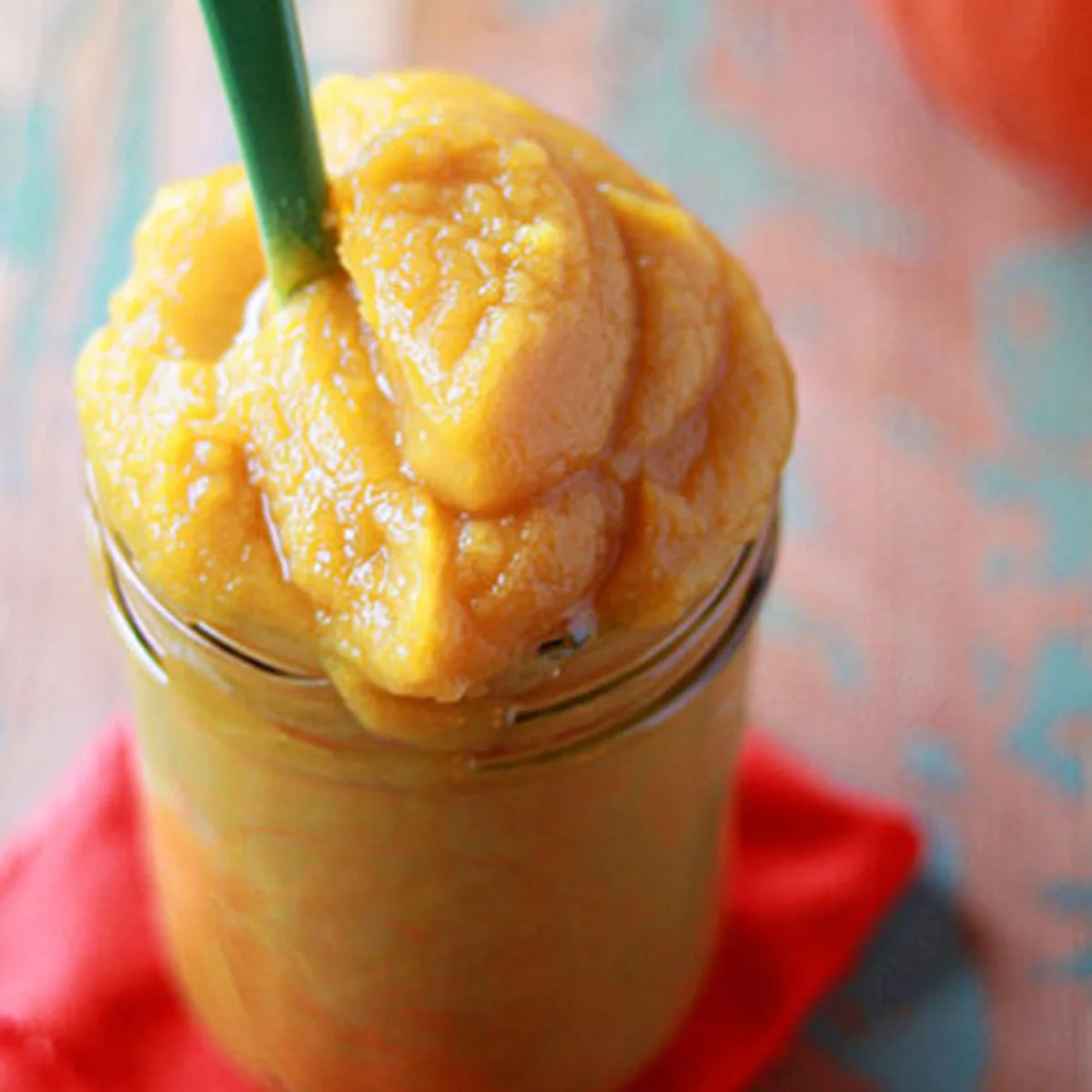
Homemade pumpkin purée is an easy way to prepare fresh pumpkin for pies and other recipes. Roasting softens the flesh and gives you a smooth purée with very little hands-on work.
Ingredients
- 1pie pumpkin (sugar pumpkin, sugar pie pumpkin, winter luxury pumpkin, etc.)
Instructions
- 1
Heat the oven
Preheat the oven to 163°C (325°F). Line one or more baking trays with foil if you like; it makes cleaning up easier.
- 2
Prepare the pumpkin
Wash off any mud or debris. Cut off the top, then halve the pumpkin and scoop out the seeds with a sturdy spoon; a few strings can remain. Put the halves cut-side down on the tray and cover them tightly with more foil.
- 3
Bake until tender
Bake for about 1 hour, until a fork pierces the pumpkin easily. Leave it to cool for about 30 minutes, or until it is comfortable to handle.
- 4
Remove the skin
Peel away the skin, or use a spoon to scrape the flesh from it if it does not come off easily. Transfer the pumpkin flesh to a food processor or blender.
- 5
Blend until smooth
Pulse or blend the cooked pumpkin until smooth. If it is too dry to blend, add water 1 teaspoon at a time until it moves easily.
- 6
Store the purée
Use the purée in recipes in place of tinned pumpkin. Keep it in an airtight container in the fridge for 3–4 days, or freeze it for several months.
What is pumpkin purée?
Pumpkin purée is cooked pumpkin flesh blended until smooth. It is used in dishes such as pumpkin pie, soups and baked goods, especially in North American cooking.
This version roasts a small, sweet pie pumpkin until tender, then blends the flesh without adding seasoning. That keeps it versatile for both sweet and savoury recipes.
Nutrition and macros by portion
The nutrition label shows one serving as written: 57 calories, 2g protein, 14g carbs, 0g fat.
| Portion | Adjustment | kcal | Protein | Carbs | Fat |
|---|---|---|---|---|---|
| Lighter | Smaller portion | 40 kcal | 1g | 10g | 0g |
| This serving | As written | 57 kcal | 2g | 14g | 0g |
| Hungry | Larger portion | 86 kcal | 3g | 21g | 0g |
The pumpkin provides most of the carbohydrates and fibre, with a small amount of protein and very little fat. Pair a serving with a protein-rich food and wholegrain bread or another filling side for a more balanced plate.
Choose the right pumpkin
Pie pumpkin: Choose a small variety sold for cooking, such as a sugar pumpkin. These tend to have flesh that is less watery and more flavourful than large carving pumpkins.
Roast for tenderness
Cut-side down: Placing the halves face-down and covering them with foil helps them soften as they bake. Keep the halves covered tightly so they cook evenly.
Doneness: Start checking around the 1-hour mark. The pumpkin is ready when a fork goes into the flesh easily; if it still feels firm, bake it a little longer.
Cool and remove the skin
Safe handling: Let the pumpkin cool for about 30 minutes before peeling or scraping it. It should be easy to hold without burning your hands.
Flexible peeling: The skin may lift off in pieces, or the flesh may be easier to scoop away with a spoon. Either approach works; transfer only the soft flesh to the blender.
Blend to the right texture
Add water slowly: Some pumpkins blend smoothly on their own, while drier flesh may need a little help. Add water a teaspoon at a time, stopping as soon as the purée moves freely and looks smooth.
Use and serve
Recipe uses: Swap this purée for tinned pumpkin in recipes that call for it. Its plain flavour makes it suitable for pies and cakes as well as savoury soups or sauces.
Pairing ideas: In a meal, serve pumpkin-based soup with bread or a source of protein. For baking, use the purée as directed by the recipe rather than adjusting other ingredients by guesswork.
Recipe notes & tips
- Use a sturdy spoon to scoop out the seeds and loose strands.
- Line the tray with foil if you want to make cleanup easier.
- Leave a few pumpkin strings behind if they are difficult to remove; they blend into the purée.
- Cool the pumpkin until easy to handle before peeling it.
- Add any water needed for blending a teaspoon at a time.
- For the smoothest result, blend until no chunks remain.
Variations
- Seasoned purée: Add seasoning only when you use the purée in a specific recipe.
- Roasted seeds: Save the scooped-out seeds to clean and roast separately.
- Thicker purée: Blend the cooked flesh without water if it moves easily on its own.
- Savoury use: Stir the plain purée into a soup or sauce and season to taste.
- Sweet use: Add the purée to a baking recipe that calls for pumpkin.
Common mistakes to avoid
- Using a carving pumpkin: Its flesh can be watery and bland; choose a cooking pumpkin instead.
- Underbaking: Firm flesh will not blend smoothly; continue baking until a fork pierces it easily.
- Handling it too soon: Hot pumpkin can be awkward to peel; let it cool for about 30 minutes.
- Adding too much water: The purée can become thin; add water a teaspoon at a time.
- Leaving large chunks: They can make the texture uneven; blend until smooth.
How to store
Keep the purée in an airtight container in the fridge for 3–4 days, or freeze it for several months. Thaw frozen purée in the fridge and stir it before using; warm it gently if a recipe calls for it hot.
Frequently asked questions
Can I use a carving pumpkin?
A pie pumpkin is the better choice because its flesh is generally suited to cooking. Carving pumpkins can produce a more watery, less flavourful purée.
How do I know when the pumpkin is cooked?
It is ready when a fork pierces the flesh easily. If it is still firm, return it to the oven and check again after a little more baking.
Do I have to add water when blending?
No. Blend the pumpkin first and add water only if the flesh is too dry to move smoothly in the processor or blender.
Can I use this instead of tinned pumpkin?
Yes. The purée can be used in recipes just like tinned pumpkin.
Can I freeze homemade pumpkin purée?
Yes. Store it in a suitable airtight container in the freezer, where it keeps for several months.
Cook it from the original
This recipe comes from goodgourds.com. Their page has the author’s own photos, notes and tips — the best place to cook it from.
Open the recipe on goodgourds.com