
Easy DIY Oat Flour Recipe (Ready in 2 Minutes)
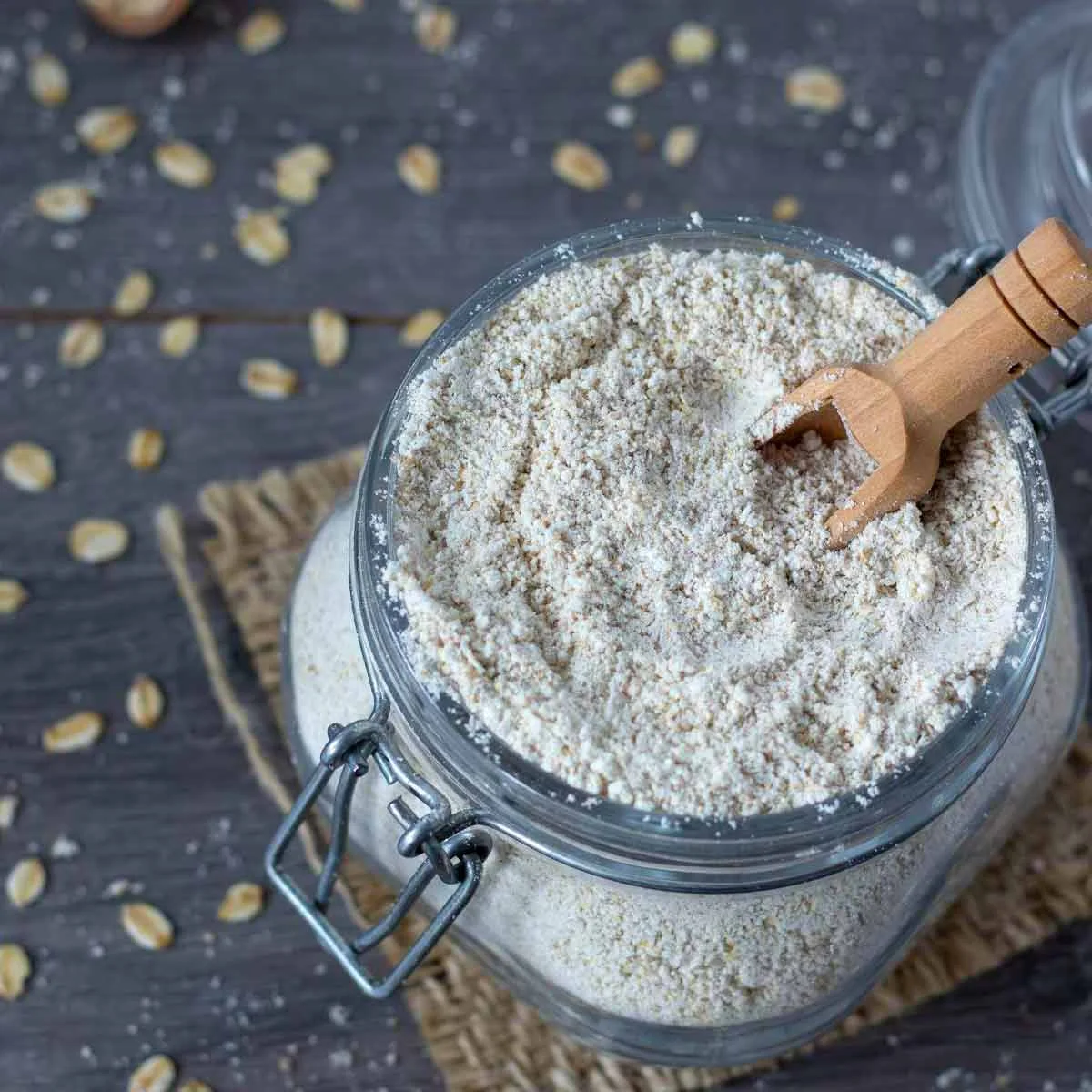
Make a fresh, fine flour from rolled oats using a blender or food processor. It takes about two minutes and gives you a simple wholegrain option for baking and cooking.
Ingredients
- 180 g (2 cups)rolled oats
Instructions
- 1
Add the oats
Put the oats into the clean, dry jug of a high-speed blender or food processor.
- 2
Blend until fine
Blend for 15 seconds to 1 minute, depending on your appliance. Stop to check the texture, then blitz a few more times if needed until the oats are fine and powder-like. Avoid blending for too long, as the flour can become clumpy.
What is oat flour?
Oat flour is simply oats ground into a fine powder. Oats have long been used in porridge and baking, and this homemade version offers a straightforward way to turn rolled oats into flour for recipes.
Rolled oats: Their even, flat shape makes them easy to grind. This version keeps the ingredient list to one item and relies on a short burst of blending rather than any cooking.
Nutrition and macros by portion
The nutrition label shows one serving as written: 77 calories, 3g protein, 14g carbs, 1g fat.
| Portion | Adjustment | kcal | Protein | Carbs | Fat |
|---|---|---|---|---|---|
| Lighter | Use a smaller amount | 54 kcal | 2g | 10g | 1g |
| This serving | As written | 77 kcal | 3g | 14g | 1g |
| Hungry | Make a larger batch | 116 kcal | 5g | 21g | 2g |
Most of the energy and carbohydrates come from the oats, which also provide the protein and a small amount of fat. Use the flour in a meal alongside a protein-rich food and fruit or vegetables for a more balanced plate.
Choosing the oats
Rolled oats: Use plain, unflavoured oats so the flour works in both sweet and savoury recipes. Check the packet if you need the finished flour to be gluten-free, as oats can be affected by processing and handling.
Getting the right texture
Fine flour: A high-speed blender or food processor breaks the flakes down quickly. Stop and inspect the flour before blending further; a few short bursts are often enough to finish the job.
Dry equipment: A clean, completely dry jug helps the oats move freely and keeps moisture from making the flour clump.
Avoiding clumps
Short bursts: The method can take anywhere from 15 seconds to 1 minute, depending on your appliance. Blend only until the oats look powder-like, since excessive processing can make the flour clumpy.
Using oat flour
Baking: Use it in recipes that call for oat flour, or try it in place of some of the flour in a recipe. Oat flour behaves differently from wheat flour, so results may vary when swapping it into a recipe without adjustments.
Cooking: It can also be stirred into suitable mixtures as a thickener. Follow the proportions and method of the dish you are making.
Serving ideas
Pairings: This is a pantry ingredient rather than a finished dish, so use it in pancakes, muffins or other recipes that suit oat flour. For a balanced meal, pair a baked item made with it with a protein-rich food and some fruit.
Recipe notes & tips
- Start with a clean, dry blender jug or food processor bowl.
- Use plain rolled oats rather than flavoured or sweetened oats.
- Pause to check the texture before adding more blending time.
- Use short bursts near the end to avoid processing the oats for too long.
- Grind only the quantity you need if you prefer freshly made flour.
Variations
- Quick oats: Use plain quick oats and check the texture early, as they may grind quickly.
- Cinnamon: Add a little cinnamon after grinding when making flour for a sweet recipe.
- Savoury seasoning: Stir dried herbs into the flour after blending for a savoury coating or mixture.
- Small batches: Grind less oats at a time if your appliance struggles to process the full quantity evenly.
Common mistakes to avoid
- Damp jug: Moisture can encourage clumping; dry the jug thoroughly before adding the oats.
- Over-blending: Processing for too long can make the flour clumpy; stop when it is fine and powder-like.
- Skipping the texture check: Ovens and blenders vary; pause during blending and inspect the flour.
- Assuming every swap is exact: Oat flour can behave differently from wheat flour; use a recipe designed for it or replace only part of the flour.
How to store
Store the flour in an airtight container in a cool, dry cupboard and use it within a few weeks for the best quality. Discard it if it develops an unusual smell or shows signs of moisture.
Frequently asked questions
Can I make oat flour in a food processor?
Yes. The method works with a food processor as well as a high-speed blender; blend and check the texture until the oats are fine.
How long should I blend the oats?
Allow 15 seconds to 1 minute, depending on your appliance. Stop to check, then use a few short bursts if the flour is still coarse.
Can I use oat flour instead of plain flour?
It can work in some recipes, but it does not behave exactly like wheat flour. Choose a recipe written for oat flour or start by replacing only some of the flour.
Are oats naturally gluten-free?
Oats themselves do not contain wheat, but they may be exposed to gluten during processing or handling. Check the packaging for a gluten-free label if that matters for your recipe.
Why has my oat flour become clumpy?
It may have been blended for too long or exposed to moisture. Use a dry jug and stop once the oats reach a powder-like consistency.
Cook it from the original
This recipe comes from goeatgreen.com. Their page has the author’s own photos, notes and tips — the best place to cook it from.
Open the recipe on goeatgreen.com