
Creamy Mashed Potatoes
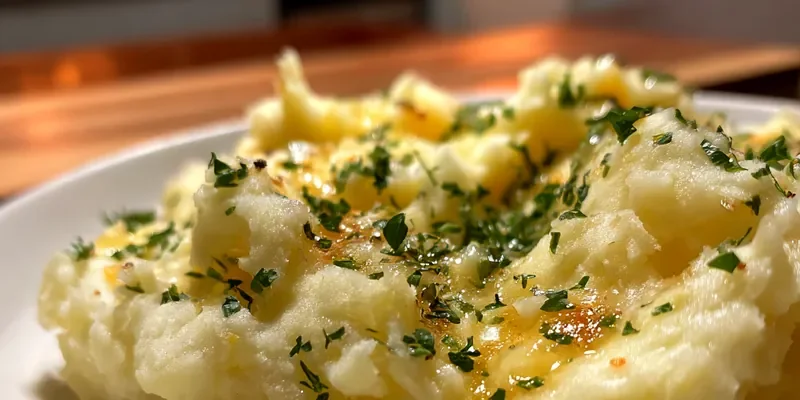
These creamy mashed potatoes combine fluffy russets with butter, milk and sour cream for a rich, comforting side. They suit a holiday spread just as well as an everyday dinner, and the optional chives add a fresh finish.
Ingredients
- 907 g (2 pounds)russet potatoes, peeled and quartered
- 113 g (1/2 cup)unsalted butter, softened
- 240 ml (1 cup)whole milk
- 120 g (1/2 cup)sour cream
- 2 clovesgarlic, minced
- to tastesalt
- to tasteblack pepper
- 3 g (1 tablespoon)fresh chives, chopped (optional)
- 60 g (1/4 cup)cream cheese (optional)
- 1.25 ml (1/4 teaspoon)nutmeg (optional)
Instructions
- 1
Boil the potatoes
Put the peeled, quartered potatoes in a large pot and cover them with cold water by about 2.5 cm (1 inch). Add a generous pinch of salt and bring to the boil over high heat.
- 2
Cook until tender
Once the water boils, lower the heat to medium and simmer the potatoes for about 15–20 minutes, until they are tender when pierced with a fork. Drain them and return them to the pot.
- 3
Mash the potatoes
Mash the potatoes with a masher or ricer until smooth. For a creamier texture, use a hand mixer on low speed to blend them further.
- 4
Add butter and milk
Add the softened butter to the warm potatoes and let it melt. Gradually pour in the milk, mashing or mixing as you go until it is incorporated.
- 5
Stir in sour cream
Mix in the sour cream and minced garlic. Taste the potatoes and season with salt and black pepper to your liking.
- 6
Finish the mixture
If using, add the cream cheese for extra creaminess and the nutmeg for flavour. Mix until everything is smooth and well combined.
- 7
Serve while warm
Transfer the mashed potatoes to a serving bowl. Garnish with chopped chives, if using, and serve warm.
What are creamy mashed potatoes?
Mashed potatoes are a familiar American-style side: cooked potatoes are crushed and enriched with dairy until soft and spoonable. This version layers butter, milk and sour cream for a rich texture, with garlic for savoury flavour.
Russet potatoes are a useful choice because their starchy flesh mashes into a fluffy base. The optional cream cheese makes the result richer, while chives bring a fresh, mild onion note.
Nutrition and macros by portion
The nutrition label shows one serving as written: 380 calories, 28g protein, 35g carbs, 14g fat.
| Portion | Adjustment | kcal | Protein | Carbs | Fat |
|---|---|---|---|---|---|
| Lighter | Use less butter | 266 kcal | 20g | 25g | 10g |
| This serving | As written | 380 kcal | 28g | 35g | 14g |
| Hungry | Serve a larger portion | 570 kcal | 42g | 53g | 21g |
The potatoes provide most of the carbohydrates, while butter, milk and sour cream contribute much of the fat; the dairy also supplies some protein. The supplied nutrition figures list 380 kcal, 28 g protein, 35 g carbohydrate and 14 g fat per serving. Pair a portion with a green vegetable and a protein-rich main for a more balanced plate.
Choosing and preparing the potatoes
Russets: peel and quarter them into similarly sized pieces so they cook at a similar rate. Starting them in cold water helps the pieces heat through evenly as the pot comes to the boil.
Water: cover the potatoes by about 2.5 cm (1 inch), then salt it generously. Drain thoroughly once they are tender so excess water does not dilute the dairy.
Getting the texture right
Mashing: a potato masher leaves a little more texture, while a ricer produces a finer result. If you use a hand mixer, keep it on low and stop once the potatoes are smooth; prolonged mixing can make them gluey.
Dairy: add the butter while the potatoes are warm, then pour in the milk gradually. This gives you more control over how soft and creamy the mash becomes.
Balancing the flavour
Sour cream: its tang keeps the buttery mash from tasting too rich. Stir it in with the garlic, then taste before adding more salt or pepper.
Optional additions: cream cheese adds further richness, while a small amount of nutmeg gives gentle warmth. Chives are best added at the end so their flavour stays fresh.
Checking doneness and timing
Fork test: the potatoes are ready when a fork slides into a piece easily. The recipe gives a simmering time of about 15–20 minutes after the water reaches a boil.
Serving: the finished mash is best served warm. Have the butter and other additions ready before draining, so the potatoes do not sit and cool while you prepare them.
What to serve alongside
With a main: serve the potatoes beside roast chicken, meatloaf or a vegetarian main such as lentil loaf. Their creamy texture also works well with gravy or a savoury pan sauce.
For balance: add a green vegetable, such as green beans or broccoli, and a source of protein to round out the plate.
Recipe notes & tips
- Cut the potatoes into similarly sized pieces so they become tender at roughly the same time.
- Drain the potatoes well before returning them to the pot.
- Add the milk gradually so you can stop when the mash reaches your preferred consistency.
- Taste after stirring in the sour cream and garlic, then adjust the salt and pepper.
- Use a masher or ricer for the smoothest texture without overworking the potatoes.
- Add the chives just before serving for a fresh-looking garnish.
Variations
- Add cream cheese: stir in the optional amount for a richer, silkier mash.
- Use chives: scatter the chopped herbs over the bowl just before serving.
- Add nutmeg: mix in the optional pinch for gentle warmth.
- Adjust the garlic: use less minced garlic for a milder flavour.
- Keep it rustic: use a potato masher and leave a few small pieces for more texture.
Common mistakes to avoid
- Uneven pieces: cut the potatoes to a similar size so smaller pieces do not overcook while larger ones remain firm.
- Under-seasoned water: add a generous pinch of salt before bringing the pot to the boil.
- Watery mash: drain the potatoes thoroughly before adding the butter and milk.
- Adding all the milk at once: pour it in gradually so the mash does not become too loose.
- Overmixing: use a hand mixer on low and stop as soon as the potatoes are smooth to avoid a gluey texture.
- Skipping the final taste: season with salt and black pepper after mixing in the sour cream and garlic.
How to store
Refrigerate leftovers in a covered container for up to 3 days. Reheat gently in a saucepan over low heat or in the microwave, stirring occasionally; add a splash of milk if the mash has thickened.
Frequently asked questions
Can I make these mashed potatoes ahead?
They are best served warm just after making, but you can prepare them ahead and refrigerate them for up to 3 days. Reheat gently and stir in a little milk if needed to loosen the texture.
How can I tell when the potatoes are cooked?
Pierce a piece with a fork: it should slide in easily and the potato should be tender throughout. The recipe estimates 15–20 minutes of simmering after the water boils.
Can I use a hand mixer?
Yes. Use it on low speed and blend only until smooth, since extended mixing can make mashed potatoes gluey.
Can I leave out the cream cheese?
Yes. It is optional, so you can omit it and make the potatoes with the butter, milk and sour cream.
When should I add the chives?
Chop them and scatter them over the potatoes just before serving. They are optional and are used as a garnish.
Can I use another type of potato?
The recipe specifies russet potatoes, which give a fluffy mash. Other potatoes may produce a different texture, so check tenderness with a fork and adjust the milk gradually.
Cook it from the original
This recipe comes from catherinerecipes.com. Their page has the author’s own photos, notes and tips — the best place to cook it from.
Open the recipe on catherinerecipes.com