
To Die for Buttermilk Pound Cake: Golden and Velvety
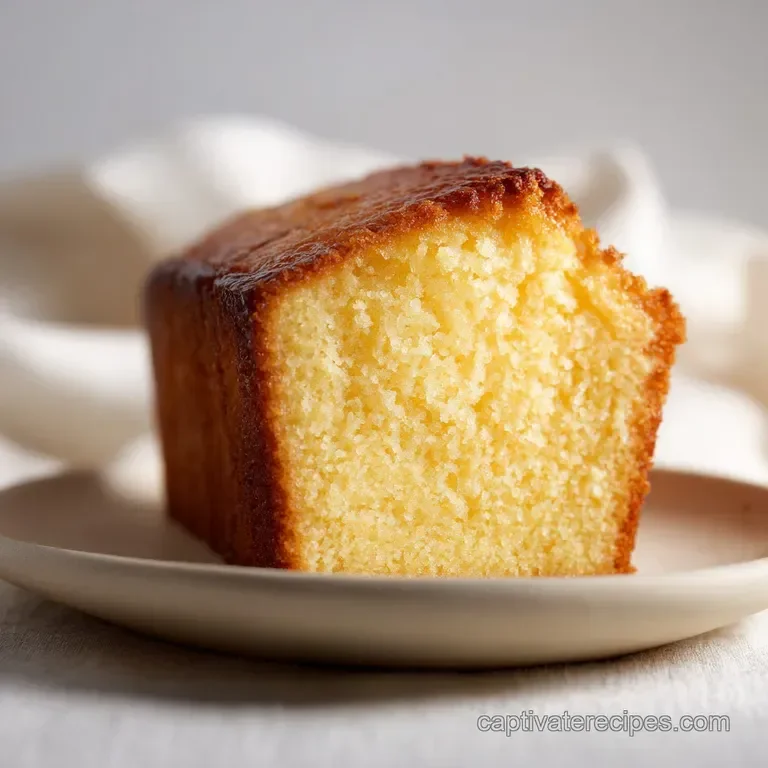
This American buttermilk pound cake is rich, tender and gently flavoured with vanilla and lemon. Its buttery crumb and golden crust make it a lovely choice for sharing with coffee or serving as a simple dessert.
Ingredients
- 375 g (3 cups)plain flour
- 3 g (½ tsp)baking powder
- 3 g (½ tsp)salt
- 225 g (1 cup)unsalted butter, softened
- 600 g (3 cups)granulated sugar
- 6large eggs, at room temperature
- 240 ml (1 cup)full-fat buttermilk, at room temperature
- 10 ml (2 tsp)vanilla extract
- 6 g (1 tbsp)lemon zest
- 15 ml (1 tbsp)lemon juice
Instructions
- 1
Prepare the oven
Heat the oven to 163°C (325°F). Grease a 10-cup Bundt tin or a 23 × 13 cm (9 × 5 inch) loaf tin with butter and flour, or use baking spray.
- 2
Sift dry ingredients
Sift the flour, baking powder and salt together in a medium bowl, then set aside.
- 3
Cream butter and sugar
Beat the softened butter and granulated sugar at medium-high speed for 3–5 minutes, until pale and fluffy.
- 4
Add the eggs
Beat in the eggs one at a time, mixing well after each addition to keep the batter smooth.
- 5
Alternate wet and dry
Turn the mixer to low. Add one-third of the flour mixture, then half the buttermilk mixed with the vanilla, lemon zest and lemon juice. Repeat, finishing with the last third of the flour mixture. Mix only until no streaks remain.
- 6
Fill the tin
Pour the batter into the prepared tin and smooth the top with a spatula.
- 7
Bake until done
Bake for 80–90 minutes, until the cake pulls away from the sides and a skewer inserted in the centre comes out clean.
- 8
Cool the cake
Leave the cake in the tin for 10–15 minutes, then turn it out onto a wire rack and let it cool completely.
What is buttermilk pound cake?
Pound cake is a classic American-style cake known for its buttery richness and close, tender crumb. This version uses buttermilk for a soft texture, with vanilla and lemon adding a fresh, fragrant note.
The method builds plenty of air into the butter and sugar before the eggs and flour go in. Folding in the dry and wet ingredients in stages helps keep the batter cohesive and the finished cake velvety.
Nutrition and macros by portion
The nutrition label shows one serving as written: 368 calories, 5g protein, 56g carbs, 13g fat.
| Portion | Adjustment | kcal | Protein | Carbs | Fat |
|---|---|---|---|---|---|
| Lighter | Serve a smaller slice | 258 kcal | 4g | 39g | 9g |
| This serving | As written | 368 kcal | 5g | 56g | 13g |
| Hungry | Add a larger slice | 552 kcal | 8g | 83g | 20g |
The flour and sugar provide most of the carbohydrates, while the butter and eggs contribute much of the fat; eggs also provide protein. Pair a slice with fresh fruit or yoghurt for a simple, more balanced plate.
Choose and prepare the ingredients
Room-temperature ingredients: Let the butter, eggs and buttermilk lose their chill before mixing. They combine more readily, which helps the batter stay smooth.
Lemon and vanilla: Zest the lemon before juicing it, and measure both carefully. Together with the vanilla, they give the rich cake a bright, rounded flavour.
Build a light batter
Creaming: Beat the butter and sugar for the full 3–5 minutes, scraping the bowl if needed. The mixture should look pale and fluffy before you add the eggs.
Eggs: Add them individually and beat well after each one. Adding them gradually helps maintain a smooth emulsion rather than a curdled-looking mixture.
Mix in stages
Alternating additions: Keep the mixer on low and add the flour mixture and buttermilk mixture in the stated sequence. Begin and finish with flour, and pause as soon as the last streaks disappear.
Gentle finish: Overmixing after the flour is added can make the crumb less tender. Use a spatula to check the bottom of the bowl for any dry pockets.
Check the bake
Timing: Begin checking towards the end of the 80–90 minute baking window, since ovens and tins can differ. The cake should pull away from the tin's sides.
Doneness: Insert a skewer into the centre; it should come out clean. If wet batter clings to it, continue baking and check again.
Turn out and serve
Cooling: Rest the cake in its tin for 10–15 minutes before turning it out. This gives it a little time to settle while it is still warm enough to release.
Serving: Let it cool completely on a wire rack before slicing. Serve plain, or pair a slice with fresh berries or a spoonful of yoghurt.
Recipe notes & tips
- Grease every groove of a Bundt tin so the cake can release cleanly.
- Use a large bowl to give the butter and sugar room to aerate as they are beaten.
- Measure the flour accurately rather than packing it into the measuring cup.
- Keep the mixer on low once you begin adding flour.
- Use a skewer in the centre to check doneness, not just the cake's colour.
- Wait until the cake has cooled completely before cutting neat slices.
Variations
- Extra lemon: Add a little more lemon zest for a brighter citrus note.
- Almond: Replace some of the vanilla with almond extract for a different aroma.
- Berry side: Serve each slice with fresh berries for a fruity contrast.
- Simple glaze: Drizzle cooled slices with a thin lemon glaze for extra sweetness.
- Loaf tin: Bake the batter in the stated loaf tin instead of a Bundt tin, checking for doneness within the recipe's baking window.
Common mistakes to avoid
- Cold ingredients: Let the butter, eggs and buttermilk come to room temperature before mixing.
- Short creaming: Beat the butter and sugar for 3–5 minutes until pale and fluffy.
- Adding eggs all at once: Beat them in individually, mixing well after each addition.
- Overmixing: Stop as soon as the flour streaks disappear to help keep the crumb tender.
- Turning out too soon: Rest the cake in the tin for 10–15 minutes before inverting it.
- Guessing doneness: Check the centre with a skewer and bake longer if wet batter remains.
How to store
Once completely cool, store the cake in an airtight container at room temperature for up to 3 days. Reheat a slice briefly in the microwave if you prefer it warm.
Frequently asked questions
Can I use a Bundt tin or a loaf tin?
Either works for this recipe: use a 10-cup Bundt tin or a 23 × 13 cm (9 × 5 inch) loaf tin. Grease the tin thoroughly before adding the batter.
How do I know when the cake is ready?
Look for a cake that has begun to pull away from the sides, then test the centre with a skewer. It is ready when the skewer comes out clean.
Why should the ingredients be at room temperature?
Room-temperature butter, eggs and buttermilk are easier to combine into a smooth batter. This helps the butter-and-sugar mixture stay well blended as the eggs are added.
Can I make the cake ahead?
Yes. Bake it in advance and let it cool completely before storing it in an airtight container at room temperature.
Can I freeze this cake?
Yes. Wrap the completely cooled cake well and freeze it. Thaw it before serving.
What can I serve with it?
It is good on its own with coffee or tea. Fresh berries or yoghurt make a pleasant accompaniment.
Cook it from the original
This recipe comes from captivaterecipes.com. Their page has the author’s own photos, notes and tips — the best place to cook it from.
Open the recipe on captivaterecipes.com