
Homemade Cream Of Celery Soup
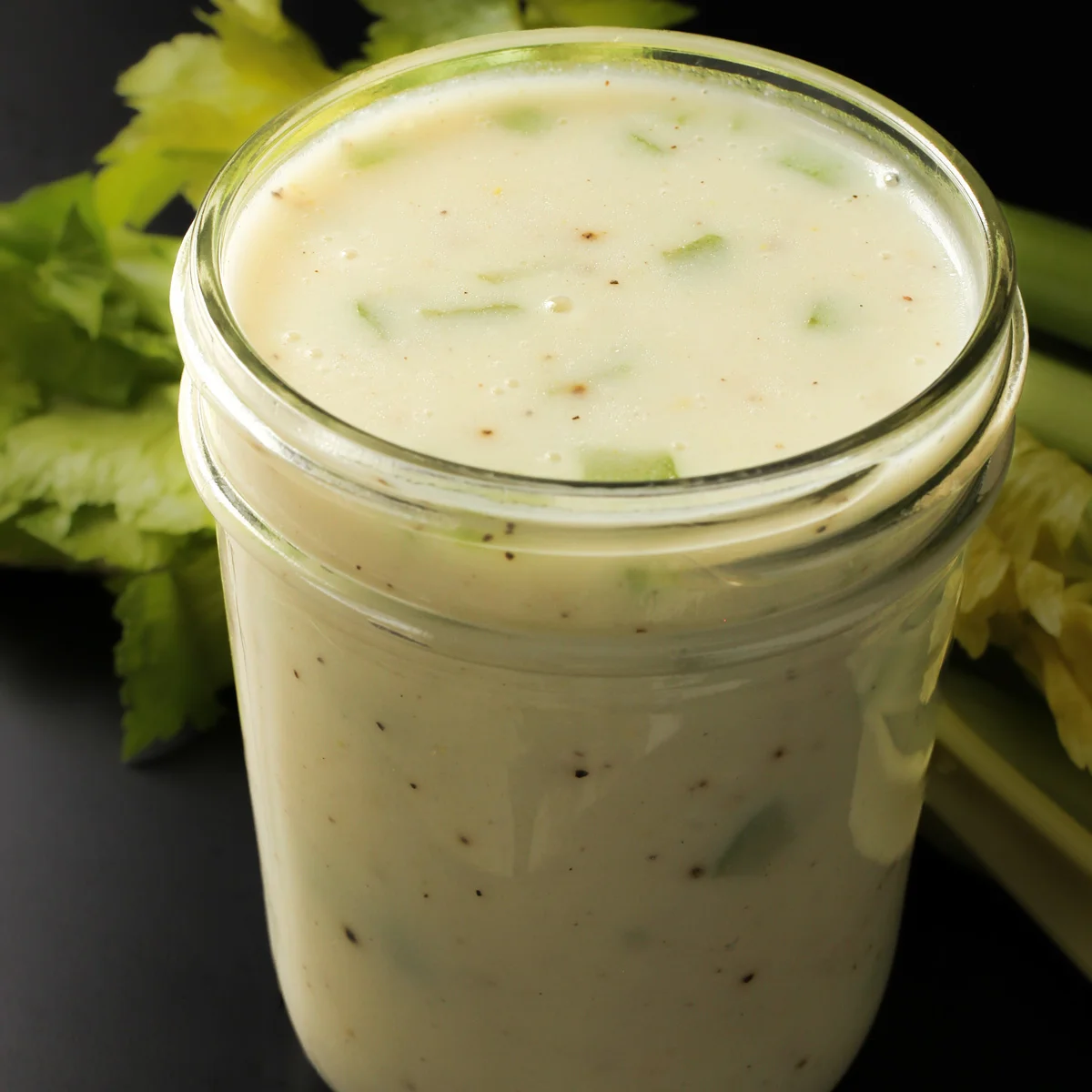
This quick American-style cream of celery soup makes a smooth, savoury base for casseroles and other recipes. A simple butter-and-flour roux thickens the broth and milk, while celery and Parmesan bring flavour.
Ingredients
- 57 g (1/4 cup)butter
- 30 g (1/4 cup)unbleached plain flour
- 355 ml (1 1/2 cups)vegetable stock or chicken stock
- 120 ml (1/2 cup)milk
- 1 rib, chopped (about 60 ml or 1/4 cup)celery
- 10 g (2 tbsp)shredded Parmesan
- 1/2 tspsalt
- 1/4 tspblack pepper
Instructions
- 1
Make the roux
Melt the butter in a saucepan over a medium heat. Stir in the flour and cook until the mixture bubbles.
- 2
Add the liquids
Whisk in the chicken stock and milk until smooth. Add the celery and cook, stirring constantly, for about 10 to 15 minutes, until the mixture thickens to a sauce-like consistency.
- 3
Season the soup
Stir in the Parmesan, salt and pepper. Taste and adjust the seasoning.
- 4
Use or freeze
Use the soup in your recipe, or let it cool completely before transferring it to an airtight container and freezing until needed.
What is cream of celery soup?
Cream of celery soup is a smooth, savoury soup that is often used as a cooking ingredient, particularly in American casseroles. This homemade version follows the same practical idea as the familiar canned soup, but starts with butter, flour, stock and milk.
The roux thickens the liquid, while chopped celery and Parmesan add flavour. It is designed to be used as a recipe component rather than served as a full bowl of soup.
Nutrition and macros by portion
The nutrition label shows one serving as written: 386 calories, 10g protein, 22g carbs, 29g fat.
| Portion | Adjustment | kcal | Protein | Carbs | Fat |
|---|---|---|---|---|---|
| Lighter | Use less butter | 270 kcal | 7g | 15g | 20g |
| This serving | As written | 386 kcal | 10g | 22g | 29g |
| Hungry | Make a double batch | 579 kcal | 15g | 33g | 44g |
The flour supplies most of the carbohydrates, while butter contributes much of the fat; milk and Parmesan provide some protein, alongside a smaller contribution from the stock. For a balanced plate, use this as a casserole base and serve the finished dish with vegetables and a protein-rich side.
Build the roux
Butter and flour: cook them together until the mixture bubbles before adding liquid. This gives the flour a chance to blend with the butter and helps form a smooth base.
Steady whisking: add the stock and milk while whisking so the roux incorporates evenly. Keep stirring as the soup thickens.
Choose your stock
Vegetable stock: use it for a meat-free version, checking the label if that matters for your meal.
Chicken stock: this is the alternative specified in the recipe and gives the soup a savoury base. The method refers to chicken stock; either listed stock can be used.
Get the texture right
Celery pieces: chop the rib so the pieces are small and evenly sized. The soup is ready when the liquid has thickened to a sauce consistency.
Gentle attention: stir constantly during the 10 to 15 minutes of simmering so the mixture cooks evenly and does not catch on the bottom of the pan.
Season at the end
Parmesan: stir it in with the salt and pepper once the soup has thickened. Its savoury taste complements the mild celery.
Final taste: stock and Parmesan can both contribute saltiness, so taste before making any seasoning adjustment.
Ways to use it
Casseroles: use the soup as a creamy base in a casserole recipe, as intended. Its thick consistency helps it blend with other ingredients.
On the side: if serving it as soup, pair it with bread or a simple salad to make a more complete meal.
Recipe notes & tips
- Chop the celery before starting so it is ready to add once the liquids are smooth.
- Whisk the stock and milk in gradually to help the roux blend evenly.
- Keep stirring throughout the thickening stage to prevent the mixture catching on the pan.
- Use the sauce-like consistency as your cue rather than stopping before the full cooking time.
- Taste before adding more salt, especially if your stock or Parmesan is already salty.
- Cool the soup completely before putting it in an airtight container for the freezer.
Variations
- Use vegetable stock: choose it instead of chicken stock for a meat-free base.
- Use chicken stock: swap it for the vegetable stock for a more savoury flavour.
- Adjust the pepper: add a little more black pepper after tasting if you prefer extra warmth.
- Make it cheesier: increase the Parmesan slightly for a stronger savoury note.
- Serve as soup: thin it with a little extra milk or stock if you want a less sauce-like consistency.
Common mistakes to avoid
- Lumpy roux: whisk the stock and milk in gradually until smooth.
- Flour not cooked: wait until the butter-and-flour mixture bubbles before adding the liquids.
- Skipping the stirring: stir constantly as the soup thickens to stop it catching on the pan.
- Uneven celery pieces: chop the celery into small, similar-sized pieces so they cook evenly.
- Over-seasoning early: taste after adding the Parmesan, then adjust the salt and pepper.
How to store
Cool the soup completely, then store it in an airtight, freezer-safe container. Freeze until needed and thaw in the fridge before reheating gently, stirring until hot and smooth.
Frequently asked questions
Can I use vegetable stock instead of chicken stock?
Yes. The ingredients list either vegetable broth or chicken stock, so use whichever suits your recipe.
How do I know when the soup is thick enough?
After about 10 to 15 minutes of cooking and constant stirring, it should have a sauce-like consistency.
Can I use this in a casserole?
Yes. The recipe is intended as a homemade cream of celery soup to use in another recipe, including a casserole.
Can I make it ahead?
Yes. Cool it completely, transfer it to an airtight container and freeze it until you are ready to use it.
Can I serve it as a bowl of soup?
You can, though it is designed to be thick enough for cooking. Thin it with a little extra milk or stock if you prefer a looser soup.
Cook it from the original
This recipe comes from goodcheapeats.com. Their page has the author’s own photos, notes and tips — the best place to cook it from.
Open the recipe on goodcheapeats.com