
mochi donuts
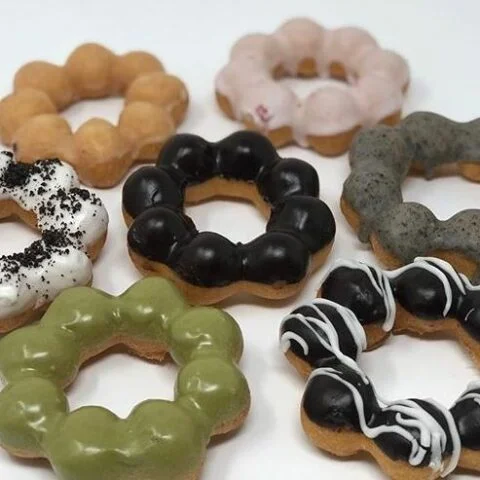
These mochi doughnut holes are fried until golden, with a soft, chewy centre and a light dusting of icing sugar. They make a fun treat when you want doughnuts with a pleasantly springy texture.
Ingredients
- 40 gmochi sweet rice flour, for the starter dough
- 37 mlmilk or milk alternative, for the starter dough
- 280 gmochi sweet rice flour
- 120 mlmilk or milk alternative
- 42 gsoftened butter
- 38 gsugar
- 1 teaspoonbaking powder
- 1 largeegg
- 8 gicing sugar, for topping
- as neededcanola oil, for frying
Instructions
- 1
Make the starter
Mix the 40 g mochi sweet rice flour and 37 ml milk in a bowl. Heat in the microwave in 25–30-second intervals, or in a small pan on the hob, until the dough feels firm and slightly springy. Leave it to cool for about 5 minutes.
- 2
Mix the dough
Combine the starter with the remaining 280 g flour, 120 ml milk, butter, sugar, baking powder and egg. Mix on low in a stand mixer or knead with clean hands until sticky and slightly wet. If needed, add 1–2 extra teaspoons of milk to reduce the stickiness.
- 3
Shape the dough
Shape the dough into round pieces about 2.5 cm (1 inch) in diameter.
- 4
Heat the oil
Heat canola oil in a pan to 175°C (350°F).
- 5
Fry until golden
Fry the doughnut holes, turning them as they cook, until they float and are golden brown.
- 6
Drain the doughnuts
Transfer the doughnut holes to a plate lined with kitchen paper to absorb excess oil.
- 7
Dust and serve
Dust with icing sugar and enjoy.
What are mochi doughnuts?
Mochi doughnuts are doughnuts made with glutinous sweet rice flour, which gives them a chewy, elastic texture rather than the crumb of a conventional wheat doughnut. They are associated with Japanese-inspired doughnut styles, though recipes and shapes vary.
This version is made as small round doughnut holes instead of a ring. A cooked flour-and-milk starter helps build the characteristic springy bite.
Nutrition and macros by portion
The nutrition label shows one serving as written: 630 calories, 8g protein, 89g carbs, 26g fat.
| Portion | Adjustment | kcal | Protein | Carbs | Fat |
|---|---|---|---|---|---|
| Lighter | Smaller doughnut holes | 441 kcal | 6g | 62g | 18g |
| This serving | As written | 630 kcal | 8g | 89g | 26g |
| Hungry | Larger portion | 945 kcal | 12g | 134g | 39g |
Most of the carbohydrates come from the sweet rice flour and sugar, while butter and frying oil contribute much of the fat. The egg and milk provide some protein, though these are still a sweet treat rather than a protein-rich meal. Balance the plate with fresh fruit or serve a smaller portion alongside an unsweetened drink.
Why use a starter?
Starter dough: heating some of the flour with milk firms it into a cohesive, slightly bouncy paste. Let it cool for about 5 minutes before mixing it into the rest of the dough.
Main dough: the remaining flour, milk, butter, sugar, baking powder and egg make a sticky mixture. Its tacky feel is expected, so avoid adding extra flour.
Getting the dough consistency right
Sticky dough: mochi flour dough is naturally tackier than many doughnut doughs. If it is difficult to work with, the recipe suggests adding 1–2 teaspoons of milk to reduce the stickiness.
Even pieces: shape the dough into rounds of about 2.5 cm so they cook at a similar rate. Keep the pieces roughly the same size rather than making some much larger.
Frying and doneness
Oil temperature: bring the canola oil to 175°C before frying. Keeping the oil at the stated temperature helps the doughnuts cook through while browning.
Doneness cues: turn the pieces as they fry and look for them to float and become golden brown. Drain them on kitchen paper once cooked.
Serving ideas
Finishing: dust the doughnut holes with icing sugar after draining. Serve them while fresh for the most appealing contrast between the delicate coating and chewy centre.
Alongside: pair them with unsweetened tea or coffee to balance the sweetness, or offer fruit for a lighter accompaniment.
Flavour and texture
Sweetness: the dough contains a modest amount of sugar and gets a final dusting of icing sugar. The result is gently sweet rather than heavily glazed.
Chew: sweet rice flour is the defining ingredient for the springy texture. Ordinary rice flour is not the same ingredient and will not give the same result.
Recipe notes & tips
- Let the starter cool for about 5 minutes before combining it with the other ingredients.
- Use clean hands or a stand mixer on low to bring the sticky dough together.
- Shape the pieces to about 2.5 cm so they fry at a similar pace.
- Use a thermometer to check that the oil reaches 175°C.
- Turn the doughnut holes as they fry so they brown on all sides.
- Dust with icing sugar after draining for a cleaner finish.
Variations
- Cinnamon sugar: toss the drained doughnut holes in a little cinnamon sugar instead of icing sugar.
- Cocoa dusting: sift cocoa powder over the cooked doughnuts for a less sweet finish.
- Citrus sugar: mix finely grated lemon zest into the icing sugar before dusting.
- Chocolate dip: serve the doughnut holes with melted chocolate for dipping.
- Flavoured coating: replace the plain icing sugar with a flavoured sugar of your choice.
Common mistakes to avoid
- Using ordinary rice flour: it will not give the same chewy texture; use mochi sweet rice flour.
- Skipping the starter cooling time: let it stand for about 5 minutes so it is not piping hot when mixed in.
- Adding lots of extra flour: the dough is meant to be sticky; follow the recipe's small 1–2 teaspoon milk adjustment if needed.
- Uneven shaping: make the pieces close to 2.5 cm so they cook evenly.
- Frying before the oil is hot: wait until it reaches 175°C to give the doughnuts a chance to brown properly.
- Leaving out the turning: rotate the pieces during frying so they colour on all sides.
How to store
For the best chewy texture, eat the doughnut holes soon after frying. If needed, keep leftovers in an airtight container at room temperature and warm them briefly before serving; they may lose some of their original crispness and chew.
Frequently asked questions
Can I use a milk alternative?
Yes. The recipe allows milk or a milk alternative in both the starter and the main dough.
Can I make the dough without a stand mixer?
Yes. Mix and knead it by hand with clean hands until it is sticky and slightly wet.
How big should I make each doughnut hole?
Shape each one to about 2.5 cm (1 inch) in diameter.
How do I know when the doughnut holes are done?
They should float and turn golden brown as you fry and rotate them.
Can I use regular rice flour?
Use mochi sweet rice flour for the chewy texture intended in this recipe; regular rice flour is different.
Can I prepare them in advance?
They are best freshly fried. You can make them ahead, but storing and reheating may soften their exterior and change the texture.
Cook it from the original
This recipe comes from gluttodigest.com. Their page has the author’s own photos, notes and tips — the best place to cook it from.
Open the recipe on gluttodigest.com