
Eggless Coconut Loaf Cake
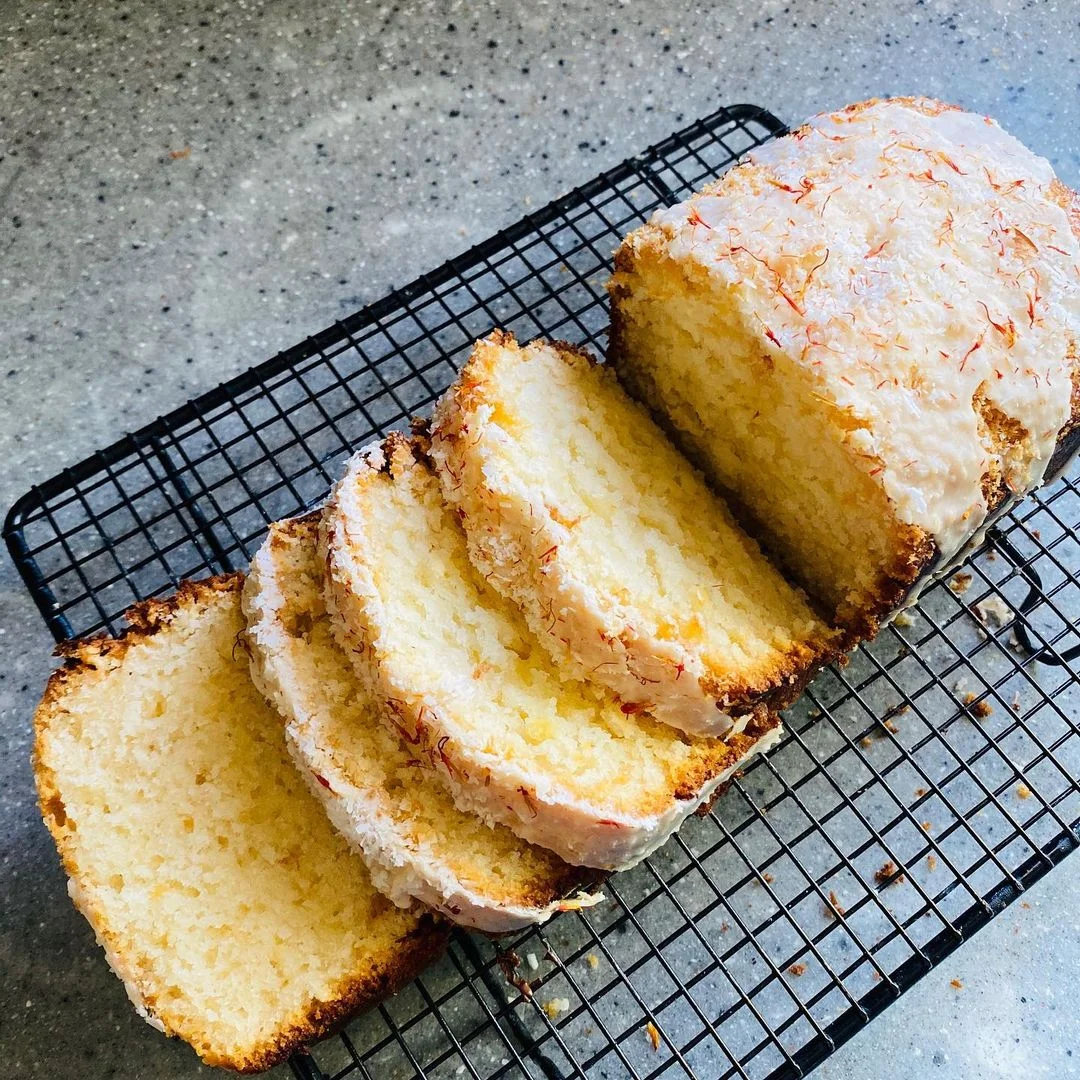
This eggless coconut loaf cake is a soft, sweet bake flavoured with desiccated coconut and vanilla. It is a useful option when you want a simple cake without eggs, using yoghurt and milk for moisture.
Ingredients
- 190 g (1½ cups)plain flour
- 10 g (2 teaspoons)baking powder
- 40 g (½ cup)desiccated coconut, plus extra for topping
- 10 ml (2 teaspoons)vanilla extract
- 120 ml (½ cup)vegetable oil or coconut oil
- 200 g (1 cup)white sugar
- 120 g (½ cup)full-fat yoghurt
- 45 g (6 tablespoons) full-fat milk powder dissolved in 240 ml (1 cup) warm water; or use 240 ml (1 cup) coconut milk or creamfull-fat milk powder and warm water, or coconut milk or cream
Instructions
- 1
Whisk sugar and oil
Beat the sugar and oil together with a hand beater or stand mixer for 3–5 minutes.
- 2
Add dry ingredients
Sift in the flour and baking powder, add the desiccated coconut, and beat for 1–2 minutes.
- 3
Mix in dairy
Add the yoghurt and warm milk mixture to the batter and mix well.
- 4
Fill the loaf pan
Transfer the batter to a regular loaf pan and scatter more desiccated coconut over the top.
- 5
Cover the cake
Cover the top of the pan with aluminium foil to limit browning.
- 6
Bake until done
Bake in an oven preheated to 150°C for 40–45 minutes, until a cake tester or toothpick comes out clean.
- 7
Cool on a rack
Let the cake cool completely on a rack.
- 8
Add the glaze
Top the cooled cake with coconut glaze.
- 9
Serve the cake
The cake is ready to serve.
What is coconut loaf cake?
A coconut loaf cake is a sweet, baked cake made in a loaf pan, with coconut mixed through the batter or scattered on top. This eggless version uses yoghurt and milk for moisture and binding.
The recipe does not specify a regional origin; it follows the familiar home-baking format of a simple loaf cake. Its combination of desiccated coconut and vanilla gives the crumb a distinct coconut flavour.
Nutrition and macros by portion
The nutrition label shows one serving as written: 754 calories, 10g protein, 94g carbs, 39g fat.
| Portion | Adjustment | kcal | Protein | Carbs | Fat |
|---|---|---|---|---|---|
| Lighter | Smaller slice, skip glaze | 528 kcal | 7g | 66g | 27g |
| This serving | As written | 754 kcal | 10g | 94g | 39g |
| Hungry | Larger slice | 1131 kcal | 15g | 141g | 59g |
The flour and sugar provide most of the carbohydrates, while the oil and coconut contribute much of the fat. Yoghurt and milk powder add some protein, though this is still mainly a cake rather than a high-protein dish. Pair a slice with fruit or plain yoghurt for a more balanced snack.
The ingredients that shape the crumb
Flour and raising agent: sift them before mixing to distribute the baking powder evenly. Desiccated coconut adds texture and absorbs some moisture, so measure it rather than adding extra to the batter.
Yoghurt and milk: these provide moisture in place of eggs. The recipe allows either a milk-powder mixture or coconut milk or cream; use one option, not both.
Mixing the batter
Sugar and oil: beating them for 3–5 minutes helps combine the ingredients before the flour goes in. Oil does not trap air in quite the same way as creamed butter, so follow the stated mixing time without expecting a fluffy butter-and-sugar mixture.
Dry ingredients: once the flour is added, beat only for the specified 1–2 minutes. Mixing for much longer can make the cake firmer.
Baking and checking doneness
Foil cover: place it over the pan before baking to help prevent the top from browning too much. Keep the foil from touching the batter if you can.
Doneness cue: begin checking at 40 minutes. The cake is ready when a tester inserted into the centre comes out clean; if it has wet batter on it, bake a little longer and check again.
Cooling and glazing
Cooling: let the loaf cool completely on a rack before glazing. This gives the crumb time to set and helps prevent the glaze from melting straight off.
Glaze: the method calls for coconut glaze but does not provide its ingredients or preparation. Add a glaze you already have or leave the loaf unglazed.
How to serve it
Slices work well alongside tea or coffee, or as a simple dessert. The cake is already sweet, so fresh fruit can provide a bright contrast without adding another rich topping.
For a more filling snack, serve a slice with yoghurt. Cut the loaf with a clean, sharp knife once it has cooled.
Recipe notes & tips
- Use the same type of cup measure throughout if weighing the ingredients is not practical.
- Have the milk mixture warm rather than hot before adding it to the batter.
- Line or grease the loaf pan before filling it so the cooled cake is easier to remove.
- Keep the foil on during baking to reduce browning, as the method directs.
- Cool the loaf fully before slicing to help it hold its shape.
Variations
- Coconut milk: use 240 ml coconut milk instead of the milk-powder mixture and water.
- Coconut oil: choose coconut oil for a stronger coconut aroma.
- Extra topping: scatter a little more desiccated coconut over the batter before baking, as directed.
- Vanilla note: keep the vanilla extract in the batter for a warmer, rounded flavour.
- Glaze-free: serve the cooled loaf without glaze for a less sweet finish.
Common mistakes to avoid
- Skipping the sift: sift the flour and baking powder together so the raising agent is distributed through the batter.
- Overmixing after adding flour: stop after the stated 1–2 minutes to avoid a tougher crumb.
- Using cold milk: prepare the milk mixture with warm water as specified so it combines more readily.
- Removing the foil too soon: keep the top covered during baking to help prevent excessive browning.
- Slicing while warm: cool the loaf completely on a rack before cutting so it is less likely to crumble.
How to store
Once completely cool, store the loaf in an airtight container at room temperature and eat within 3 days. Freeze slices, well wrapped, for up to 2 months; thaw at room temperature. Warm a slice briefly in the microwave if you prefer it warm.
Frequently asked questions
Can I use coconut milk instead of milk powder and water?
Yes. The recipe gives 240 ml (1 cup) coconut milk or cream as an alternative to the milk powder dissolved in warm water.
Can I use coconut oil?
Yes, the recipe allows vegetable oil or coconut oil. Coconut oil will give the loaf a more noticeable coconut aroma.
How do I know when the loaf is baked?
Check the centre with a cake tester or toothpick after 40 minutes. It should come out clean; continue baking towards 45 minutes if needed.
Why is the top covered with foil?
The foil helps prevent excessive browning on top while the loaf bakes.
Does the recipe include a coconut glaze recipe?
No glaze ingredients or preparation are provided. The method simply says to top the cooled cake with coconut glaze.
Can I make this cake ahead?
Yes. Bake it in advance, cool it completely, and store it airtight. Add any glaze after cooling.
Cook it from the original
This recipe comes from fooooods.com. Their page has the author’s own photos, notes and tips — the best place to cook it from.
Open the recipe on fooooods.com